Quick Navigation
Let's be real. Figuring out what to wear skiing as a woman can feel like solving a puzzle in a freezer. You're trying to balance not freezing your toes off with not sweating like you're in a sauna, all while hoping you don't look like a mismatched marshmallow. I've been there—shivering on a chairlift because my cotton hoodie was a terrible idea, or overheating on a bluebird day because I overdressed.
It doesn't have to be that complicated. The secret isn't in buying the most expensive jacket. It's in understanding a simple system: layering. Get this right, and you're set for anything from a bitter, windy day in the Rockies to a surprisingly warm spring afternoon in the Alps. This guide is going to walk you through exactly what to wear skiing as a woman, piece by piece, based on what actually works, not just what looks good in a catalog.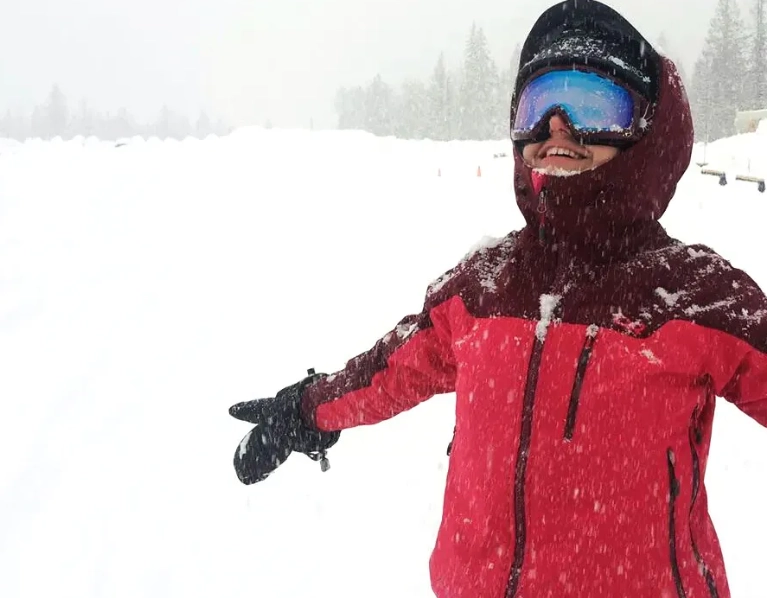
The Golden Rule: Forget "Outfits," Think "Systems"
Stop thinking about a ski outfit as a single thing. You're building a personal climate control system. This system has three jobs: move moisture away from your skin, trap warmth close to your body, and shield you from wind, snow, and water.
That's your three-layer system: Base Layer, Mid Layer, and Outer Layer. Mess up one layer, and the whole system suffers. A sweaty base layer makes you cold. A missing mid layer leaves you shivering. A flimsy outer layer lets the wind right through.
Layer 1: The Base Layer (Your Second Skin)
This is the most important layer, and the one most people get wrong. Your base layer is in direct contact with your skin. Its sole purpose is moisture management. When you're active, you sweat. If that sweat sits on your skin, you get cold. Fast.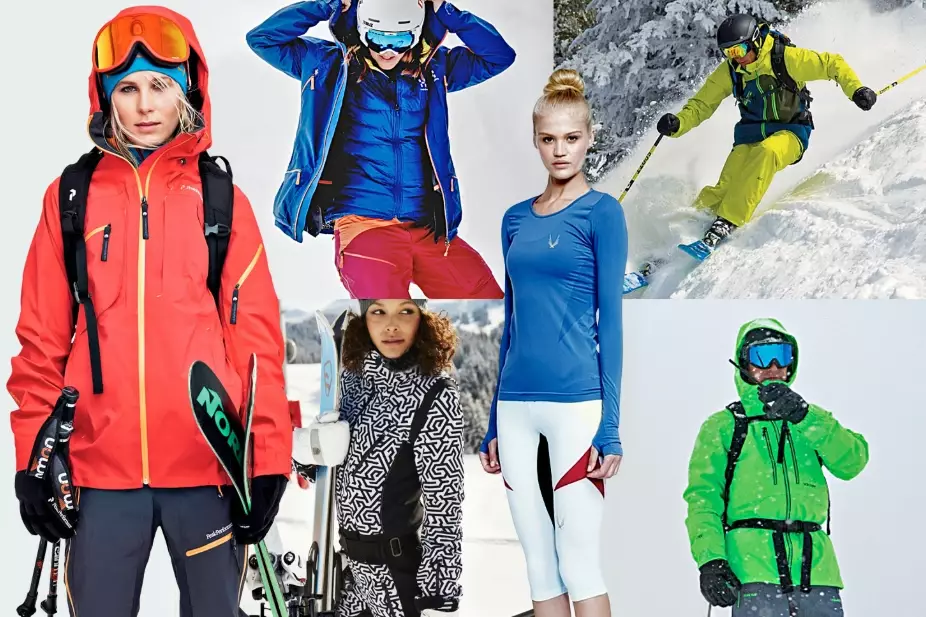
What to look for:
- Material: Merino wool is the gold standard. It wicks moisture brilliantly, regulates temperature, and naturally resists odors (so you can re-wear it). Synthetic fabrics like polyester are also great for wicking and are often more affordable. They dry incredibly fast.
- Avoid at all costs: COTTON. Cotton is a ski trip killer. It absorbs moisture like a sponge and holds it against your skin. "Cotton kills" is a saying in the outdoors for a reason.
- Fit: It should be snug, like long underwear, but not restrictive. You want it close to your skin to effectively pull sweat away.
Layer 2: The Mid Layer (Your Personal Insulation)
This is your warmth layer. It traps the warm air your body generates. How much insulation you need here is the biggest variable and depends entirely on how cold you run and the weather.
You have two main types:
| Type | Best For | Pros | Cons | My Take |
|---|---|---|---|---|
| Fleece | Most conditions, high activity, variable temps. | Breathable, wicks well, retains warmth when damp, affordable. | Can be bulky, not always the most wind-resistant. | My go-to. A grid-fleece hoodie is incredibly versatile. |
| Down / Synthetic Puffy | Very cold days, low activity (lots of lifts), or if you get cold easily. | Extremely warm for its weight (especially down). | Down loses insulation when wet. Can be less breathable, more expensive. | I pack a thin synthetic puffy for brutal days or lunch breaks. It's a lifesaver. |
Don't be afraid to use more than one mid layer. On a frigid day, I might wear a thin fleece zip-up under a lighter puffy vest. It gives you way more control than one thick, bulky sweater.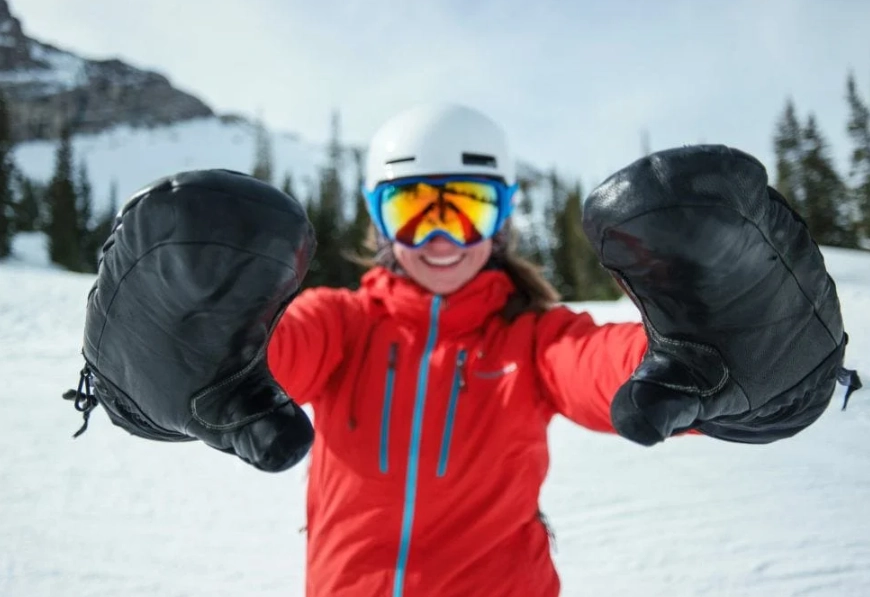
Layer 3: The Outer Layer (Your Armor)
Your ski jacket and pants. Their job is to stop wind and snow from getting in while letting sweat vapor out. This is where you see terms like "waterproof" and "breathable."
Key Features to Understand:
- Waterproof Rating: Measured in mm (e.g., 10k, 20k). For skiing, aim for at least 10,000mm. This will handle falling snow and the occasional sit in slush. For serious storms or wet snow, 15k-20k is better.
- Breathability Rating: Measured in grams (g). This is how much moisture vapor can pass through. Higher is better. Look for 10,000g+.
- Sealed Seams: Critical! Water gets in through stitch holes. Taped or sealed seams prevent this.
- Powder Skirt & Cuffs: The skirt inside the jacket seals out snow if you take a tumble. Good cuffs seal over your gloves.
Brands like Gore-Tex set the benchmark, but many proprietary membranes (like The North Face's Futurelight, Patagonia's H2No) are excellent. Don't just buy the brand; check the actual specs.
The Head-to-Toe Breakdown: What to Wear Skiing as a Woman
Now let's get specific about every item. This is the checklist I wish I had.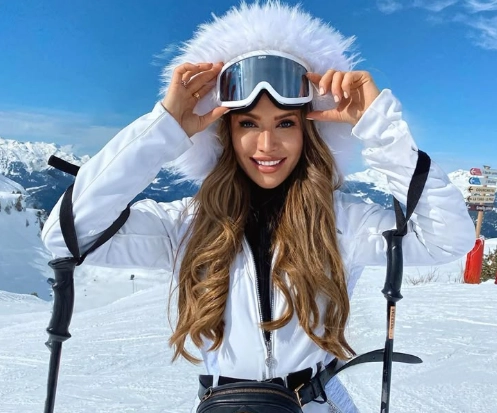
Head & Neck
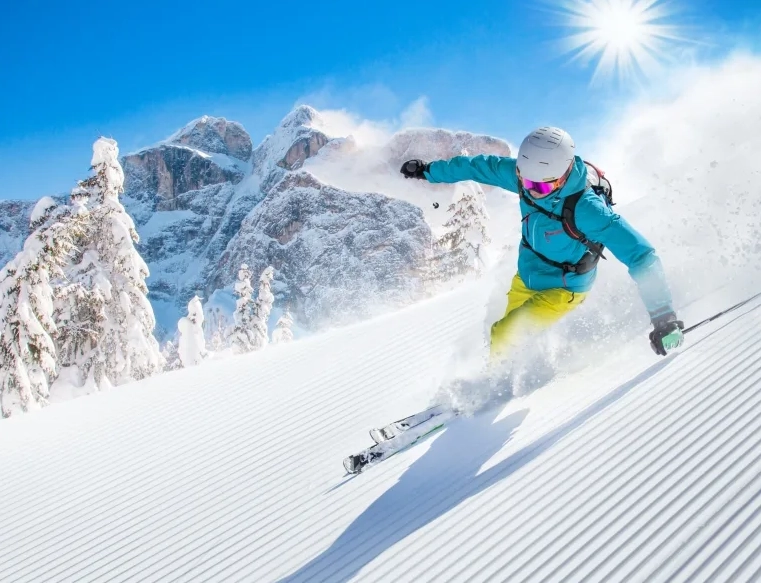
A helmet is non-negotiable. Rent one if you don't own it. Make sure it fits snugly without pressure points. Wear a thin beanie or skull cap underneath for extra warmth—merino or synthetic again. For your neck, a neck gaiter or buff is infinitely better than a scarf (which can come loose). You can pull it up over your nose and cheeks on the lift.
Torso & Core
We covered the three layers. Remember: Base (wicking), Mid (warmth), Outer (shell). Zippers are your friend for ventilation. Don't be shy about unzipping your jacket pit zips or front zip on a warm-up.
Hands
Ski-specific gloves or mittens. Mittens are generally warmer than gloves because your fingers share heat. Look for waterproof/breathable membranes here too. Liners are a game-changer—thin silk or synthetic gloves worn inside your main gloves. They add warmth and let you handle your phone or adjust bindings without exposing your skin.
Legs
The same layering principle applies! A wicking base layer bottom is essential. You can add a fleece-lined or insulated softshell pant as a mid layer on brutally cold days, but most modern ski pants have built-in insulation. Bib-style pants are fantastic—they keep snow out of your back and are often more comfortable than waist-high pants.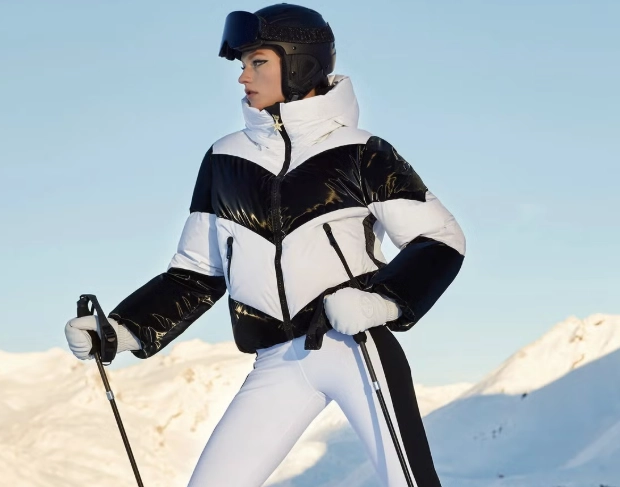
Feet
This is critical. Ski socks only. Not hiking socks, not athletic socks. Thin-to-medium weight merino wool or synthetic ski socks. They should come up to your knee. Absolutely no cotton. Thick socks will cram your feet in the boot, cutting off circulation and making you colder. One pair. That's it.
Answering Your Real Questions: The FAQ on What to Wear Skiing as a Woman
These are the questions my friends always ask me. Let's tackle them head-on.
How many layers should I actually wear?
Start with three (base, mid, outer). Your mid layer is your thermostat. Too warm? Remove a mid layer or open vents. Too cold? Add a thicker or second mid layer. I often pack a super light down vest in my backpack just in case.
Can I wear leggings as a base layer?
It depends. Cotton leggings? No. Thermal, moisture-wicking athletic leggings made of polyester/nylon/spandex? Yes, they can work in a pinch. But dedicated ski base layer bottoms will almost always perform better—they're designed for sustained output and moisture management over hours.
What about underwear and bras?
Apply the same no-cotton rule. Synthetic or merino sports bras and underwear will keep you drier and more comfortable. Avoid lace or anything with seams in awkward places that might rub under all your layers.
I get cold easily. What's my secret weapon?
Focus on your core. A warm core sends warm blood to your extremities. Ensure your mid layer is effective. Consider a lightweight puffy vest worn *under* your shell jacket for maximum core warmth without bulk on your arms. Also, chemical hand and toe warmers are cheap and incredibly effective for emergency warmth.
What do I wear for spring skiing?
Spring is tricky. It can be freezing in the morning and T-shirt weather by afternoon. Your strategy shifts to versatility and ventilation.
- Base Layer: A lighter weight merino or synthetic.
- Mid Layer: Often just a light fleece or even a long-sleeve base layer top. Carry a thin puffy in your pack.
- Outer Layer: A shell with excellent venting (big pit zips). You might even opt for a softshell jacket that's more breathable.
- Wear a neck gaiter you can dunk in water to cool off.
- SUNSCREEN. The sun at altitude is no joke.
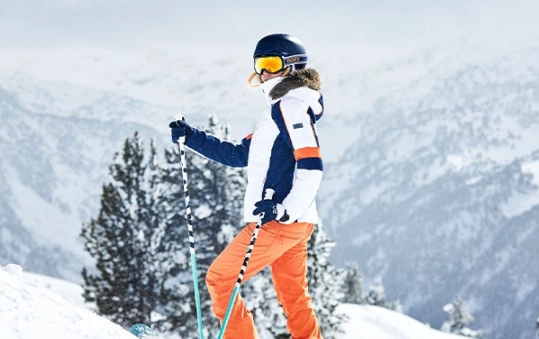
Putting It All Together: Your Sample Packing Lists
Here’s what I’d pack for a typical 3-day ski trip. This assumes you’re wearing your outer layers (jacket, pants) on travel days.
The Essentials (Wear/Carry On)
- Ski Jacket (with powder skirt)
- Ski Pants (bib or waist)
- Helmet
- Ski Gloves/Mittens
- Neck Gaiter
- Ski Goggles (with lenses for flat light AND sunny days if possible)
- Sunglasses
In Your Suitcase
- Base Layers: 2-3 tops, 2-3 bottoms (merino/synthetic). One set per day, plus a spare.
- Mid Layers: 1-2 fleece jackets/zip-ups, 1 lightweight puffy or vest.
- Socks: 1 pair of ski socks per ski day, plus an extra.
- Head: 1-2 thin beanies/skull caps.
- Hands: 1 pair glove liners.
- Apres-ski: Comfortable boots, jeans/leggings, sweaters. Think cozy, not fancy.
- Extras: Sunscreen (SPF 30+), lip balm with SPF, small tube of hand cream, travel-sized foot powder.
A Final, Honest Word on Gear
You don't need the most expensive stuff to have a great time. In fact, I'd prioritize your budget in this order:
- A well-fitting helmet. Safety first.
- Good base layers and socks. This is your comfort foundation.
- Waterproof outer layers (can be last season's or a good sale find).
- Warm, waterproof gloves.
- Everything else.
You can rent skis, boots, and poles easily. You can't rent a good layering system. That has to be yours. And remember, the best answer to "what to wear skiing as a woman" is whatever keeps you warm, dry, and happy on the mountain. It might take a day or two to dial it in perfectly. Pay attention to what works and what doesn't. Adjust. That's how you go from being preoccupied with the cold to being focused on the next run.
Now go get 'em. And maybe I'll see you out there.
Related Articles
Comments
Join the discussion