In This Guide
Let's be honest. You've probably stood in a ski shop, staring at a wall of shiny new skis, and felt a bit... lost. They all promise to be the best. All-mountain carvers, powder hogs, park rats. But which one is actually for you? Not for the "average advanced skier" the box describes, but for your specific legs, your favorite resort, the way you like to carve a turn on that icy morning corduroy.
That feeling is exactly why the world of custom skis exists. It's the answer to that nagging question: what if my gear was built for me, and only me?
But here's the rub. The term "best custom skis" gets thrown around a lot. Is it just a marketing gimmick for rich hobbyists? Or can a truly personalized pair of planks actually transform your time on the mountain? I've talked to fitters, geeked out with factory reps, and even put a few custom pairs through their paces myself (some were phenomenal, one was a costly lesson). This guide is everything I wish I knew before diving in.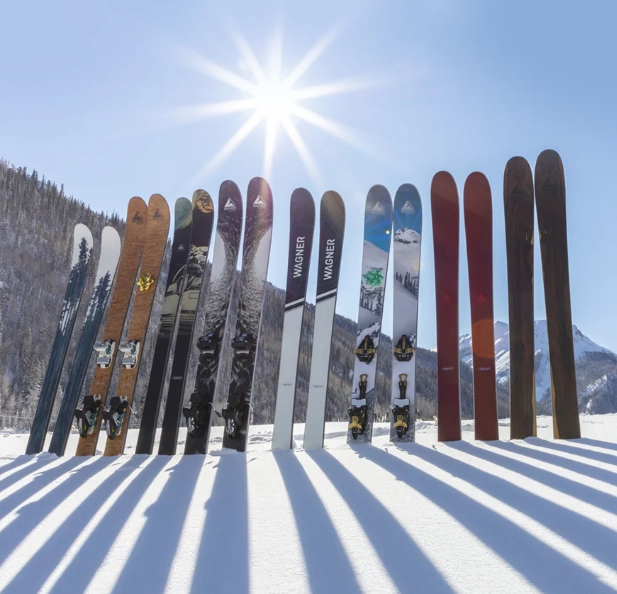
We're going to strip away the jargon and the glossy brochures. We'll look at what "custom" really means, who it's for (and more importantly, who it's not for), and how to navigate the process without getting snowed.
So, What ARE Custom Skis, Really?
It's not just picking a cool top sheet graphic (though you can do that too). True custom ski building is a process that starts with you—your body, your style, your terrain—and engineers a ski from the core out to match.
Think of it like a tailored suit versus one off the rack. The off-the-rack suit might fit okay. The tailored one fits you. It moves when you move. It feels like a part of you.
The Core Idea: Mass-produced skis are designed for a broad range of people. Custom skis narrow that focus down to a single person: you. The goal is to eliminate compromises in performance caused by a ski that's too stiff, too soft, too wide, or too narrow for your unique combination of factors.
I remember the first time I tried a recommended "all-mountain" ski from a big box store. On paper, it was perfect for me. On snow, it felt like I was wrestling it down every run. It wasn't a bad ski. It just wasn't my ski. That experience sent me down this rabbit hole.
Your Burning Questions About the Best Custom Skis, Answered
Before we get into brands and specs, let's tackle the big stuff. The questions that kept me up at night.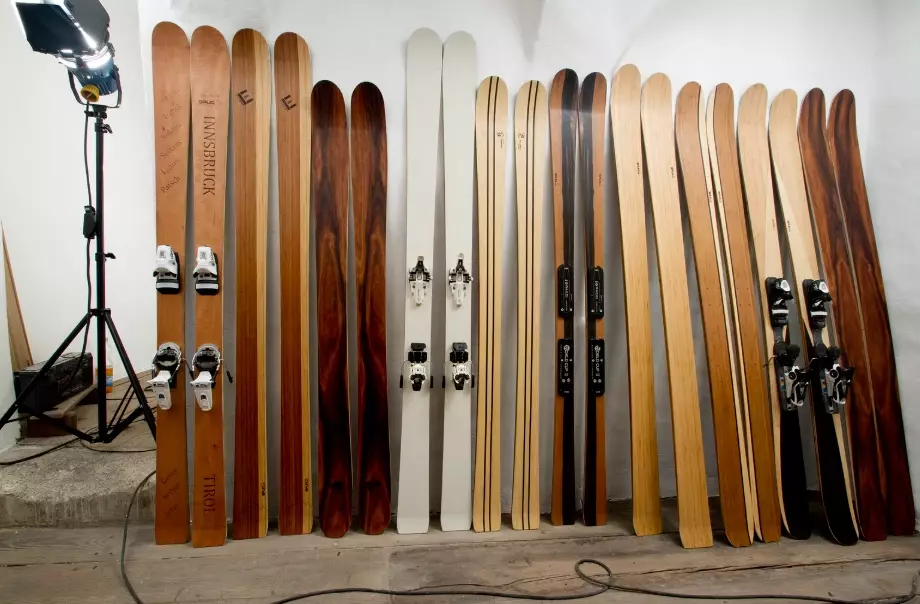
Are custom skis worth the money?
This is the million-dollar question (or more accurately, the $1,500+ question). The short answer? It depends entirely on you.
Probably YES if: You ski 30+ days a year. You have a very specific, dialed-in style (e.g., you live for deep powder, or you're a hard-charging ex-racer on groomers). You have a non-standard physique (very light/heavy, unusually strong). You've never found an off-the-shelf ski that feels "just right." You view skis as a long-term investment in your passion.
Probably NOT if: You're a beginner or casual intermediate. You ski less than 10 days a season. Your style or preferred terrain is still evolving. Your budget is super tight. You like switching up your gear every few years for the latest tech.
The value isn't just in the materials. It's in the hundreds of hours of engineering knowledge, the one-on-one consultation, and the painstaking handcrafting that goes into your single pair. You're paying for expertise and personalization, not just carbon and wood.
How are they different from regular ‘off-the-rack’ skis?
It's all about the starting point. A factory like Volkl or Atomic designs a ski (let's say the "Mantra 102") to perform brilliantly for a huge swath of advanced, aggressive skiers. It's a masterpiece of compromise.
A custom builder starts with a blank screen. They ask: Who is skiing this? Where? How? Then they design the ski. The flex pattern is tuned to your weight and aggression. The sidecut radius is calculated for your turn shape. The core density, laminate layers, even the mounting point—all are variables in an equation where you are the only constant.
It's the difference between buying a meal from a great restaurant and having a chef cook in your kitchen with only your favorite ingredients.
What do I need to tell them? Do I need to be an engineer?
Thankfully, no. You don't need to know what "dampening coefficient" means. The best custom ski companies are guides. They ask the right questions. Your job is to be honest and self-aware.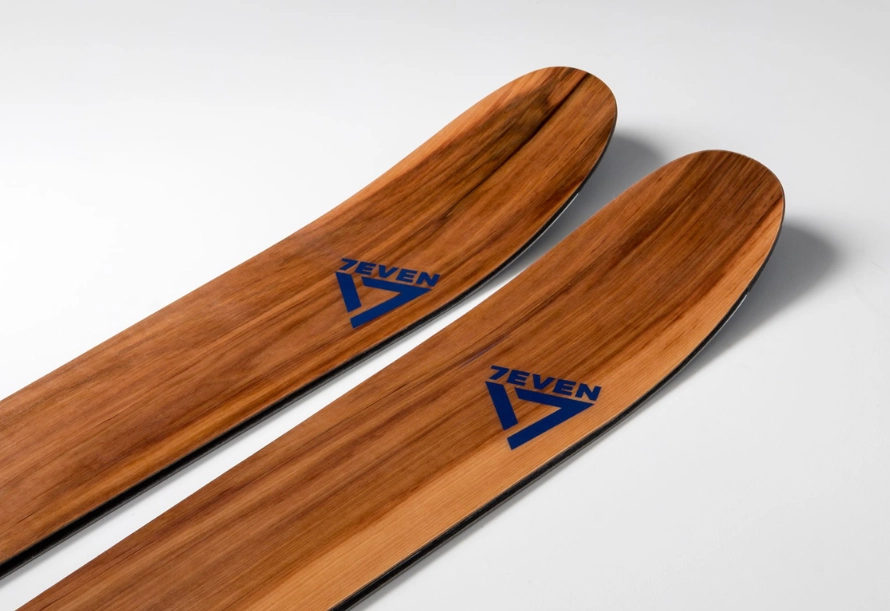
You'll talk about:
- You: Height, weight, age, fitness level, any old injuries.
- Your skiing: How would you describe your style? (Charger, finesse, playful?) What's your favorite run? What maneuver feels best?
- Your terrain: East Coast ice? Utah powder? Moguls all day? A mix?
- Your current skis: What do you like/dislike about them? This is gold for the designer.
- Your goals: More stability at speed? Easier pivot in trees? Better edge hold?
The conversation is the most important part. A good builder listens more than they talk.
What measurements do they need?
Beyond height and weight, be prepared for some unusual ones. Some companies might ask for your boot sole length (BSL) to fine-tune mounting. Others, especially those doing full boot-fitting integration, might want more. The gold standard often involves a detailed boot fitting first, as your boot is the direct interface between you and the ski. Organizations like the Professional Ski Instructors of America (PSIA) emphasize the boot-ski connection as foundational to performance.
Watch Out: Some companies sell "custom" as just picking width, length, and a top sheet. That's customization, not true custom engineering. The real magic is in the unseen variables: flex, torsional stiffness, core profile. Ask questions about how deep the customization goes.
The Contenders: A Look at Top-Tier Custom Ski Brands
Not all custom shops are created equal. Some are tiny one-man operations in a garage (which can be amazing). Others are larger, tech-driven companies. Here’s a breakdown of a few leaders with very different philosophies. This isn't an exhaustive list, but it covers the major players you'll hear about when searching for the best custom skis.
| Brand | Core Custom Philosophy | Starting Price (Approx.) | Best For Skiers Who... | My Personal Notes |
|---|---|---|---|---|
| J Skis | Art-forward, limited-run "customization." You choose from existing models/widths but get insane graphic control. More bespoke than engineered-from-scratch. | $800 - $1,000 | Want a truly unique look on a proven, high-quality platform. Value fun and personality. | The friendliest process. It feels like you're collaborating with artists. The skis are fantastic, but the core design isn't tailored to your flex profile. |
| ON3P | Durability kings. Custom options within their legendary park/ all-mountain shapes. You can tweak flex, core, and graphics on models like the Kartel or Woodsman. | $1,000 - $1,300 | Aggressive skiers, especially in the park or in rocky terrain, who break gear and want a tank built to their specs. | I've seen these skis take insane abuse. If you're hard on equipment, this is a top call. The custom flex option is a real performance differentiator. |
| Praxis | Deep, geeky customization. One of the originals. You work directly with the designer on core material (different woods, foam), flex, sidecut, layup—the full monty. | $900 - $1,200 | Tinkerers and purists who want to understand and influence every material in their ski. Great for powder specialists. | This is for the person who reads Ski Magazine tech articles for fun. The learning curve is higher, but the payoff is a ski that is a true personal experiment. |
| Wagner Custom | The full medical/physical assessment approach. Probably the most scientific process. Uses a detailed questionnaire, sometimes even video analysis. | $1,800 - $2,500+ | Expert skiers with very specific performance gaps, former athletes, or those with unique physical attributes. The "no compromise" choice. | The most expensive and comprehensive. It feels less like buying a ski and more like a engineering consultation. The results, by all accounts, are exceptional if you fit the profile. |
See the range? From graphic customization to full-blown biomechanical profiling. Your choice depends on what "best" means to you. Is it the most unique look, the most durable, the most tunable, or the most scientifically precise?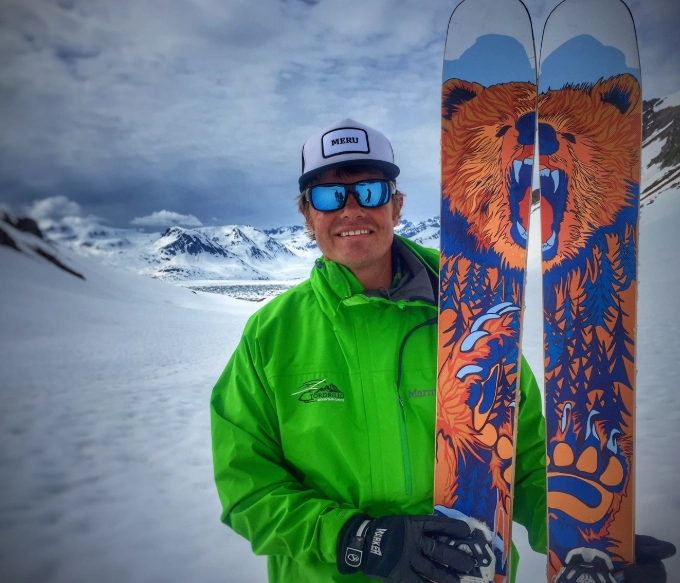
The Nuts and Bolts: What Goes Into Your Custom Skis
Let's demystify what they're actually building. When you order the best custom skis, you're influencing a recipe with many ingredients.
1. The Core (The Soul)
Usually wood (poplar, ash, paulownia) or a wood/foam mix. A heavier skier or charger might get a denser wood like ash for more stability and damping. A lighter, playful skier might get paulownia or a foam mix for a lighter, poppier feel. This is where weight and ski feel are fundamentally set.
2. The Flex Pattern (The Personality)
This is huge. Is the ski stiff underfoot but soft in the shovel for pivot? Uniformly stiff for crushing crud? Soft everywhere for buttery play? The builder maps this out based on your aggression and terrain. This is often the #1 thing people notice is "different" from a stock ski.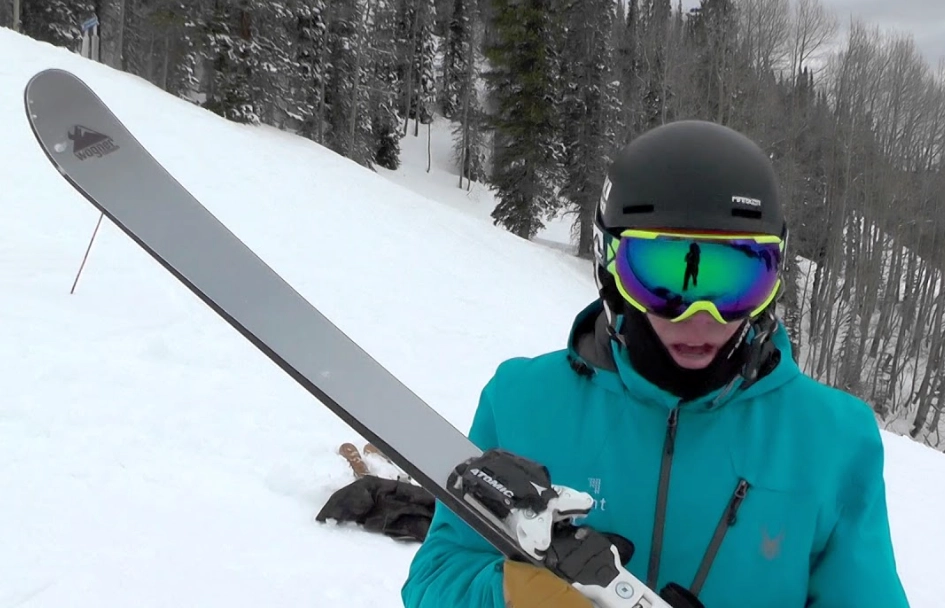
3. The Sidecut & Dimensions (The Shape)
You'll decide on waist width (e.g., 98mm for all-mountain, 115mm for powder). But a custom builder might also tweak the tip/tail width or the sidecut radius (how tight the turn is) based on your described turn shape. Do you like short, slalom-like arcs or giant, sweeping GS turns?
4. The Layup (The Muscle)
The fiberglass, carbon, or metal layers that surround the core. More metal (titanal) = more damping and stability at speed. More carbon = lighter and snappier, but can feel chattery. The blend and orientation of these materials fine-tune the ski's power and feel.
5. The Mounting Point (The Balance)
On a stock ski, you get a recommended line. On a custom ski, the mount point is calculated. A more forward mount can feel more playful and pivot-friendly. A more traditional mount can feel more stable and carve-oriented. This is often overlooked but critical.
The Real Cost: Breaking Down the Investment
Let's talk numbers, because sticker shock is real.
A top-tier custom ski setup typically runs between $1,200 and $2,500, before bindings. Why so much more than a $700 retail pair?
- Labor: This is handcrafting, not an assembly line. A single pair might take 20+ hours of skilled labor.
- Materials: They often use premium, small-batch materials (e.g., aerospace-grade composites, specific hardwoods).
- Low Volume: No economies of scale. They're making one pair, not ten thousand.
- R&D & Consultation: You're paying for the designer's expertise and time in the consultation.
Is it worth it? Think of it as a 10-year ski. If you ski 30 days a year for a decade, that's 300 days. At $2,000, that's less than $7 per ski day for a perfect fit. The calculus changes if you're a 5-day-a-year skier.
Pro Tip: Some custom builders offer "returns" or "remakes" if the ski truly misses the mark based on your feedback. This policy is VITAL. Ask about it before you buy. It shows they stand behind their process. The industry standard is not a money-back guarantee, but a commitment to work with you until you're satisfied, which may involve tweaking the ski.
The Decision: Is a Custom Ski Right for YOU?
Let's make this simple. Walk through this checklist.
You're a strong candidate if several of these are true:
- You have a clear, consistent skiing identity.
- You've owned multiple pairs of high-end skis and found flaws in each.
- You can articulate what you want to feel (e.g., "less hooky in chop," "more energy out of the turn").
- You view skiing as a primary hobby and the cost, while significant, is justifiable for the experience.
- You have atypical physical stats (very light/heavy, powerful legs).
You should probably stick with top retail skis if:
- You're still exploring different types of skiing.
- You get excited by the latest yearly tech and model updates.
- The idea of a multi-week wait time is a deal-breaker.
- Your skiing improves dramatically year-to-year (your perfect ski today might not be perfect in two seasons).
- The price tag causes genuine financial stress.
Sometimes, the best custom skis aren't the right next step. A fantastic boot fitting and a well-chosen demo of a high-end stock ski might get you 95% of the way there for half the cost.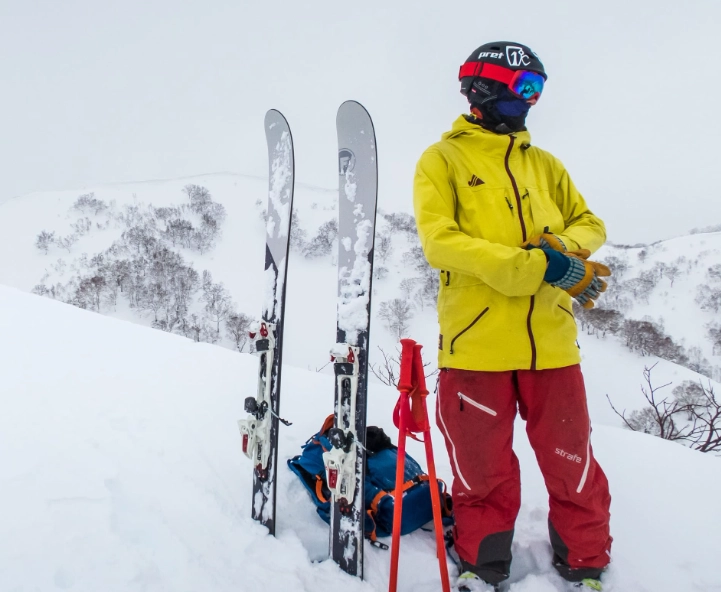
I made the mistake once of going custom before I really knew what I wanted. I was swayed by the idea, not the practical need. The skis were beautifully made but... meh. They didn't solve a problem I actually had. Lesson learned.
Your Path Forward
If you're leaning towards going custom, here's your action plan.
Step 1: Do Your Homework. Deep dive on 2-3 of the brands I mentioned. Read their philosophy. Watch their "how it's made" videos. See which process resonates with you. Don't just look for reviews of the best custom skis; look for reviews of the process with each brand.
Step 2: Get Your Boots Dialed FIRST. I can't stress this enough. Your boots are 80% of your interface with the ski. A custom ski built for poorly fitted boots is a waste. Visit a master boot fitter. This is non-negotiable. Resources from ASTM International on ski boot safety standards remind us that proper fit is also a safety issue.
Step 3: Be a Student of Your Own Skiing. Pay attention on your next few ski days. What do you love? What frustrates you? Take notes. Video yourself if you can. This self-awareness is your most valuable asset in the consultation.
Step 4: Start the Conversation. Reach out to your top-choice brand. Fill out their questionnaire thoughtfully. Have a phone call. A good company will ask challenging, insightful questions. If the conversation feels rushed or salesy, that's a red flag.
Step 5: Embrace the Wait. You're not buying a product off a shelf. You're commissioning a piece of sports equipment. The build time can be 4-12 weeks. Use that time to get excited, not impatient.
Finding the best custom skis isn't about buying the most expensive option. It's about engaging in a process that demands you know yourself as a skier. It can be incredibly rewarding, leading to gear that feels like a natural extension of your body. It can also be an expensive lesson if you're not the right candidate.
Look past the marketing. Ask the hard questions. Be brutally honest about your own abilities and goals. If you do that, whether you end up with a hand-built masterpiece or a brilliantly chosen stock model, you'll end up with the right tool for the job. And that's what we're all really after, isn't it?
Now get out there and ski.
Related Articles


Comments
Join the discussion