Navigate This Guide
- Why Bother Renting? The Real Math Behind Ski Equipment Rental Prices
- What You're Actually Paying For: Breaking Down the Cost Structure
- The Price Spectrum: What's the Difference Between Budget and High-Performance?
- How to Find the Best Deals on Ski Equipment Rental Prices
- The Fitting Process: Where the Real Value is Created (or Lost)
- Hidden Fees and Gotchas to Watch Out For
- Ski Equipment Rental Prices for Families and Kids
- Your Questions, Answered
- The Bottom Line: Getting Real Value for Your Money
Let's be honest, planning a ski trip is exciting, but the costs can start adding up fast. Lift tickets, accommodation, travel... and then there's the gear. For most of us, buying a full set of skis, boots, and poles just doesn't make sense. Maybe you ski once a year, or you're trying it out for the first time. That's where renting comes in. But have you ever looked at ski equipment rental prices and felt completely lost? One shop quotes you $30 a day, another $70 for what seems like the same thing. What are you actually paying for? Is the expensive package worth it, or are you just throwing money away?
I've been there. I remember standing in a rental shop years ago, completely overwhelmed. The guy behind the counter was throwing terms like "performance demos" and "tuning packages" at me, and all I could think was, "I just want something that slides and stops." I ended up overpaying for stuff I didn't need. After that trip, I made it my mission to figure it out. I've rented gear from tiny local shops in Vermont to massive resorts in the Alps, and I've seen the good, the bad, and the downright confusing when it comes to pricing.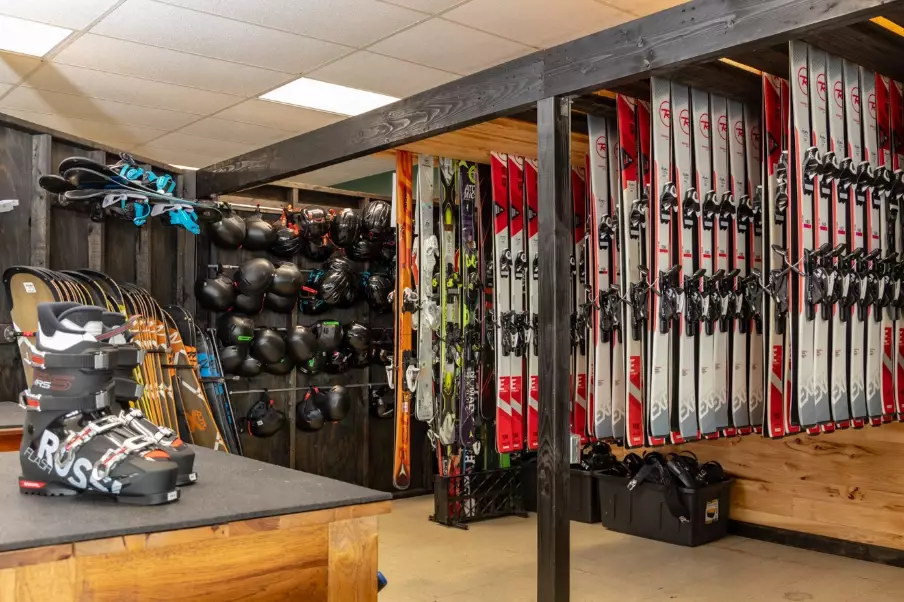
This guide is what I wish I had. We're going to tear apart ski equipment rental prices, piece by piece. We'll look at what goes into the cost, how to spot a good deal (and a bad one), and the sneaky fees that can ambush you at the counter. My goal is simple: to give you the confidence to walk into any rental shop and know exactly what you're getting for your money.
Why Bother Renting? The Real Math Behind Ski Equipment Rental Prices
Before we dive into the numbers, let's tackle the big question: rent or buy? It's not always obvious. If you're a beginner, renting is a no-brainer. You don't know what you like yet, and committing to gear is risky. But what about intermediate skiers who go a few times a season?
You have to run the numbers. A decent new setup—skis, bindings, boots, poles—can easily run you $1,000 to $1,500. Then you've got annual tuning ($50-$100), storage, and the fact that ski tech evolves. Your perfect skis from five years ago might feel like clunky dinosaurs today. Renting lets you ski on current gear every time. For many people, unless you're hitting the slopes 15+ days a year, the math heavily favors renting. It's not just about the upfront cost; it's about convenience. You fly in, pick up tuned, ready-to-go gear, and drop it off when you leave. No baggage fees, no worries about damage in transit.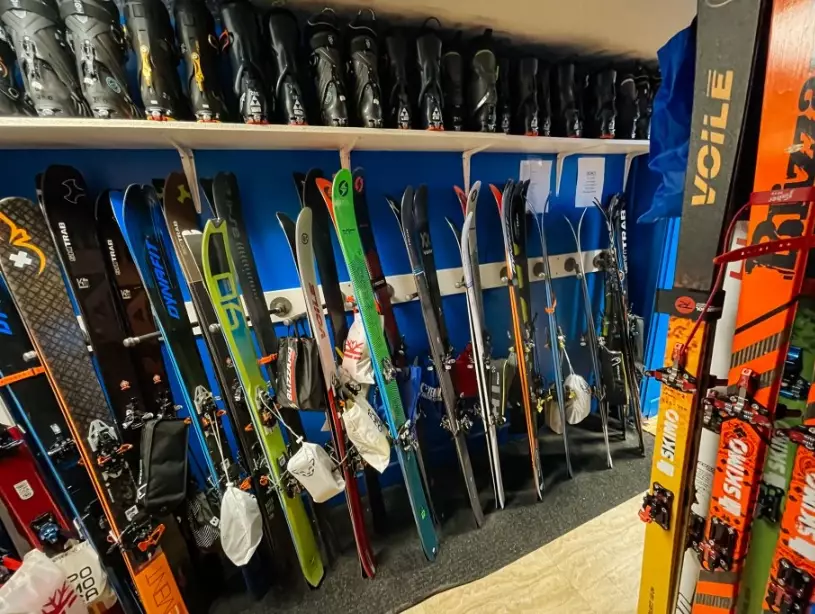
What You're Actually Paying For: Breaking Down the Cost Structure
Ski equipment rental prices aren't just a random number. They're built from several components. Understanding these helps you see where you can save and where you shouldn't skimp.
The Gear Itself: Depreciation is a Beast
Rental fleets are expensive. A shop might buy a ski model in bulk, but they're still looking at a few hundred dollars per ski-boot-pole set. That gear gets used hard, maybe for 100+ days across a season. The price you pay covers the rapid depreciation of that equipment. Higher-end "demo" or "performance" skis are newer models, often from the current or previous season, so their purchase cost is higher, hence the higher rental fee.
Maintenance and Tuning: The Hidden Hero
This is a huge part of the value. A rental ski should come to you freshly tuned—edges sharpened, base waxed. This isn't a luxury; it's essential for control and safety. Shops have full-time technicians doing this work. The cost of their labor, the wax, the grinding stones—it's all baked into your daily rate. A poorly maintained rental is dangerous and no fun to ski on.
Insurance and Overhead
The shop needs insurance in case gear is damaged or stolen. Then there's the physical space, utilities, staff wages, and booking software. A shop right on the mountain ("on-site") has astronomical rent compared to a shop in town ("off-site"). Guess who pays for that premium location? You do.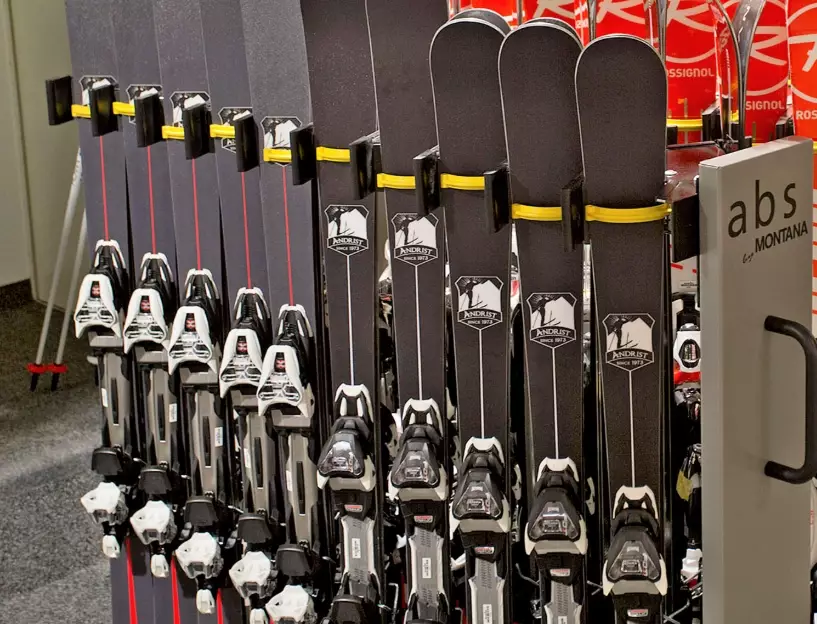
It's a volume business. Shops need to rent out their gear a certain number of days each season to turn a profit. That's why multi-day discounts are so common—they'd rather have a ski rented for 5 days at a slightly lower daily rate than risk it sitting idle.
The Price Spectrum: What's the Difference Between Budget and High-Performance?
This is where most people get confused. Almost every rental shop offers tiers. Let's decode what those tiers typically mean and what you can expect to pay. Keep in mind, these are average ranges. A fancy resort in Aspen will be at the top end; a small local hill in the Midwest will be at the bottom.
| Rental Package Tier | Typical Daily Price Range | What You Get | Who It's For |
|---|---|---|---|
| Beginner / Sport Package | $30 - $45 | Basic, forgiving skis (often shorter for easier turns), comfortable boots focused on ease of entry, standard poles. Gear is likely 2-5 seasons old but well-maintained. | First-timers, casual skiers who stick to green/blue runs, kids. The priority is comfort and ease, not speed. |
| Intermediate / Performance Package | $45 - $65 | More recent model skis (last 1-3 seasons) with better construction for stability at speed. Boots with more adjustable features for a better fit. Lighter poles. | Skiers comfortable on blue and easy black runs who want more responsiveness. Good value for most recreational skiers. |
| Advanced / Demo Package | $65 - $100+ | Current-season or high-end previous-season skis from top brands. You can often choose from different models (e.g., a carving ski vs. an all-mountain ski). High-performance boots with precise fit adjustments. | Advanced to expert skiers tackling all terrain, including moguls and powder. Also great for intermediates wanting to test-drive new tech. |
| Premium / Convenience Add-ons | Varies | Helmet rental ($10-15/day), ski pants/jacket rental, high-end goggles, boot dryers. Also includes "skip-the-line" pickup options at on-mountain locations. | Anyone wanting ultimate convenience or who forgot critical items. The helmet rental is a no-brainer for safety. |
My personal take? For the average skier, the Intermediate/Performance package hits the sweet spot. The jump from Beginner to Intermediate gives you noticeably better gear. The jump from Intermediate to Advanced is subtler and really only matters if your skiing ability can exploit the difference. Don't be upsold into demo skis if you're just cruising groomers.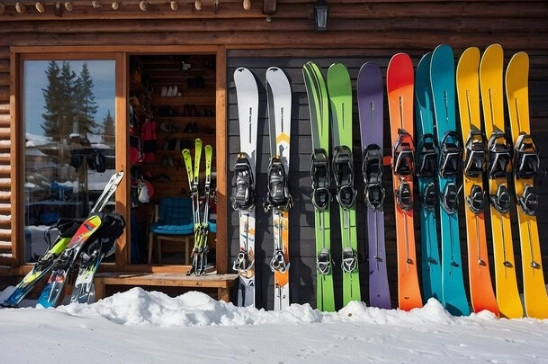
How to Find the Best Deals on Ski Equipment Rental Prices
Now for the good stuff—how to keep more money in your pocket. The sticker price is just the starting point.
Book Online, and Book Early
This is the single biggest money-saving tip. Shops always offer discounts for online reservations, often 20-30% off walk-in rates. They love the guaranteed business. Booking a week or two before your trip can unlock even deeper "early bird" discounts. I never, ever walk into a rental shop without a pre-booked reservation. It's throwing cash away.
Go Multi-Day, But Do the Math
Most shops have 3-day, 5-day, and weekly rates that lower the average daily cost. But be smart. If you're skiing 4 days, check if the 5-day rate is cheaper than paying for 4 individual days. Sometimes it is! Also, ask about "overnight" storage. Many shops let you keep the gear overnight for free (or a small fee), which is massively convenient compared to re-renting each morning.
Consider Off-Site vs. On-Site Rentals
The shop in the resort village is super convenient. You roll out of bed and get your gear. But you pay a premium for that. Shops in the nearby town, even just a 10-minute drive away, often have significantly lower ski equipment rental prices. The trade-off is time and hassle. For a family on a tight budget, the savings from an off-site rental can pay for a nice dinner.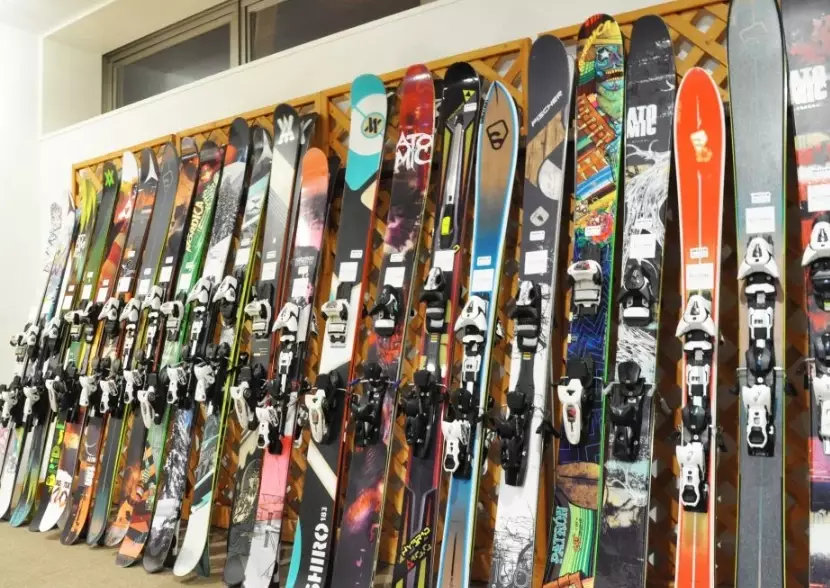
Look for Package Deals with Lodging or Lift Tickets
Many resorts and travel sites bundle rentals with lift tickets and hotel stays. Sites like Ski.com or the resort's own booking engine are good places to look. These packages can offer solid value, but always price out the components separately to be sure you're actually saving money.
The Fitting Process: Where the Real Value is Created (or Lost)
A cheap rental with a terrible fit is a waste of money. A great fitting is worth paying a bit more for. Here's what a good shop should do:
- Foot Measurement: They should measure the length and width of your foot in millimeters, not just ask your shoe size.
- Boot Selection: They should bring you a few different models within your size to try, as brands fit differently.
- Ski Length & Type: They should ask about your height, weight, and ability level to recommend an appropriate ski length and stiffness. If they don't ask, volunteer the info.
Speak up during the fitting! If a boot feels pinchy or has a pressure point, say so. A good technician can make micro-adjustments ("punching out" a spot) or try a different boot. Your feet will thank you on day three.
I had a terrible experience once where the fitter rushed me into boots that were too big. "You'll want room for thick socks," he said. Wrong. My feet swam in them, I had zero control, and my skiing was miserable. I went back the next day and insisted on a refit. The right-sized boot made all the difference. Don't be afraid to be politely persistent.
Hidden Fees and Gotchas to Watch Out For
This is the dark side of ski equipment rental prices. The advertised rate is rarely the final rate. Here’s what can pop up:
- Damage Waiver / Insurance: This is the big one. For $5-$15 per day, they waive your liability for any damage to the gear. Is it worth it? For beginners or anyone skiing trees/rocks, probably yes. For careful intermediates on groomers, maybe not. Read the fine print. Some shops include a basic waiver, others push a premium one hard. Ask what the actual cost to repair a core shot or a broken ski is if you decline.
- Taxes and Resort Fees: They're almost never included in the online price.
- Credit Card Hold: Be prepared for a large hold on your card (often $500+ per set) as a security deposit. It's released when you return the gear undamaged, but it can tie up your credit limit.
- Late Return Fees: Missing your return time by a few hours might incur a full extra day's charge.
Always, always get the total out-the-door price before you confirm your booking. A simple "Can you give me the final total with all taxes and fees?" saves surprises.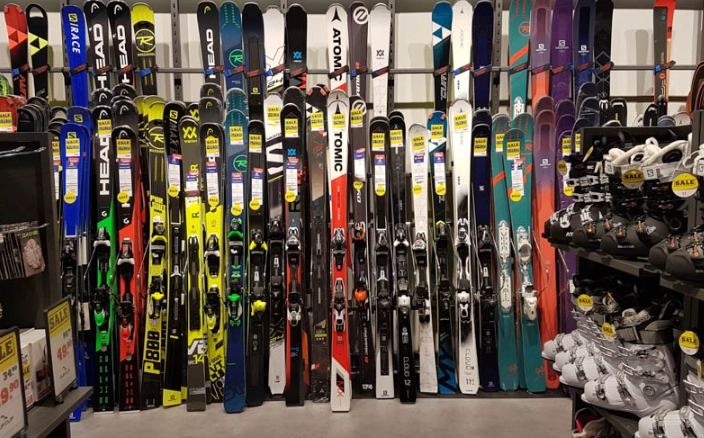
Ski Equipment Rental Prices for Families and Kids
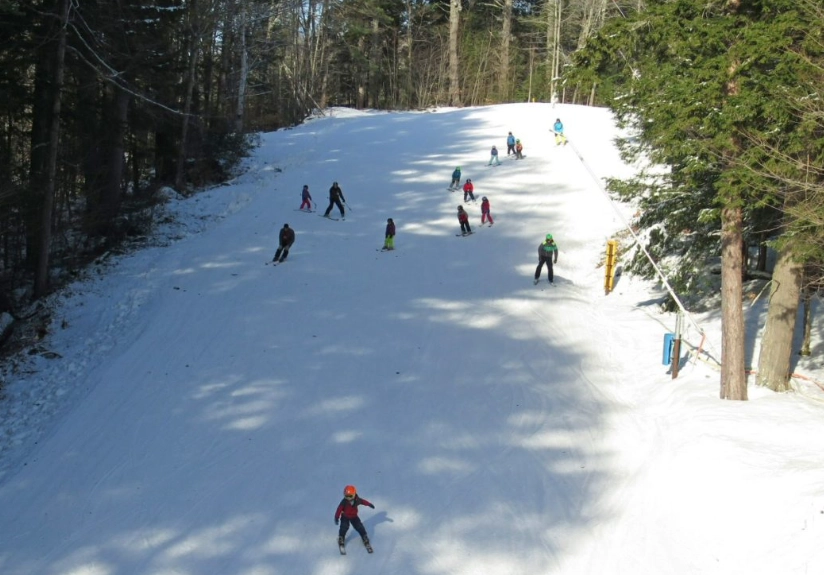
Renting for kids is a whole different ballgame. They grow out of gear every season, so renting is almost always the way to go. The good news? Kids' rental prices are usually much lower, often half the adult rate or less. Many shops offer free rentals for very young children (under 5 or 6) with a paying adult rental.
Look for shops that specialize in families. They'll have patient fitters and a good selection of kid-sized helmets. Some even offer "season-long" kid rentals for a flat fee—if you live near a hill, this can be an incredible deal.
Your Questions, Answered
Rent both. Boots are the most important piece for performance and comfort. Rental boots are designed to be adjustable and fit a range of feet. Your own snow boots or hiking boots are a disaster on skis. Always rent the boots.
Almost always, yes. The per-day rate drops significantly for 3+ day rentals. A 5-day package often costs the same as 3 or 4 individual days. Always ask for the multi-day rate.
Most shops offer this, sometimes for a small fee (like $10), sometimes for free. It's worth every penny. You avoid the morning rush and get straight on the lifts when they open.
Policies vary. Many shops offer "rain checks" or vouchers for unused days due to injury, especially if you get a note from ski patrol or a clinic. They rarely give cash refunds. Ask about their policy when you book.
Companies like Ski Butlers or Black Tie deliver premium gear to your lodging. The convenience is unbeatable, and the ski equipment rental prices are competitive with high-end on-mountain demo shops. It's fantastic for families or groups who want to avoid the rental shop entirely. For budget-conscious skiers, a local off-site shop is usually cheaper.
The Bottom Line: Getting Real Value for Your Money
At the end of the day, ski equipment rental prices are about value, not just cost. The cheapest option can ruin your trip if the gear is awful. The most expensive option might not make you ski any better.
Focus on the middle ground. Research shops online, read reviews that mention the fitting experience, and book an intermediate package in advance. A good rental experience sets the tone for your entire ski trip. It means comfortable boots that don't hurt, skis that respond when you want them to, and one less thing to worry about.
You're investing in fun, safety, and memories. A few extra dollars spent on the right rental gear is almost always money well spent. But with the tips in this guide, you can make sure those extra dollars are going towards better gear and service, not just a fancy shop logo or hidden fees.
Now go grab those reservations, and I'll see you on the slopes.
Related Articles
Comments
Join the discussion