Let's talk about ski jacket brands. You're probably here because you're staring at a dozen different tabs, all claiming to sell the "best" ski jacket, and you have no idea where to even start. I've been there. The world of ski gear can feel overwhelming, with technical jargon flying everywhere and price tags that can make your eyes water. Is a $800 jacket really five times better than a $160 one? Sometimes yes, sometimes absolutely not. It all depends on you.
Explore the Guide
This isn't just a list. We're going to dig into what makes these top ski jacket brands tick, who they're really designed for, and where you might be able to save some cash without sacrificing performance. Because let's be honest, the perfect ski jacket is the one you forget you're wearing—it just works, keeping you dry, warm, and comfortable so you can focus on the slopes.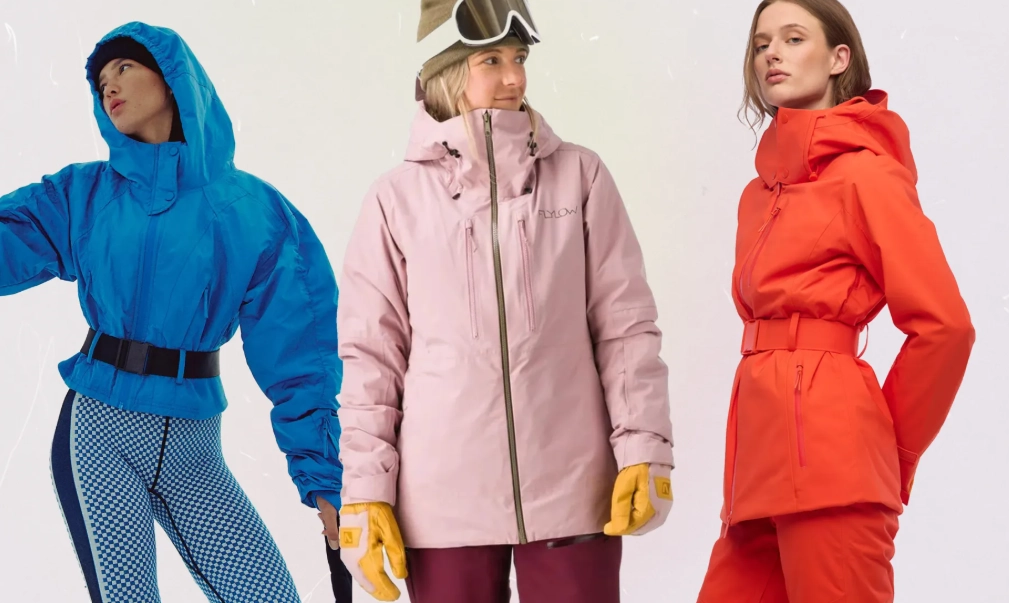
The Core Idea: The "best" ski jacket brand doesn't exist in a vacuum. The best brand for a backcountry expert charging through deep powder in Alaska is wildly different from the best brand for a family hitting the groomers at their local resort once a year. Your skill level, local conditions, budget, and even personal style all play a huge part.
The Heavy Hitters: A Deep Dive into Top Ski Jacket Brands
These are the names you see everywhere, from the chairlift to the pages of gear magazines. They've earned their reputations, but they're not all created equal.
Arc'teryx: The Precision Instrument
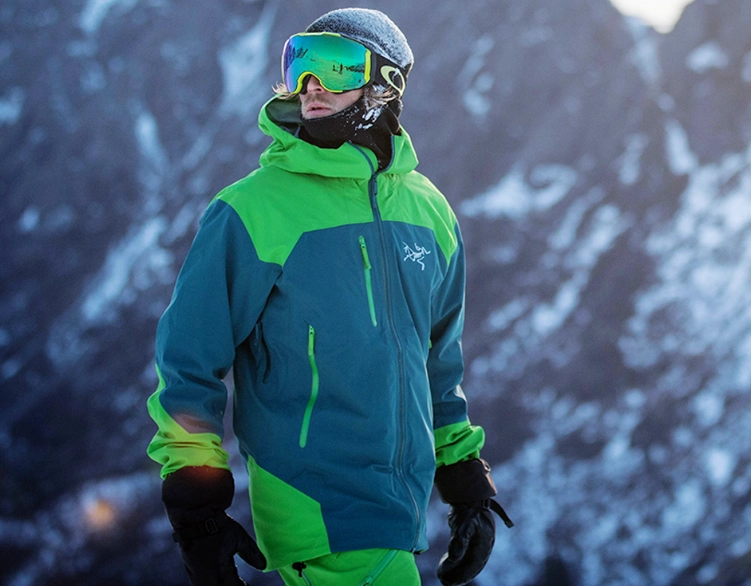
If ski jackets were cars, Arc'teryx would be the hand-built supercar. The attention to detail is insane. Every seam, every zipper, every piece of fabric is meticulously engineered. They use top-tier materials like their own N80p-X GORE-TEX 3L fabric, and the construction is simply in a league of its own. I remember unboxing my first Arc'teryx shell; the feel of the fabric and the precision of the stitching immediately explained the price tag.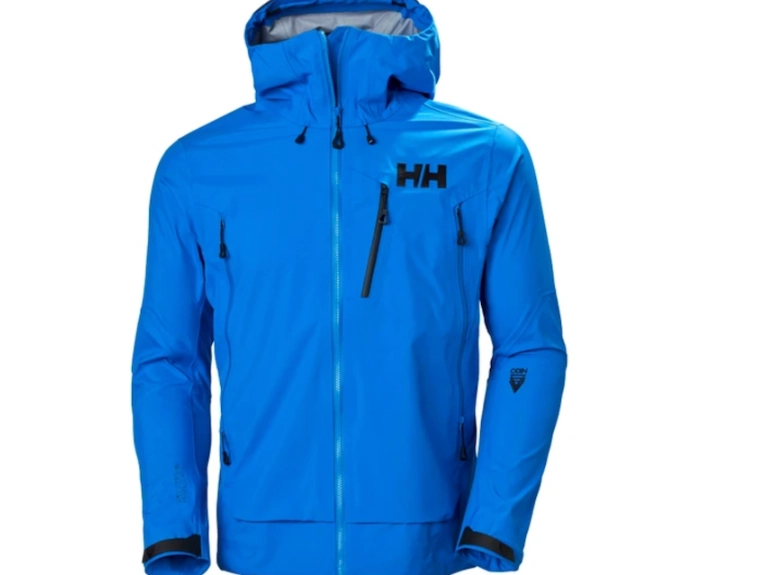
Arc'teryx at a Glance:
The Good: Unmatched build quality and durability. Incredibly technical and feature-rich. Often the lightest and most packable option in its category. A legitimate investment that can last a decade or more with care.
The Not-So-Good: The price. It's stratospheric. You're paying a huge premium for that last 5% of performance and finish. The fit is often athletic and slim, which can be restrictive for layering if you're between sizes. Some designs can feel a bit sterile or "techy" if you prefer a more casual look.
Who it's for: The serious skier or rider for whom performance is non-negotiable. Backcountry enthusiasts, professional guides, and anyone who views their gear as critical equipment. If your jacket is a tool for serious missions, this is a top-tier choice. If you're a weekend warrior, the cost might be hard to justify. You can explore their technology ethos on their official Arc'teryx website.
Patagonia: The Conscientious All-Rounder
Patagonia is a different beast. Yes, they make phenomenal technical gear—their Powder Town and SnowDrift jackets are legitimately excellent for resort skiing. But you're buying into an ethos as much as a product. Their commitment to sustainability, fair trade, and environmental activism is woven into everything they do. They use recycled materials extensively (like their NetPlus® fabric made from recycled fishing nets) and their Ironclad Guarantee and Worn Wear repair program are industry-leading.
I sent a 7-year-old Patagonia shell in for a ripped seam, and they repaired it for free, no questions asked. That kind of policy builds insane brand loyalty.
Who it's for: The environmentally conscious skier who wants high performance without the environmental guilt. The person who values durability and a company's repair policy. Their fit is generally more relaxed and forgiving than Arc'teryx, making them great for a wider range of body types. They offer fantastic value in the mid-to-high price range. For insights into their material science and environmental goals, their Our Footprint page is a great resource.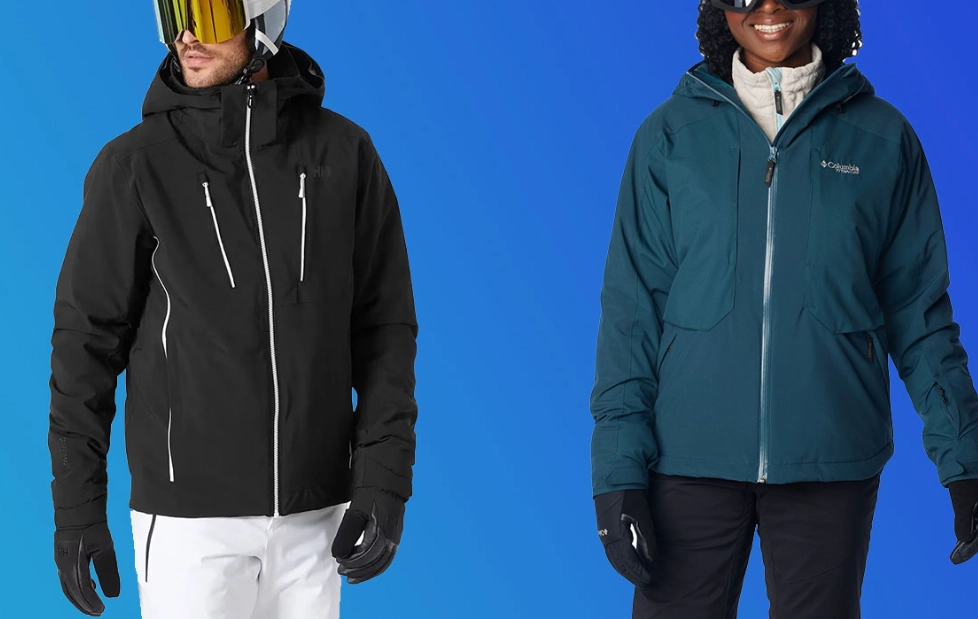
Helly Hansen: The Offshore Proven Legend
Born in Norway for sailors facing the North Sea, Helly Hansen knows a thing or two about staying dry in horrific conditions. Their HELLY TECH® waterproof/breathable fabrics are some of the most trusted in the world. They have a distinct Scandinavian style—clean, functional, and often a bit more colorful. What I love about HH is their breadth. They have everything from ultra-affordable resort jackets to professional-grade alpine shells.
Their Lifa Infinity® moisture-wicking base layer technology is legendary, and that expertise in managing moisture and temperature translates directly to their ski jackets.
Who it's for: Skiers who prioritize core performance—keeping dry and warm—above all else. Great for wet, coastal snow climates (think Pacific Northwest). They offer strong value across their range. If you see a lot of rain or wet snow, a Helly Hansen jacket with their top-tier HELLY TECH® fabric should be high on your list.
The North Face, Salomon, Columbia & More: The Accessible Performers
This is where most people find their sweet spot. These brands dominate the market by offering compelling blends of technology, style, and price.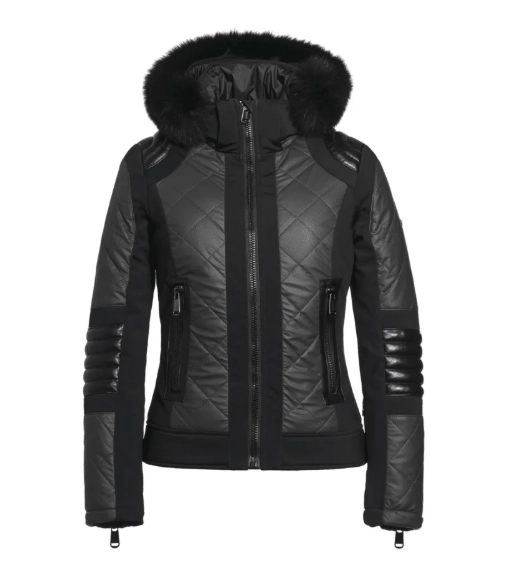
- The North Face: A true giant. They innovate heavily (like their FutureLight™ fabric) and have jackets for every possible niche, from park rats to summit chasers. Their ThermoBall™ synthetic insulation is a fantastic alternative to down, retaining heat even when wet. You're getting proven performance with massive brand recognition. Check out their innovation hub, The North Face Exploration Fund, to see their commitment to pushing boundaries.
- Salomon: Don't sleep on Salomon. As a ski and boot powerhouse, their apparel is designed with direct feedback from world-class athletes. The fit is usually ski-specific (allowing for mobility), and their designs are sleek and modern. They often incorporate features like minimalist, integrated powder skirts that just make sense.
- Columbia: The king of value and family gear. Their Omni-Heat™ thermal reflective lining (the silver dots) is genuinely effective and a great differentiator. For the price, you get a ton of features and reliable waterproofing. If you're on a tight budget, need to kit out multiple people, or are a casual skier, Columbia is a fantastic place to start. You simply get more jacket for your money.
So, with all these options, how do you actually choose? Let's move past the brand names and talk about what really matters.
How to Choose: It's More Than Just a Logo
Forget the marketing for a second. Your decision should hinge on a few key pillars. I like to think of it as a filter: run potential jackets through these questions.
1. Warmth Level & Insulation: Shell, Insulated, or Something Else?
This is the biggest fork in the road.
Pro Tip: The most versatile system for most dedicated skiers is a high-quality waterproof shell paired with separate, adjustable layers (fleece, insulated vest, down sweater) underneath. This gives you maximum control over your temperature from the first chair on a frigid morning to a spring skiing afternoon.
- Shell Jackets: Just a waterproof/breathable outer layer with no built-in insulation. Maximum versatility. Great for variable conditions, spring skiing, or if you run hot. Most high-end technical jackets from brands like Arc'teryx and Patagonia are shells.
- Insulated Jackets: Have synthetic or down fill built in. Simpler—just throw it on and go. Warmer for less bulk. Ideal for consistently cold conditions, resort skiers who want convenience, or beginners. Can be less versatile if the day warms up.
- 3-in-1 Systems: A shell with a removable inner insulated liner. Tries to offer the best of both worlds, but often compromises on the quality of each component. Can be bulky. Great for someone who wants one jacket for everything, but serious skiers often outgrow them.
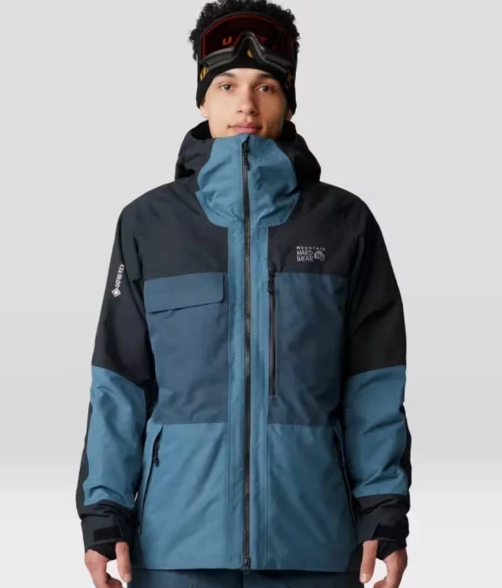
2. Your Budget: Where to Splurge and Where to Save
Be real with yourself. A jacket is one part of an expensive sport.
| Budget Range | What to Expect | Brand Examples | Best For |
|---|---|---|---|
| $150 - $300 | Solid waterproofing (e.g., 10k/10k ratings), basic features, often insulated. May use older fabric tech or have less durable construction. | Columbia, DC Shoes, some Helly Hansen & The North Face | Casual skiers, families, first-time buyers, or a spare jacket. |
| $300 - $600 | The sweet spot for most. Excellent waterproofing (e.g., 20k/20k), modern fabrics (2L/3L), thoughtful features (goggle pockets, helmet-compatible hoods), good durability. | Patagonia (sale items), Salomon, The North Face, Helly Hansen, Picture Organic | Regular skiers who want reliable, feature-rich performance. |
| $600+ | Cutting-edge materials (GORE-TEX Pro, proprietary tech), ultralight/strong construction, exceptional fit and finish, often from niche or summit-focused brands. | Arc'teryx, top-end Patagonia, Norrøna, Flylow, Trew | Experts, backcountry enthusiasts, gear obsessives, those for whom weight/performance is critical. |
My advice? If you ski more than 5 days a year, invest in the $300-$600 range. The jump in performance, durability, and comfort from a $200 jacket is massive. The jump from a $600 to an $800 jacket is much more subtle.
3. Waterproof & Breathability Ratings: Decoding the Numbers
You'll see numbers like 10,000mm/10,000g. Let's demystify this.
- Waterproof Rating (mm): The pressure of water the fabric can withstand before leaking. 10,000mm is a good minimum for skiing. 20,000mm is excellent for all but the wettest, most abusive conditions. 30,000mm+ is bombproof (think GORE-TEX Pro).
- Breathability Rating (g): How many grams of vapor (sweat) can pass through a square meter of the fabric in 24 hours. Higher is better. 10,000g is decent; 15,000g+ is very good.
Watch Out: These ratings are lab tests for the fabric alone. The real-world performance depends massively on construction—fully taped seams are non-negotiable! A jacket with 20k fabric but poorly taped seams will leak faster than a jacket with 10k fabric and perfect seams.
For most resort skiers, a rating of 15,000mm/15,000g is more than sufficient. For deep powder days, tree skiing, or backcountry where you'll be brushing against snow constantly, aim for 20,000mm+. The GORE-TEX website is a definitive resource for understanding these membrane technologies.
Beyond the Big Names: Niche & Sustainable Ski Jacket Brands
The landscape of ski jacket brands isn't just the big players. Some fantastic smaller brands focus on specific niches or push sustainability even further.
- Picture Organic: A French brand that's all-in on eco-materials. Their entire line is made from recycled fabrics, bio-based membranes, and PFC-free DWR treatments. The style is fresh and trendy, and the performance is seriously good for the price.
- Flylow & Trew: These are your "skier-owned" brands. Born in the mountains (Colorado and Oregon, respectively), they design gear specifically for the hardcore, all-mountain, and backcountry skier. They often have more generous, functional fits and unique colorways. They feel like they're made by people who actually ski every day.
- Norrøna: The Scandinavian answer to Arc'teryx. Incredibly high-quality, technical, and durable, with a distinct Nordic aesthetic and a fierce commitment to sustainability. Their lofoten and trollveggen lines are iconic among alpinists.
Exploring these niche ski jacket brands can often net you a more unique product and the feeling of supporting a smaller operation.
Your Questions, Answered (The FAQ Section)
Let's tackle some of the specific questions buzzing in your head right now.
My take: For a dedicated ski jacket where you might sweat or encounter wet snow, synthetic is often the more practical, worry-free choice. Down is fantastic for very cold, dry climates or for a separate layer under a shell.
- Helmet-Compatible Hood: Non-negotiable. It must fit over your ski helmet snugly and have adjustable toggles to cinch it down in wind.
- Powder Skirt: A must for any off-piste or deep snow skiing. Keeps snow from shooting up your back during a fall.
- Pass Pocket (Sleeve or Chest): A dedicated, easy-to-access spot for your lift pass. Sleeve pockets are often RFID-friendly.
- Venting Zippers (Pit Zips): The single best way to dump heat fast on a climb or a warm day. Core vents are a bonus.
- Goggle Pocket: A soft, fleece-lined pocket to stash your goggles without scratching the lenses.
Features like built-in audio pockets or excessive numbers of tiny pockets are nice-to-haves, not essentials.
- Wash it! Dirt and body oils clog the membrane's pores, killing breathability. Use a technical detergent like Nikwax Tech Wash or Grangers Performance Wash. Never use regular detergent or fabric softener.
- Reapply DWR: The water-repellent coating on the outside wears off. When water stops beading up and starts soaking in ("wetting out"), wash it, then tumble dry on low heat. The heat reactivates the DWR. If that fails, use a spray-on or wash-in DWR renewer product.
- Store it loosely: Don't cram it in a stuff sack for months. Hang it in a cool, dry place.
Wrapping this all up.
Final Thoughts: Cutting Through the Noise
Choosing among the myriad of ski jacket brands ultimately comes down to aligning a product's strengths with your personal needs. Don't buy an Arc'teryx Alpha SV because it's "the best" if you're a resort skier—that's like buying a Formula 1 car for your commute. You'll pay for capabilities you'll never use.
Start with your use case. Be honest about your budget. Then, look for the brand that consistently delivers the right blend of waterproofing, breathability, features, and fit for that scenario. Try them on if you can. Feel the fabric, test the zippers, move around in it.
The perfect ski jacket is out there. It might be a sustainably-made shell from Patagonia, a value-packed workhorse from Columbia, or a precision tool from Arc'teryx. By understanding what these brands truly offer, you can move past the hype and make a choice you'll be happy with for seasons to come. Now go enjoy the snow.
Related Articles


Comments
Join the discussion