Explore the Sections
- The Brains Behind the Brand: It Starts with Jason
- Where Are J Skis Actually Made? The Factory Truth
- Navigating the J Skis Lineup: Which One is For You?
- How to Buy J Skis and What to Expect
- J Skis vs. The Big Brands: What's the Real Difference?
- Frequently Asked Questions (The Stuff You're Actually Searching For)
- The Final Run: So, Should You Buy a Pair?
So you're standing in a ski shop, or maybe scrolling online, and you see these wild-looking skis with graphics that make you do a double-take. Bomber construction, names like "The Friend" and "The Vacation," and a personality that jumps right out at you. The burning question hits: who makes J Skis? Is it some massive corporation, a faceless factory overseas, or something else entirely?
Let's cut right to the chase. J Skis are made by a company called, well, J Skis. But that's like saying a great meal is made by a restaurant. The real story is in the kitchen. And in this case, the kitchen is run by a guy named Jason Levinthal. You might know him as the founder of LINE Skis back in the day. After he left LINE, he didn't just retire. He got the band back together, but this time on his own terms, with total control. That's the genesis of J Skis.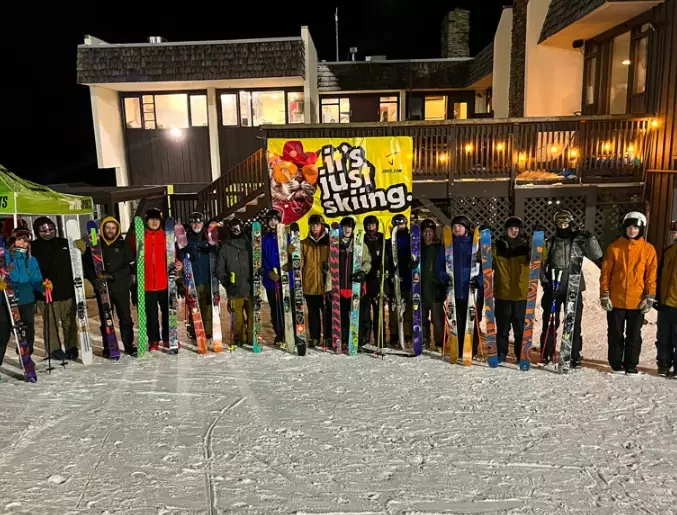
The Core Answer: J Skis is an independent, owner-operated ski company founded and run by Jason Levinthal. The skis are designed in their studio in Burlington, Vermont, and manufactured through a partnership with a premier ski factory in Quebec, Canada. This isn't a side project for a big conglomerate; it's the main event for a small team of ski obsessives.
I remember the first time I clicked into a pair of their Allplays. It was in Utah, a foot of fresh over a soft base. The ski had this chatter-dampening feel you'd expect from a metal-laminate charger, but it was playful and easy to pivot in the trees. It felt... intentional. Like someone had skied a million days, found all the flaws in other skis, and built this thing to fix them. That feeling, that's what you're buying into. You're not just buying a product from a manufacturer; you're buying into a very specific vision of what a ski should be.
The Brains Behind the Brand: It Starts with Jason
If you're asking "who makes J Skis?", you have to start with Jason Levinthal. His fingerprints are on every single aspect of the brand. This isn't a figurehead CEO. He's in the design studio, he's on the factory floor in Quebec, he's answering emails from customers, and he's definitely skiing on his own products every chance he gets.
His background is crucial. He founded LINE Skis in the 1990s, which basically helped pioneer the modern twin-tip and the entire freeskiing movement. After selling LINE, he had a non-compete clause. The moment it expired, he launched J Skis in 2013. The "J" stands for Jason, but he'll tell you it also stands for the skier in all of us. A bit cheesy? Maybe. But you believe it when you talk to him or read his product descriptions. The passion is unmissable.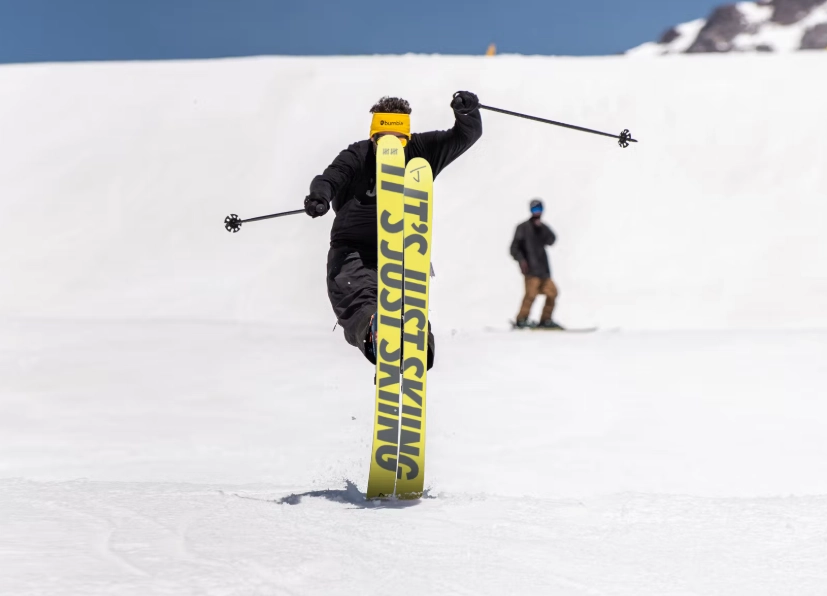
The goal was never to be the biggest. It was to make the best skis we possibly could, have fun doing it, and connect directly with the people riding them. Everything else is noise.
This direct-to-consumer, founder-led model is the antithesis of how most ski companies operate today. There's no board of directors demanding a new model every year. If a ski is great, it stays in the line. They tweak it, they improve it, but they don't change it just for marketing's sake. That's a huge deal in an industry obsessed with the "new new."
The Team and The "Family" Vibe
Jason isn't a one-man show. The small team around him includes other industry veterans, designers, and customer service folks who all share the same ethos. They operate more like a tight-knit crew or a family business than a corporate entity. When you call with a question, you might get the head of sales. When you email about a graphic, Jason himself might reply.
This has pros and cons. The pro is an insane level of care and attention to detail. The con? They're not a massive operation. Limited runs and sold-out models are common, which can be frustrating if you hesitate on a purchase. I've missed out on a graphic I loved because I waited a week too long. Lesson learned.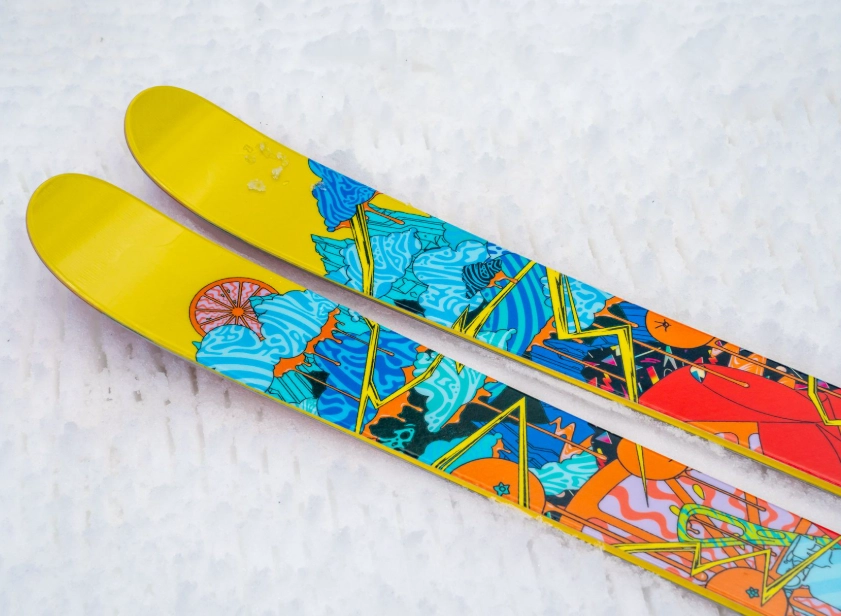
Where Are J Skis Actually Made? The Factory Truth
Here's where a lot of people get tripped up. The design heart is in Vermont, USA. But the physical manufacturing of the skis happens across the border at a factory in Quebec, Canada. This is a point of pride for them, not something they hide.
Why Canada? Why not the US or Austria? The factory they partner with is one of the best in the world, known for its craftsmanship and ability to handle complex layups and builds. It's the same factory that has produced skis for several other top-tier, boutique brands over the years. For a company of J Skis' size, building their own factory from scratch would be financially impossible and would likely compromise quality. Partnering with experts lets them focus on design and customer experience.
Key Fact: The factory utilizes a multi-layer torsion box construction for many J Skis models. This method, which involves wrapping the core in fiberglass before adding other layers, creates a incredibly damp and powerful feel while maintaining good energy. It's a more labor-intensive process, but it's a hallmark of their performance.
The process isn't fully automated. There's significant handwork involved in laying up the materials, aligning cores, and finishing the skis. This is part of what you pay for. You're not getting a ski spat out by a robot on a line churning out 100,000 pairs a year. You're getting a ski that someone physically handled and inspected multiple times.
Materials and Build Philosophy
J Skis doesn't skimp. They use Paulownia wood cores (light and poppy), often with strips of Aspen or other woods for tuning the flex. They use triaxial fiberglass, sometimes with carbon stringers for added pop and precision. Their top-end models, like the Masterblaster, feature metal laminates (titanal) for that ultimate damp, charger feel.
But here's a personal opinion: where they really excel is in the dampness-to-playfulness ratio. A lot of small brands make lively, poppy skis. A lot of big brands make damp, stable skis. J Skis, in my experience, manages to blend the two in a way that feels unique. The Allplay is the perfect example—surprisingly stable for a park-oriented twin, yet ridiculously easy to butter and slide.
They also have complete control over their graphics, which are a massive part of their brand identity. They work with artists to create limited-run topsheets. This leads to another common question...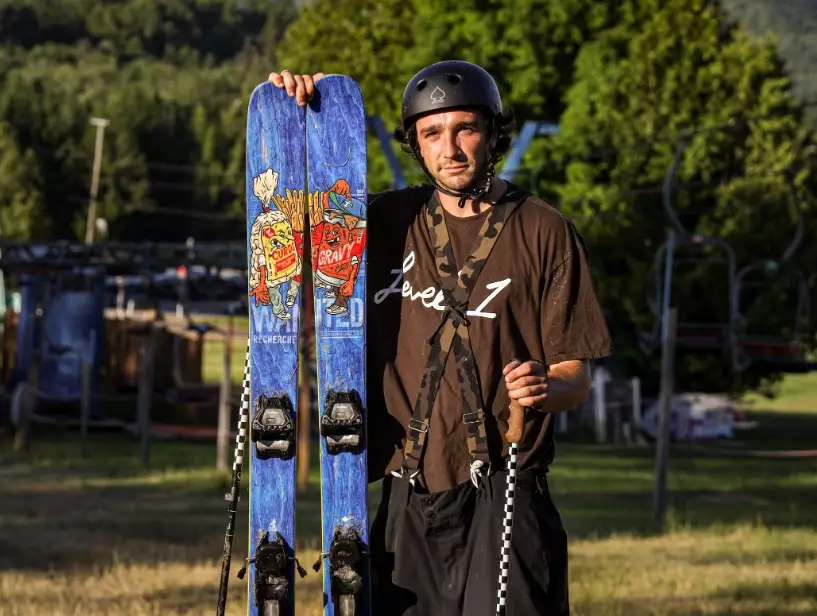
Navigating the J Skis Lineup: Which One is For You?
Figuring out who makes J Skis is one thing. Figuring out which of their skis to buy is the next logical step. Their lineup is curated, not overwhelming. They have a tool for every job.
| Ski Model | Category / Best For | Key Characteristics | My Take (For What It's Worth) |
|---|---|---|---|
| The Vacation | Powder / All-Mountain Freeride | 116mm waist, significant rocker, surfy feel. Built for deep days and fun lines. | An absolute blast in soft snow. Not a hard-charging pow missile, but a playful, intuitive surfboard. Loves to slash and play. |
| The Friend | All-Mountain / Daily Driver | 104mm waist, directional twin. The "quiver of one" for many. Balanced, versatile, dependable. | Probably their most popular ski for a reason. Does everything well from groomers to 6" of fresh. No drama, all fun. |
| Masterblaster | Frontside / Hard-Snow Charger | 96mm waist, metal laminate, traditional camber. Built for speed, grip, and power on firm snow. | A beast. If you want to rail trenches on icy mornings, this is your ski. Demands attention and good technique. |
| Allplay | Park & Playful All-Mountain | 98mm waist, true twin, symmetrical flex. For park laps, butters, and a playful attitude everywhere. | My personal favorite. The stability they built into a park ski is genius. Handles speed way better than it should. |
| Slacker | All-Mountain / Freestyle | 92mm waist, lightweight twin. A narrower, more accessible version of the Allplay philosophy. | Great for progressing park skiers or lighter riders who want a playful daily driver. Forgiving and fun. |
The table gives you a snapshot, but you really need to read the descriptions on their site. They're hilariously honest. They'll tell you if a ski is demanding, or if it's not meant for beginners. That transparency is refreshing.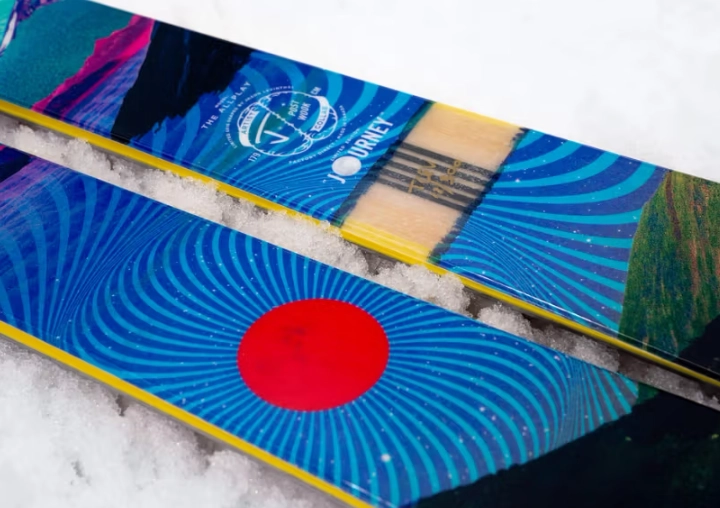
I made the mistake once of buying the Masterblaster thinking it would be a firm-snow-oriented "all-mountain" ski. It is not. It is a dedicated hard-snow weapon. It punished my lazy technique on choppy afternoons. I sold it and got The Friend. Problem solved. Know your ability and be honest about how you ski.
How to Buy J Skis and What to Expect
This is a key part of the "who makes J Skis" story. You primarily buy them direct from the J Skis website. This cuts out the middleman (the retail shop) and lets them keep more margin, which they arguably put back into materials and construction. It also means you won't find them at every local shop, though a select few specialty retailers do carry them.
The buying experience is different. You're dealing directly with the source. Their customer service is legendary. Have a question about mount point? They'll give you a detailed answer. Worried about sizing? They'll tell you. They even have a pretty generous demo program in some areas, which is rare for a DTC brand.
But there's a catch. The direct model means you can't always go touch and flex the ski before you buy. You have to rely on reviews, specs, and their guidance. For some skiers, that's a dealbreaker. For others, it's part of the charm of buying from a niche brand.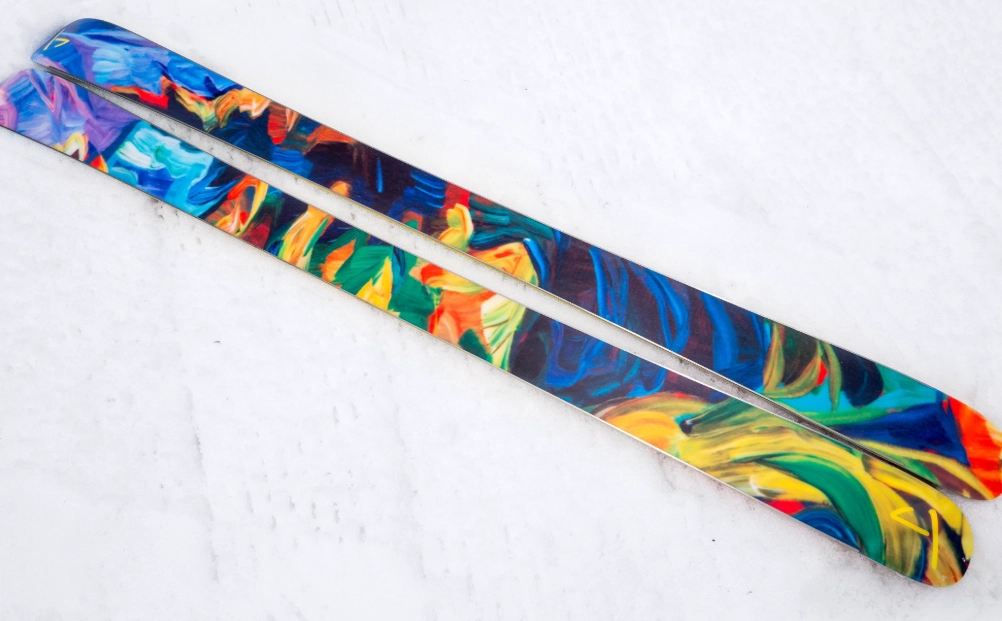
Heads Up: Because they do limited runs, especially of specific graphics, popular sizes sell out fast. If you see something you like in your size, don't sleep on it. I've learned this the hard way more than once.
Warranty and Customer Care
They offer a standard warranty against manufacturing defects. But their reputation is built on going beyond the paperwork. Stories are abundant online of them helping customers with issues that a bigger company would dismiss as "user error" or "normal wear and tear." They understand that their customers are their best marketers.
This is a huge part of the value proposition. You're not just buying a ski; you're buying into a relationship with a company that will likely have your back.
J Skis vs. The Big Brands: What's the Real Difference?
So why choose a J Ski over a Salomon, Atomic, or K2? Those big brands make excellent skis, often in state-of-the-art factories. I own skis from big brands and love them.
The difference isn't necessarily pure quality—it's character and priorities.
- Design by Committee vs. Design by Vision: Big brands design skis to hit specific price points and sell to the broadest market. J Skis designs skis that Jason and his team want to ski on. The focus is on feel and fun, not mass-market appeal.
- Innovation vs. Refinement: Big brands chase the next big material (hollow edges, graphene, etc.). J Skis tends to master and refine proven constructions (wood cores, fiberglass, metal). Their innovation is in the blend and tuning.
- Anonymity vs. Connection: When's the last time you emailed the head of product at Rossignol and got a reply? With J Skis, that connection is the norm.
It's the difference between buying a mass-produced sports car and buying one from a small, passionate tuner shop that hand-builds each one. Both are fast, but one has a soul you can feel.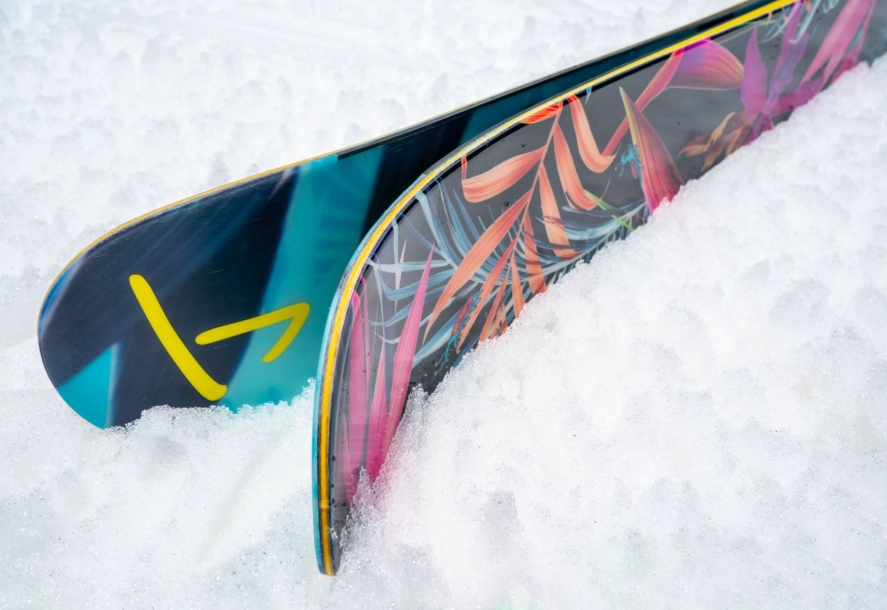
Frequently Asked Questions (The Stuff You're Actually Searching For)
They collaborate with various artists. Some graphics are limited runs from specific artists, others are designed in-house. The graphic is a core part of the product, not an afterthought.
I get asked 'who makes J Skis?' all the time. The simple answer is we do. Me, the team here, the craftsmen in Quebec. But the more complex answer is that the skier helps make them too. Their feedback, their stories, their passion—that gets baked into every new design.
And that, maybe, is the most complete answer to the question of who makes J Skis.
The Final Run: So, Should You Buy a Pair?
Look, I'm not here to sell you anything. I'm just a guy who loves skiing and geeking out about gear. J Skis aren't for everyone. If you want the absolute lightest touring ski, look elsewhere. If you need the reassurance of buying from a giant brand you see at the Olympics, this isn't it.
But if you want a ski with palpable soul, built by people who live and breathe the sport, and you appreciate a direct connection to the source, then J Skis is absolutely worth a long, hard look.
Understanding who makes J Skis—Jason Levinthal and his dedicated crew—explains everything about the product. The quirks, the strengths, the limited availability, the insane customer service, and the unmistakable feel underfoot all stem from that simple fact. It's one person's vision of perfect ski fun, executed at a high level, and shared directly with you.
That's a pretty compelling story to take to the mountain.
Related Articles

Comments
Join the discussion