Quick Navigation
- What Exactly Are Custom Graphic Skis Anyway?
- The Nuts and Bolts: How The Custom Ski Design Process Works
- The Big Question: How Much Do Custom Graphic Skis Cost?
- Durability: Will My Beautiful Creation Last?
- Who Actually Does This? A Look at Top Custom Ski Graphic Brands
- The DIY & Alternative Routes
- Answering Your Burning Questions (The FAQ We All Need)
- Final Thoughts: Should You Pull the Trigger?
Let's be honest. Staring at a rack of skis, or scrolling through endless online shops, can feel a bit... samey. You see the same three colorways from every major brand, maybe a slight pattern change year to year. For a sport that's all about personal expression and freedom, your gear shouldn't be a cookie-cutter copy of your buddy's. That's where the idea of custom graphic skis hooks you. The promise of a one-of-a-kind top sheet, a design that screams "you" as you carve down the mountain. It's incredibly appealing.
But then the questions hit. How does it even work? Is it just a sticker? Will it last? Is it a total wallet-buster reserved for pros? I've been down this rabbit hole myself. A few years back, I had a disastrous attempt at a DIY top sheet design that looked great in the software and like a faded, blurry mess in real life. Lesson painfully learned.
This guide is what I wish I had. We're going to strip away the marketing gloss and talk plainly about what custom graphic skis really are, how to get them, what they cost, and whether they're worth it for you. No fluff, just the facts, some hard-won opinions, and a roadmap to getting your dream sticks.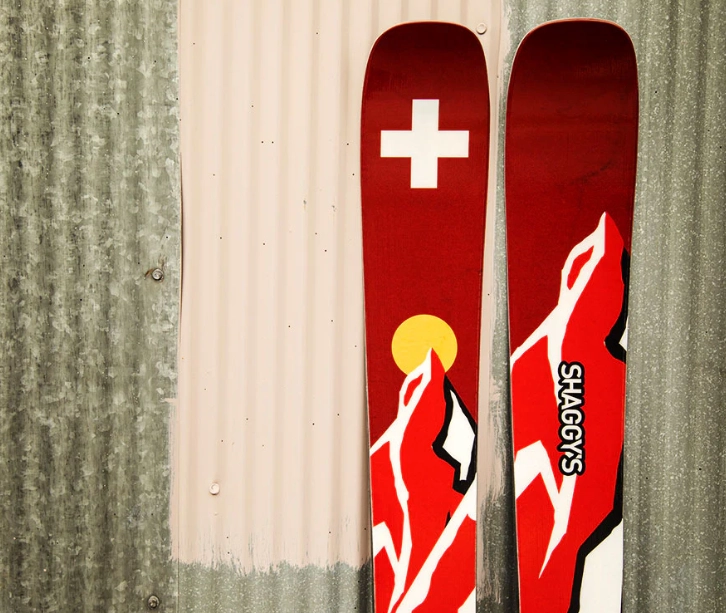
What Exactly Are Custom Graphic Skis Anyway?
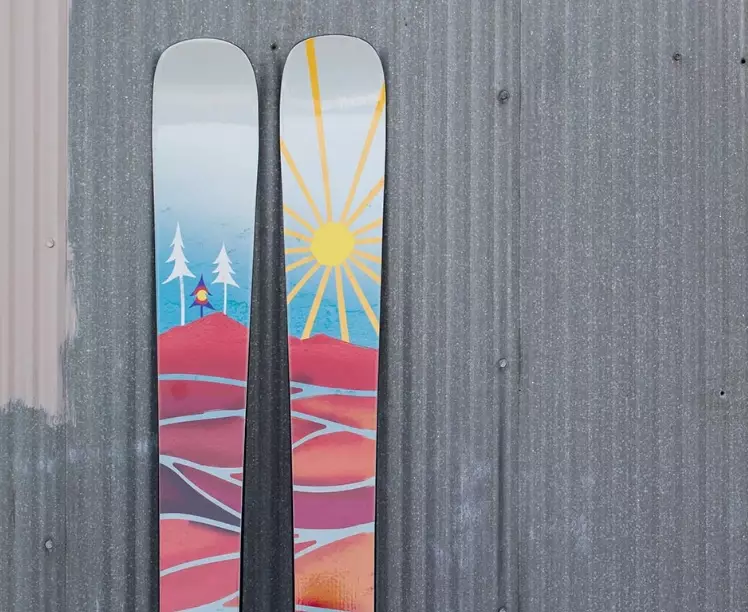
It's not just a vinyl wrap you slap on. At its core, a custom graphic ski means the visual layer on top of the ski—the top sheet—is created from a design you provide or co-create. This design is then integrated into the manufacturing process, becoming a permanent part of the ski's structure. It's under a clear, durable laminate. Think of it like the factory paint job on a car versus a decal.
The graphic isn't an afterthought; it's baked into the ski's identity from the moment the layers are pressed together.
This is different from getting skis and then having them wrapped at a local shop. That's a service too, and it has its place (more on that later), but true custom graphic skis from a manufacturer are a different beast. The quality and integration are usually superior.
Why do people go for it? The reasons are as varied as the designs themselves.
- Uniqueness: This is the big one. Your skis become a signature. No one else will have them.
- Personal Meaning: A landscape from your home mountain, your kid's artwork, a tribute to a favorite band, abstract art you love. It transforms gear into a personal artifact.
- Team or Business Identity: Ski patrol teams, backcountry guides, or small brands often use custom ski graphics to build a cohesive, professional look.
- Just Because You Can: Hey, it's cool. There's no shame in wanting something beautiful and unique for the sheer joy of it.
The Nuts and Bolts: How The Custom Ski Design Process Works
This is where the magic and the frustration can happen. The process varies by brand, but it generally follows a similar path. Don't expect to just email a JPEG and get skis next week. It's a collaboration.
Step 1: Choosing Your Canvas (The Ski Model)
You can't just design a graphic in a vacuum. First, you need to pick the actual ski model. Are you getting a custom graphic on a park ski, a big mountain charger, or a lightweight touring board? This is the most important decision, as the ski's performance affects your fun way more than its looks. Get the right ski for your style first, then make it pretty.
Step 2: The Design Phase – Where Ideas Meet Reality
This is the fun part. Brands offer different levels of control:
- Full DIY Upload: You use their online template (a digital outline of the ski shape) and upload your finished design file. This requires graphic design skills and knowledge of print-ready files (high-resolution, correct color profile, vector files are best).
- Collaborative Design: You provide ideas, sketches, photos, or mood boards, and an in-house designer works with you to create the final graphic. This is the most common and user-friendly path.
- Template Customization: The brand has a set of base designs where you can change color palettes, add text, or move elements around. Less unique, but much simpler.
I made the mistake in my first attempt of using a low-resolution photo. On screen, it looked okay. Printed large-scale on a ski, it was pixelated and soft. The folks at the Snowsports Industries America (SIA) website have resources on materials and printing, which indirectly highlights why using pro-ready files matters for durability and clarity.
Step 3: Proofing and The Waiting Game
You'll get a digital proof to approve. Check every detail—spelling, alignment, colors. Colors on your screen won't match print perfectly, but a good manufacturer will manage expectations. Once approved, your skis join the build queue. This isn't Amazon Prime. Lead times for custom graphic skis can range from 4 weeks to 3+ months, especially during the pre-season rush. Patience is part of the package.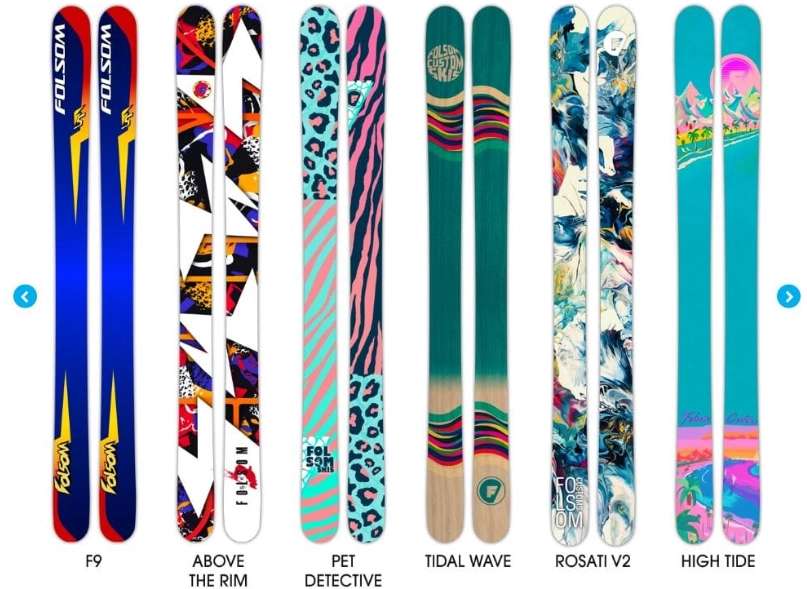
The Big Question: How Much Do Custom Graphic Skis Cost?
Let's talk money. The premium for customization is real, but it's not always astronomical.
You're typically looking at the base price of the ski model plus a customization fee. This fee can range from as low as $50 for a simple color swap on a template to $300-$600+ for a fully original, from-scratch design. Some ultra-boutique makers have the custom price baked in.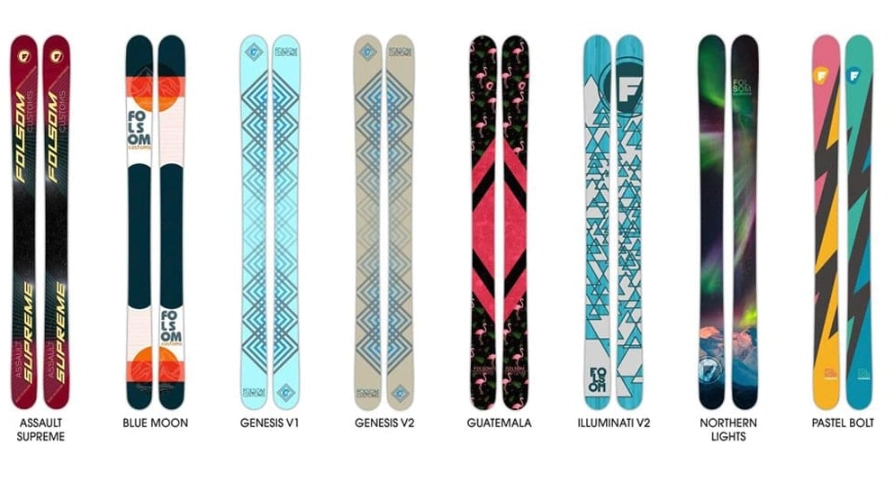
Here’s a rough breakdown comparing it to the aftermarket wrap option:
| Customization Method | Typical Cost Added | Pros | Cons |
|---|---|---|---|
| Factory Custom Graphic (e.g., J Skis, Icelantic, Wagner) | $200 - $600+ | Permanent, high-quality laminate, part of ski structure, best durability. | Highest upfront cost, long lead time, design process can be involved. |
| Aftermarket Vinyl Wrap (applied by a specialty shop) | $150 - $400 | Can be done to any existing ski, faster turnaround, can be removed/changed. | Vinyl can scratch, peel, or fade faster than factory laminate. Seam/edge adhesion is a potential failure point. |
| DIY Top Sheet with a Brand's DIY Tool | $50 - $200 | Most affordable path to true custom, full control for designers. | You are 100% responsible for design file quality. Steep learning curve. |
So, are custom graphic skis worth it? If you view skis as a long-term investment and personal expression is a huge part of the sport for you, absolutely. If you beat the absolute tar out of your gear every season or are on a tight budget, maybe stick with a killer stock graphic for now.
Durability: Will My Beautiful Creation Last?
This is the anxiety that keeps people up at night. You're spending all this money and emotional energy—will a chairlift scrape ruin it?
The good news: A factory-laminated custom graphic is as durable as any stock ski graphic. It's the same materials and process. It will scratch and scuff with normal use, just like any ski. The graphic is protected by a clear, hard top layer. I've seen decade-old custom skis where the graphic is faded and scratched, but it's no worse for wear than any other ski of that age. The structural integrity of the ski is completely separate from the graphic layer.
For peace of mind, you can look into the standards for ski construction. Organizations like ASTM International publish test methods for ski integrity (like flex and impact resistance), which indirectly assures you that the core build is sound, regardless of the pretty picture on top.
Who Actually Does This? A Look at Top Custom Ski Graphic Brands
Not every brand offers true customization. Here's a quick, opinionated rundown of some standout players, from the well-known to the niche gems.
The Community Favorites
J Skis are legendary for their art-first approach. They work with artists and give you a ton of template options, but also offer a true custom program. Their process is refined and they know how to translate art onto skis. You're paying for that expertise.
Icelantic has built their brand on stunning, nature-inspired graphics. Their custom process is more collaborative and leans towards adapting their artistic style to your ideas, which can be great if you're aligned with their vibe.
The Boutique Builders
Wagner Skis out of Colorado is a perfect example of the bespoke experience. You talk directly to the craftsmen. You can customize everything—core, flex, shape, and of course, a fully custom graphic. It's as personal as it gets, with a price tag to match.
Praxis Skis offers a robust DIY upload tool for the confident designer, plus collaborative options. They're known for performance in big mountain and variable conditions, so you're getting a serious ski under your art.
Faction Skis has dipped in and out of custom programs. When available, it's often a mix of curated artist collabs and limited custom slots. Worth checking their site seasonally.
And then there are the local heroes. A quick search might reveal a small-scale builder in your region or country. Supporting them can lead to an even more direct and rewarding process.
The DIY & Alternative Routes
Maybe the full factory custom route isn't for you. That's okay. There are other ways to get a unique look.
Aftermarket Wraps: Companies like Slydog Prints or even local sign/wrap shops can apply a vinyl graphic to your existing skis. The pros are speed and reversibility. The cons? I've seen wraps bubble at the edges after a season. They can be more vulnerable to deep scratches that cut the vinyl. It's a great option for a few seasons of flair, but don't expect it to last the lifetime of the ski.
The "Art Project": Some people sand down their old top sheet and use marine-grade epoxy, acrylic paints, and clear coats to create a truly hand-painted look. This is a major project with a high risk of a messy outcome, but the reward for a skilled painter is unmatched authenticity. There are forums on Teton Gravity Research (TGR) where people document these projects—a great resource for the brave.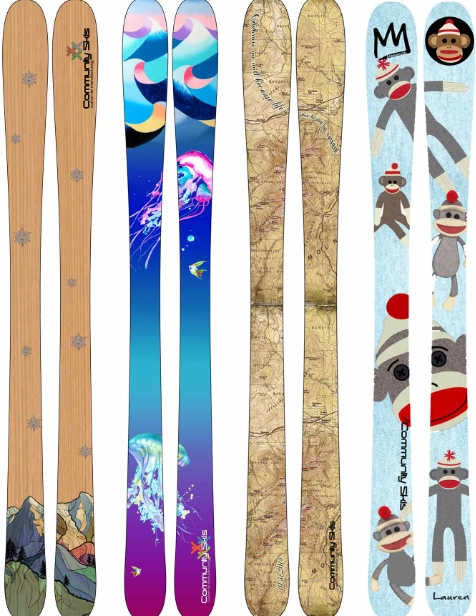
Answering Your Burning Questions (The FAQ We All Need)
Let's rapid-fire some of the common hesitations and curiosities.
Can I use any image I want?
Technically, you can submit it. Legally, you must own the rights or have permission. Ski companies will not print copyrighted material (your favorite band's logo, a Disney character, a professional photographer's work) without a license. This is a quick way to get your order cancelled. Use original art, your own photos, or work with their designers.
Will customizing the graphic change the ski's performance?
Not in the slightest. The graphic layer is minuscule in the ski's sandwich construction. The performance is determined by the core materials, sidecut, camber profile, and laminate materials. A custom graphic ski performs identically to its stock-graphic twin.
What's the best file format to provide?
Vector files (AI, EPS, PDF) are king because they scale infinitely without quality loss. High-resolution raster files (PSD, TIFF) at 300 DPI at the ski's actual size are also good. Avoid small JPGs pulled from the web.
Can I get a matching helmet or goggles wrap?
Some wrap shops offer this, and it looks incredibly cool as a full kit. Factory ski manufacturers typically don't, but it's a perfect project for an aftermarket wrap specialist using offcuts from your ski design.
How do I care for my custom skis?
Exactly like any other ski! Keep them waxed, don't leave them in direct sunlight for months on end (UV can fade anything over time), and use common sense. A deep core shot will damage the graphic, just as it would any ski.
The first scratch is the hardest. After that, you relax and remember they're tools for adventure, not museum pieces.
Final Thoughts: Should You Pull the Trigger?
Getting custom graphic skis is an emotional purchase as much as a practical one. It's not the most rational way to buy skis. But skiing itself isn't a purely rational activity. It's about passion, joy, and feeling alive.
If you find a ski model you absolutely love and plan to ride for years, and the idea of making it uniquely yours brings you a stupid grin, then it's worth serious consideration. The process is part of the fun—the collaboration, the anticipation. When that box finally arrives and you pull out a piece of functional art built just for you, the feeling is pretty special. It connects you to your gear in a deeper way.
But if you're indifferent to graphics, change skis every season, or are purely focused on max performance per dollar, the stock market has never been better. There are incredible skis with amazing stock graphics.
For me? After my early DIY disaster, I saved up and went the full custom route with a boutique maker. It took 10 weeks. The day they arrived, I was nervous. What if I hated them in person? I opened the box, and... they were perfect. The colors were vibrant, the lines were crisp. That was five seasons ago. They're scratched, they're chipped, they have a p-tex repair or two. But every mark is my mark. They tell my story on the snow. And I wouldn't have it any other way.
Your turn. What's your story going to look like?
Related Articles

Comments
Join the discussion