What You’ll Find in This Guide
You know that feeling when you're ready to buy ski boots, you hit up Google, type in "ski boot price," and you're met with numbers that range from "that's a steal" to "you want how much?" It's confusing, right? I've been there. One site says $200 is average, another makes it seem like you can't get anything decent under $600. The truth about the average ski boot price isn't a single number—it's a whole landscape, and it depends almost entirely on who you are as a skier and what you need the boot to do.
Let's get one thing straight from the start. Talking about an average price without context is pretty much useless. A first-timer's needs and a backcountry expert's demands are worlds apart. So instead of throwing one vague figure at you, we're going to walk through the different tiers, explain why prices jump around, and most importantly, show you how to find the sweet spot between cost and performance. Because spending more doesn't always mean getting more, at least not for you.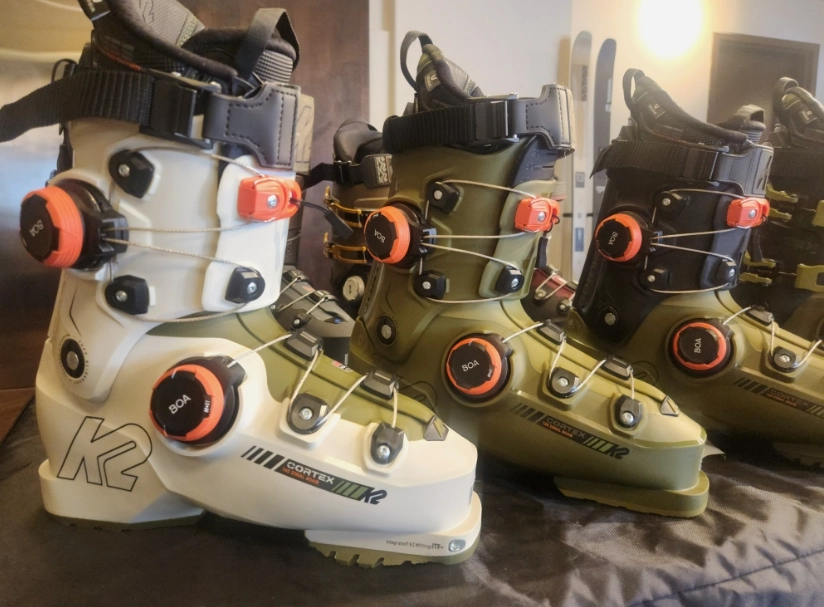
Making Sense of the Price Spectrum: Boots for Every Skier
Think of ski boots like cars. You've got your reliable entry-level compact, your sporty mid-range sedan, and your high-performance luxury models. They all get you from point A to point B, but the experience, materials, and tech under the hood are completely different. The average ski boot price shifts dramatically across these categories.
For the Beginner: Getting Started Without Breaking the Bank
If you're new to the sport, your boot has one main job: to be comfortable and forgiving while you learn the basics. You don't need a boot that reacts to the subtlest ankle movement—you wouldn't feel it yet anyway. Boots in this category prioritize ease of use, warmth, and a softer flex that's more forgiving of those inevitable beginner stance errors.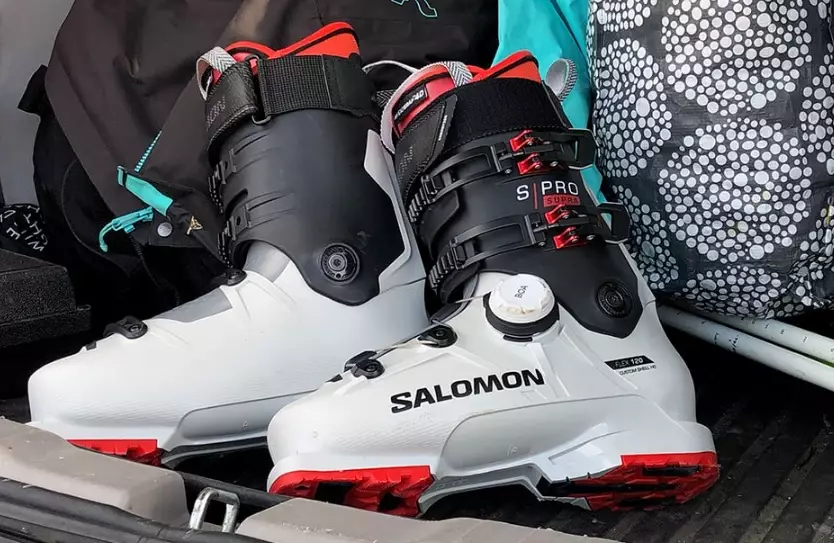
The average price for a solid pair of beginner ski boots? You're looking at $250 to $400. At this point, you might be looking at last season's models on sale, which is a fantastic way to save money. Brands like Dalbello, Rossignol, and K2 offer great options here. The liners will be simpler, the shells might use more polyurethane blends than pure polyether (a bit heavier, but very durable), and the closure systems are straightforward—usually two or three buckles.
My personal advice? As a beginner, your money is often better spent on a boot from this range and putting the savings toward a professional boot fitting session. A $300 boot that's expertly fitted will perform infinitely better than a $700 boot that's the wrong shape for your foot.
For the Intermediate to Advanced Recreational Skier: The Sweet Spot
This is where most people live, and it's where the concept of an "average ski boot price" gets the most relevant. You're past the bunny hill, you can confidently link turns on blues and maybe tackle some blacks. You're starting to feel what your skis are doing, and you want a boot that communicates better, offers more support, and helps you progress.
Welcome to the heart of the market. Boots here have more sophisticated features: higher-performance liners with better moisture management and anatomical shaping, shells made from lighter and more responsive materials, more precise micro-adjustable buckles, and often a customizable fit through heat-moldable liners or even shell adjustments.
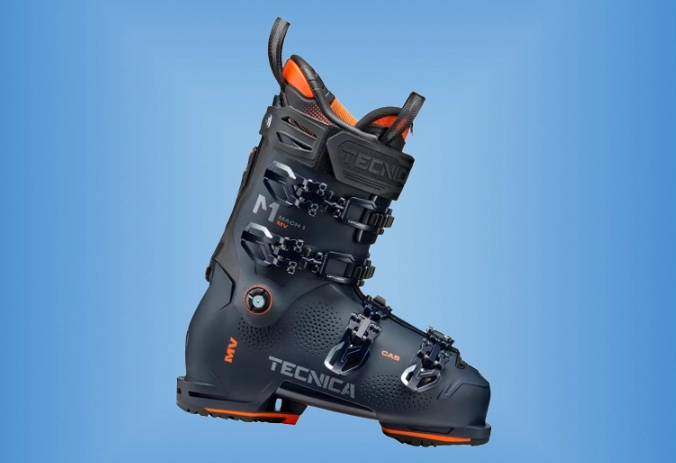
The average ski boot price for this massive group? $400 to $700. This is the workhorse range. Brands like Lange, Tecnica, Salomon, and Nordica dominate here. You're paying for better materials, more R&D, and technologies that translate your movements more directly to your skis. If you ski 1-2 weeks a year and are passionate about improving, this is your target zone.
For the Expert and Professional: Where Price Takes a Back Seat to Performance
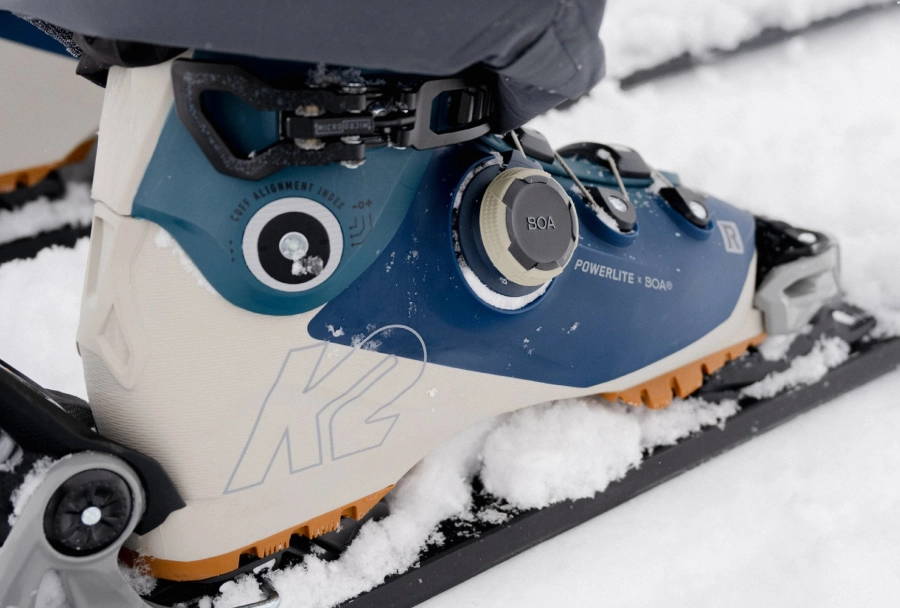
Here, the average price tag goes out the window. We're talking about boots designed for ex-racers, aggressive all-mountain skiers, big mountain chargers, and professionals. These boots are tools, not just gear. They feature the lightest, most responsive materials (like Grilamid or carbon-reinforced shells), ultra-high-performance liners, incredibly precise and complex closure systems (like 4-buckle overlap designs or tech fittings for alpine touring), and a level of customization that borders on bespoke.
Prices here start around $700 and can easily soar past $1,200. Are they worth it? For the target skier, absolutely. The difference in edge-to-edge response, power transmission, and weight savings is tangible. But for the average advanced skier, the law of diminishing returns kicks in hard. The top-tier boot might be only 5-10% "better" in feel but cost 50% more than a high-end recreational model.
I tried on a pair of these super-expensive boots once. Honestly? They felt like instruments of torture until they were perfectly molded to my foot. The point is, they demand a specific, aggressive skier to unlock their potential.
| Skier Level | Typical Price Range (New) | Key Characteristics | Best For |
|---|---|---|---|
| Beginner / First-Time | $250 - $400 | Softer flex, focus on comfort & warmth, simpler liner, easy entry | Learning fundamentals, low-pressure skiing, value seekers |
| Intermediate / Advanced Recreational | $400 - $700 | Balanced flex, better materials, heat-moldable liners, improved responsiveness | Most weekend warriors, skiers improving technique, all-mountain enjoyment |
| Expert / Performance | $700 - $950+ | Stiff flex, lightweight advanced materials (Grilamid, Carbon), high-end customizable liners, precision fit | Aggressive skiers, ex-racers, those seeking maximum performance & efficiency |
| Competition / Professional | $900 - $1,500+ | Race-specific designs, ultra-stiff, maximum power transmission, often custom options | Racers, ski instructors, guides, professionals where gear is a critical tool |
What's Actually Driving the Cost? The Factors Behind the Price Tag
Ever wonder why two plastic shells with buckles can have such a huge price gap? It's not just brand name hype. Several concrete factors push the average ski boot price up or down.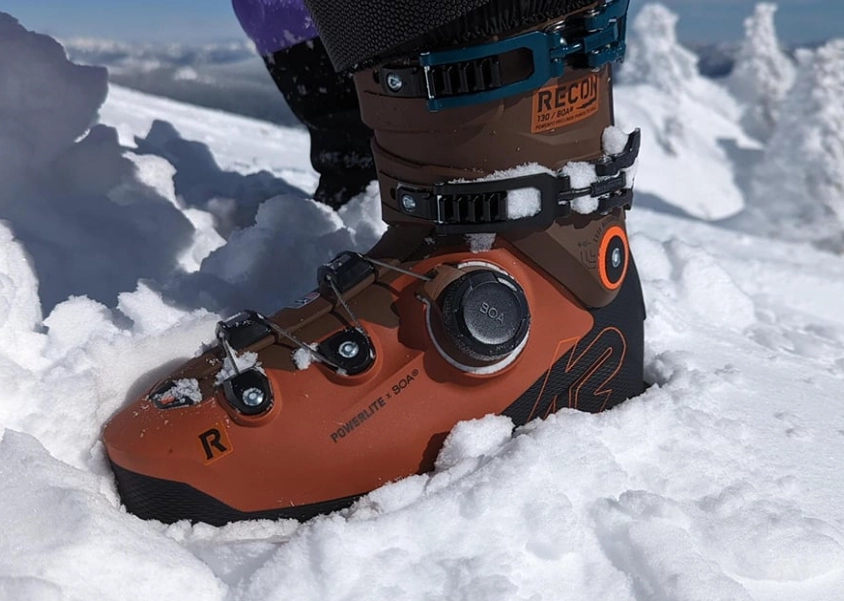
- Materials Matter (A Lot): The shell is everything. Cheap boots use basic, heavy plastics. Mid-range boots use lighter, more responsive polyether. High-end boots use engineered composites like Grilamid (a type of nylon) or include carbon fiber strands for insane stiffness-to-weight ratios. This is a major cost driver.
- Technology & Features: Does it have a standard foam liner or a heat-moldable Intuition-style liner with adjustable canting? Is the buckle a simple latch or a micro-adjustable, metal-crafted system? Features like walk/ski mechanisms for alpine touring (like Salomon's Shift or Tecnica's Cochise line) add significant complexity and cost.
- Brand & R&D: Established brands like Atomic, Head, or Fischer invest millions in research, athlete feedback, and prototyping. You're partially paying for that accumulated knowledge and the consistency it brings. A smaller, direct-to-consumer brand might offer a lower average ski boot price by cutting out the middleman and traditional marketing.
- The Fit & Customization Ecosystem: This is huge. A boot designed to be easily punched, stretched, and molded by a bootfitter often has a more sophisticated shell design from the start. The ability to customize the fit post-purchase is a value-added feature that commands a higher price.
Smart Shopping: How to Navigate the Average Ski Boot Price Maze
Okay, so you know the lay of the land. How do you actually get the best boot for your money? Throwing cash at the problem isn't the answer. Strategy is.
Timing is Everything (Seriously)
The single best way to beat the average price is to buy off-season. Late spring (April-June) and early fall (September-October) are goldmines for deals. Shops are clearing out last year's inventory to make room for new models. The performance difference between last year's and this year's model is often minimal—maybe a new colorway and a slight liner update. You can easily save 20-40%.
Where You Buy Changes the Game
Local Specialty Shop: Highest price, but includes priceless expertise and fitting service. The "sticker price" often includes an initial fitting, shell checks, and sometimes minor adjustments. This is where you go for the relationship and guaranteed fit.
Major Online Retailer: Lower average ski boot price, convenience, and vast selection. The massive caveat? You must know your exact size, model, and last shape. Returns are a hassle. It's a gamble unless you're replacing an identical boot.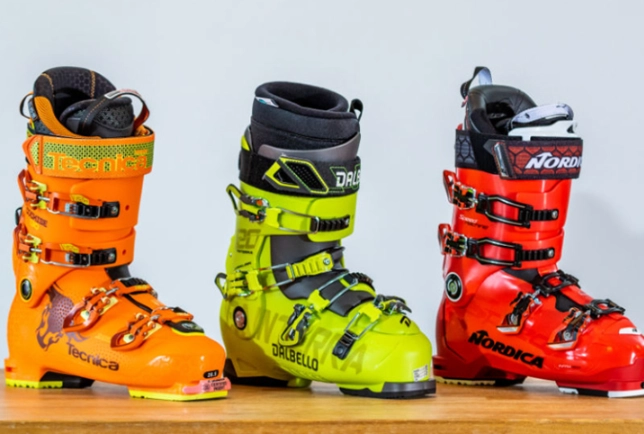
Brand Outlets / Online Sales: Can offer incredible deals on previous models. Again, you need to be very sure of your specs.
The Non-Negotiable: Professional Boot Fitting
This is not an upsell. It's the most important part of the process, regardless of your budget. A certified bootfitter will measure your foot's length, width, instep height, and ankle shape. They'll watch you stand and flex. They'll match you to boots that fit your foot and your skiing style. Many shops will apply the cost of a basic fitting ($50-$100) toward the purchase of boots from them. This service alone can make a mid-priced boot outperform a poorly fitted expensive one. Organizations like the Masterfit University train and certify these specialists—look for shops that employ them.
Your Questions on Ski Boot Price, Answered
Let's tackle some of the real questions people have when they're searching for this info. The stuff that keeps you up at night before hitting "add to cart."
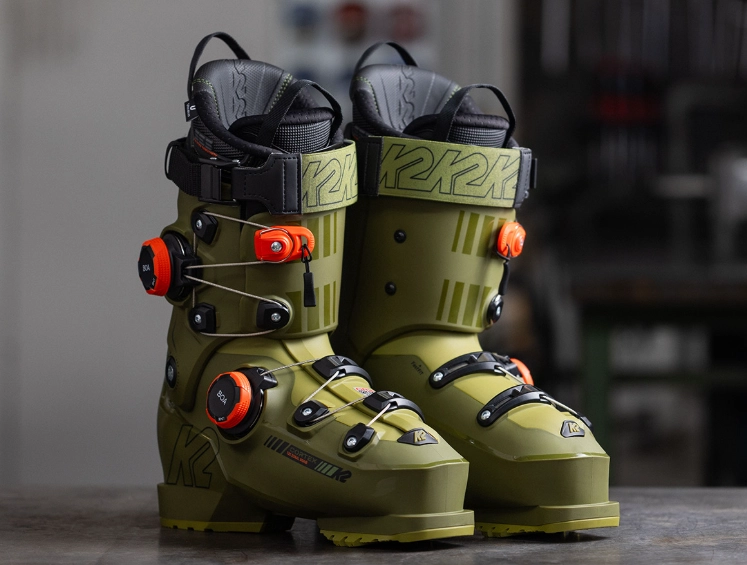
Absolutely, but it requires work and smart timing. Your best bets are:
- Shop end-of-season sales religiously.
- Consider last year's model from a reputable brand.
- Look for package deals if you also need skis/bindings.
- Check out reputable value-focused brands or direct-to-consumer models that cut out retail markup.
Remember, "good" is defined by fit first, price second.
The Final Word: It's Not Just About the Average Price
Getting hung up on finding the one true average ski boot price is a bit of a wild goose chase. A more useful approach is to understand the market tiers, identify which one matches your skiing frequency and ambition, and then work within that budget to find the best-fitting boot possible.
For most people who love skiing and want to get better, targeting that $400-$700 intermediate/advanced range and investing the time (and potentially a bit more money) in a professional fitting is the winning formula. That's where you'll find the best blend of modern performance, durable construction, and customizable fit that will serve you for many seasons.
The cheapest boot can ruin your trip. The most expensive boot might be overkill for your ability. Your goal is to find the boot that disappears on your foot because it fits so well, letting you focus on the snow and the turns. That feeling, not the number on the receipt, is the real value.
So, use the price ranges here as a map, not a destination. Go to a good shop. Talk to a fitter. Try things on. Your feet (and your skiing) will thank you for looking beyond the average price tag.
Related Articles

Comments
Join the discussion