Quick Navigation
- The Absolute Non-Negotiables: Gear You Can't Ski Without
- The Layer Cake: Dressing for the Mountain (And Surviving)
- What Goes On Your Hands and Feet
- Accessories and The 'Nice-to-Haves'
- The Decision Matrix: Buy vs. Rent vs. Borrow
- Budgeting for Reality: What Does This All Actually Cost?
- Trust, But Verify: Using Reliable Resources
- Your Questions, Answered (The Stuff You're Actually Searching For)
- Wrapping It Up: Your Action Plan
Let's cut right to the chase. You're probably staring at a million product pages, reviews that contradict each other, and a price tag that makes your eyes water. I've been there. The first time I asked myself, "What equipment do I need to buy for skiing?" I ended up with gear that was wrong for me, cost a fortune, and collected dust for a season. It was a classic rookie mistake, and I don't want you to repeat it.
This guide isn't about selling you the most expensive stuff. It's about getting you the right stuff. Whether you're a first-timer who's never seen snow or someone looking to upgrade from rental gear, we're going to break down every single piece of equipment you might need. We'll talk about what's absolutely essential, what's nice to have, and what's a complete waste of money for someone at your level.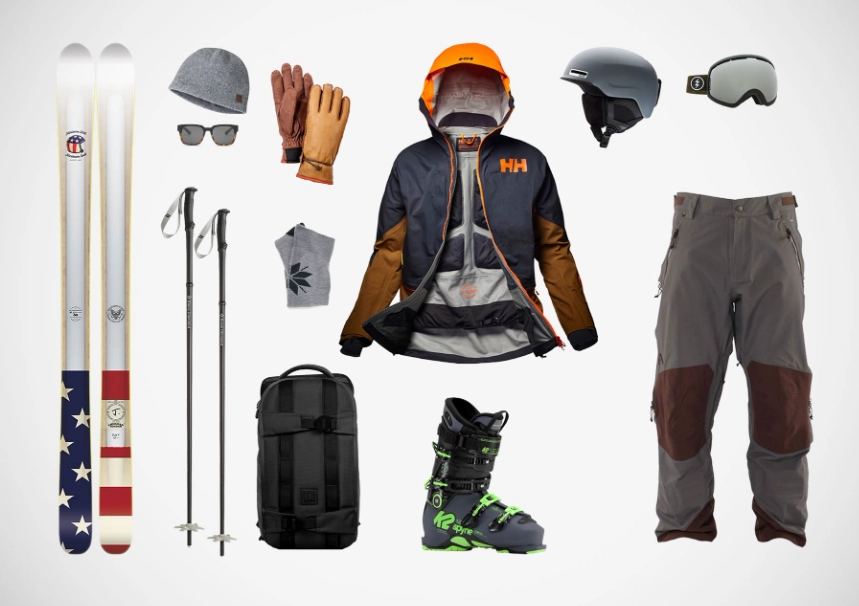
And we'll answer that core question in detail: what equipment do I need to buy for skiing to have a safe, fun, and financially sane time on the mountain?
The Absolute Non-Negotiables: Gear You Can't Ski Without
These are the items that form the foundation of your setup. Without them, you're not skiing, you're just falling down a mountain in warm clothing.
Skis, Boots, and Bindings (The "Big Three")
This is the heart of your setup. They work as a system, and getting the synergy right is more important than buying the top-tier model in any one category.
Ski Boots: I'm putting boots first for a reason. They are the single most important piece of equipment you will buy. A bad boot fit ruins everything—your control, your comfort, your entire day. It's like wearing the wrong size shoes for a hike. You need a snug, performance fit that holds your heel firmly in place without cutting off circulation. Go to a professional bootfitter. I don't care if you have to drive an hour. It's that important. A good bootfitter will measure your foot, assess your arch, and recommend boots based on your skill level and foot shape. This is not the place to buy online blindly.
Skis: The big plank(s) you stand on. For beginners, look for skis labeled as "all-mountain frontside" or "beginner-friendly." They're softer, more forgiving, and easier to turn. Length matters, but modern ski design (like rocker profiles) has made it less rigid. A good shop can guide you. As you progress, you'll develop preferences—do you like carving on groomers, floating in powder, or bouncing through the park? Your skis will specialize.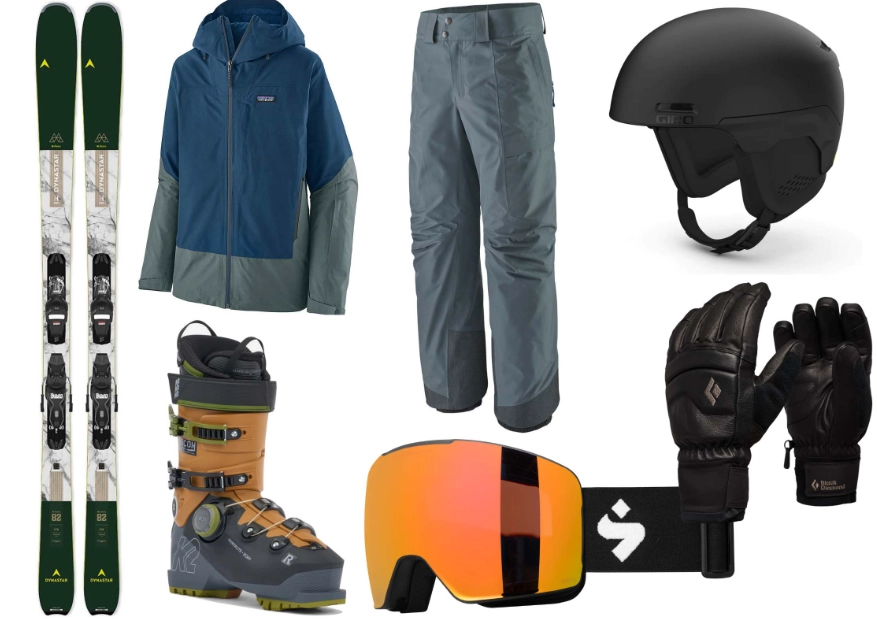
Bindings: These connect your boots to your skis and have one critical job: releasing your boot during a fall to prevent injury. They must be professionally adjusted to your boot's sole length and your skier type (based on weight, height, and aggression). This is a safety device. Don't mess with it. Most skis you buy will come with bindings already mounted, which is fine. Just ensure they're set up correctly.
The Safety Duo: Helmet and Goggles
If you remember nothing else, remember this: your brain is useful. Protect it.
Helmet: Non-negotiable. Modern ski helmets are light, warm, and well-ventilated. Look for one with MIPS technology (Multi-directional Impact Protection System), which adds a layer of protection against rotational forces in a crash. Fit is key—it should be snug but not give you a headache. Try it on with your beanie or headband if you wear one underneath.
Goggles: These are not just sunglasses. They protect your eyes from wind, snow, branches, and UV radiation reflected off the snow (which is intense). The most important feature is the lens. Get a lens with a VLT (Visible Light Transmission) suitable for variable conditions—something in the 20-40% range is a great all-rounder. Good goggles should have dual lenses to prevent fogging. Pro tip: make sure your goggle brand and helmet brand are compatible; they should fit together seamlessly without a gap.
Seriously, don't cheap out on these two.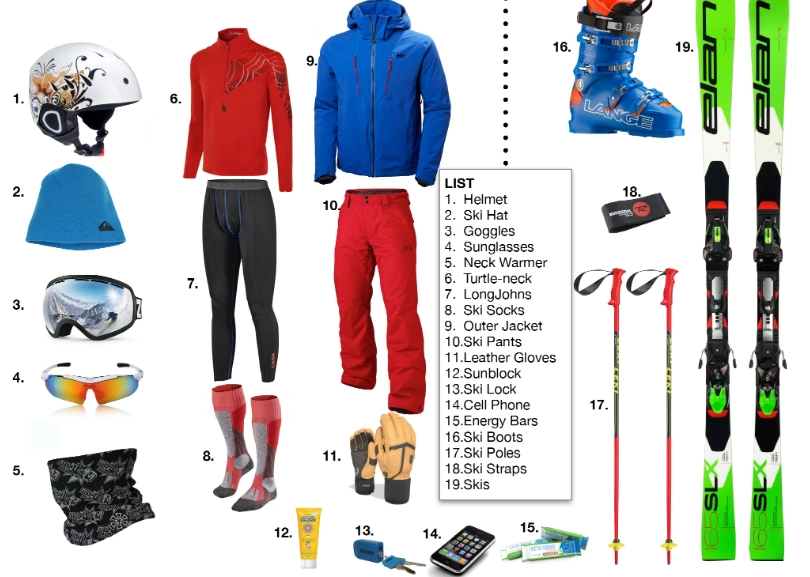
The Layer Cake: Dressing for the Mountain (And Surviving)
Ski clothing is all about managing moisture and temperature. Cotton is the enemy—it absorbs sweat and stays wet, making you cold. You need a technical layering system.
Base Layers
This is the layer against your skin. Its job is to wick sweat away. Merino wool or synthetic fabrics like polyester are perfect. They stay warm even when damp. Avoid cotton T-shirts at all costs. A top and bottom set is standard.
Mid Layers
This is your insulation. A fleece jacket or a lightweight synthetic/down puffy works here. You can add or remove this layer based on the temperature. I often carry a thin, packable puffy in my backpack for chairlift rides on really cold days.
Outer Layer (Ski Jacket and Pants)
This is your shield against wind, snow, and water. You need waterproof and breathable fabric. Look at the waterproof rating (in millimeters, e.g., 10k, 15k, 20k). For most recreational skiing, 10k-15k is plenty. Features to look for: a powder skirt (to keep snow out if you fall), a good hood that fits over your helmet, pit zips for ventilation, and plenty of pockets. Ski pants should have bib-style or high waist to prevent snow going up your back when you sit down.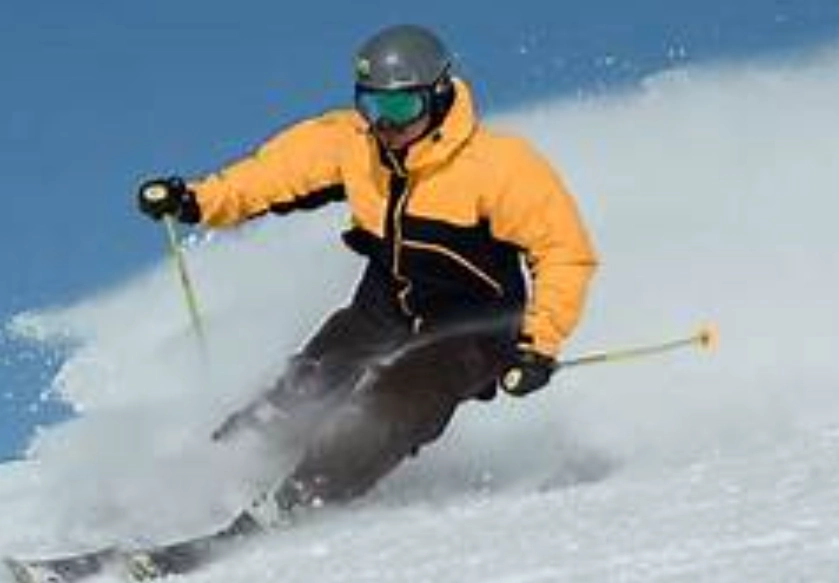
- Warm Sunny Day: Base Layer + Shell Jacket/Pants (maybe just a base layer top under the shell if it's really warm).
- Average Cold Day: Base Layer + Light Fleece Mid Layer + Insulated Jacket & Pants.
- Freezing Cold or Stormy Day: Base Layer + Mid Layer + Heavy Insulated Jacket & Pants. Add a neck gaiter and hand warmers.
What Goes On Your Hands and Feet
Cold extremities ruin a day faster than anything.
Ski Socks: One pair. Not two. Get a single pair of tall, thin-to-medium-weight ski socks made of merino wool or a wool blend. They should reach well up your calf. Thick socks will cram your feet in your boots, cut off circulation, and make your feet colder. It's counterintuitive but true.
Ski Gloves or Mittens: Mittens are generally warmer than gloves because your fingers share heat. I'm a mitten convert for anything below -10°C. Look for waterproofing (again, a 10k rating is good), insulation, and a long cuff that goes over your jacket sleeve. Some have a separate liner glove, which is great for drying out at lunch.
Accessories and The "Nice-to-Haves"
This is where personal preference and conditions come in. You might not need all of these on day one, but you'll likely end up with them.
- Neck Gaiter or Balaclava: Essential for cold or windy days. Protects your face and neck. A buff-style gaiter is incredibly versatile.
- Helmet Liner or Beanie: A thin synthetic or wool beanie to wear under your helmet for extra warmth.
- Ski Backpack (Small): For carrying layers, water, snacks, and a basic repair kit. 15-20 liters is plenty. Look for one with ski carry straps.
- Hydration Pack or Insulated Water Bottle: Staying hydrated at altitude is crucial. A hydration bladder in your backpack is convenient, but make sure the tube is insulated so it doesn't freeze.
The Decision Matrix: Buy vs. Rent vs. Borrow
You don't have to own everything. Being strategic saves money and storage space. Here’s a practical breakdown.
| Equipment | Beginners (First 5-10 Days) | Intermediate/Advanced Skiers | My Personal Recommendation |
|---|---|---|---|
| Skis/Boots/Bindings | RENT. You don't know what you like yet. Demo different types. | BUY. Your technique is stable. Invest in gear that matches your style. | Rent until you can confidently link parallel turns on blue runs. Then buy boots first, skis later. |
| Helmet | Rent or Buy. Rental helmets are fine, but hygiene is a factor for some. | BUY. Get one that fits perfectly and has the features you want. | Buy a decent one early. It's personal safety equipment. |
| Goggles | Rent (often clunky) or Buy a basic pair. | BUY. Invest in good lenses for different light conditions. | Buy a good mid-range pair with a lens for variable light. It's a game-changer for visibility. |
| Clothing (Jacket, Pants, Layers) | You can rent this, but it's often bulky. Borrowing is a great option. | BUY. You'll ski enough to justify it and want performance fit. | Buy your own base layers immediately. Build up your outer layers over time via sales. |
| Poles | Rent. They're often included. You'll barely use them as a pure beginner. | BUY. Cheap and last forever. Get the right length. | Buy the cheapest aluminum ones when you're ready. They get lost and bent anyway. |
Budgeting for Reality: What Does This All Actually Cost?
Let's talk numbers, because the sticker shock is real. I'll give you a realistic range for buying new, mid-tier (not pro, not junk) equipment. Remember, end-of-season sales (March-April) are your best friend.
Putting together a full kit to answer "what equipment do I need to buy for skiing" involves a significant upfront cost. But it's an investment that lasts years.
- Ski Boots (fitted): $300 - $600
- Skis + Bindings: $400 - $800
- Helmet (with MIPS): $80 - $200
- Goggles: $80 - $250
- Ski Jacket: $150 - $400
- Ski Pants: $100 - $300
- Base Layers (set): $50 - $150
- Mid Layer: $50 - $150
- Gloves: $40 - $150
- Socks (2-3 pairs): $40 - $100
- Accessories (gaiter, etc.): $30 - $100
That's a big number when you add it up.
Which is why I always tell people: spread it out over a couple of seasons. Buy the critical, personal items first (boots, helmet, base layers). Then add the big-ticket items like skis and outerwear when you find a deal. The second-hand market for used skis and jackets in good condition is also fantastic, especially on platforms like Facebook Marketplace in ski towns.
Trust, But Verify: Using Reliable Resources
When you're doing your own research, it's easy to fall down internet rabbit holes. I stick to a few trusted sources for technical info and safety standards.
For understanding ski area safety standards and best practices, the National Ski Patrol (NSP) website is an authoritative resource. They're the folks who set the safety protocols on the mountain.
If you're looking into the technical specifications of ski bindings and their international safety standards, the documentation from organizations like the International Organization for Standardization (ISO) (specifically standards like ISO 9462 for alpine ski bindings) is the bedrock of the industry, though it's dense reading. It's more to know that the standards exist and that your gear complies.
For gear reviews and technique, I cross-reference magazines like Ski or Outside with real-world forums like Teton Gravity Research or even specific subreddits. The magazine gives you the polished overview, the forums give you the long-term "how did this gear hold up after 50 days?" reports.
Your Questions, Answered (The Stuff You're Actually Searching For)
Wrapping It Up: Your Action Plan
Figuring out what equipment do I need to buy for skiing feels overwhelming, but it doesn't have to be. Break it down.
- Start with a rental package for your first few trips. Pay attention to what you like and dislike about the gear.
- Invest in a professional boot fitting. Buy the boots they recommend. This is your foundation.
- Buy your personal safety and comfort items: a well-fitted helmet, good goggles, proper socks, and base layers.
- Shop for outerwear during offseason sales. Function over fashion, but you can find both.
- Finally, buy skis. Demo a few different models if you can. Choose the ski that makes you smile, not the one that has the coolest top sheet.
The goal isn't to have the most expensive gear on the hill. The goal is to have gear that works for you, keeps you safe, and lets you focus on the pure joy of sliding on snow. When your equipment feels like an extension of your body, that's when the real fun begins. And answering "what equipment do I need to buy for skiing" becomes a personal journey, not a shopping list.
Now go get fitted for those boots.
Related Articles

Comments
Join the discussion