What's Inside
- The Technology Behind the "Magic"
- Who Are Cheater Skis Actually For? (Spoiler: It's More People Than You Think)
- Cheater Skis vs. Traditional Skis: A Side-by-Side Look
- Potential Drawbacks (Let's Be Honest)
- Popular Models & What to Look For When Shopping
- Frequently Asked Questions About Cheater Skis
- The Bottom Line: Should You Consider a Pair?
You're standing at the top of a blue run, the snow looks perfect, but your legs are already screaming from the morning's efforts. Every turn feels like a battle against the skis themselves. Sound familiar? Then you might have heard other skiers, or even a shop tech, mention something called "cheater skis." The name itself is a bit loaded, isn't it? It sounds like you're getting away with something, like you're not putting in the real work.
Let's clear that up right away. That's not it at all.
So, what are cheater skis? In the simplest terms, they're skis specifically engineered to be more forgiving, easier to turn, and more stable at slower speeds than traditional all-mountain or performance skis. They're designed to reduce the physical effort and technical precision required to initiate and hold a carve, effectively making skiing feel more accessible and less exhausting. The "cheater" nickname is a bit of an insider joke—they help you ski better with less struggle.
I remember the first time I tried a pair. It was after a season where I felt completely stuck. I could get down most runs, but it was a fight. A friend, who's an instructor, shoved a different pair of skis into my hands. "Just try these," he said. The difference wasn't subtle. It was like the skis were reading my mind, or at least forgiving my sloppy technique. I wasn't suddenly an expert, but the mountain became fun again, not just a challenge to survive.
The Technology Behind the "Magic"
Calling them "cheater skis" makes it sound like a trick. It's not magic—it's smart engineering. Several key design features work together to create that easier feel. Understanding these can help you see why they're not just for beginners, but a legitimate tool for many skiers.
Rockered Profiles: The Game Changer
This is arguably the biggest factor. Traditional skis have a camber profile—the middle of the ski arches off the snow when unweighted, so the tip and tail make contact first. It's great for power and edge hold but requires more precise pressure to engage the entire edge.
Many modern easy-skiing skis incorporate rocker. Imagine a banana. Rocker means the tip (and often the tail) starts to rise off the snow earlier. This does a few critical things: it makes the ski pivot more easily, prevents the tip from diving in soft snow or during a forward lean, and effectively shortens the edge that's in contact with the snow at slower speeds, reducing the force needed to steer. It's a more forgiving platform.
Softer Flex Patterns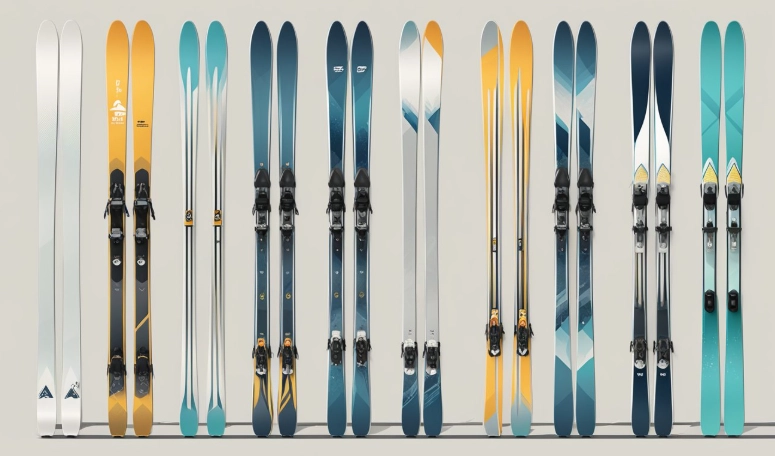
Performance skis are often stiff, demanding strong, athletic inputs to bend them into a turn. Cheater skis tend to have a softer flex, particularly in the tip and tail. A softer ski bends more readily under less pressure. This means a skier with less aggressive technique or lower weight can still flex the ski and get it to arc a turn. The trade-off? They might feel less stable at very high speeds or in choppy, hard snow—but for the intended user, that's a fair swap for day-long comfort.
Sidecut and Waist Width
The sidecut (the hourglass shape) is often more pronounced. A deeper sidecut means the ski has a tighter natural turning radius. It wants to turn. Give it a little nudge, and it'll follow that arc. Combine this with a moderate waist width (somewhere in the 80mm-95mm underfoot range for most on-piste "cheaters"), and you get a ski that's quick edge-to-edge without feeling twitchy.
Who Are Cheater Skis Actually For? (Spoiler: It's More People Than You Think)
This is where the myth needs busting. They're not just for first-timers. The term "cheater skis" covers a wide range of skiers who, for various reasons, want more fun and less fight from their gear.
- The Plateaued Intermediate: You can ski blue runs and maybe easier blacks, but you feel stuck. Your turns are skidded, you get tired fast, and moving to the next level seems daunting. These skis can provide the feedback and ease that helps build confidence and refine technique.
- The Occasional Skier: You go a few times a season, maybe on an annual trip. You don't have the muscle memory or fitness of a regular. Why spend your precious vacation battling unforgiving equipment? Skis that turn easily let you enjoy the scenery and the company more.
- The Aging Enthusiast (or the Injury-Prone): Let's be real. Our knees, backs, and stamina aren't what they were at 25. A ski that requires 30% less effort to control means you can ski more runs, ski longer into the day, and ski more days in a season. That's not cheating; that's smart.
- The Nervous or Cautious Skier: If speed or steeps make you anxious, a predictable, stable-at-low-speed ski is a game-changer. It builds trust.
- Even Advanced Skiers, Sometimes: For a low-energy day, exploring with less experienced friends, or just cruising groomers without having to focus intensely, a forgiving ski can be pure joy. I know experts who have a pair in their quiver for exactly these days.
Cheater Skis vs. Traditional Skis: A Side-by-Side Look
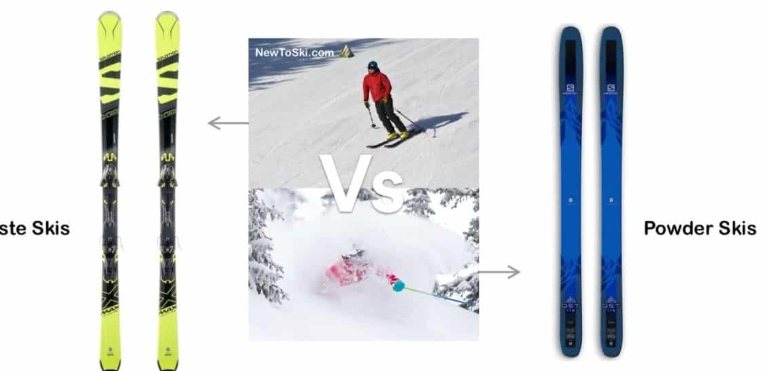
It helps to see the differences laid out clearly. This isn't about good vs. bad, but about matching the tool to the job—and the skier.
| Feature | Cheater Skis (Easy-Skiing Skis) | Traditional All-Mountain/Performance Skis |
|---|---|---|
| Primary Goal | Accessibility, ease of use, reduced effort, fun at moderate speeds. | High performance, precision, power transmission, stability at speed. |
| Flex Pattern | Softer, more forgiving. Easier to bend. | Stiffer, requires more forceful input to engage. |
| Profile (Camber/Rocker) | Often feature rocker in the tip (and tail) for easier turn initiation and float. | More traditional camber-dominant profiles for powerful edge hold and pop. |
| Turning Radius | Shorter sidecut, tighter natural turn radius. "Wants" to turn. | Can vary, but often longer radii for stability at speed; turn initiation requires more skill. |
| Ideal Skier | Beginners, intermediates, casual skiers, those seeking less physical demand. | Advanced to expert skiers with strong technique who prioritize aggression and speed. |
| Best For | Groomed runs, learning, cruising, low-energy days, building confidence. | Aggressive carving, variable/choppy snow at high speeds, technical terrain. |
| The "Feel" | Pivot-y, surfy, forgiving. Mistakes are less punishing. | Direct, connected, demanding. Provides immediate feedback (good or bad). |
Looking at that table, it becomes pretty obvious. If your goal isn't to attack the mountain like an Olympian, why would you choose a tool designed for that job?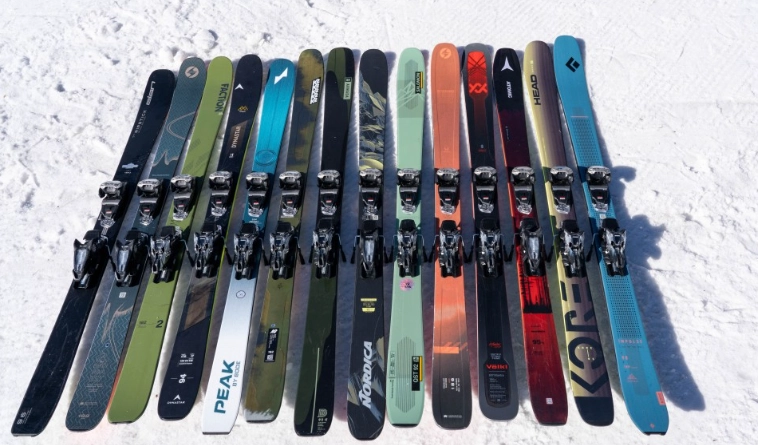
Potential Drawbacks (Let's Be Honest)
No ski is perfect for everything, and understanding the limitations of cheater skis is crucial. I've seen people buy them based on hype and then be disappointed when they hit a specific condition.
- Speed Limit: They have one. A soft, rockered ski can start to feel vague, chattery, or nervous when you really push the speedometer. The damping isn't there for that.
- Hard, Icy Snow Performance: This is their weakest point. That forgiving flex and rocker can mean less bite on a bulletproof, icy groomer. You might feel the edge grip isn't as tenacious as on a stiff, cambered race ski.
- Not for the Aggressive Expert: If you're a powerful, dynamic skier who drives the shovels of your skis hard, you might find them too soft and unresponsive. They can feel like they're folding under you.
- Might Mask Bad Habits: This is the classic instructor's worry. A ski that turns too easily might allow a skier to rely on rotation or other inefficient movements instead of learning proper edging and pressure control. It's a valid point, but for a recreational skier, immediate fun often leads to more time on snow, which eventually leads to improvement anyway.
My friend who is a pure carving enthusiast tried my favorite easy-skiing model last season. He gave them back after two runs. "They're like skiing on wet noodles," he complained. For his style, he was absolutely right. For mine, they're perfect.
Popular Models & What to Look For When Shopping
The market is full of great options. Brands don't usually call them "cheater skis" in marketing (terms like "Easy-going," "Progressive," "Access," or "Experience" are common). Here are a few legendary names and what makes them tick:
- Head Shape Series (e.g., V-Shape, Joy): Head's "Easy Drivetech" is a hallmark. It often pairs a rockered tip with a notch in the edge near the tail, which is supposed to release the turn more easily. They're consistently rated as some of the easiest, most intuitive skis to turn.
- Elan Wingman/Explore Series: Elan's Amphibio technology (different sidecut geometries on each edge) is designed to make turning feel more natural. The Wingman series, especially in the softer flex versions, is a favorite for intermediates looking to step up their carving with less effort.
- K2 Mindbender Alliance Series: Known for being incredibly well-balanced and friendly. They often feature K2's "All-Terrain Rocker" which provides that easy-pivoting feel without being too loose.
- Rossignol Experience Series (Basalt/AI versions): A benchmark in the category. The use of basalt fibers gives a damp, smooth feel that instills confidence. They're not the absolute easiest to initiate, but they're incredibly stable and predictable once in the turn.
- Nordica Unleashed/Soul Rider Series: Softer flexing, playful skis that emphasize fun and maneuverability over raw power.
Say things like: "I want something that's easy to turn and not tiring," "I'm looking for a confidence-building ski for groomed runs," or "I ski a few times a year and want to maximize fun, not challenge." A good shop tech will know exactly what you mean. The International Ski Federation (FIS) doesn't regulate this category, but their resources on ski construction help explain the physics that brands use to achieve these easy-skiing characteristics.
Frequently Asked Questions About Cheater Skis
The Bottom Line: Should You Consider a Pair?
Let's cut to the chase. The whole point of understanding what are cheater skis is to make an informed decision about your gear and your enjoyment.
If you are a hyper-aggressive skier who lives for high-speed, razor-sharp carving on hard snow, these are not your skis. You'll be bored or frustrated.
For everyone else—the vast majority of people on the hill—they represent perhaps the most significant positive innovation in ski design in the last 20 years. They have opened up the sport, extended skiing careers, and turned frustrating days into memorable ones.
The best advice is to demo. Rent a pair for a day from a good shop that has a demo fleet. Tell them exactly what you're looking for. Ski your usual runs. Pay attention to how your legs feel at 2 PM. Notice if you're smiling more.
I'll leave you with this. A few seasons back, I convinced my friend Sarah, who was perpetually terrified of blues, to try a specific model of easy-turning ski. She was skeptical, calling them "training wheels." By lunch, she wasn't just getting down the blue run—she was seeking out the steeper sections of it, laughing. Her whole relationship with skiing changed that day. She didn't become an expert, but she became an enthusiast. And that, in the end, is what the sport needs most.
So, forget the silly "cheater" label. Think of them as "enabler" skis. They enable fun, enable confidence, and enable you to get more out of your time in the mountains. And there's absolutely nothing wrong with that.
Related Articles
Comments
Join the discussion