Quick Guide
Let's cut to the chase. You're here because you've seen Shaggy's skis pop up in forums, maybe in the lodge, and that question is nagging at you: do Shaggy's skis have good edge hold? It's the make-or-break feature for anyone who isn't just skiing perfect corduroy all day. When you're staring down an icy patch on a steep groomer early in the morning, or trying to carve a clean line through chopped-up afternoon snow, you need to trust your edges. That trust is everything.
I've been there, leaning into a turn and feeling that sickening, subtle slip instead of a solid bite. It ruins your confidence for the rest of the run. So, I took a few of the most popular Shaggy's models out for a proper thrashing. We're talking hard-frozen mornings, slushy afternoons, and everything in between. This isn't just a spec sheet review. It's about what happens under your boots when it counts.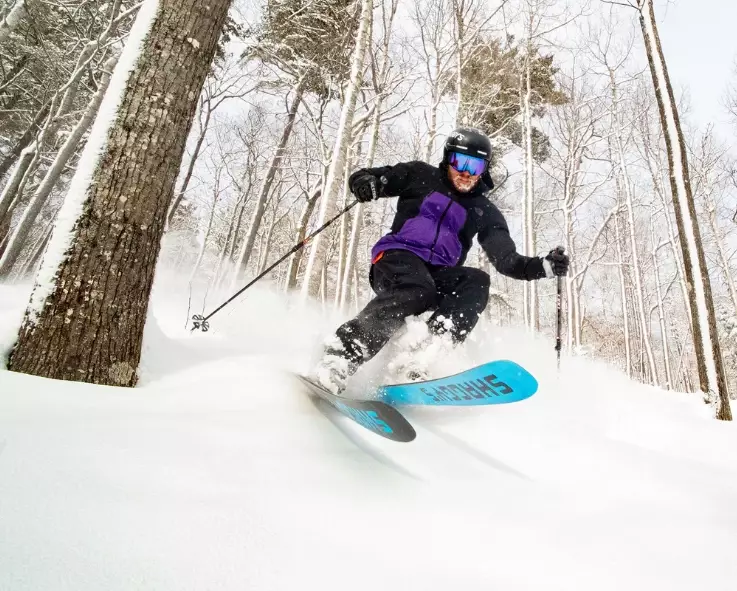
What "Edge Hold" Really Means (And Why It's Not Just About Ice)
Before we get into the nitty-gritty on Shaggy's, let's get on the same page. When skiers ask about edge hold, they're usually picturing sheer ice. But it's more nuanced than that. Good edge hold means predictable, consistent grip across a variety of firm snow conditions. It's about how the ski engages when you roll it on its edge, how long it holds that carve before washing out, and the feedback it gives you through your boots.
A ski with poor edge hold feels vague, nervous, and requires constant micro-corrections. A ski with great edge hold feels locked in, confident, and lets you focus on the next turn, not just surviving the current one. It's a combination of the ski's design, its materials, and its tune.
The Anatomy of Grip: What Makes a Ski Hold
Shaggy's engineers their skis with a few key things in mind, and some of these directly impact that crucial question: do Shaggy's skis have good edge hold? Let's break down the tech they use.
- Sidecut Radius: This is the shape of the ski's side profile. A deeper sidecut (a more pronounced hourglass shape) generally allows for quicker edge engagement and can feel more "grippy" in short, snappy turns. Many Shaggy's models have a versatile, all-mountain sidecut that's not too extreme, which offers a balance between grip and smeary playfulness.
- Core and Layup: This is where the feel comes from. Shaggy's often uses a blend of woods like poplar and ash. Some of their stiffer, more front-side oriented models might incorporate stringers of carbon or metal. Metal layers (like titanal) are the gold standard for dampening vibration and providing powerful, unwavering edge hold on hard snow. The presence (or absence) of metal is a huge clue.
- Edge Technology: Do they use full-length edges? How thick are they? Most of their skis have standard, full-wrap steel edges. Nothing fancy, but they get the job done when sharp. I haven't seen them promote any special edge bevels or serrated tech like some race-oriented brands.
- Camrock Profile: Almost all Shaggy's skis use some form of rocker-camber-rocker profile. Camber underfoot is your friend for edge hold—it's the arched section that presses the edges into the snow when weighted. The amount of camber and how early the rocker rises in the tip/tail affects how "hooky" or "releasable" the ski feels when you finish a turn.
So, the foundation is there in some models. But the real test is on the hill.
Model-by-Model Breakdown: Which Shaggy's Skis Actually Grip?
This is where the rubber meets the road—or rather, the steel meets the ice. Shaggy's lineup isn't a monolith. Asking do Shaggy's skis have good edge hold is like asking if pickup trucks are good at hauling. Some are, some really aren't. Here’s my take after skiing them.
| Model | Best For | Edge Hold Rating (1-10) | Why It's Good (or Not) for Grip | The Real-World Feel |
|---|---|---|---|---|
| Shaggy's Ahmeek 95 | All-Mountain Frontside / Hardpack Charger | 9 | Features metal laminate (titanal) for dampness and power. Strong camber section. Stiff flex pattern. | This is the star of the lineup for edge hold. It rails on groomers, feels planted on ice, and inspires serious confidence. It answers "do Shaggy's skis have good edge hold?" with a resounding YES—for this model. |
| Shaggy's Brockway 85 | East Coast / Ice Coast Daily Driver | 8.5 | Narrower waist (85mm) for quick edge-to-edge. Stiff tail. Lacks metal but has a beefy wood core. | Surprisingly tenacious. The narrow platform and traditional design make it a cutter. It doesn't have the damp, quiet power of the Ahmeek on really rough ice, but for most hardpack conditions, it holds exceptionally well. |
| Shaggy's Fun Carver 89 | Playful Carving & Moguls | 7 | Moderate flex, lighter construction. Good camber but designed for quick releases. | Fun, as the name says. The edge hold is there for recreational carving, but it's not a locked-in, high-speed train track kind of feel. If you push it too hard on ice, it will start to chatter and lose grip. Perfect for the skier who values quickness over absolute power. |
| Shaggy's Popper 105 | All-Mountain Freestyle / Powder | 5.5 | Significant tip/tail rocker, softer flex, wider platform. Built for surfiness, not carving. | This is where you temper expectations. Asking do Shaggy's skis have good edge hold about the Popper is missing its point. It's designed to slash, pivot, and play. On hardpack, it feels vague and requires a more centered, finessed stance to avoid hooking or washing out. Not its intended habitat. |
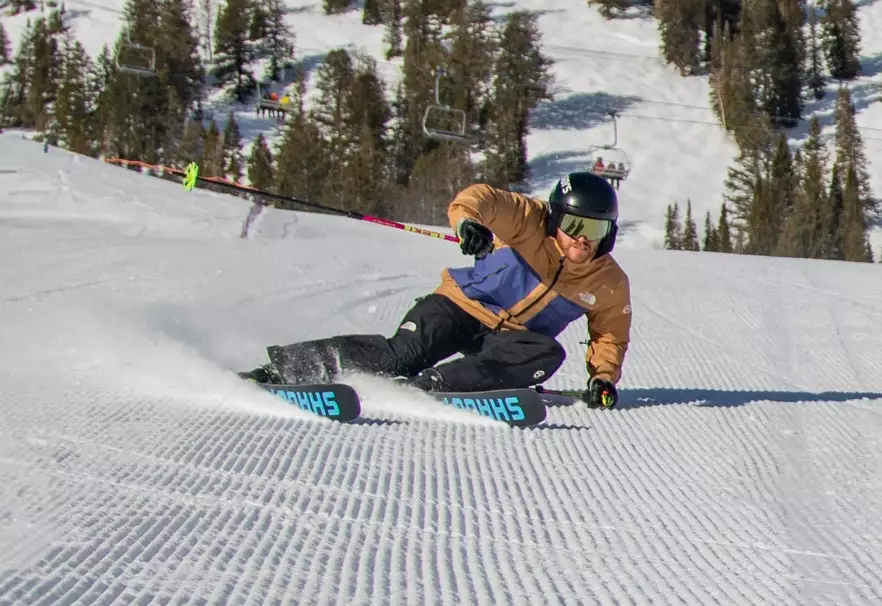
The Ahmeek 95: A Deep Dive on the Grip Champion
Since the Ahmeek is their flagship for hard-snow performance, it deserves extra attention. I took it out on a day that started at 18°F with bulletproof groomers and ended with sun-softened crud.
On the first chair, the snow was unforgiving. The kind where your edges make a high-pitched scraping sound. I pointed the Ahmeek down a steep blue and committed to a medium-radius carve. The engagement was immediate and solid. No chatter, no slip. It felt like the edge was glued to the snow. The metal layer ate up the vibrations, making the ride quiet and stable. This is, without a doubt, a ski that can handle Eastern ice or early-morning Western cord.
As the day warmed up and the snow got chopped up, that solid feel remained. The ski plowed through the variable snow without getting deflected. So, for that specific model, the question do Shaggy's skis have good edge hold is easily settled. They absolutely do.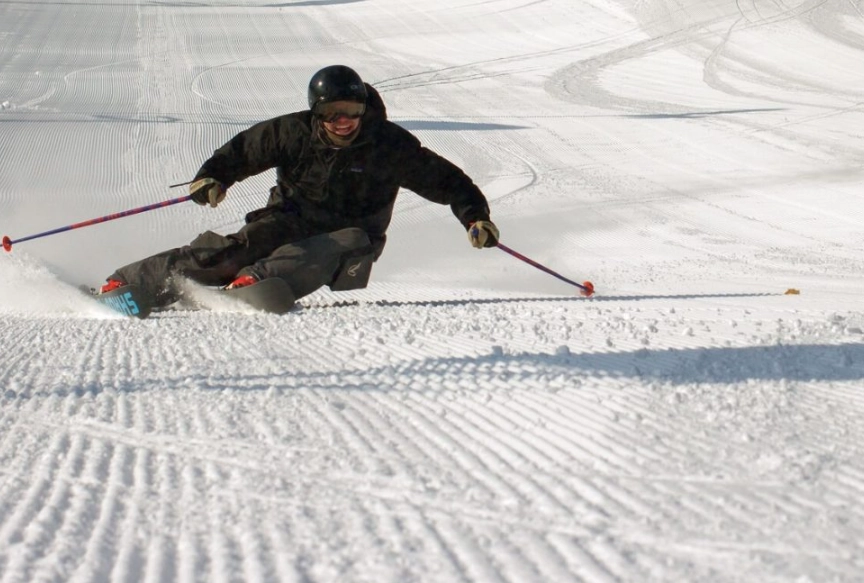
Beyond the Model: The Crucial Role of Tuning and Maintenance
Here's a truth that applies to any ski, Shaggy's or otherwise: a poorly tuned $1500 ski will have worse edge hold than a perfectly tuned $500 ski. You can't talk about grip without talking about the tune.
A factory tune is often a starting point, not the finish line. Many skis, including some Shaggy's I've seen straight out of the plastic, come with a very conservative, base-bevel-dominant tune. This makes them forgiving and less likely to "catch" an edge, but it also makes them less sharp and less grippy on hard snow.
For maximum edge hold on hard snow, most experts recommend a 1-degree side edge bevel (or even 0.5 for experts) and a 1-degree base bevel. This creates a sharper, more precise edge angle. You should also keep your edges sharp. Dull edges won't dig in, no matter what the ski's construction is.
Resources like the guidelines from the Professional Ski Instructors of America (PSIA) often discuss the importance of equipment maintenance for effective skiing, which absolutely includes edge tuning for control.
How Do Shaggy's Skis Handle Icy Conditions?
Let's address the elephant in the room: sheer ice. The kind you find on a north-facing slope in New England in February. This is the ultimate test.
For the metal-laminate models (Ahmeek), the answer is: remarkably well. They have the torsional stiffness to press the entire edge length into the ice, and the dampening to prevent the chattering that leads to loss of grip. You need a good, aggressive tune, but the ski has the backbone to back it up.
For the wood-core models without metal (like the Brockway 85), it's a bit more of a dance. They can hold on ice, but they require more precise technique. You need to keep your weight balanced and driving through the middle of the ski. If you get in the backseat, you'll lose the tip engagement and start to slide. They're capable, but less forgiving than a full-metal ski.
For the softer, rockered models, icy conditions are to be avoided or skied with extreme caution. They simply don't have the design intent or structural integrity for it.
Common Questions (And Straight Answers)
Based on what I see people asking online and in shops, here are the quick hits.
Final Verdict: So, Do Shaggy's Skis Have Good Edge Hold?
It's a definitive "it depends," but that's the honest answer for any brand.
If you are looking at their performance-oriented, front-side models like the Ahmeek 95 or the Brockway 85, then yes, absolutely. They are engineered with edge hold as a priority, using materials and shapes that deliver confident, powerful grip on firm snow. They can go toe-to-toe with many of the established all-mountain carvers out there.
If you are looking at their playful, all-mountain freestyle or powder skis like the Popper, then no, that's not their strength. They prioritize maneuverability, pivotability, and float, which are often at odds with locked-in carving performance.
The key is to be honest about where and how you ski. Don't buy a powder ski and expect it to grip ice. And don't buy a hardpack charger and expect it to be a surfy slasher in deep snow. Shaggy's, as a brand, offers compelling options on both ends of that spectrum.
My advice? If edge hold is your top concern (you ski the East, the Alps, or just love groomer days), demo the Ahmeek or Brockway. Feel that solid, reliable bite for yourself. Get them tuned sharp. You might just find that Shaggy's has a surprisingly serious side that answers the question do Shaggy's skis have good edge hold with a powerful, carving turn.
Related Articles

Comments
Join the discussion