快速导览
Let's be honest, skiing is expensive. Lift tickets, travel, lodging – it all adds up before you even think about the gear. And that's where the world of used ski equipment comes in. It's not just about saving money (though that's a huge part of it). It's about getting way more bang for your buck, finding gear that's already proven itself, and maybe even scoring a classic piece of kit that's no longer made.
But diving into the used market can feel like a minefield. Which brands hold up? What's a fair price? How do you avoid buying someone else's problem?
I've been there. I've bought amazing used skis that felt like new for half the price, and I've also made the mistake of grabbing a "bargain" that needed a $100 tune-up right away. This guide is what I wish I'd had – a deep, practical look at the landscape of used ski equipment brands, from the rock-solid reliable to the ones you should approach with caution.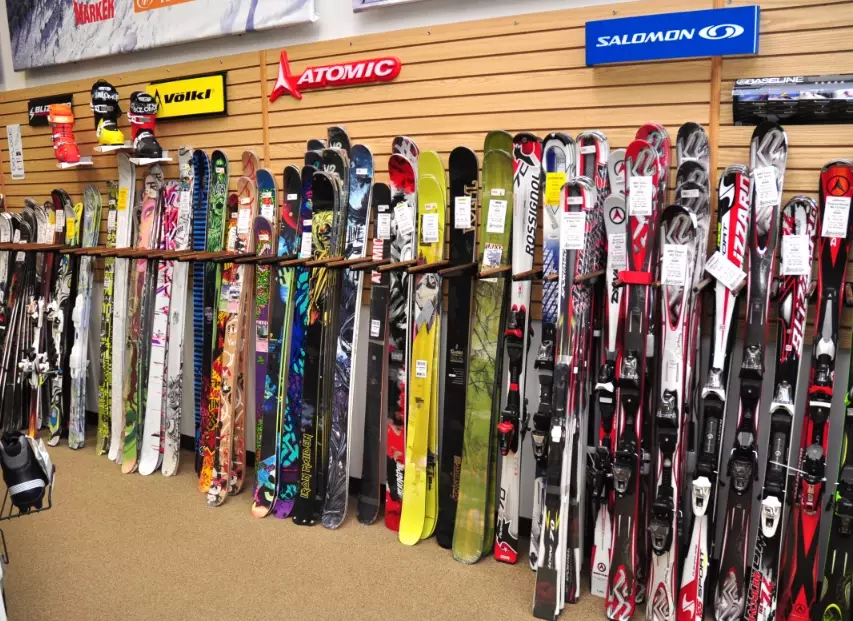
Why Bother with Used Ski Equipment Brands?
New gear is shiny and comes with that fresh plastic smell. But unless you're a pro or have money to burn, it rarely makes sense. Think about it: most recreational skiers won't push a ski to 50% of its potential, let alone wear it out. A well-cared-for ski or boot can have multiple happy owners over its lifespan.
The value proposition for used ski equipment brands is simple. You access a higher tier of gear for the price of an entry-level new model. Want a top-of-the-line carving ski from a brand like Head or Atomic? Buying it two seasons old can save you 40-60%. It's the single fastest way to upgrade your experience on the mountain without breaking the bank.
There's an environmental angle too, which is becoming more important to many of us. Extending the life of gear keeps it out of landfills. The Ski & Snowboard Industry Association (SIA) tracks sustainability efforts in the industry, and buying used is one of the most effective individual choices you can make. You can read about broader industry initiatives on the SIA website.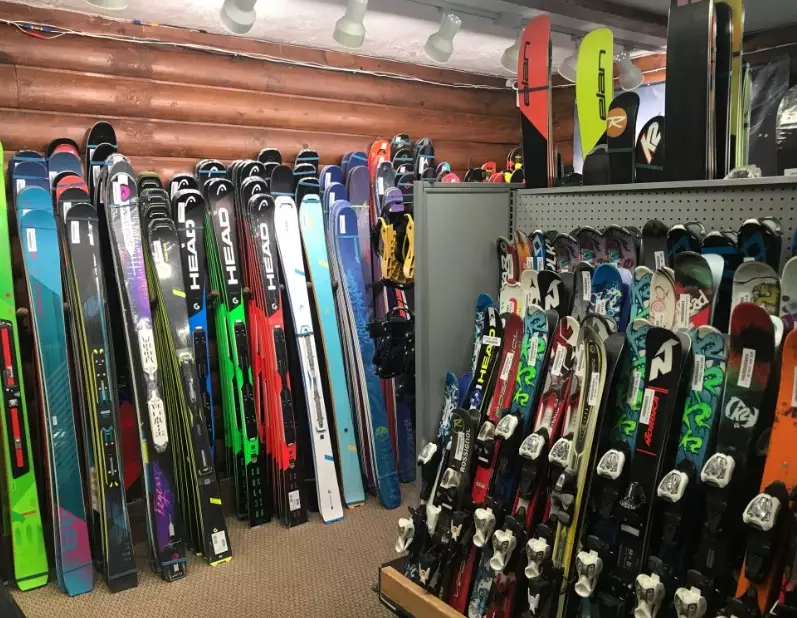
The Top Used Ski Equipment Brands You Can Trust
Not all brands age the same way. Some are built like tanks, while others are more focused on cutting-edge (and sometimes fragile) tech. When buying used, you want brands known for durability and consistent construction.
Here's my breakdown of the most reliable used ski equipment brands, categorized by what they're best for.
| Brand | Why They're Great Used | What to Look Out For | Best For |
|---|---|---|---|
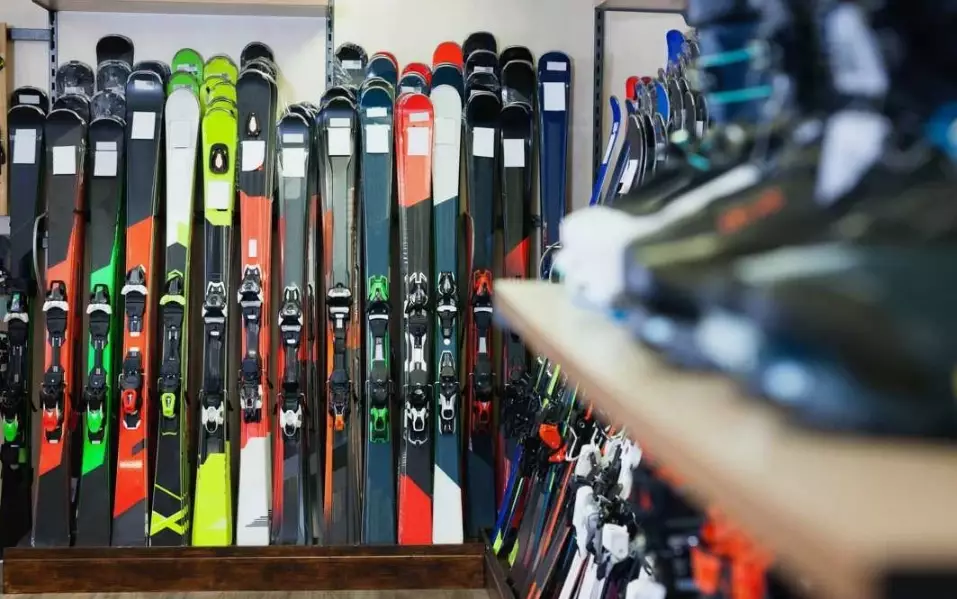
| Volkl | Legendary German engineering and build quality. Their skis are famously durable. The wood cores and construction hold up for years. A 5-year-old Volkl often skis better than a new ski from a less robust brand. | Older models can be quite heavy and demanding. Make sure the model matches your skill level (e.g., avoid a used Volkl Katana if you're an intermediate). | All-mountain chargers, frontside carvers, big mountain skiers who want a bombproof platform. |
| Blizzard | Consistent, high-performance construction across their line. The Brahma series is a used market legend for good reason. They use quality materials that don't degrade quickly. | Less common in super-wide powder shapes. Their niche is more in the all-mountain to frontside category, so powder hounds might look elsewhere. | Strong intermediates to experts wanting versatile, dependable all-mountain performance. |
| Nordica | Another brand with a reputation for solid, skier-friendly construction. Their Enforcer line is arguably the most popular all-mountain ski on the planet, and for good reason. They hold their pop and stability. | Some find their skis a bit "traditional" in feel. Not always the first choice for pure park or jib skiers. | Skiers who want a blend of power, forgiveness, and fun. The Enforcer is a used market staple. |
| Salomon | Widely available, consistently good performance, and often very reasonably priced on the used market. They make fantastic skis across the ability spectrum. Their bindings are also ubiquitous and reliable. | Can sometimes be seen as the "Toyota" of skis – not always the most exciting, but supremely competent. Watch for delamination on much older models. | Everyone from beginners to experts. Great source for used beginner/intermediate skis and solid all-mountain tools. |
| K2 | Often innovative and fun-loving. Many of their skis (like the iconic Poacher or the Mindbender series) are hugely popular and easy to find used. They tend to prioritize a playful, accessible feel. | Build quality, while good, can sometimes feel a notch below the German/Austrian brands in terms of sheer tank-like durability. Not a deal-breaker, just an observation. | Park & pipe skiers, all-mountain skiers who favor playfulness over pure power, lighter-weight skiers. |
That's just the skis. The conversation about used ski equipment brands extends to boots and bindings too, which are arguably more critical from a safety and performance standpoint.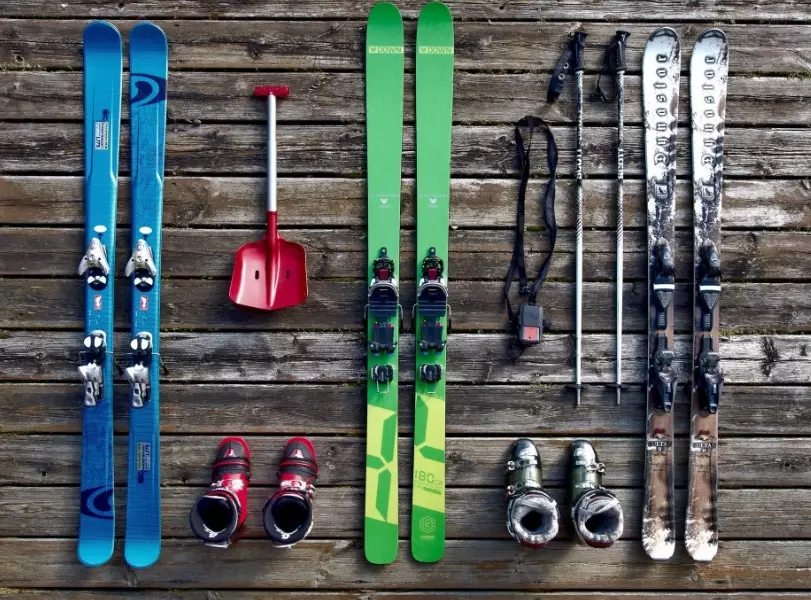
Boot Brands in the Used Market
Boots are trickier. They pack out (the liner compresses) and mold to the original owner's foot. Buying used ski boots is a more personal gamble, but it can pay off with certain brands and scenarios.
Lange, Technica, and Dalbell (now part of Elan) are known for durable shells. A used boot from these brands with a heat-moldable liner or, even better, an aftermarket intuition liner you can heat-mold yourself, can be a fantastic find. I'd be more cautious with very soft, entry-level boot shells, as they deform more easily.
The Binding Conundrum
Here's a hot take: I'm very cautious about used bindings. They are the safety device between you and the mountain. Springs fatigue, plastics get brittle, and indemnification is a real thing.
What's indemnification? Each season, binding manufacturers publish a list of models they will no longer certify for adjustment in a shop due to age or obsolescence. A shop will not touch a non-indemnified binding for liability reasons. Always, always check if the binding on a used ski is still on the current indemnification list. You can find these lists on the websites of Atomic (covers Atomic, Salomon, Armada), Marker, and Look.
My rule? If the skis are a great deal but have old bindings, factor in the cost of a brand-new pair of bindings and a remount. Sometimes it's still worth it.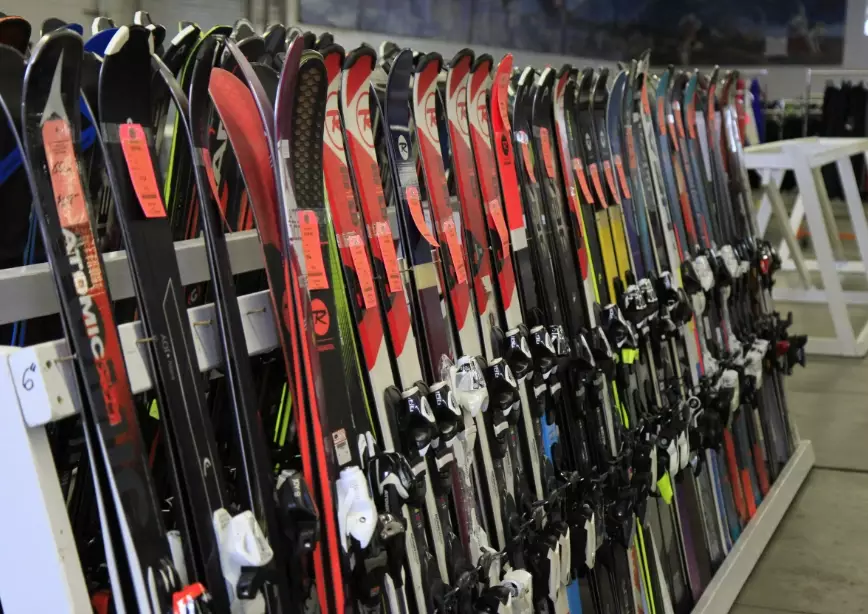
Where to Actually Find This Used Gear
Knowing the brands is half the battle. Knowing where to look is the other half.
Online Marketplaces (eBay, Facebook Marketplace, Craigslist): The wild west. You can find incredible deals, but you need a sharp eye. Ask for specific, high-quality photos of the bases, edges (side and underfoot), and top sheets. Be prepared to ask a lot of questions. Why are they selling? How many days on them? Any core shots or major repairs?
Specialized Online Resellers (Powder7, Geartrade, etc.): Sites like Powder7 have curated used sections. They often lightly tune and inspect the skis before sale, giving more peace of mind than a random private seller. The prices are a bit higher, but so is the trust factor.
The Critical Inspection Checklist (Don't Skip This!)
Before you hand over any cash, run through this list. Print it out if you have to.
The Used Ski & Boot Buyer's Field Guide
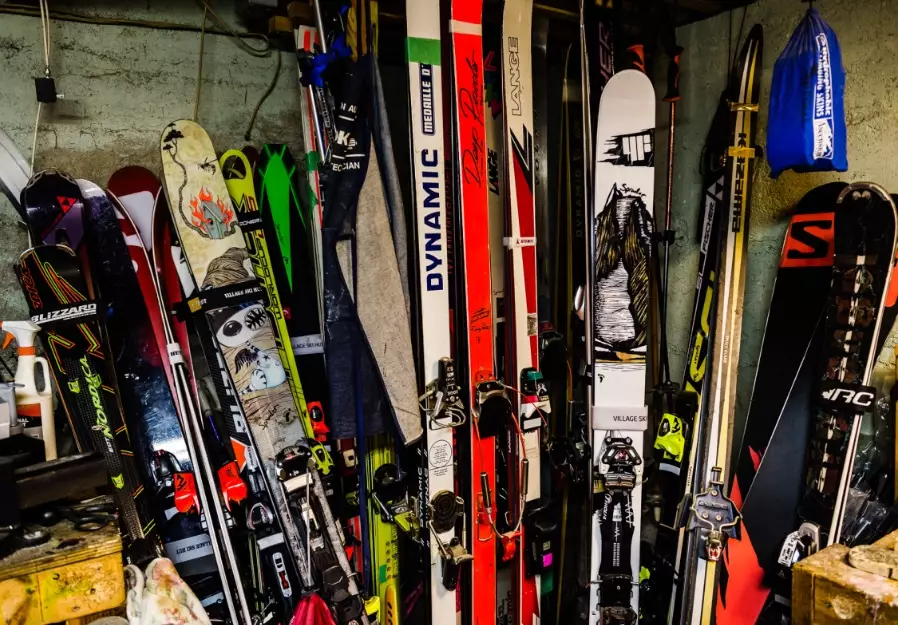
- Bases: Look for deep gouges ("core shots" that expose the wood core) or large patches of p-tex repair. Small scratches are normal. The base structure should still be visible; if it's totally flat and white, the ski has been heavily ground.
- Edges: Are they rusted? A little surface rust can be filed off. Is there significant edge separation (pulling away from the sidewall)? Run your fingernail along the edge – it should feel sharp, not rounded over. Check for edge damage right underfoot, where it's most critical.
- Top Sheet & Sidewalls: Cosmetic chips and scratches are fine. Look for cracks or delamination (where the layers are separating). Press along the sidewall; it should feel solid, not spongy.
- Camber & Flex: Lay the ski flat on the floor. It should still have a visible camber arch in the middle. Press down on the ski – does it feel dead and soggy, or does it still have some life and pop? Compare it to a new ski if you can.
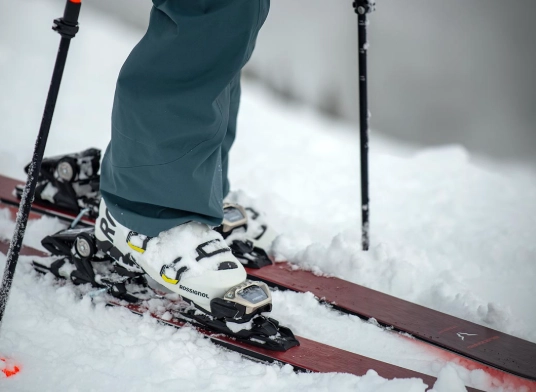
- Bindings: Check the model and look up the indemnification list. Do the brakes deploy smoothly? Are any screws stripped? Are the toe and heel pieces intact?
- Boots (if applicable): Check the shell for cracks, especially around the buckles and cuff pivots. Is the liner excessively packed out and thin? Do all the buckles and straps function?
Common Questions About Used Ski Equipment Brands
How old is too old for used skis?
It's less about years and more about days on snow and storage. A ski from 2015 that was used 10 days a season and stored properly is often in better shape than a 2020 ski used 100 days and left in a wet garage. Generally, for performance, look for skis less than 5-7 years old. Beyond that, you're often into collector/retro territory, and materials (especially in bindings) may have degraded.
Are used skis from "direct-to-consumer" brands a good deal?
Brands like J Skis, Moment, or ON3P make fantastic skis. On the used market, they can be great because they often use durable construction methods. The catch is they are less common, so finding your specific size/model is harder. Because they hold their cult-following value, the discount might not be as steep as with a mass-market brand.
Is it safe to buy used helmets or avalanche safety gear?
NO. Full stop. Never buy a used helmet. You have no idea if it's been in an impact. The foam degrades over time. This is not an area to save money. The same goes for airbag packs (the canister is a one-time-use item and costly to replace) and avalanche transceivers (technology improves, batteries and components age). Buy these items new. Period. Resources like the American Institute for Avalanche Research and Education (AIARE) stress the importance of reliable, modern safety equipment.
What's a fair price?
A rough rule of thumb for used skis with bindings in good condition: 30-40% of original MSRP for skis 1-3 years old, 20-30% for 4-6 years old. Boots depreciate faster due to the fit issue—maybe 25-40% of original if nearly new. Prices vary wildly by brand, model, and condition. Always search for the same model/year to see what others are asking.
Final Thoughts: Building Your Quiver for Less
Navigating the world of used ski equipment brands is a skill. It takes a bit of research, patience, and a critical eye. But the payoff is massive. You can assemble a professional-level quiver—a carving ski, a powder ski, a playful all-mountain tool—for the price of one pair of new top-end skis.
Stick with the durable brands, inspect meticulously, and prioritize local shops or reputable online resellers when you're starting out. Don't get emotionally attached to a listing; there will always be another pair of skis.
The mountain doesn't care if your gear is new or used. It only cares if you can ride it. By choosing used ski equipment brands wisely, you're not just saving money—you're getting on the snow with better gear, sooner. And that's what it's all about.
Related Articles


Comments
Join the discussion