Your Skiing Roadmap
- Why the All-Mountain Ski Owns the Mountain
- Breaking Down the All-Mountain Category
- How the All-Mountain Ski Stacks Up Against the Competition
- Who is the All-Mountain Ski For?
- Choosing Your All-Mountain Ski: A Practical Guide
- Answering Your Burning Questions (FAQ)
- The Final Run: Why the Common Choice is the Smart Choice
So you're standing in a ski shop, or maybe you're scrolling online, and you're hit with a wall of options. Powder skis, carving skis, freestyle skis, touring skis... it's enough to make your head spin. If you've ever asked yourself, "What is the most common type of ski?" you're not alone. It's the first question a lot of new skiers have, and honestly, even some seasoned skiers get confused by the marketing jargon.
Let's cut through the noise. The undisputed champion, the workhorse of the ski world, the one you'll see strapped to probably 70% of people on any given mountain, is the all-mountain ski. That's the short answer. But why? What makes this one type so incredibly popular that it dominates sales and rental fleets from Colorado to the Alps? The story is more interesting than you might think, and it's not just about being a boring "jack of all trades." It's about a fundamental shift in how we ski and what we expect from our gear.
I remember my first real pair of skis as an adult. I was coming back to the sport after a long break. The guy in the shop took one look at me, a cautious intermediate who just wanted to have fun everywhere, and said, "You want an all-mountain ski. Don't overthink it." He was right. That pair opened up the whole mountain for me in a way my old, straight, unforgiving skis never could. That's the magic we're talking about.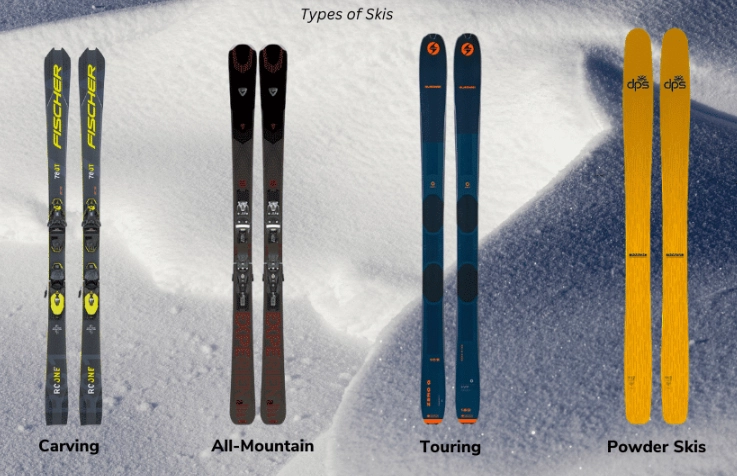
Why the All-Mountain Ski Owns the Mountain
It wasn't always this way. Decades ago, skis were long, narrow, and made for basically one thing: making turns on groomed snow. If you wanted to go off-piste, you needed a completely different mindset and often different equipment. The rise of the all-mountain ski is tied directly to two big revolutions: shape and mindset.
The introduction of sidecut (that hourglass shape where the tip and tail are wider than the waist) in the 1990s was a game-changer. Suddenly, skis were easier to turn. This technology trickled down and became the foundation for modern skis. Then came the desire for more fun. Skiers stopped being content with just cruising corduroy all day. They wanted to dip into the trees, play in a bit of soft snow, hit a small jump, and then go back to the groomer to meet their friends. The sport became more playful and exploratory. The equipment had to keep up.
Enter the modern all-mountain ski. It's built on a compromise, but a brilliantly engineered one. It has enough sidecut to carve nicely on hard snow, but it's also wide enough underfoot (typically between 80mm and 100mm) to provide decent float in a few inches of fresh snow. It has some rocker in the tip (the upward curve) to prevent diving in powder and make initiating turns easier, but it still has camber underfoot (the traditional upward arch) for energy and grip on firm snow.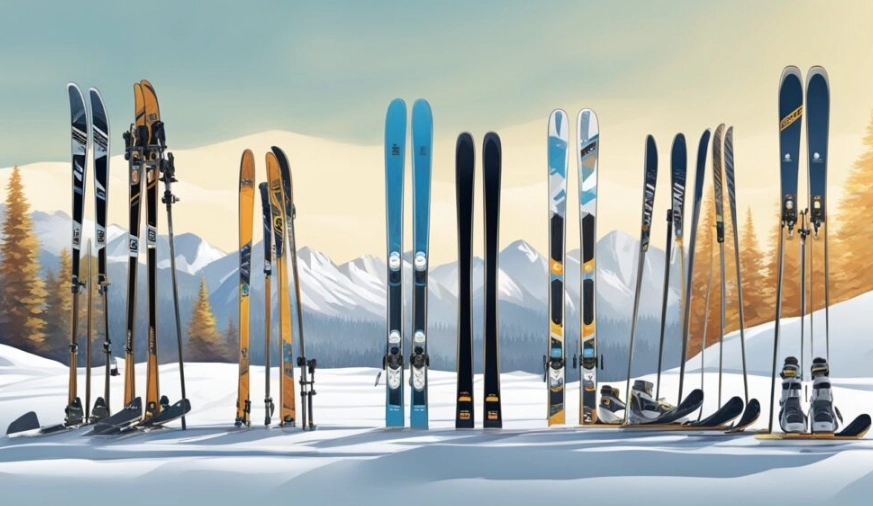
Think about rental shops. They're a perfect barometer for the most common type of ski. They stock what the majority of people need and can use safely. Walk into any major rental operation, from Vail to Verbier, and what will you see? Racks and racks of all-mountain skis. They're forgiving, versatile, and let the renter have a good experience regardless of their skill level or the day's conditions. If all-mountain skis weren't reliably good at everything, this wouldn't be the case.
Breaking Down the All-Mountain Category: It's Not One-Size-Fits-All
Now, saying "all-mountain ski" is a bit like saying "sedan." There's a huge range within the category. This is where things get specific and where you can find the perfect match for your style. Generally, they're split into sub-categories based on their width underfoot (the waist width), which is a great indicator of their personality.
All-Mountain Frontside (Waist: 75-85mm)
These are the carvers of the all-mountain family. They love groomed runs. If your perfect day is making high-speed, crisp turns on corduroy and hardpack, but you still want the ability to handle the occasional bump run or cut through some tracked-out snow, this is your zone. They're quick-edged, responsive, and fantastic for building technique. For skiers in the East or the Alps, where conditions are often firmer, this might be the most common and practical type of ski in their personal quiver.
All-Mountain (Waist: 85-100mm)
This is the sweet spot. The true core of the category. This width gives you excellent performance on groomers while offering meaningful float and stability in softer snow and crud. It's the true "do-it-all" width. If you could only own one pair of skis for the rest of your life, a ski in this range is the safest, smartest bet. It handles the majority of conditions a typical skier encounters. When people generically ask, "What is the most common type of ski?" they are most often picturing a ski in this 90mm-ish range.
All-Mountain Wide / Powder (Waist: 100-115mm)
These skis are for the skier whose heart leaps when it snows. They prioritize off-piste performance, float in deep powder, and stability in variable conditions. You can still ski them on groomers, but they'll feel a bit slower to edge and less "zippy" than a narrower ski. They're ideal for the Western US skier or anyone who seeks out soft snow and doesn't mind a trade-off on the hardpack. They're becoming increasingly common as skiers seek more adventure.
| All-Mountain Sub-Type | Typical Waist Width | Best For... | Compromise |
|---|---|---|---|
| Frontside | 75mm - 85mm | Groomed runs, hardpack, carving, technical skiing | Less float in deep powder |
| All-Mountain (Core) | 85mm - 100mm | The true "one-ski quiver," mixed conditions, most recreational skiers | The ultimate balance; minor compromises everywhere for major gains in versatility |
| All-Mountain Wide | 100mm - 115mm | Powder days, soft snow, off-piste exploration, variable/crud | Slower edge-to-edge on hard snow, less nimble on groomers |
See, the category is nuanced. The most common type of ski for a hard-charging East Coast racer-turned-recreational skier will be different from the most common type for a laid-back California skier who lives for storm days. But they'll both likely be shopping within the broad all-mountain umbrella.
How the All-Mountain Ski Stacks Up Against the Competition
To really understand why the all-mountain ski is so common, it helps to see what it's *not*. Let's do a quick flyby of other ski types and their niches.
Carving Skis / Race Skis: These are the F1 cars. Incredibly precise, stiff, and unforgiving on groomed snow. They have deep sidecuts and are often very narrow. Take them off the smooth track (i.e., into any bump or bit of soft snow) and they're a nightmare. They're for specialists. Fun for a few runs, but exhausting and scary for a whole day for most people.
Powder Skis: These are the monster trucks. Very wide (115mm+), often with lots of rocker, designed to float on top of deep snow. On a deep day, they're a dream. On anything else, especially hardpack, they feel like trying to steer two canoes. They're a luxury second or third ski for most.
Freestyle Skis: Built for the park—durable, twin-tipped (curved up at both ends for skiing backwards), and flexible for landing jumps. They're often decent all-mountain skis too, but their focus is on playfulness and durability over high-speed stability.
Big Mountain / Freeride Skis: These are the charger skis for experts who ski fast in steep, extreme terrain. They're stiff, heavy, and damp to plow through anything. For an average skier, they feel like driving a tank—powerful but exhausting and not very nimble.
When you look at this list, a pattern emerges. All these other types are optimized for a specific condition or style. The all-mountain ski is compromised for general use. And for 80% of skiers, 80% of the time, that general-use compromise is exactly what they need. It's the practicality that wins.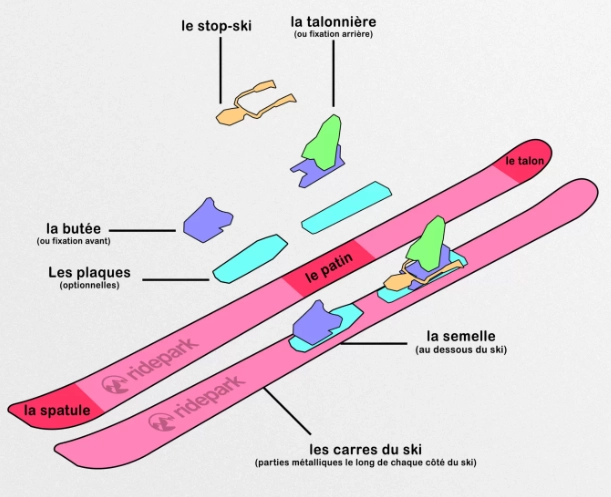
Pros:
- Versatility: The big one. Handles groomers, crud, bumps, and a bit of powder.
- Forgiving: Modern shapes and rocker make them easier to turn and more stable than old skis.
- Cost-Effective: You only need to buy (or rent) one pair.
- Confidence-Inspiring: Lets you explore the whole mountain without fear your skis will hold you back.
- Great for Progression: The perfect tool to learn and improve on as you tackle more varied terrain.
- Master of None: It won't carve like a race ski or float like a powder ski. The compromise is real.
- Can Feel "Meh": On a perfect day for a specialist ski (e.g., a foot of fresh powder), you might wish you had the optimized tool.
- Decision Fatigue: The sheer number of models within the category can be overwhelming.
I have a pair of dedicated powder skis. They're 115mm underfoot and an absolute blast on a deep day. But you know what? I probably ski them 5 days a year. The other 15-20 days I'm on the mountain, I'm on my 94mm all-mountain skis. That ratio tells you everything about which type is truly the most common in my life, and in the sport.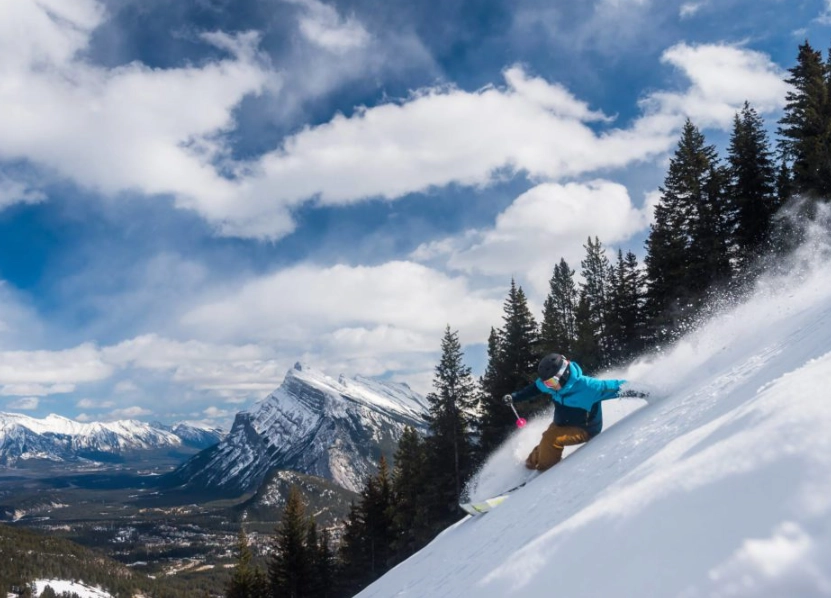
Who is the All-Mountain Ski For? (Spoiler: Probably You)
Let's make this personal. Is the most common type of ski the right type of ski for you?
You are very likely an all-mountain skier if:
- You ski 1-4 weeks a year.
- You consider yourself a beginner, intermediate, or advanced (but not expert/pro) skier.
- You like to mix up your day—some groomers, some bumps, some tree runs.
- You don't know exactly what conditions you'll face on your ski trip.
- You are buying your first pair of skis or upgrading from beginner gear.
- You value fun and exploration over hyper-specific performance.
If you're nodding along, then yes, an all-mountain ski is almost certainly your best bet. Embracing the most common type of ski isn't settling for average; it's choosing the most intelligent, practical tool for the job of having fun on a mountain.
Choosing Your All-Mountain Ski: A Practical Guide
Okay, you're sold on the category. How do you pick one? Forget marketing hype. Focus on these three concrete factors:
1. Waist Width (The Personality Gauge): This is your starting point.
- East Coast / Firm Snow Dominant: Look at 75-88mm.
- West Coast / Mixed Conditions / One-Ski Quiver: 88-98mm is the goldilocks zone.
- Powder-Chaser / Soft Snow Focus: 98-108mm.
2. Skill Level & Ski Feel:
- Beginner/Intermediate: Look for skis with more rocker (easier turn initiation, more forgiving), a softer flex, and maybe a bit lighter construction. They'll be less punishing.
- Advanced/Expert: You'll want more camber underfoot for grip, a stiffer flex for stability at speed, and maybe a heavier, damper construction to blast through chop.
3. Where You Ski Most: This goes hand-in-hand with width. The ski industry, through organizations like Snowsports Industries America (SIA), tracks trends that show clear regional preferences that align with typical snow conditions.
My biggest piece of advice? Demo. If you can, rent different models for a day before you buy. A ski that feels like a magic carpet to one person might feel dead to another. It's the only way to know for sure.
Answering Your Burning Questions (FAQ)
The Final Run: Why the Common Choice is the Smart Choice
So, what is the most common type of ski? By now, the answer should be crystal clear. The all-mountain ski reigns supreme not by accident, but by brilliant, user-focused design. It solved the fundamental problem for the recreational skier: unpredictability. We can't control the weather, the snow conditions, or sometimes even what run our friends want to try next. The all-mountain ski gives us the freedom to say "yes" to all of it.
Its dominance in rental shops, its overwhelming presence on retail walls, and its popularity among guides and instructors—who need a reliable tool for any client on any day—all point to the same truth. It's the pragmatic heart of modern skiing.
Choosing the most common type of ski isn't about being unadventurous. It's the opposite. It's about equipping yourself for maximum adventure. It's the pair that lets you follow a friend into the trees, carve a sun-sopped groomer, and laugh through the afternoon bumps without a second thought about your gear. In a world of infinite specialization, there's something powerful and profoundly fun about a tool built for everything. That's why, when you ask what is the most common type of ski, the answer is more than just a category—it's the key to unlocking the whole mountain.
Now go get fitted, and I'll see you out there.
Related Articles
Comments
Join the discussion