Let's cut to the chase. You're thinking about skiing in Colorado because you've heard the legends: 300 days of sunshine, light Rocky Mountain powder, and resorts so big you need a trail map just to find the bathroom. It's all true, to an extent. But planning a Colorado ski trip can feel overwhelming. Which of the 30+ major resorts is right for you? How do you avoid the infamous I-70 traffic? And what's the real deal with altitude sickness? I've been skiing these hills for over a decade, made every mistake in the book, and I'm here to give you the straight talk you won't find on a resort's marketing page.
What's Inside This Guide
Why Colorado Skiing is Worth the Hype (and Cost)
First, the numbers. According to Colorado Ski Country USA, the state's ski industry association, the annual snowfall averages between 300 to 500 inches across the major resorts. That's dry, fluffy snow, not the wet cement you get on the East Coast. The season is long, typically from mid-November to late April, with some high-altitude areas like Arapahoe Basin and Loveland stretching into June.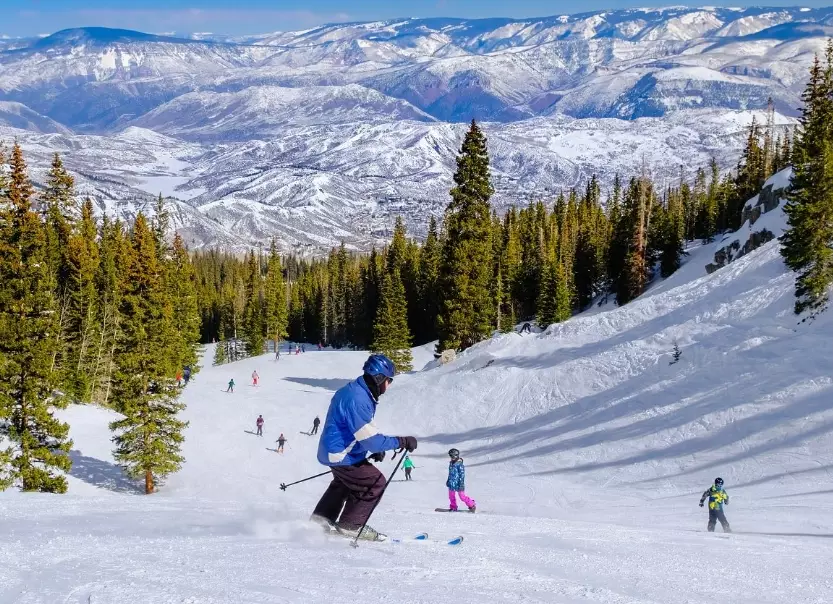
But it's not just the snow. It's the scale. Vail's 5,317 skiable acres. The interconnected villages of Aspen Snowmass. The sheer vertical at Breckenridge. You can ski for a week and not cover the same ground twice. The infrastructure is top-notch—high-speed lifts, groomed-to-perfection corduroy, and mountain restaurants that feel like fine dining.
Picking Your Perfect Colorado Ski Resort
Don't just pick the biggest name. Match the resort to your group's vibe and skill level. Here’s my breakdown, based on countless trips and conversations with locals.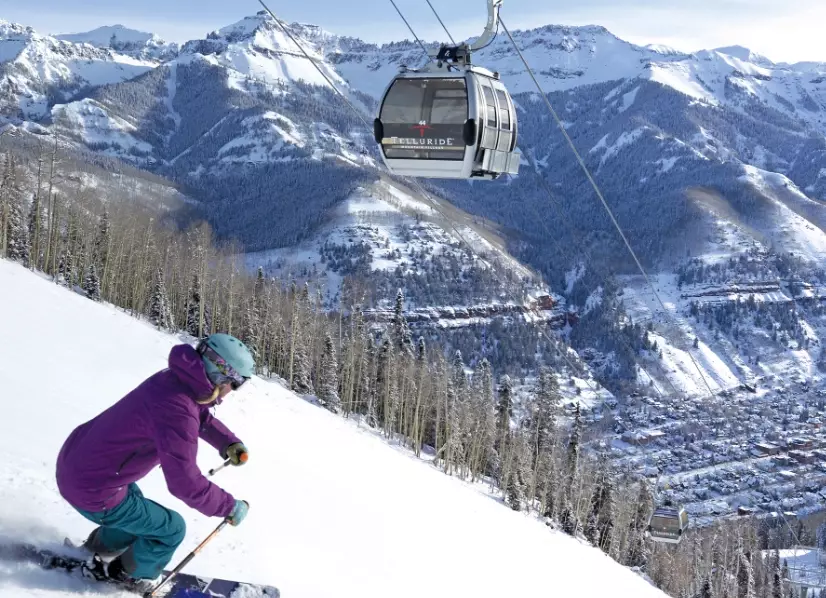
For Families, Beginners, and First-Timers
If you're new to skiing or have kids in tow, prioritize ease, learning terrain, and a relaxed atmosphere.
Copper Mountain is a local secret for beginners. The mountain's layout naturally separates ability levels—green runs on the west side, blues in the center, blacks on the east. You won't have experts bombing past you on a beginner slope. The village is compact and walkable. A day ticket here often costs 20-30% less than at Vail, just 25 minutes away.
Keystone nails the family experience. Night skiing, a massive tubing hill, a kid-friendly village with ice skating, and the hassle-free River Run Gondola from the parking lot to the slopes. Their ski school is one of the best. The trade-off? It gets crowded, especially on weekends.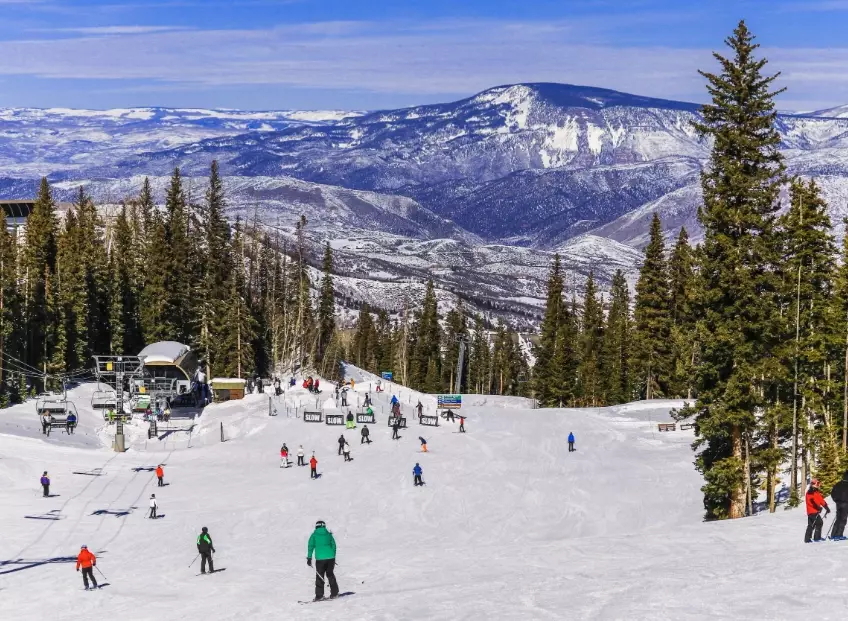
For Experts and Powder Hounds
You live for steeps, deeps, and challenging terrain. You want the goods.
Arapahoe Basin (A-Basin) is a no-frills legend. The base area is at 10,780 feet—the highest in North America. This means a long season and often the best spring skiing. The East Wall is a rite of passage for expert skiers, requiring a hike and serious skill. Don't come here for a fancy village; come for the pure, challenging skiing and the legendary “Beach” tailgate scene in the parking lot.
Telluride is remote, stunningly beautiful, and has some of the most intense in-bounds terrain you'll find. The hike-to terrain off Palmyra Peak and Gold Hill will test anyone. Because it's a 6-hour drive from Denver, it filters out the crowds. It's expensive, but you're paying for exclusivity and jaw-dropping scenery.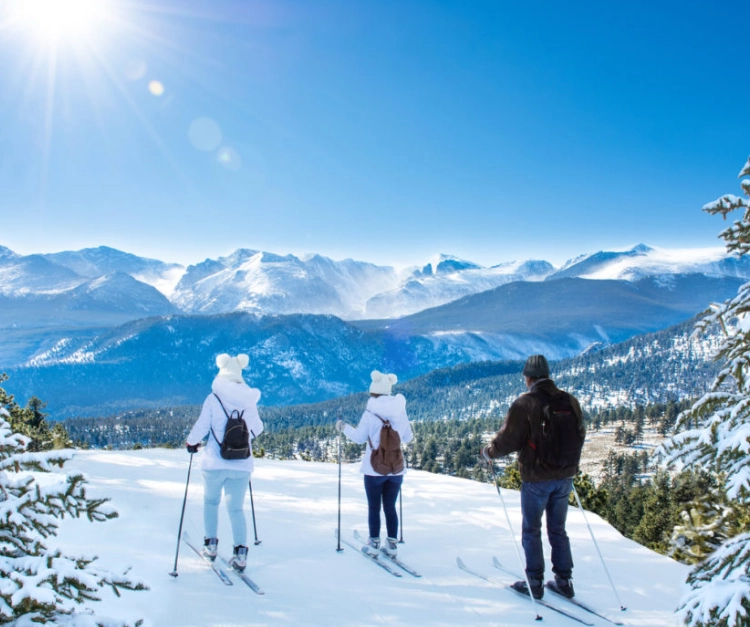
For the Ultimate Luxury & Village Experience
You want skiing plus high-end shopping, five-star dining, and a picturesque European-style village.
Aspen Snowmass is the gold standard. Four mountains on one ticket: Buttermilk for beginners, Snowmass for intermediates and families, Aspen Mountain for advanced skiers right in town, and Highlands for experts (home of the famous Highland Bowl hike). The town of Aspen is a destination in itself, with world-class restaurants and galleries. The downside? It might be the most expensive trip you'll ever take.
Vail is massive. The Back Bowls—7 miles of wide-open, intermediate-to-advanced terrain—are unique. The village, while feeling a bit manufactured, has everything you could want. It's the quintessential big-resort experience. Just be prepared for lift lines and a higher percentage of tourists in jeans on the slopes.
| Resort | Best For | Key Feature / Vibe | Peak 1-Day Ticket (Approx.) | Nearest Major Airport |
|---|---|---|---|---|
| Copper Mountain | Beginners, Families | Naturally divided terrain, less crowded | $209 | Denver (DEN) - 75min drive |
| Keystone | Families, Night Skiing | Kid-friendly activities, convenience | $235 | Denver (DEN) - 90min drive |
| Arapahoe Basin | Experts, Spring Skiing | High altitude, challenging terrain, local vibe | $159 | Denver (DEN) - 90min drive |
| Telluride | Experts, Scenery | Remote, steep, stunning box canyon | $225 | Montrose (MTJ) - 90min drive |
| Aspen Snowmass | Luxury, Variety | Four mountains, iconic town, high-end | $239 | Aspen (ASE) - 10min drive |
| Vail | Intermediate/Advanced, Size | Massive acreage, famous Back Bowls | $275 | Denver (DEN) - 2hr drive* |
*Heavy traffic can double this time on weekends/powder days.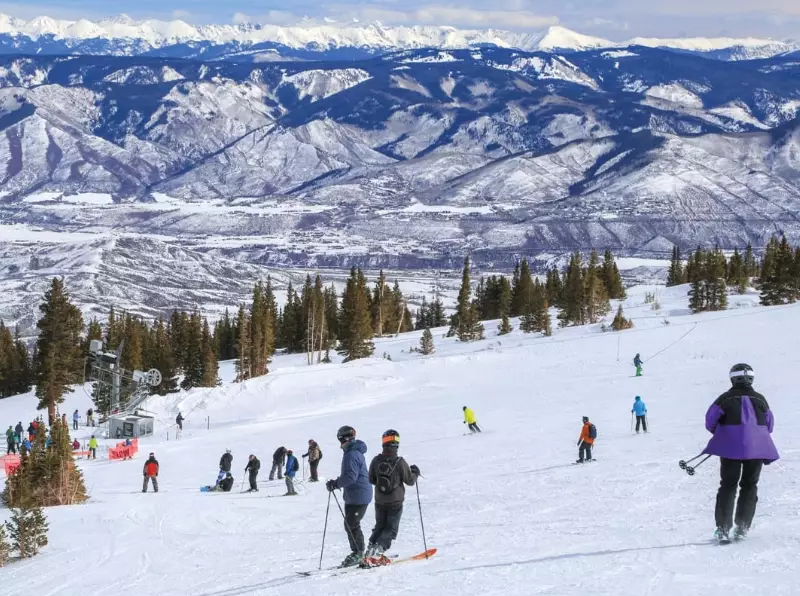
The Nitty-Gritty: Trip Planning & Logistics
This is where trips go wrong. Let's get practical.
Getting There and Getting Around
Flying into Denver (DEN) is the main hub for most resorts along the I-70 corridor (Vail, Beaver Creek, Breckenridge, Keystone, Copper, Winter Park). Rent a car with 4WD or AWD—non-negotiable. Colorado traction laws are enforced, and you'll need either snow tires, 4WD/AWD, or tire chains during winter storms. Check COtrip.org for real-time road conditions.
For resorts in the southwest like Telluride or Crested Butte, consider flying into Montrose (MTJ) or Gunnison (GUC). For Aspen/Snowmass, fly directly into Aspen (ASE). It's pricier but saves you a treacherous mountain drive.
Where to Stay: On-Mountain vs. Nearby Towns
Ski-in/ski-out is glorious but expensive. Staying in a nearby town can cut costs dramatically.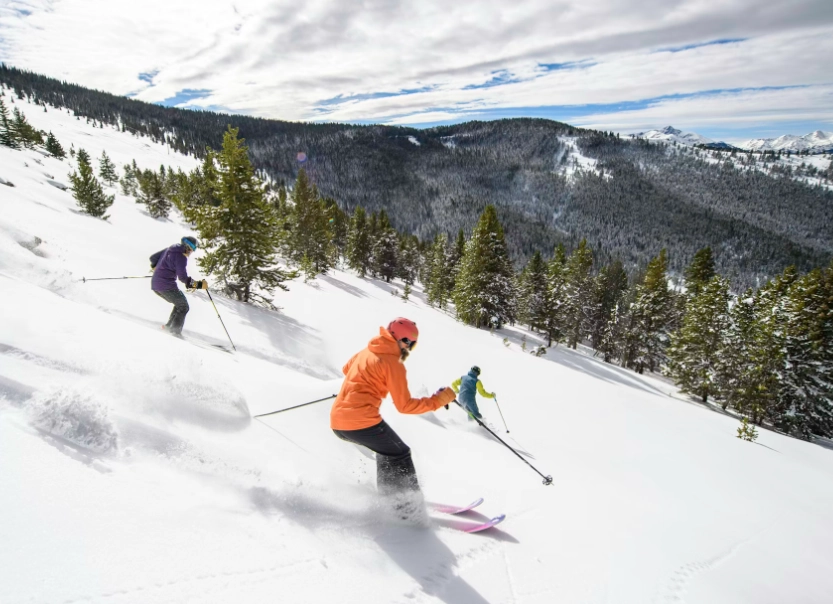
For Vail/Beaver Creek, look at Avon or Edwards. For Breckenridge, look at Frisco or Silverthorne. For Aspen, Snowmass Village is often more affordable than downtown Aspen. These towns have free or cheap shuttle buses to the resorts. Book lodging with a kitchen to save on food costs.
A Realistic Budget for a 5-Day Trip (Per Person)
- Lift Tickets: $800-$1,200 (Advance multi-day or pass discounts crucial)
- Lodging (shared): $600-$1,500
- Car Rental + Gas: $300-$500
- Food & Drink: $400-$700 (pack lunches!)
- Ski Rental: $150-$250
- Total Estimate: $2,250 - $4,150+
It's a big number. That's why planning a year in advance for pass deals is the single biggest money-saver.
Pro Tips for First-Timers & Seasoned Skiers
Here's the stuff you learn after a few seasons, the hard way.
Altitude is Your #1 Enemy. Denver is at 5,280 feet. Your resort base might be at 9,000+ feet. Drink twice as much water as you think you need, starting 2 days before you arrive. Avoid alcohol the first night. I've seen too many people ruin day one with a pounding headache and nausea they blame on a hangover—it's altitude sickness.
Rent Your Gear in Town, Not at the Resort. Shops in Dillon, Frisco, or even in Denver near the airport (like Christy Sports) are 30-50% cheaper than on-mountain rental shops. Reserve online for an extra discount.
The “First Chair” Fallacy. Everyone rushes to the main gondola at 8:30 AM. Instead, show up at 9:15 AM, after the initial rush. Or, find a lesser-used lift on the periphery of the resort. You'll ski onto the chair while others are still in a 30-minute line.
Layer Like a Pro. Colorado weather changes fast. A moisture-wicking base layer, an insulating mid-layer (fleece or thin puffy), and a waterproof shell. Avoid cotton at all costs—once it's wet, you're cold for the day. Pack a small backpack with an extra layer, water, and snacks.
Your Colorado Skiing Questions, Answered
Related Articles
Comments
Join the discussion