Let's cut to the chase. You've booked your flights to Japan, you're dreaming of bottomless Hokkaido powder or the epic tree runs in Hakuba, but now you're staring at a map wondering how to actually get from Narita or Haneda airport to those distant, snowy mountains. Renting a car in winter Japan is a brave move (think chains, narrow roads, and left-side driving). The train is fantastic, but with bulky ski bags and multiple transfers, it can turn into a logistical puzzle. That's where Japan's extensive and surprisingly efficient ski bus network becomes your best friend.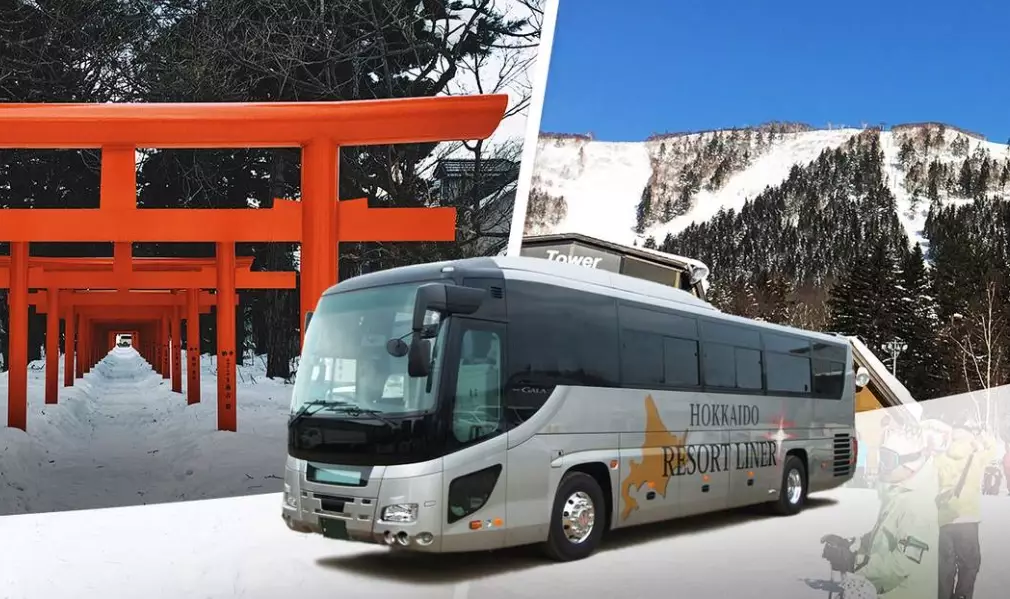
I've spent over a decade chasing snow in Japan, and I've missed a bus, been on the perfect one, and learned the hard way about luggage limits. This guide isn't just a list of routes; it's the playbook I wish I had on my first trip.
Your Quick Jump to Ski Bus Info
Why a Ski Bus is Your Smartest Move for Japanese Ski Resorts
Forget the stress. A dedicated resort shuttle bus picks you up from a major transport hub and drops you right at your accommodation or the resort base. No hauling gear up station stairs. No figuring out local buses with your skis. The drivers handle the mountain roads. You just sit back, watch the scenery change from city to snow country, and maybe take a nap.
The cost is almost always lower than the Shinkansen (bullet train) for a comparable journey, especially if you're traveling alone. For groups, it's a no-brainer. The buses are designed for skiers and snowboarders, with oversized luggage compartments that easily swallow ski bags, board bags, and massive suitcases.
How to Book Your Japan Ski Bus Tickets
Booking isn't uniformly simple, and this is where many first-timers slip up. There are three main channels, and your choice depends on flexibility and language comfort.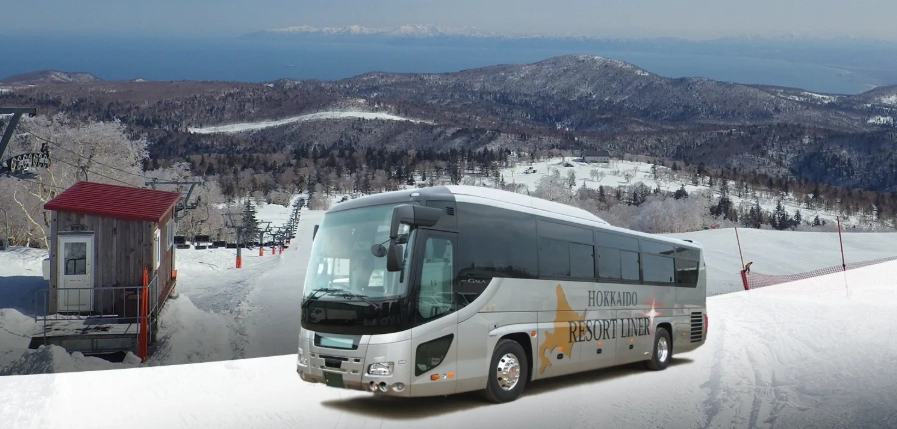
1. Official Resort/Agency Websites (English)
This is the easiest route for international visitors. Many large resorts and dedicated travel agencies run their own buses and have English booking sites.
- White Bear Shuttle: A legend for Niseko, with direct services from New Chitose Airport (CTS). Their site is clear, and they service multiple drop-off points in Hirafu. Book early.
- Nagano Snow Shuttle: The go-to for Hakuba and Nozawa Onsen from Tokyo. Clean website, multiple daily departures from Shinjuku. They also offer a handy "Meet & Greet" service at Narita/Haneda if your flight connects.
- Resort-owned buses: Check your resort's official "Access" page. Places like Rusutsu and Club Med Sahoro often have their own direct transfers.
2. Japanese Highway Bus Aggregators
For more options and sometimes better prices, dive into the Japanese systems. The interfaces can be challenging but are manageable with browser translation.
- Willer Express: Has an English site and offers multi-trip bus passes. Great for linking multiple destinations.
- Japan Bus Online: A massive aggregator. Use Google Translate. You'll find routes operated by companies like JR Bus Kanto and Alpico Kotsu here.
3. In-Person at Terminal Counters
Risky in peak season (December-February). Buses do sell out, especially on Friday evenings and Saturday mornings heading to the mountains, and Sunday evenings returning to Tokyo. I've seen people stranded at Shinjuku Bus Terminal. Book ahead.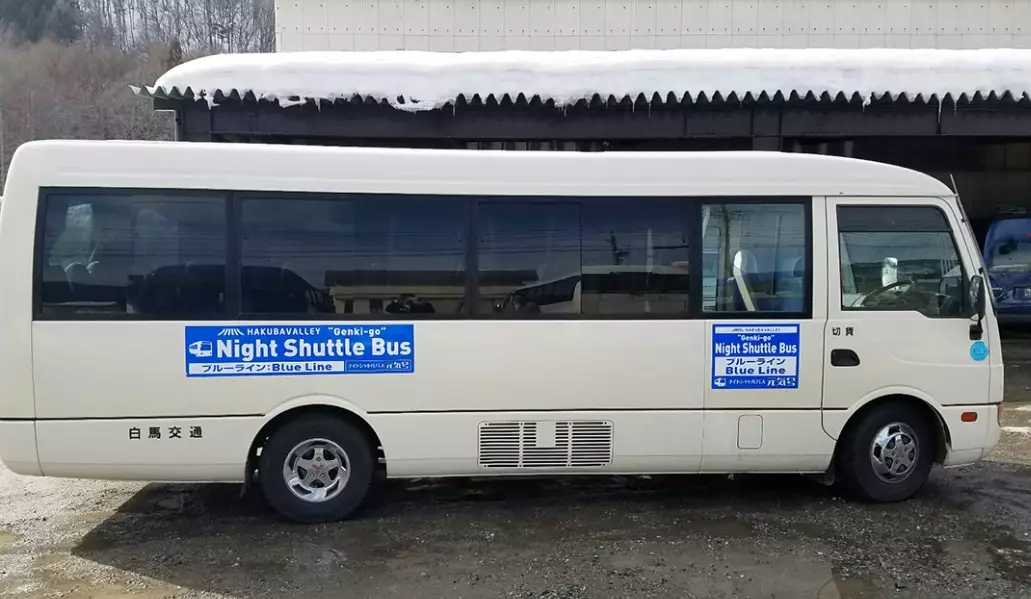
Top Ski Bus Routes from Major Cities
Here’s the meat of it. These are the workhorse routes that connect millions of skiers to the snow every year. Times and prices are approximate for the upcoming winter season.
| Departure City | Main Destination(s) | Key Operator(s) | Approx. Travel Time | Approx. Fare (One-Way) | Key Departure Point |
|---|---|---|---|---|---|
| Tokyo | Hakuba Valley Resorts | Nagano Snow Shuttle, Alpico Kotsu | 5 - 5.5 hours | ¥8,000 - ¥12,000 | Shinjuku Expressway Bus Terminal |
| Tokyo | Nozawa Onsen | Nagano Snow Shuttle, JR Bus Kanto | 4.5 - 5 hours | ¥7,500 - ¥10,000 | Shinjuku, Ikebukuro |
| Tokyo | Shiga Kogen | JR Bus Kanto, Nagano Snow Shuttle | 4 - 4.5 hours | ¥7,000 - ¥9,500 | Shinjuku, Tokyo Sta. |
| Osaka/Kyoto | Myoko Kogen, Madarao | Echigo Tokimeki Railway Bus | 5 - 6 hours | ¥6,500 - ¥9,000 | Osaka (Umeda), Kyoto Sta. |
| Osaka/Kyoto | Hakuba (via Nagano) | Alpico Kotsu (often requires train to Nagano first) | 6+ hours (total) | Varies | Combined train/bus journey |
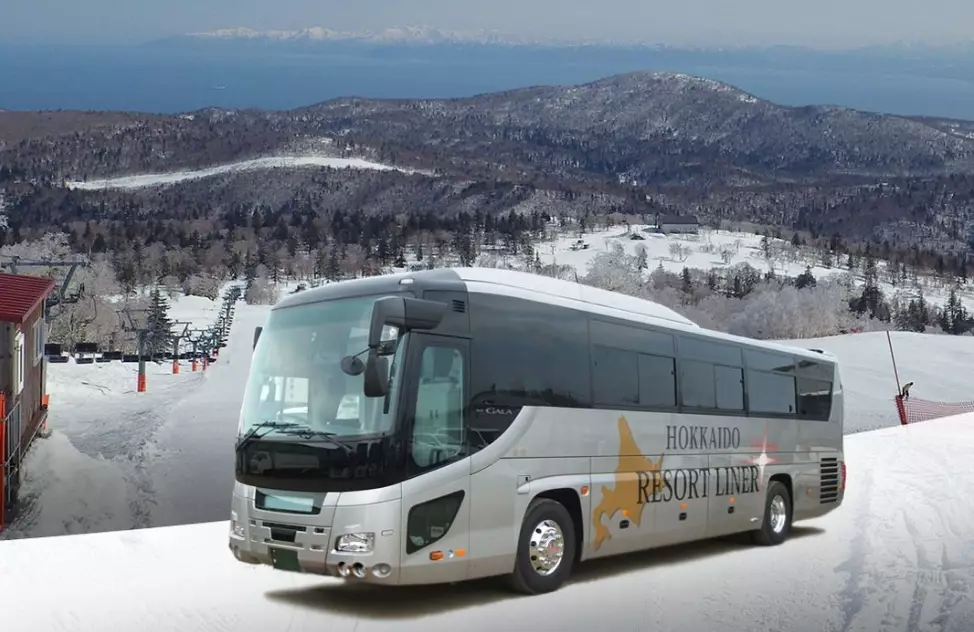
| Sapporo/New Chitose (CTS) | Niseko (Hirafu, Annupuri) | White Bear Shuttle, Hokkaido Resort Liner | 2.5 - 3.5 hours | ¥4,500 - ¥6,500 | CTS Airport, Sapporo Sta. |
| Sapporo/CTS | Rusutsu Resort | Resort Liner, Chuo Bus | 1.5 - 2 hours | ¥3,000 - ¥4,500 | CTS Airport, Sapporo Sta. |
| Nagoya | Hakuba, Nozawa | Meitetsu Bus, Alpico Kotsu | 4 - 5 hours | ¥7,000 - ¥10,000 | Meitetsu Bus Center |
A critical nuance most blogs miss: Not all "Hakuba" buses go to all areas. A bus might terminate at Happo Bus Terminal (central), while your lodge is in Wadano or Echoland. You might need a 10-minute local taxi ride at the end. Always confirm the specific drop-off point when booking.
Money-Saving Bus & Rail Passes You Should Know About
If you're planning multiple moves, a pass can slash your transport costs.
JR Bus Passes
JR Tohoku/Hokuriku Arch Pass: This is a Shinkansen pass, but it crucially includes JR highway buses in the region. If you're using the Shinkansen to get to Nagano or Sendai, and then a JR bus to your resort (like some services to Zao Onsen or Appi Kogen), it's all covered. Check the JR East website for exact coverage.
Regional All-You-Can-Ride Bus Passes
Once you're in a ski area, these are gold.
- Hakuba Valley Travel Pass: Covers local buses between all Hakuba resorts (Happo, Iwatake, Goryu, etc.) and the train station. Essential if your accommodation isn't ski-in/ski-out.
- Myoko Snow Shuttle Pass: Unlimited rides on the shuttle buses connecting Akakura, Suginohara, Ikenotaira, and Seki resorts.
- Niseko United All Mountain Pass: While primarily a lift ticket, it includes the inter-resort shuttle bus that connects Hirafu, Hanazono, Niseko Village, and Annupuri. Don't pay extra for that bus.
Pro Tips & What to Expect Onboard
Here’s the stuff from a decade of riding these buses.
Luggage is king. You get one large item (ski/board bag) and one suitcase, usually. If you have two massive suitcases and a ski bag, you might get charged an extra fee (~¥1000-2000) or, in a worst-case scenario, be refused boarding. Pack smart.
Punctuality is non-negotiable. Buses leave exactly on time. Be at the departure gate 20 minutes early. The departure points in places like Shinjuku are massive—find your gate first, then get food.
Onboard amenities vary. Most highway buses have toilets, reclining seats, and curtains. Some have Wi-Fi (don't count on it being strong in the mountains). Night buses will have footrests and more recline. Day buses are more basic.
Food and drink: You can bring anything on board. I always grab a bento box and drinks from the station depachika (food hall) for the ride. There's usually one 15-20 minute rest stop on longer journeys (>4 hours).
The return journey is the real test. Your bus back to the city will often leave from a different, smaller stop than where you arrived. Your booking confirmation will have a map. Take a photo of that spot when you arrive. On your last morning, with all your gear, in a potential snowstorm, you don't want to be searching for a bus stop.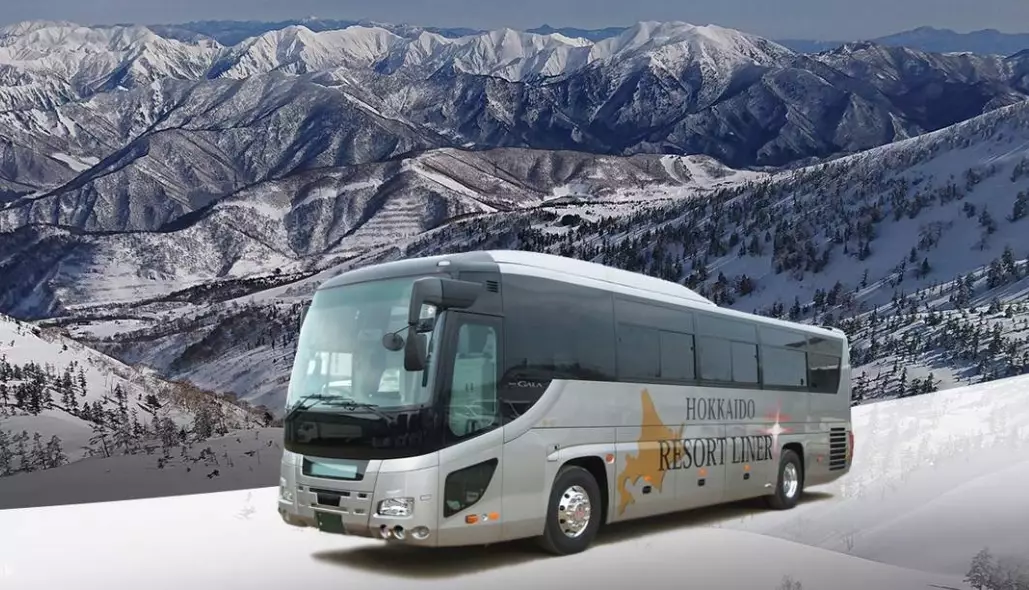
Ski Bus FAQs: Your Real Questions Answered
 My international flight arrives at 3 PM. Can I make a same-day bus to the mountains?
 The bus network is the hidden backbone of a Japanese ski trip. It’s reliable, cost-effective, and removes a huge layer of complexity. Do your research, book key legs early, and understand the local passes. Then, all you have to worry about is finding the freshest line.
Related Articles

Comments
Join the discussion