Let's cut to the chase. You've heard the hype: "Most snow in Colorado." "Uncrowded slopes." "Old-school vibe." Is Wolf Creek Ski Resort the real deal, or just a marketing line for a remote mountain? After more than a dozen trips there over the years, I can tell you it's mostly true, but with some crucial asterisks that most generic guides gloss over. Nestled in the San Juan Mountains near the Continental Divide, Wolf Creek's address is technically Pagosa Springs, Colorado, but the resort itself sits at the top of Wolf Creek Pass. This location is everything. It's why they get an average of 430 inches of natural snow per season, often when other resorts are staring at brown patches. But that remoteness is also its biggest challenge. This isn't a Vail or Breckenridge experience. It's something else entirely.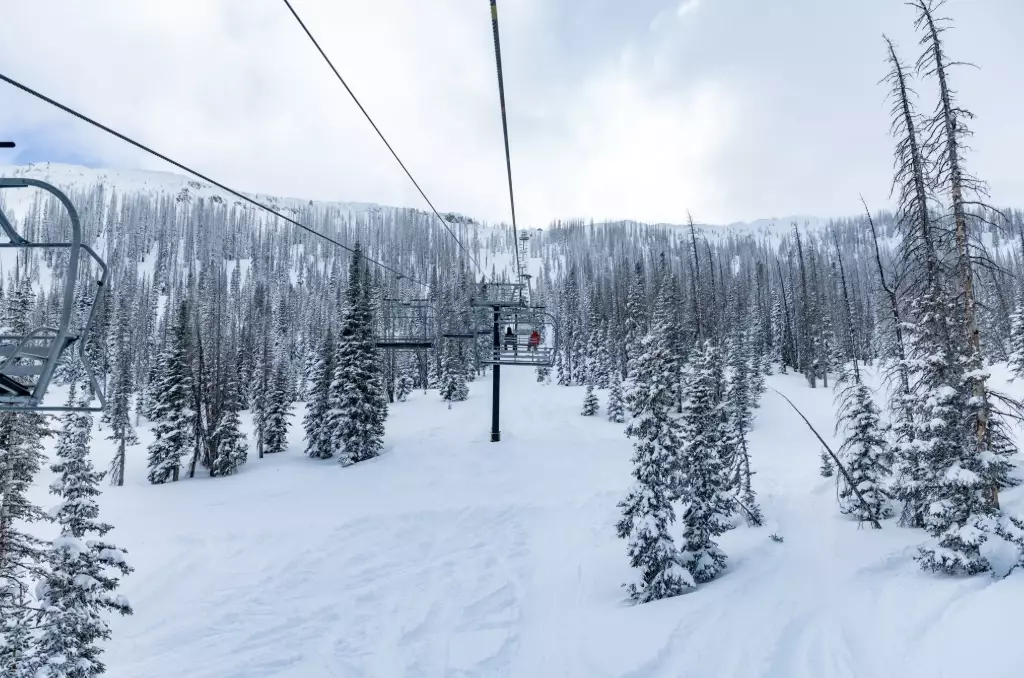
What's Inside This Guide
The Wolf Creek Difference: Snow & Solitude
Most resorts talk about powder. Wolf Creek often lives in it. The snow quality is consistently drier and deeper due to its unique geography, capturing storms from both the west and the south. The Colorado Department of Transportation's real-time road reports for Wolf Creek Pass are your best friend, because a powder day here often means a serious drive.
Here's the non-consensus part everyone misses: The "uncrowded" claim holds true on weekdays and most non-holiday periods. But on a fresh Saturday morning after a big dump? The Treasure and Bonanza lifts will have a line. It's still shorter than I-70 corridor resorts, but the idea of walking right on is a weekday luxury. The real secret is the mountain's layout. It's designed to spread people out. Beginners have their own massive area (Nova, around 20% of the terrain), keeping them off the advanced runs. This is a masterstroke in crowd management most big resorts fail at.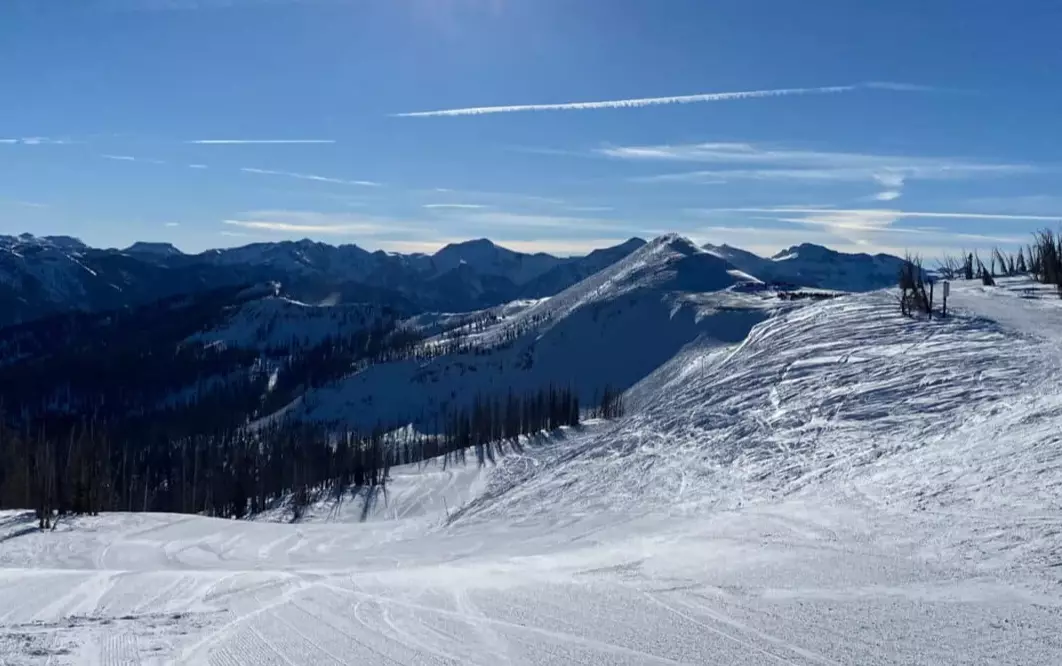
Key Fact Check: Wolf Creek vs. The Competition
Don't just take my word for it. Compare the numbers yourself. While Wolf Creek's vertical drop (1,604 ft) and skiable acreage (1,600) are modest compared to giants, its snow totals and lift ticket prices tell the real story for value-seeking powder skiers.
Planning Your Trip: Logistics Made Simple
This is where trips get derailed. Wolf Creek is not serviced by a major airport. Your options are Durango-La Plata County Airport (DRO) about 90 minutes away, or Albuquerque (ABQ) about 3.5 hours. The drive is part of the adventure, but in winter, it's a commitment.
Getting There: The Road Warrior's Guide
You will need a reliable vehicle, preferably with 4WD or AWD and snow tires. The final 12 miles up US-160 (Wolf Creek Pass) are steep, winding, and can be treacherous during active snowfall. Chain laws are frequently enforced. Check the Colorado DOT site for live webcams and conditions. Leave early. A 9 AM arrival from Pagosa Springs is optimistic on a storm day.
Lift Tickets, Hours, and Passes
Wolf Creek's lift ticket window is famously old-school and affordable. For the 2024/25 season, expect adult day tickets in the $100-$115 range, significantly less than the $250+ seen at corporate mega-resorts. They are rarely sold out online, but buying in advance on their website saves a few bucks. The resort typically operates from 8:30 AM to 4:00 PM daily, weather permitting. They participate in the Powder Alliance pass program, which is a fantastic deal if you plan to ski other independent resorts like Monarch or Bridger Bowl.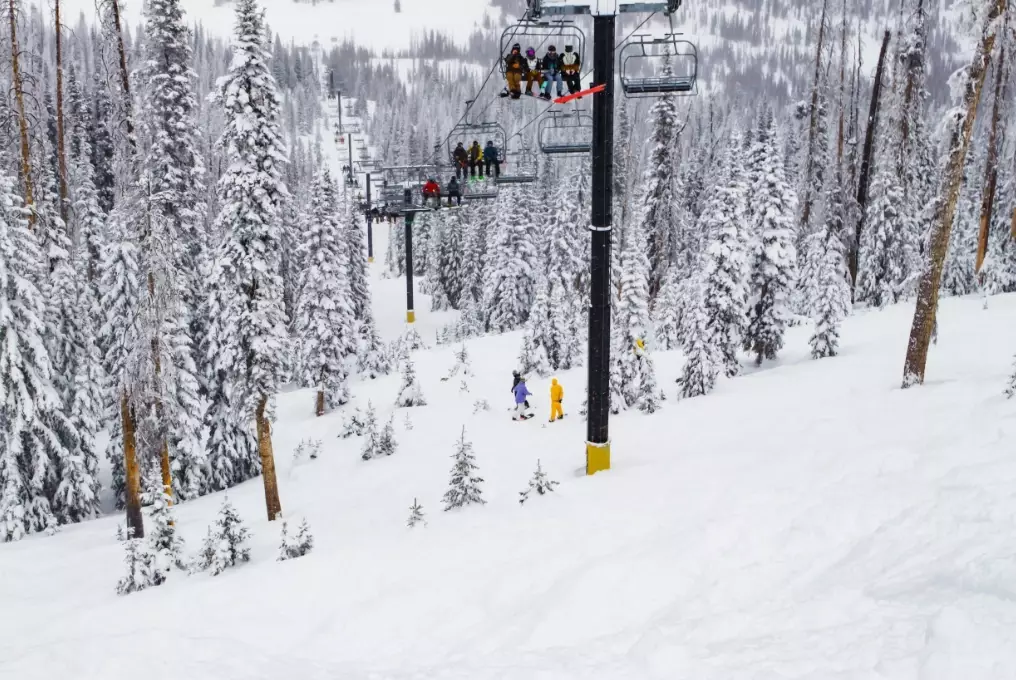
| Lift Ticket Type | Estimated Price (2024/25) | Best For |
|---|---|---|
| Adult Full Day | $105 - $115 | Most visitors |
| Senior (65-69) | ~$75 | Value for older skiers |
| Child (6-12) | ~$55 | Families |
| Multi-Day (3+ Days) | Discount applied | Week-long vacations |
Navigating the Terrain and Trails
Wolf Creek's terrain is a tale of two mountains. The front side (from the base area) is beginner and intermediate heaven. The backside, accessed via the Alberta Lift or the Knife Ridge Chutes, is expert territory with hike-to terrain that holds powder for days.
For Beginners & Families: Stick to the Nova and Lynx lifts. The area is vast, gently sloped, and completely separate from faster traffic. It's one of the best learner mountains in the state, bar none.
For Intermediates: You have the whole place, really. The Bonanza and Treasure lifts service endless blue cruisers like Charity and Glory. Want to dip your toes into advanced? Take Alberta Lift and try the groomed black, Black Foot. It's manageable.
For Experts: This is why you come. The Waterfall Area, the Horseshoe Bowl, and the hike-to terrain along the Knife Ridge offer steep chutes, glades, and bowls. The snow here gets less traffic, so you can find fresh lines days after a storm. A local guide once told me, "If it's tracked out, you're not looking hard enough." He was right.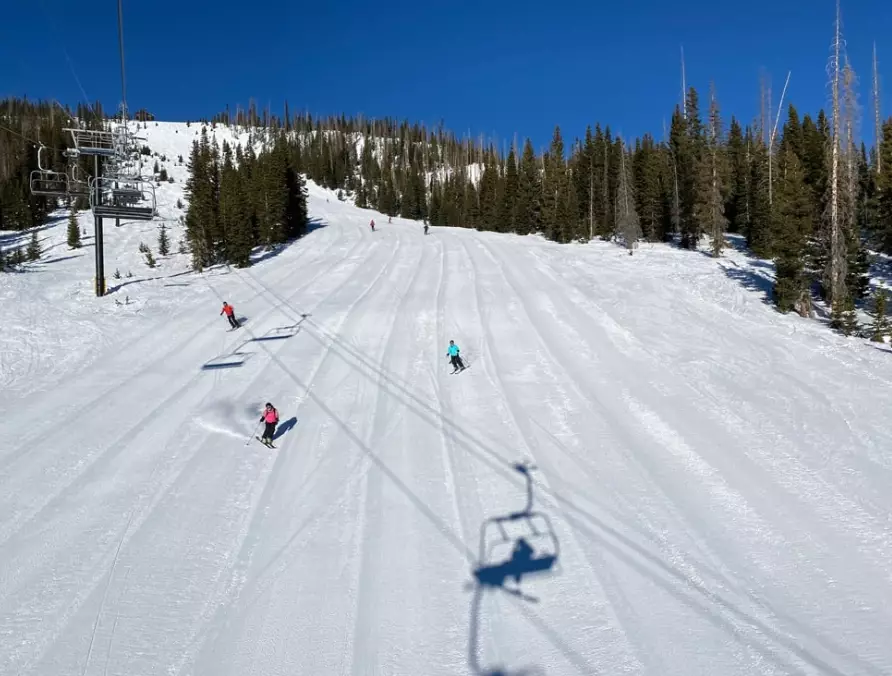
Where to Stay, Eat, and Unwind
There is no slope-side lodging at Wolf Creek. Zero. This is a critical planning point. All accommodations are a 20-45 minute drive down the pass.
Lodging Bases: Pagosa Springs vs. South Fork
- Pagosa Springs (West Side, ~25 min): The larger town with more amenities. You'll find hotels, vacation rentals, and its famous hot springs. The Springs Resort is a splurge but perfect for sore muscles. More dining options exist here.
- South Fork (East Side, ~20 min): Closer to the resort, quieter, and more affordable. It's a classic, low-key mountain town. Lodging is mostly motels and cabins. Dining is limited but authentic.
My personal take? For a first trip, stay in Pagosa Springs for the convenience and apres-ski soak. For a pure, cheap ski bunkhouse experience focused only on the mountain, South Fork wins.
On-Mountain Dining & The Essential Breakfast Stop
The lodge food is fine – burgers, chili, the usual. The real culinary move happens before you even get to the lifts. Stop at The Great Divide in South Fork or The Rose in Pagosa for a massive, affordable breakfast. It's a ritual. On the mountain, the Pathfinder Bar at the top of the Bonanza Lift is the spot for a beer with a view. Pack a snack and water bottle in your jacket; the base lodge can get busy at lunch.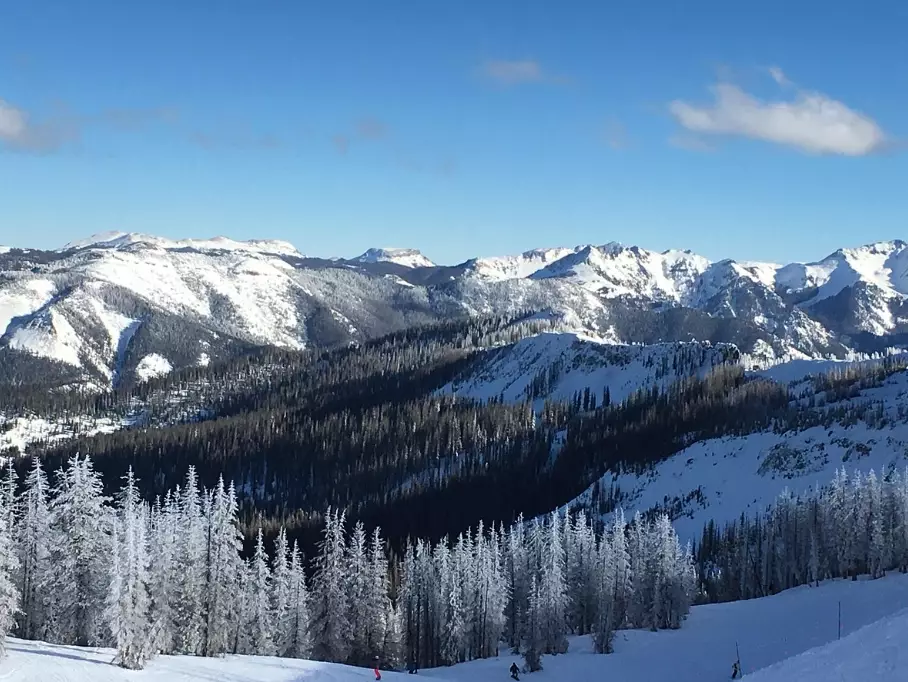
Expert Tips and Common Mistakes to Avoid
Here’s where a decade of coming here pays off. These are the subtle errors I see every season.
Mistake #1: Underestimating the Drive. Google Maps says 25 minutes from Pagosa. In a snowstorm with summer tires, it can take over an hour and be white-knuckle the whole way. Solution: Rent or drive a proper vehicle and check CDOT before you leave.
Mistake #2: Chasing the First Chair on a Powder Day. Everyone funnels to Alberta Lift. The line backs up instantly. Solution: Start at the Treasure Lift. You'll access similar expert terrain (Waterfall Area) with a fraction of the wait, scoring first tracks while others are still in line.
Mistake #3: Skiing Wolf Creek Like a Mega-Resort. The signage is good but not overwhelming. The trail map is your friend. There are hidden pockets everywhere. Solution: Spend your first run just exploring off the Nova or Lynx lifts to get your bearings, even if you're an expert. The mountain's flow reveals itself slowly.
Mistake #4: Not Packing for Rapid Weather Changes. The summit is at 11,904 feet. The sun can be blazing one minute, and a whiteout blizzard can roll in the next. Solution: Always have a goggle lens for flat light, a neck gaiter, and an extra layer in your backpack.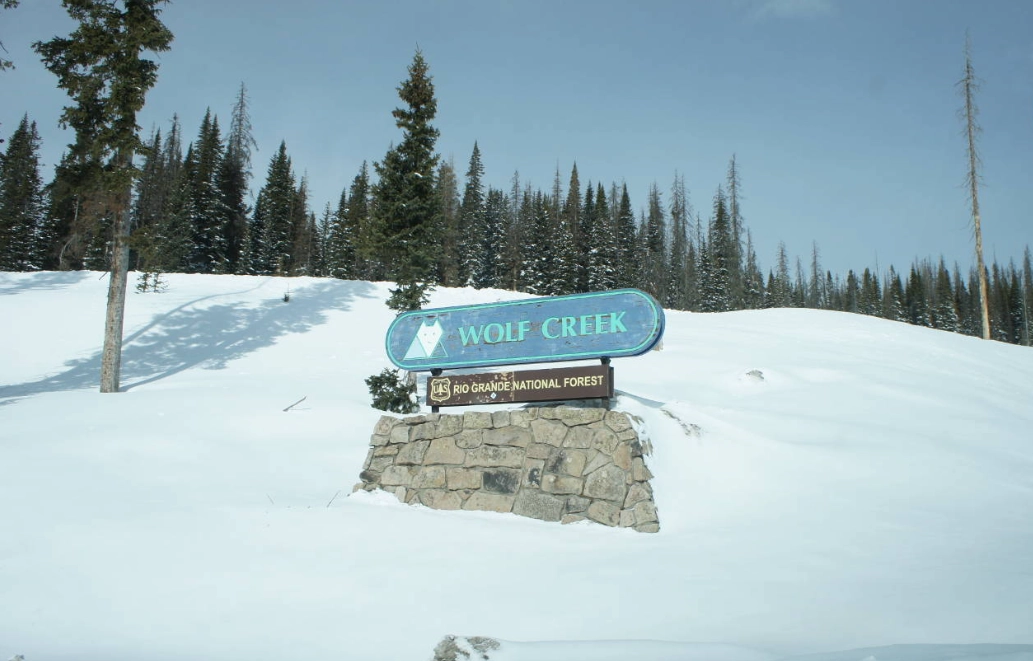
Your Wolf Creek Questions Answered
Wolf Creek isn't for everyone. If you need a buzzing village nightlife, five-star dining, and a seamless, corporate-curated experience, look to Aspen or Beaver Creek. But if your priority is authentic, deep-snow skiing on a mountain that feels undiscovered, where the price tag doesn't induce a panic attack, and where the drive is part of the story, then Wolf Creek is a destination that genuinely lives up to its legend. Just remember your snow tires.
Related Articles

Comments
Join the discussion