Quick Navigation
- For the Family Crew: Where Everyone (Including Parents) Wins
- For the Powder Hound & Expert Skier: Chasing the Steep and Deep
- For the First-Timer & Intermediary: Building Confidence (and Love for the Sport)
- For the Value Seeker & Offbeat Explorer
- Beyond the Terrain Map: The Nitty-Gritty That Makes or Breaks a Trip
- Your North American Ski Resort Questions, Answered
- The Final Run: It's About Your Story, Not The Rankings
Let’s be honest. Searching for the "best" ski resort is a bit of a trap. My idea of paradise (deep, untracked powder, zero lift lines, and a hot tub) might be your nightmare (where are the green runs? is there a kids' club?). That cookie-cutter "top 10" list you see everywhere? It rarely tells you what it's actually like to be there.
So, I’m not just throwing names at a wall here. I’ve spent seasons working at a few of these places, driven hours for a weekend trip to others, and have the sore legs (and empty wallet) to prove it. We’re going to sort through the noise. Forget just the biggest or the most famous. We’re talking about the best ski resorts in North America for you—whether you’re shepherding a family, hunting for steep and deep, or lacing up your boots for the very first time.
The continent is packed with incredible options, from the legendary powder of the Rockies to the charming villages of the East. But which one deserves your hard-earned vacation days? Let’s break it down, warts and all.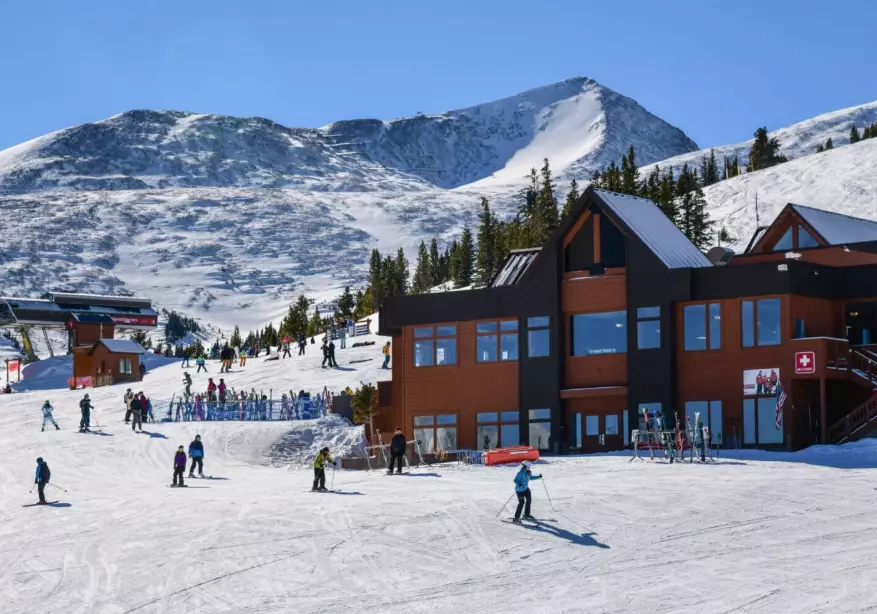
For the Family Crew: Where Everyone (Including Parents) Wins
When you’ve got kids in tow, the calculus changes completely. You need logistics to be smooth, terrain to be forgiving, and distractions to be plentiful for when the little legs give out. These places nail the family formula.
Whistler Blackcomb, British Columbia
Look, it’s massive. Two mountains, over 8,000 acres, a village that feels like a proper European town. For families, that scale is a blessing. The beginner zones are vast and well-designed (check out the Magic Chair on Blackcomb). The ski school is world-class. And when you’re done skiing, you can wander, eat, and be entertained without ever needing a car. The downside? It’s popular for a reason. It can feel crowded, especially during peak weeks, and it’s not a budget destination. But for a one-stop-shop family ski trip that guarantees no one gets bored, it’s incredibly hard to beat. Many consistently rank it among the absolute best ski resorts in North America for good reason.
Keystone, Colorado
If your family mantra is "convenience," listen up. Keystone’s River Run Village is ski-in/ski-out central. But the real family magic is night skiing. Extending the ski day past early bedtime is a game-changer. The mountain is also brilliantly laid out for progression—you can start on long, gentle greens at the top of Dercum Mountain and work your way up as confidence grows. It’s less intimidating than some of its famous neighbors. The vibe is unpretentious and focused on fun.
Here’s a quick look at how these family giants stack up on key metrics:
| Resort | Best For Families Because... | Potential Drawback | Signature Family Feature |
|---|---|---|---|
| Whistler Blackcomb, BC | Endless on & off-hill activities, superb ski school, pedestrian village. | Can be crowded & expensive. | The massive, car-free Whistler Village base. |
| Keystone, CO | Ski-in/ski-out ease, excellent beginner terrain, night skiing. | Terrain can feel limited for expert skiers in the group. | One of the largest night skiing operations in the country. |
| Smugglers' Notch, VT | All-inclusive programming (kids ski free deals!), incredibly friendly. | Remote location, smaller mountain. | Award-winning children's programs and camps. |
For the Powder Hound & Expert Skier: Chasing the Steep and Deep
You live for the days when it dumps a foot overnight. You look at a double-black diamond chute and see a playground, not a problem. These resorts are your temples.
Jackson Hole, Wyoming
This is the mountain with a reputation. The iconic Corbet’s Couloir is just the poster child for an entire mountain of challenging, technical terrain. The hike-to areas like Cody Bowl deliver epic, sustained vertical. The vibe in Teton Village is pure, unadulterated ski bum energy (with some serious luxury tucked in). You come here to test yourself. The learning curve is real—true beginner terrain is limited. But if you’ve got the skills, it’s pure magic. The backcountry access gate from the top of the tram is a serious portal for those with the proper training and gear (check conditions with the Bridger-Teton Avalanche Center).
Alta & Snowbird, Utah
I’m grouping these because they’re linked by a pass and share the same incredible Little Cottonwood Canyon snow—the legendary Utah powder. Alta is skiers-only (sorry, snowboarders), old-school, and has a cult-like following for its endless powder shots and classic terrain. Snowbird, right next door, is steeper, more modern, and feels more intense. You can stay at one and ski both. The snow quality is consistently some of the best on the planet. The drawback? The canyon road can close during big storms, which is both a blessing (keeping crowds down) and a logistical headache.
My personal take? For pure, fall-line skiing on perfect snow, Alta’s Supreme lift area is hard to top anywhere. But when they get a big cycle, the Cirque at Snowbird is an absolute religious experience.
For the First-Timer & Intermediary: Building Confidence (and Love for the Sport)
This might be the most important category. A bad first experience can turn someone off skiing for life. These resorts get the learning process right.
Breckenridge, Colorado
Peak 9 at Breck is a beginner’s dream. Long, wide, consistently gentle green runs served by their own dedicated lifts. You can spend days there without feeling out of place. As you improve, the progression to blue runs on Peaks 8 and 7 is natural and logical. Plus, you get the bonus of a historic, lively town with tons of apres-ski options. It’s not the cheapest, but for a stress-free learning environment with room to grow, it’s fantastic.
Lake Louise, Alberta
The views. Oh, the views. The iconic lake and glacier backdrop make every run feel epic, even the easy ones. The front side (Face) is a sprawling network of perfectly groomed green and blue cruisers. It’s a confidence-builder’s paradise. The scale is huge but not intimidating. It feels more about the majestic landscape and the joy of cruising than about extreme terrain, which is perfect for most skiers. For official information on the ski area and its environmental stewardship, you can visit the Banff & Lake Louise Tourism site.
For the Value Seeker & Offbeat Explorer
Not everyone wants to drop a small fortune on a lift ticket. There’s a whole world of incredible, less-hyped resorts that offer amazing skiing without the premium price tag and crowds.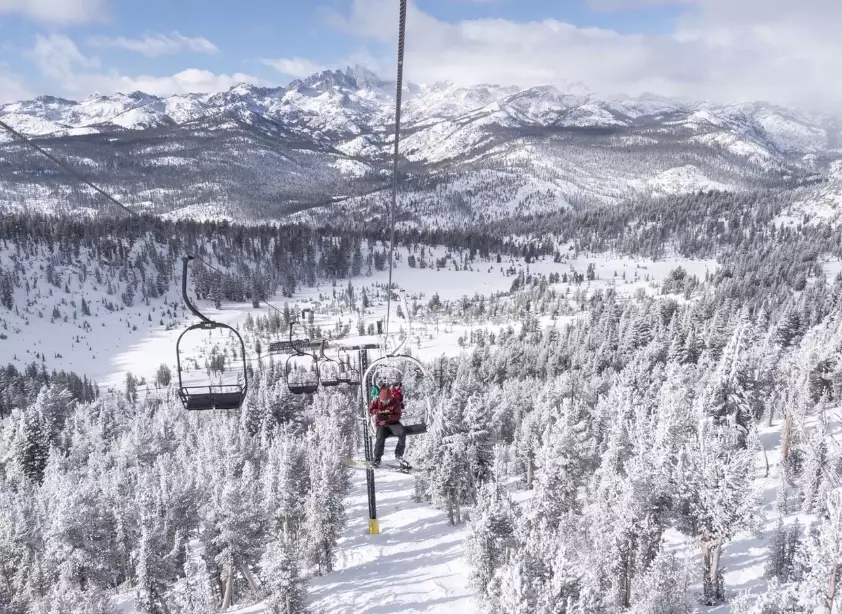
Whitefish Mountain Resort, Montana
Underrated is an understatement. The terrain is diverse and fun, the town of Whitefish is an absolute gem (great food, real community vibe), and you get Glacier National Park as your backyard. Lift tickets are significantly cheaper than the Colorado mega-resorts. On a foggy day, you can be skiing in the clouds on the mountain while the sun is out in town—it’s a weird and wonderful microclimate. It feels authentic, not manufactured.
Jay Peak, Vermont
Jay gets more snow than anywhere in the East, and it holds onto that reputation for a reason—the famous "Jay Cloud." It’s remote, it’s no-frills (though they have a great indoor waterpark), and it has a fiercely loyal following. The glades are legendary. It’s a place for people who care more about the skiing than the scene. You might drive through a snowstorm to get there, but you’ll likely be rewarded.
Thinking about heading north? Canada offers phenomenal value, especially with the exchange rate. Resorts like Sun Peaks in BC or Mont Tremblant in Quebec deliver a full-service, European-style village experience often at a lower cost than their US counterparts, making a strong case for the best ski resorts in North America when budget is a factor.
Beyond the Terrain Map: The Nitty-Gritty That Makes or Breaks a Trip
Okay, you’ve got a shortlist. Now let’s dig into the practical stuff you won't find on the trail map.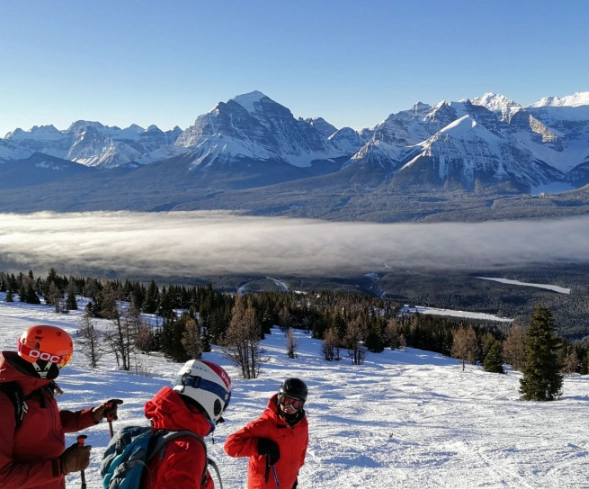
Getting There & Around
Is it a major hub (Denver, Salt Lake City) with an easy drive, or does it require a puddle jumper and a rental car (hello, many B.C. resorts)? SLC airport to the Cottonwood Canyons is maybe the best airport-to-lifts access in the world. Conversely, getting to Telluride or Big Sky is a journey. Factor travel time and cost heavily.
The Vibe Check: Village vs. Town
Do you want a self-contained, pedestrian village (Vail, Whistler) where everything is easy but can feel a bit pricey and same-y? Or do you prefer a real town with local character a shuttle ride away (Aspen, Banff, Bend for Mt. Bachelor), where you might find more varied dining and a different pace? I personally lean toward the real town vibe—it just feels less like a theme park to me.
Lift Lines & Crowd Factor
This is huge. A great mountain ruined by 20-minute lift lines is a tragedy. Generally, mid-week is always better. Resorts on the Ikon or Epic passes can see surges on weekends. Smaller, independent resorts or those further from major airports often have shorter lines. Do some research on typical late-January vs. President's Day weekend crowds.
Apres-Ski & Non-Skiing Activities
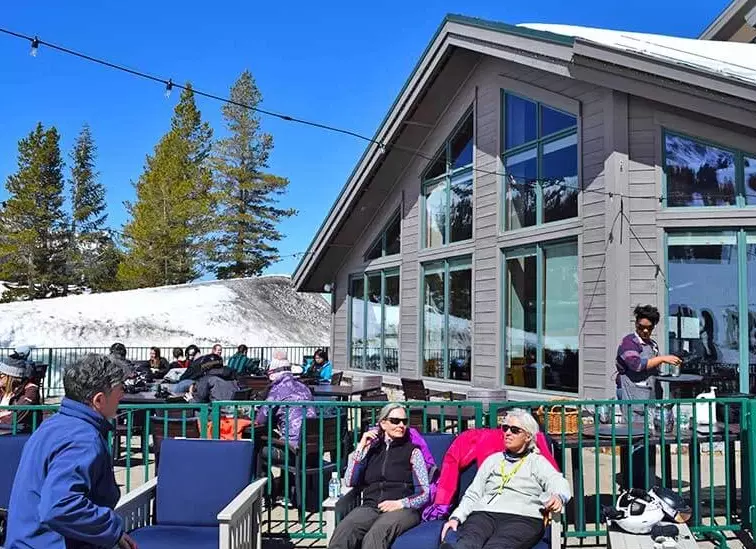
What do you do at 3 PM? Some places roll up the sidewalks. Others just get started. Do you want craft beer and live music, or a quiet lodge with a book? If you have non-skiers in your group, this is critical.
Your North American Ski Resort Questions, Answered
Let’s tackle some of the real questions bouncing around in your head.
The Final Run: It's About Your Story, Not The Rankings
At the end of the day, the best ski resort in North America is the one where you have the best time. It might be the place where your kid conquered their first blue square, where you found untouched powder in the trees, or where you laughed the hardest with friends in a dive bar apres-ski.
Use this guide as a filter. Match the resort's strengths to your group's priorities. Sometimes, the smaller, quirky hill is a better fit than the marquee name. The continent is overflowing with incredible options, each with its own personality. Do your homework on the practicalities, manage your expectations (not every day is a powder day), and get out there. The mountains are waiting.
And remember, the best ski resorts in North America aren't just about the stats—they're about the stories you bring home.
Related Articles

Comments
Join the discussion