You see the ads for Vermont and Colorado, but what about skiing right here in Pennsylvania? I've spent over a decade exploring these slopes, from icy January mornings to perfect spring corn snow days. Let's be honest, they're not the Alps. But that's precisely the point. Skiing in PA offers something different: accessibility, value, and a surprisingly diverse range of terrain that gets overlooked. Whether you're teaching your kid to pizza for the first time or you're a local expert hunting for steep bumps, there's a mountain here with your name on it. Forget the long flights and the budget-busting resort tabs for a weekend. Your next great ski day might be just a few hours' drive away.
Quick Guide: What's Inside
Most people think of the Poconos first, and for good reason. That's where you'll find the highest concentration of resorts. But western PA, around the Laurel Highlands, holds its own with some genuine gems. The snowmaking here is industrial-grade. These mountains can go from brown to white in under 48 hours when the temperatures drop. It's a modern miracle that makes the season reliable from December through March, even when Mother Nature isn't cooperating.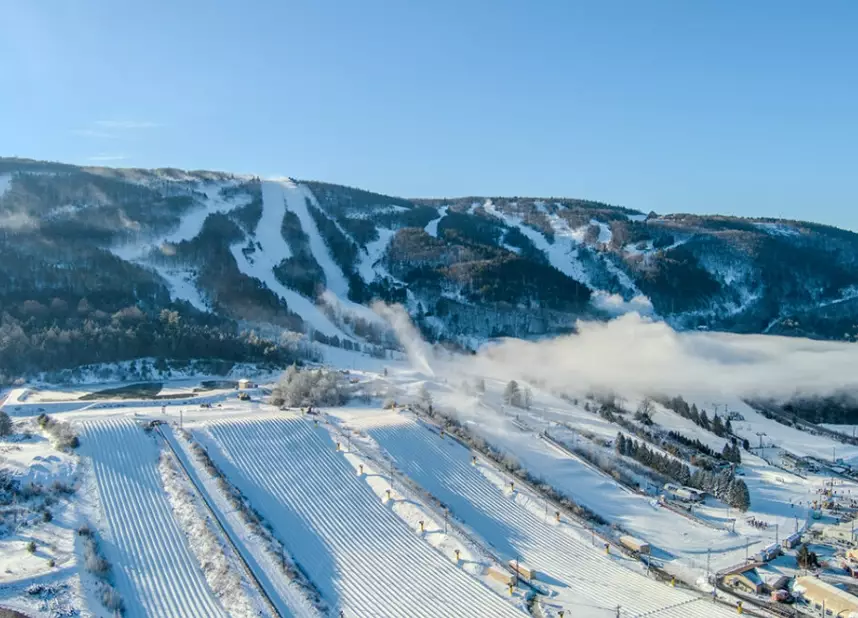
Key Thing to Know: Pennsylvania skiing is about smart trips, not epic expeditions. It's perfect for a 2-3 day getaway. The drive times are manageable from major East Coast cities (Philly, NYC, Baltimore, DC, Pittsburgh), the costs are reasonable, and you can pack a lot of skiing into a short time. Don't compare it to Jackson Hole; compare it to the convenience and fun of a great local weekend adventure.
The Top Pennsylvania Ski Resorts at a Glance
Here’s the quick comparison. I’ve skied them all, and each has a distinct personality.
| Resort | Region | Best For | Vertical Drop | Notable Trails |
|---|---|---|---|---|
| Blue Mountain Resort | Poconos | Advanced Skiers, Night Skiing | 1,082 ft | Challenge, Razor's Edge, Paradise |
| Seven Springs Mountain Resort | Laurel Highlands | Families, All-Around Terrain | 750 ft | The Face, Lost Girl, Wagner |
| Camelback Mountain Resort | Poconos | Families & Beginners, Activities | 800 ft | Nile Mile, Marc Antony |
| Laurel Mountain | Laurel Highlands | Experts & History Buffs | 900 ft | Lower Wildcat (60% pitch) |
| Shawnee Mountain | Poconos | Beginners & Young Families | 700 ft | Tomahawk, Shawnee Express area |
| Elk Mountain | Endless Mountains | Purists, Natural Snow | 1,000 ft | Tunkhannock, Susquehanna |
Now, let's get into the details you need to make a choice.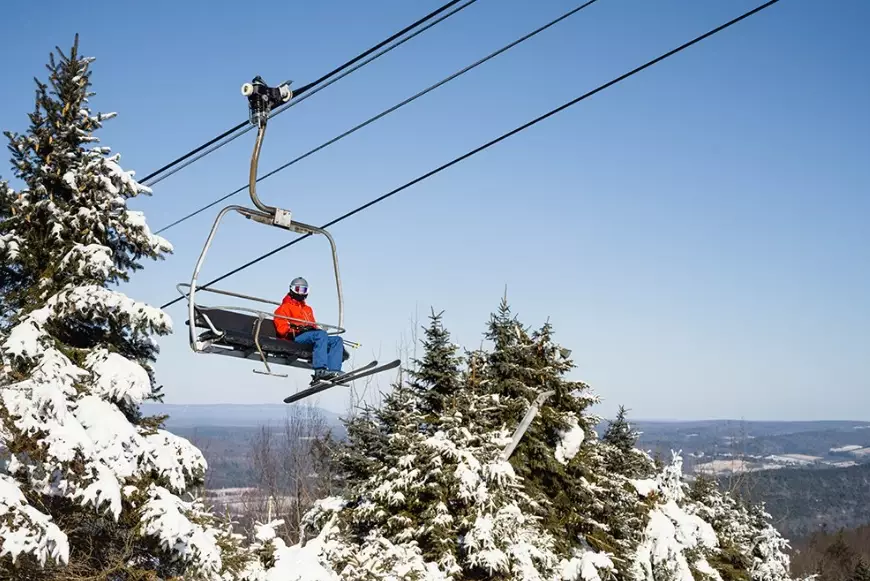
Blue Mountain Resort: The Terrain King
Address: 1660 Blue Mountain Dr, Palmerton, PA 18071. About 90 minutes north of Philadelphia.
Hours: Typically 8 AM - 10 PM (night skiing most nights). Check their website for seasonal schedules.
The Vibe: This is where local skiers go to test themselves. It feels the most like a "real" mountain in PA. The vertical is the highest in the state, and they use every foot of it. Trails like Challenge and Razor's Edge are legitimately steep and often left ungroomed for bumps. They also have a fantastic night skiing operation—one of the best in the East. The base area is functional, not glamorous. You're here for the skiing, not the aprés-ski scene.
Seven Springs Mountain Resort: The Full-Service Giant
Address: 777 Waterwheel Dr, Seven Springs, PA 15622. Roughly an hour southeast of Pittsburgh.
Hours: 9 AM - 9 PM most days in peak season.
The Vibe: Seven Springs is a mini-village. It's massive. You've got lodging, multiple restaurants, a huge indoor pool complex, and tons of non-ski activities. The terrain is very well-rounded, with something for everyone. The North Face area has some decent pitch and trees. It's incredibly popular, which means weekends can get crowded. My advice? Use the whole mountain. The far left and right lifts often have shorter lines while everyone clusters in the middle.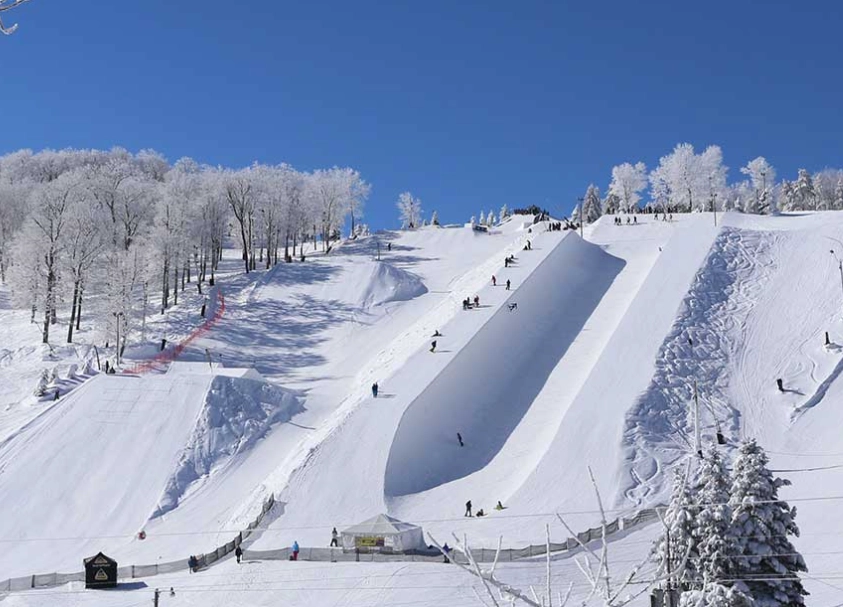
Camelback Mountain: The Family Activity Hub
Address: 301 Resort Dr, Tannersville, PA 18372. Right off I-80 in the Poconos.
Hours: 8:30 AM - 9 PM (night skiing available).
The Vibe: Camelback is built for convenience and family fun. The learning area at the front is huge and well-designed. But it's not just for beginners—the trails off the Stevenson Express lift offer longer, cruising intermediate runs. The real differentiator is the off-slope stuff: a massive indoor waterpark (Aquatopia), mountain coaster, and tons of lodging. It's a one-stop shop if you have a mixed group or kids who might want a break from skiing.
The Hidden Gems: Laurel Mountain & Elk Mountain
These two deserve special mention for skiers who want something different.
Laurel Mountain (104 Ski Run Rd, Stahlstown, PA 15687) is a throwback. It's operated by Seven Springs but feels worlds apart. It's smaller, quieter, and home to the legendary Lower Wildcat—a trail so steep it feels like you're looking straight down from the top. It's for experts only. The rest of the mountain is classic, old-school charm. Go on a weekday if you can; you might have whole runs to yourself.
Elk Mountain (311 Elk Mountain Rd, Union Dale, PA 18470) is in the northern tier, closer to Scranton. It's known for getting more natural snow than anywhere else in PA. The vibe is pure skiing—no waterparks, no real estate villages. Just a great lodge and fantastic, classic New England-style trails. The crowd is serious about skiing. It's a bit of a drive, but for many, it's worth the pilgrimage.
How to Choose the Best Pennsylvania Ski Resort for Your Level
Picking the right spot makes or breaks your trip. Here’s my breakdown from years of trial and error.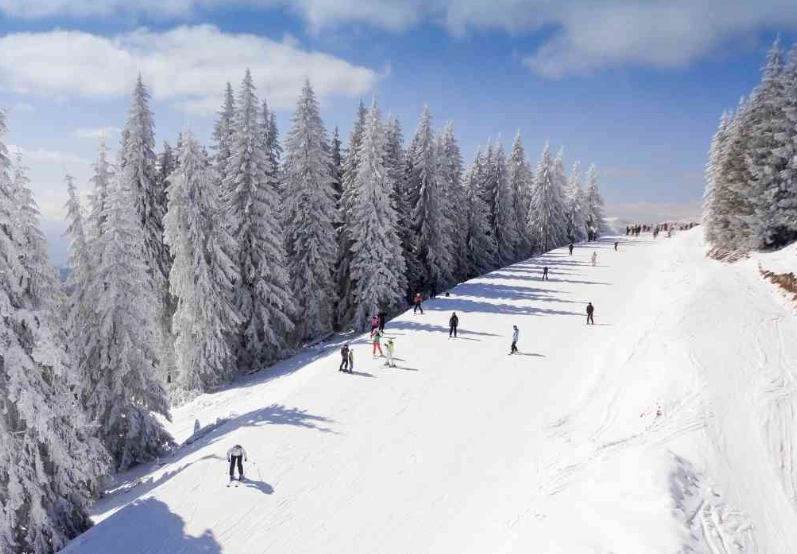
First-Timers & Beginners: Your priority is a stress-free learning environment. Look for a dedicated beginner area with its own slow chairlift or magic carpet, far from speeding experts. Shawnee Mountain excels here—their learning zone is separate and perfect. Camelback's beginner area is also vast and well-managed. Don't be tempted by the bigger names; a good first experience is priceless. Book a lesson. Even a 90-minute group lesson will accelerate your learning curve dramatically.
Intermediate Skiers & Cruisers: You want mileage and variety. Seven Springs and Camelback offer the most consistent, groomed intermediate terrain. You can link together long, enjoyable runs without hitting a scary steep section unexpectedly. Blue Mountain has great intermediate trails on the lower mountain, but pay attention to trail signs—some lifts service expert terrain only.
Advanced/Expert Skiers: You're hunting for steep and deep (or at least, steep and bumped up). Blue Mountain is your undisputed champion. Head to the Challenge or Paradise lifts. Laurel Mountain is a must for the Lower Wildcat experience. Seven Springs' North Face has some challenging glades and bumps. A common mistake experts make is underestimating the ice. This is the East Coast. Bring sharp edges. The best skiing is often first thing in the morning after a grooming cycle, or later in the day if they've made snow.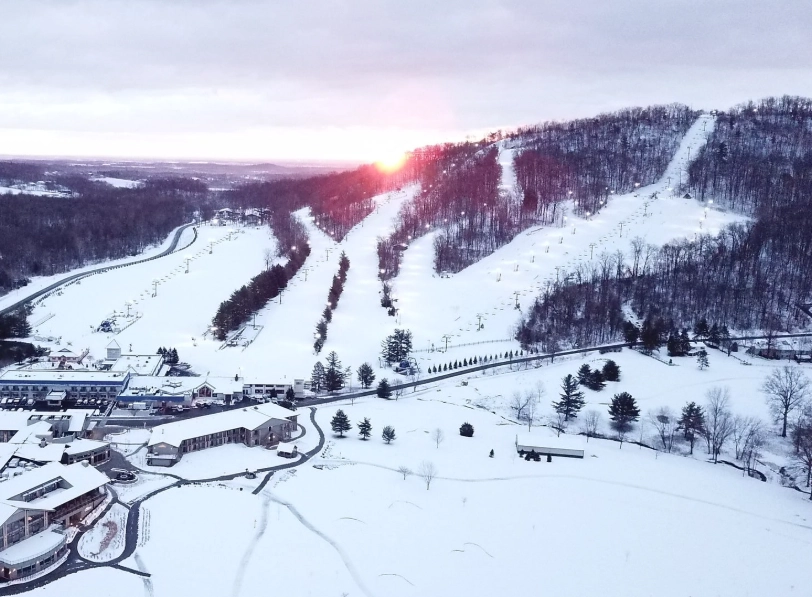
What Are the Best Deals on Pennsylvania Ski Lift Tickets?
Walking up to the ticket window on a Saturday is the most expensive way to ski. Don't do it.
Plan Ahead Online: Every resort offers significant discounts (often 20-30%) for buying lift tickets online in advance, usually 48 hours or more. This is the single easiest way to save money.
Midweek is Magic: If your schedule allows, ski Monday through Friday. Ticket prices plummet. You'll also find "Twilight" or "Night" session tickets that start in the afternoon for even less. At Blue Mountain, a 3 PM - 10 PM ticket can be a fantastic deal.
Look for Package Deals: Many resorts partner with local hotels for "Ski & Stay" packages that include lodging and lift tickets. Sites like the resort's own lodging pages or regional tourism sites like Visit PA are good starting points.
Season Pass Alternatives: If you plan on skiing 3+ days, look at multi-resort passes like the IKON Pass (which includes Blue Mountain) or the Epic Pass (which includes several PA resorts like Jack Frost and Big Boulder). They can pay for themselves quickly.
Lift ticket window rates on a weekend can range from $75 to over $100. With planning, you can easily get that down to the $50-$70 range.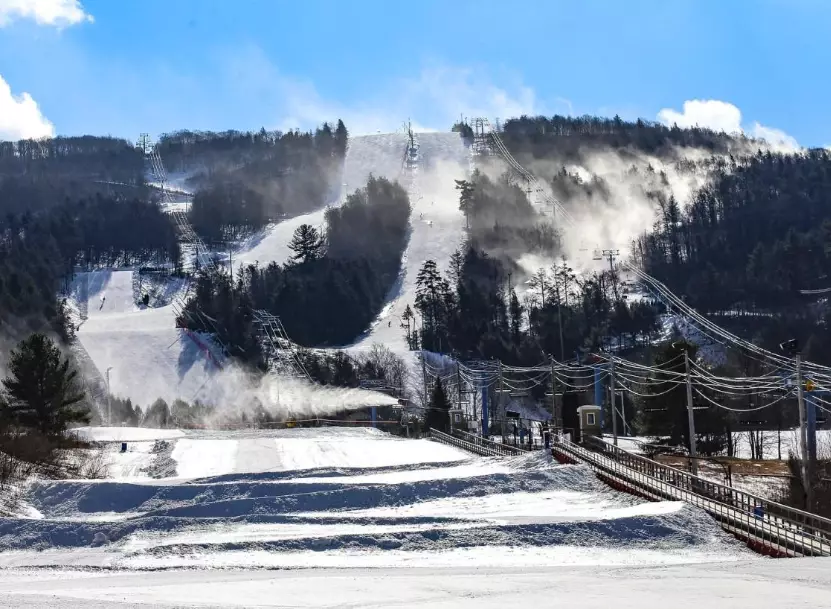
Planning Your Pennsylvania Ski Trip: A Sample Itinerary
Let's make this concrete. Here’s what a successful 2-day family ski weekend at Seven Springs might look like.
Friday Evening: Drive in after work (from Pittsburgh or DC areas). Check into a budget-friendly option like the Seven Springs Mountain Resort lodge (convenient but pricier) or a nearby condo rental in Champion or Somerset (more space, often cheaper). Grab dinner at the Helen's Restaurant in Somerset for solid diner food.
Saturday: - 8:00 AM: Big breakfast at the rental or lodge. - 9:00 AM: Hit the slopes. Start on the Wagner or Giant Steps lifts for warm-up runs. - 12:30 PM: Quick lunch at the Slopeside lodge to avoid the biggest crowds. - 1:30 PM - 4:00 PM: Explore the North Face area or take the kids to the terrain parks. - 6:00 PM: Dinner at The Pub at Seven Springs for burgers and atmosphere.
Sunday: - 9:00 AM: Ski until lunch. Focus on your favorite runs from Saturday. - 12:30 PM: Check out, have lunch in Somerset. - 1:30 PM: Optional non-ski activity: visit Flight 93 National Memorial (a powerful and important site about 30 minutes away) or go snow tubing at the resort. - Head home by mid-afternoon.
For an expert-focused trip to Blue Mountain, you'd swap the itinerary: prioritize first-chair to ski corduroy, take a shorter lunch, and maybe enjoy the night skiing session. Dinner options in Palmerton are more limited, but Boulder View Tavern is a reliable local spot.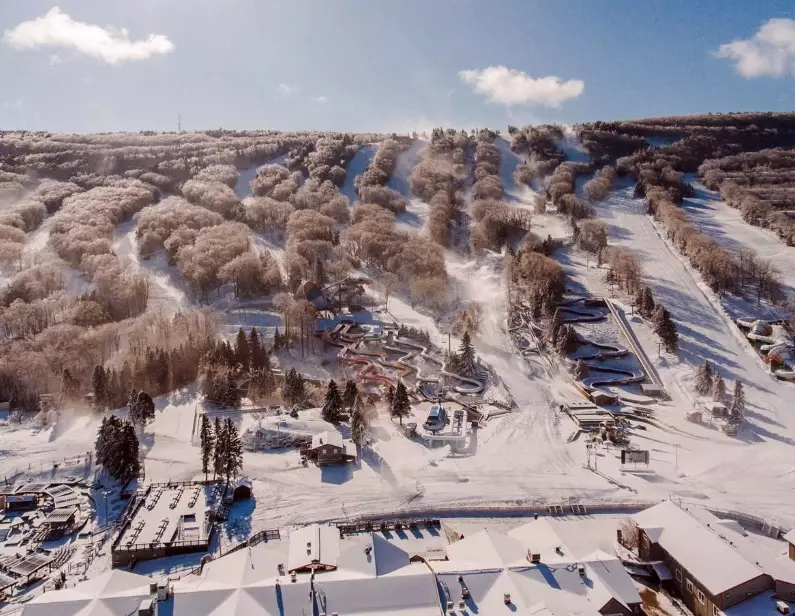
Your Pennsylvania Skiing Questions Answered
Related Articles

Comments
Join the discussion