So you're looking for the biggest ski resorts in the world. It's not just about bragging rights. More terrain means more variety, fewer crowded runs, and that magical feeling of exploring a vast, snowy wilderness. But "biggest" can mean different things. Is it total land area? Skiable acreage? Vertical drop? Let's cut through the marketing and look at what truly defines a mega resort, and which ones actually deliver an epic experience worthy of your vacation days and budget.
Your Quick Mountain Guide
What Makes a Ski Resort "Big"?
Before we list names, let's get on the same page. When skiers and snowboarders talk about size, they're usually focused on a few key metrics.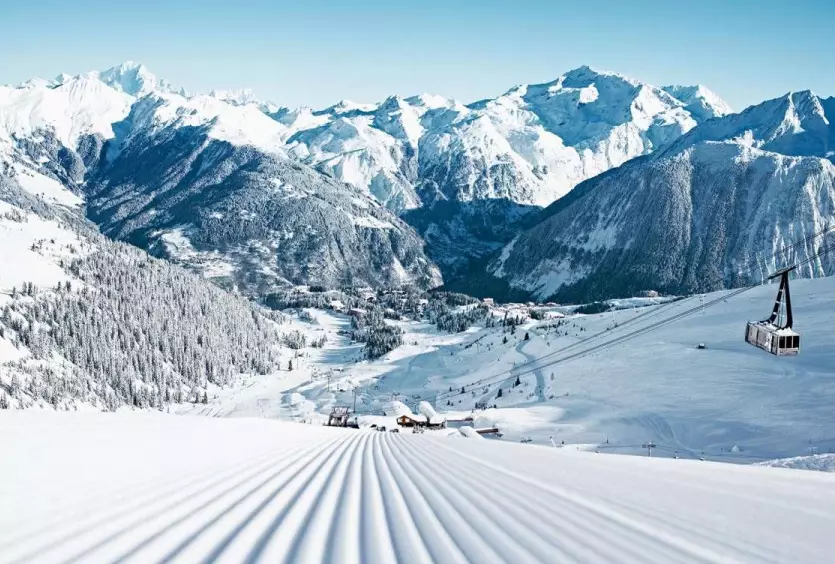
Skiable Acreage is the king. This is the measure of terrain actually covered by lifts and deemed safe for skiing. It's the number you'll see most often. A resort might own 10,000 acres of land, but if only 2,000 are lift-served and patrolled, that's the skiable acreage. This is your playground.
Vertical Drop matters for thrill-seekers. It's the difference between the highest lift-served point and the base village. A huge vertical means long, sustained runs. Think Whistler's 5,280 feet versus a small hill's 800 feet.
Lift-Served Terrain vs. Sidecountry is a crucial distinction. Some resorts inflate numbers by including massive backcountry areas you need a guide and special equipment to access. For the average visitor, lift-served terrain is what counts.
Then there's the lift system itself. What good is 5,000 acres if it's served by three slow, old chairlifts? Modern, high-speed lifts that efficiently spread people across the mountain are a hallmark of a well-designed large resort.
A common mistake? Just looking at the total acreage number. Dig deeper. Look at the trail map. A resort with 3,000 acres all funneling into one base area will feel more crowded than one with 3,000 acres spread across multiple, interconnected villages and base areas. The layout is everything.
Top Contenders for the Biggest Resorts
Based on consistently reported skiable acreage and the overall scale of the operation, here are the heavyweights. I'm focusing on single, interconnected ski areas, not just marketing alliances of separate resorts.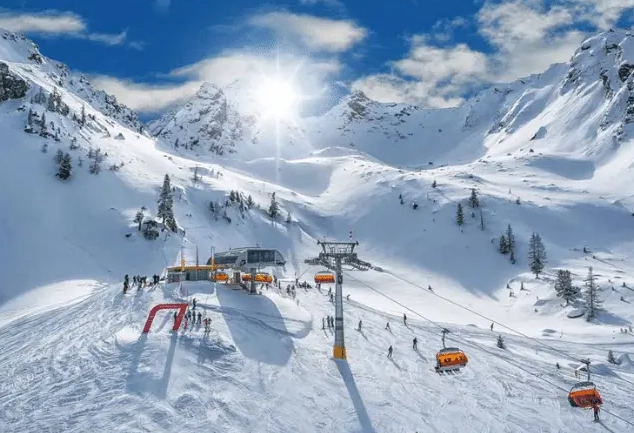
| Resort & Location | Skiable Acres (Approx.) | Vertical Drop (ft) | Key Character & Vibe |
|---|---|---|---|
| 1. Les 3 Vallées, France | ~105,000 | ~6,562 | The undisputed king. Not one resort, but eight interconnected ones (Courchevel, Méribel, Val Thorens, etc.). It's a skier's metro system. |
| 2. Ski Arlberg, Austria | ~97,000 | ~5,905 | Historic, charming villages (St. Anton, Lech) linked by modern lifts. Famous for its challenging off-piste and apres-ski. |
| 3. Portes du Soleil, France/Switzerland | ~93,000 | ~5,577 | Massive cross-border circuit. More spread out, feels less polished but incredibly diverse. Great for intermediates. |
| 4. Whistler Blackcomb, Canada | ~8,171 | 5,280 | North America's biggest. Two massive mountains, one vibrant base village. Unbeatable mix of terrain, snow, and infrastructure. |
| 5. Park City Mountain, USA | ~7,300 | 3,200 | The largest in the U.S. after merging with Canyons. Huge variety, direct access from a real town. Can feel sprawling. |
Digging Deeper Into the Top Picks
Les 3 Vallées is in a league of its own. You could ski here for a week and not repeat a run. Courchevel is glitzy and has incredible groomers. Val Thorens is Europe's highest resort, guaranteeing snow. Méribel is right in the middle, classic Alpine charm. The lift network is staggering. A single lift pass gets you on over 180 lifts. The scale is almost incomprehensible until you're there. Planning is key—pick a base village that matches your budget and style.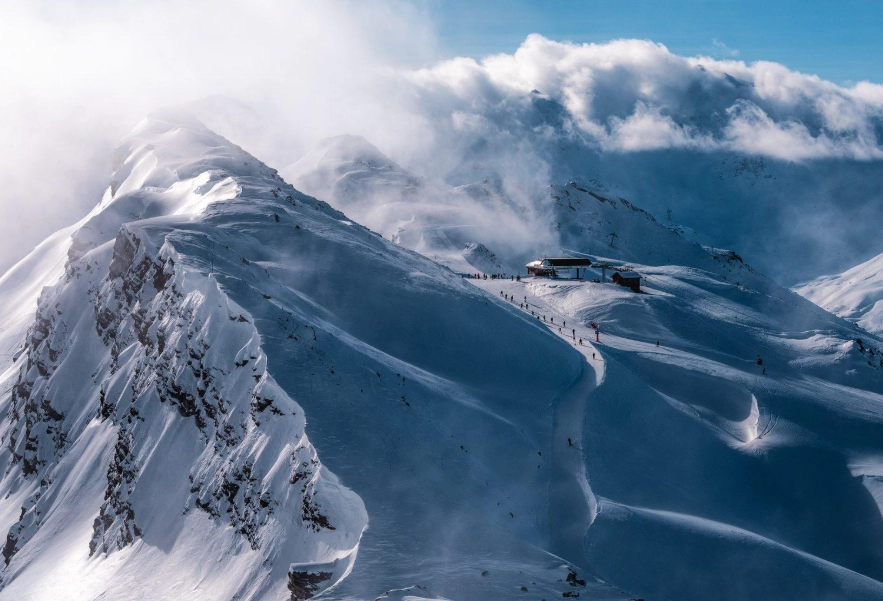
Whistler Blackcomb feels like the most complete mega-resort package. The Peak 2 Peak Gondola connecting the two mountains is an attraction itself. The Village is a buzzing, car-free hub with everything you need. The terrain is wildly diverse: gentle bowls, steep chutes, endless glades. The snow can be heavy Pacific Northwest cement, but when it's good, it's phenomenal. It's also a fantastic summer destination for biking and hiking.
Park City Mountain offers a different model. You stay in a historic mining town with great restaurants and bars, not a purpose-built resort enclave. You can ski right to your door. The terrain is vast but less intimidatingly steep than the European Alps. It's a fantastic choice for mixed-ability groups and families who want more than just skiing. The downside? It's popular. Mid-mountain lift lines can build on peak days.
Planning Your Mega Resort Trip
Tackling one of these giants requires a different strategy than a weekend at a local hill.
Where to Stay: Your location dictates your experience. In interconnected areas like Les 3 Vallées, staying in a central village like Méribel gives you the most options. In Whistler, you pay a premium to be in the walkable Village, but it's worth it for the convenience. In Park City, you choose between slope-side condos or charming B&Bs downtown. Book early, especially for school holidays.
Getting There:
- Whistler: Fly to Vancouver (YVR), then a 2-hour shuttle or scenic drive up the Sea-to-Sky Highway.
- Les 3 Vallées: Fly to Geneva (GVA), then a 2-2.5 hour transfer to Courchevel, Méribel, or Val Thorens.
- Park City: Fly to Salt Lake City (SLC), then just a 35-minute drive to the slopes.
The accessibility of Park City from a major airport is a huge, often overlooked advantage.
Lift Tickets & Passes: These are major investments. Look at multi-day discounts. If planning a North American trip, consider the Epic Pass (covers Whistler, Park City, and many more) or Ikon Pass well in advance for massive savings. In Europe, multi-valley passes are standard, but check if your accommodation offers a packaged deal.
Navigating the Terrain: On day one, take a guided mountain tour if offered. It's the fastest way to learn the layout. Use the resort's app religiously for live lift line updates and to track your day. Don't try to conquer it all. Pick a sector or two each day and explore deeply.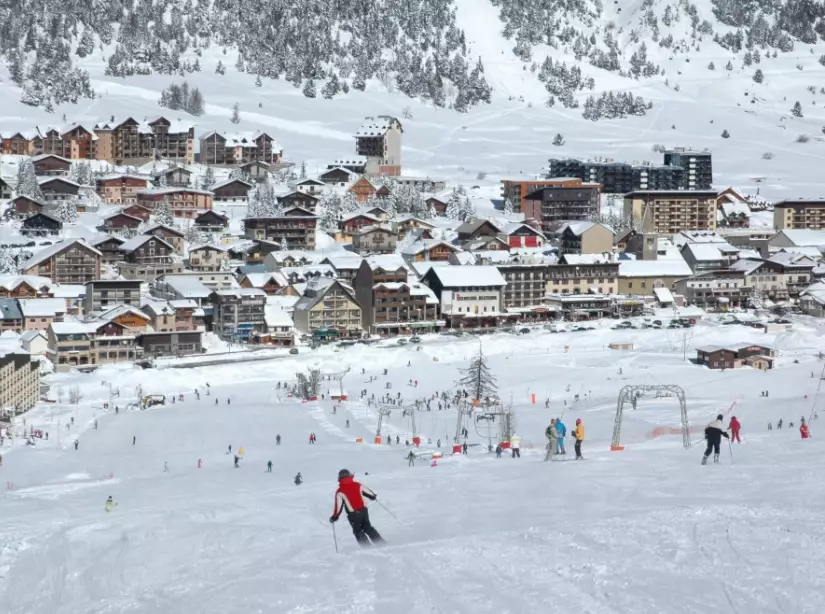
Who Should Choose a Mega Resort?
These resorts aren't for everyone.
They are perfect for: Strong intermediates and experts craving variety. Groups with mixed abilities (there will be terrain for everyone). Skiers who get bored easily and want a new adventure every day. Those who prioritize a vibrant village atmosphere with lots of dining and nightlife.
Think twice if: You're a total beginner. You'll be overwhelmed and waste money on terrain you can't use. A smaller resort with a fantastic beginner area is a better, cheaper choice. If you dislike crowds and lift lines (even big resorts have pinch points). If you're on a very tight budget—size comes at a premium for lodging, food, and lift tickets.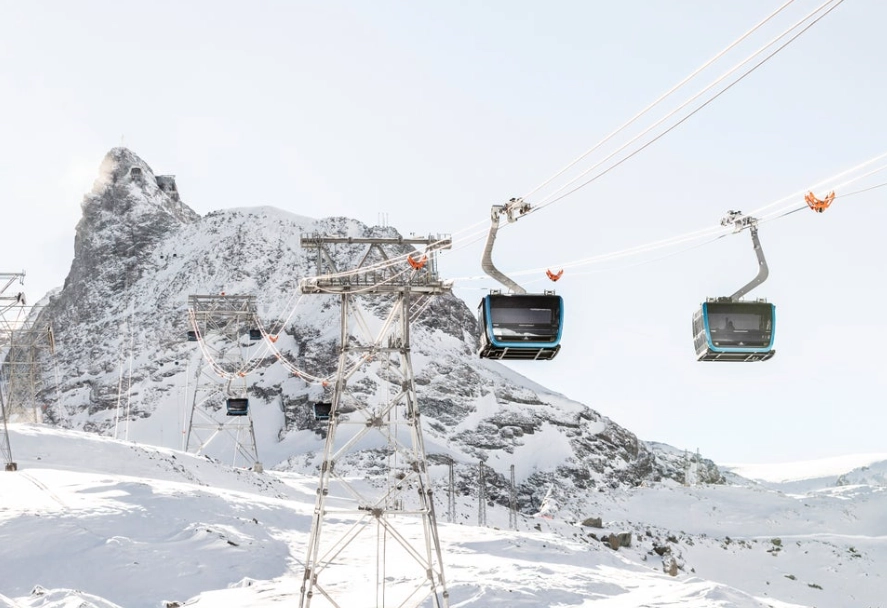
Your Big Mountain Questions Answered
Is the biggest ski resort always the best for an expert skier?
How do I avoid feeling overwhelmed at a resort with over 5,000 acres?
What's a hidden cost or hassle at large resorts that nobody talks about?
For a family trip, is bigger always better?
Related Articles
Comments
Join the discussion