In This Guide
So you're thinking about a Four Lakes ski trip. Good choice. It's one of those ideas that sounds simple—find some snow, find some hills near water, have fun. But anyone who's actually tried to plan one knows it quickly turns into a rabbit hole of questions. Which lake? Which resort? Is it good for kids? What's the snow like, really? I remember my first time planning a trip up north, staring at a map dotted with lakes and resort names, feeling completely overwhelmed. I ended up at a place that was fine, but not great. It was a lesson learned.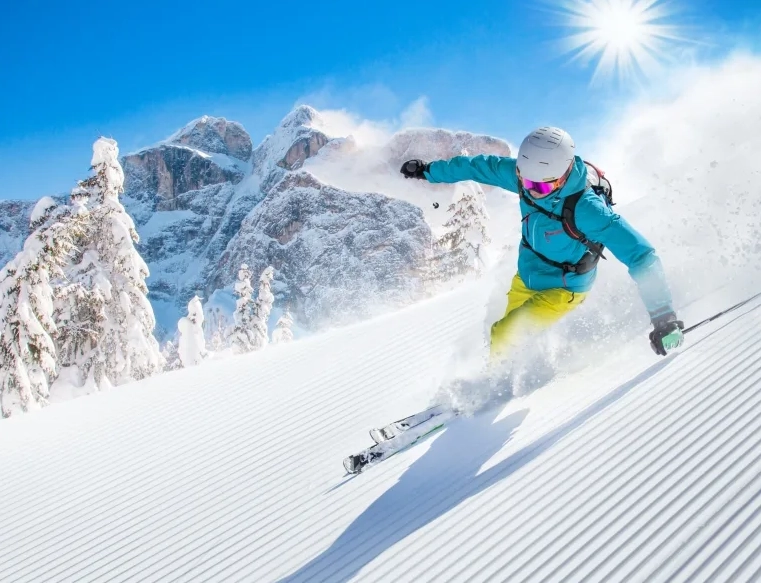
This guide is the one I wish I'd had. We're going to cut through the marketing fluff and get into what a Four Lakes ski vacation actually involves. We'll break down the different areas that fall under this popular search term, compare what they offer, and talk about the stuff that really matters when you're planning—like whether the beginner hill is just a sad strip of ice or a legit learning zone, where to find the best post-ski burger, and how to not blow your budget on the first day.
Let's be clear from the start: "Four Lakes ski" often refers to a specific region or a collective idea of skiing near picturesque lakes, rather than one single resort. It's a vibe as much as a destination. The appeal is obvious—carving turns in the morning and enjoying serene lake views in the afternoon. But which spots deliver on that promise?
What Exactly Are "The Four Lakes" for Skiing?
This is where confusion starts. You'll see "Four Lakes" pop up in different contexts. Sometimes it's a specific resort area, other times it's a shorthand used by locals and seasoned skiers to describe a cluster of ski-friendly zones around several major lakes. For the purpose of this guide, we're focusing on the broader, more common interpretation: premier skiing destinations situated near or offering views of significant lakes. This captures the essence of what most people are dreaming of when they search.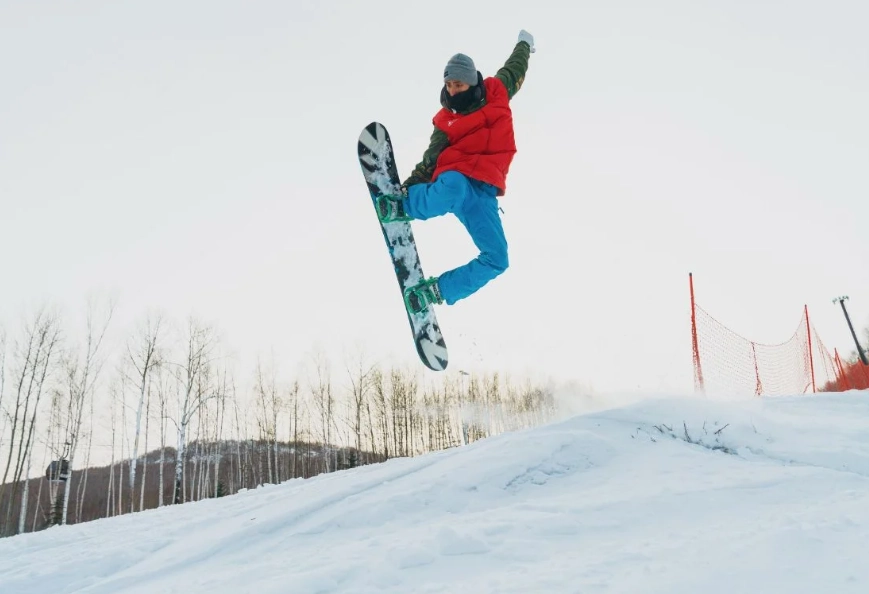
The magic of a Four Lakes ski experience is the combination. It's not just about the vertical drop or the number of black diamonds. It's about the atmosphere. There's something uniquely calming about finishing a day on the slopes and unwinding by a frozen lakeshore, or staying in a cozy cabin where your morning coffee comes with a view of snow-dusted pines reflected in still water. The lake acts as a natural centerpiece for the whole area, often meaning nearby towns have a certain charm you don't always get at mega-resorts built on a mountainside in the middle of nowhere.
Top Regions for a Genuine Four Lakes Ski Experience
Based on traveler reviews, ski community chatter, and pure geography, a few areas consistently rise to the top when you want that classic lake-and-slopes combination. Your choice depends heavily on what you're after.
| Region/Area | Lake Proximity & Vibe | Best For | A Note on Terrain |
|---|---|---|---|
| The Great Lakes Belt (MI, WI, MN) | Direct access to massive lakes (Superior, Michigan). The lake effect is real here, creating its own weather and often dumping impressive snow. | Adventurous intermediates, families seeking a classic Midwest ski week, snow reliability seekers. | Don't expect Rockies-level vertical. The hills are often smaller but can be surprisingly challenging and are almost always blanketed in reliable, fluffy snow thanks to the lake. |
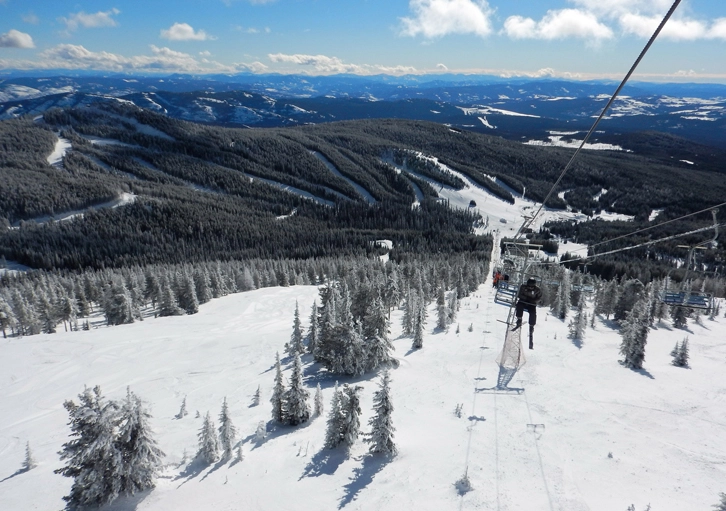
| Alpine Lake Regions (e.g., Tahoe, Eastern Sierras) | Stunning high-alpine lake scenery. Think Lake Tahoe – the quintessential postcard image of skiing with a lake view. | Advanced skiers, scenery chasers, those wanting a vast resort network. | This is big mountain skiing. The terrain is vast and varied, but it comes with higher costs and bigger crowds. The lake view from a lift is unbeatable. |
| Northeastern Lake Districts (NY, VT, NH) | Charming, smaller lakes nestled in classic New England valleys. Think Lake Placid or the areas around the Finger Lakes. | History buffs, families, skiers who love a cozy, town-centric vibe with great après-ski. | Terrain is classic East Coast – can be icy, can be great. The charm is in the historic towns and the intimate feel. A Four Lakes ski trip here feels traditional. |
See what I mean? Picking your Four Lakes ski destination isn't one decision; it's a series of choices about what kind of winter you want. Do you want the raw power of a Great Lake outside your window, or the jewel-like perfection of an alpine lake? The answer changes everything.
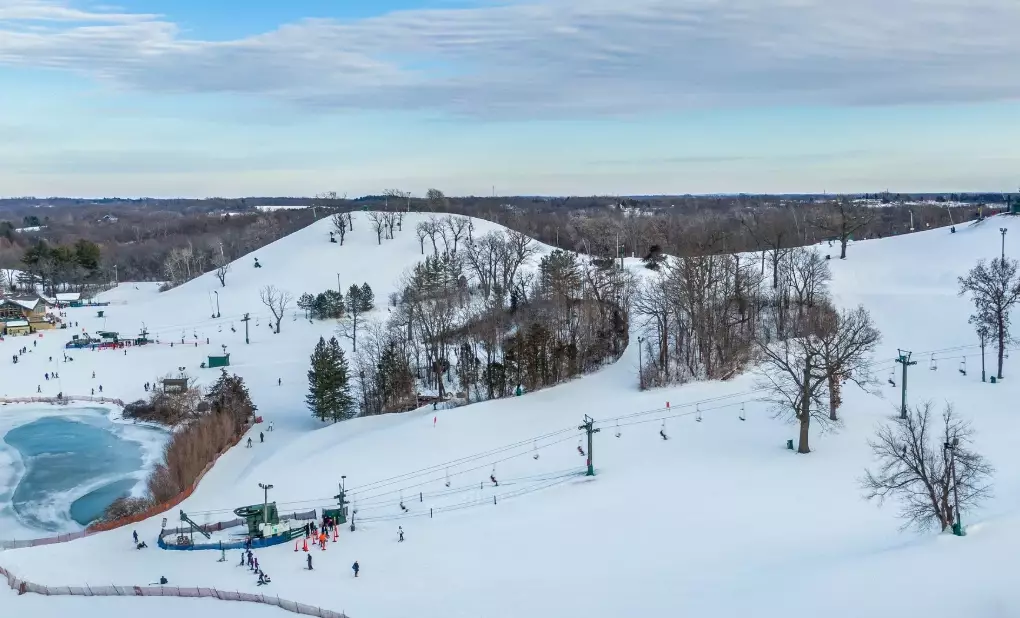 The lake isn't just a backdrop; it's part of the engine that makes the snow.
Planning Your Trip: The Nitty-Gritty Details They Don't Always Tell You
Alright, let's say you're leaning towards a region. Now comes the real planning. This is where blogs often gloss over the annoying but crucial details. Let's not do that.
When to Go: Chasing the Perfect Four Lakes Ski Conditions
Timing is everything, and it's different for a lake-affected area. That famous "lake-effect snow" is a blessing and a curse. It can dump feet of powder when inland areas are dry, but it can also bring fog, rain on the lower slopes, and wild temperature swings.
Prime Season: For most Four Lakes ski areas in the Midwest and Northeast, late January through February is your sweet spot. The lakes are fully frozen, minimizing the chance of fog or mixed precipitation, and the base is deep. In alpine regions like Tahoe, peak season runs December through March, but be prepared for holiday crowds and premium pricing.
The Early/Late Season Gamble: I took a late-March trip to a Upper Peninsula resort once, lured by cheap lodging. The lake (Lake Superior) was still partially frozen, but the warmer air created a surreal, thick fog that rolled over the hills every afternoon. We got a few good morning runs in, but by 1 PM, visibility was near zero. It was eerie, beautiful in a way, but not great for skiing. Lesson learned: if you're going early (December) or late (March), call the resort and ask about typical lake-effect conditions. Don't just check the snow report.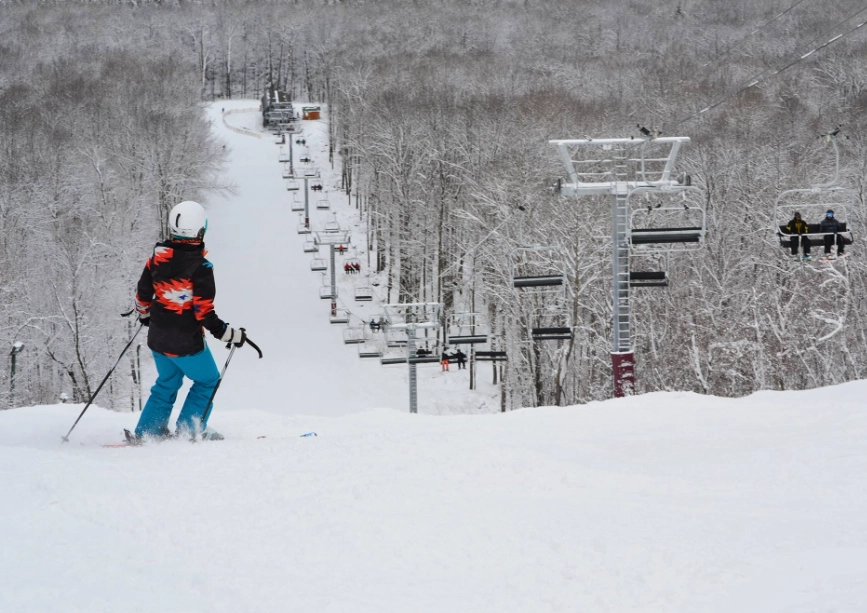
Pro Tip: Follow the resort's social media, not just their official snow report. Often, employees or season pass holders will post real-time videos showing the actual conditions—fog, wind, sunshine—better than any official description can.
Lodging: Lakeside Cabin vs. Slope-side Condo
This is a classic dilemma for a Four Lakes ski vacation. Do you stay right on the snow for maximum convenience, or do you book that picture-perfect cabin on the lake for the full experience?
I've done both. The slope-side condo is undeniably convenient. Roll out of bed, click into your skis, and you're on the lift. But at night, you're often in a resort complex. It can feel generic.
The lakeside cabin? It's magical. Waking up to that quiet, frozen view with steam rising off the water (if it's not fully frozen) is unforgettable. The downside? You're driving to the hill every day. In a snowstorm, that can be stressful. You're also likely further from restaurants, so you're cooking more. For a family trip where you want to build memories beyond the slopes, I now lean heavily towards the cabin. For a guys' or girls' ski weekend where maximizing vertical is the goal, slope-side wins.
Check sites like Airbnb and VRBO for cabin rentals, but always read the reviews regarding winter road maintenance and driveway steepness. A beautiful cabin is useless if you need a tank to get up the driveway in February.
Cost Breakdown: What a Four Lakes Ski Week Really Looks Like
Let's talk money, because surprise costs can ruin a trip. A Four Lakes ski trip can be surprisingly affordable compared to major Western destinations, but you still need a budget.
- Lift Tickets: This is your biggest variable. Smaller, independent hills near lakes can be a steal—sometimes $50-$70 per day. Larger, branded resorts will run you $100-$150+. Always buy online in advance. I can't stress this enough. The window price is a penalty fee.
- Rental Gear: If you need it, rent in town, not at the resort. A local ski shop in the nearby village will often have better, newer gear for half the price. I learned this after paying resort prices for boots that were older than I was.
- Food: This is a hidden budget-killer. Resort cafeteria food is expensive and mediocre. Pack a lunch! Most lodges have a designated area for bag lunches. A simple cooler with sandwiches, snacks, and a thermos of soup will save your family $50-$80 per day, easily. For dinner, explore the local taverns in the nearby lake town—the food is usually better, more authentic, and cheaper than the resort's fine-dining spot.
Watch Out For: The "destination fee" or "resort fee" that some lodging properties add. It's becoming more common and can add $20-$40 per night for amenities you might not even use (like a pool you're too tired to swim in). Always read the fine print before booking.
On the Mountain: Maximizing Your Four Lakes Ski Days
You've arrived. The car is unpacked, the cabin is warm, and tomorrow is a ski day. Here’s how to make the most of it.
First Day Strategy: Don't Just Follow the Crowd
Most people get their lift tickets, look at the trail map, and head straight for the most prominent chairlift from the base. That's a mistake. That lift will have the longest line, and the runs underneath it get skied off the fastest.
My strategy? Get there early, yes, but then take a moment. Grab a coffee, look at the trail map for lifts that aren't right at the main base. Often, there's a secondary lift or a beginner area lift that accesses some really fun, less-traveled terrain. Start there. You'll get more runs in with less waiting, and you'll warm up on less crowded trails. After a few runs, once the main lifts have calmed down a bit (usually after 10:30 AM), then move over to the more popular areas.
Another tip specific to Four Lakes ski areas: pay attention to the wind direction. If the wind is coming off the lake, certain exposed slopes can get scoured of snow and become icy. The leeward side of the mountain will be more protected and often have better snow. Ask a lift operator or a patroller—"Which side is holding the best snow today?" They know.
Terrain for Everyone: From Never-Evers to Experts
A good Four Lakes ski destination should have something for everyone. Let's break it down by skill level.
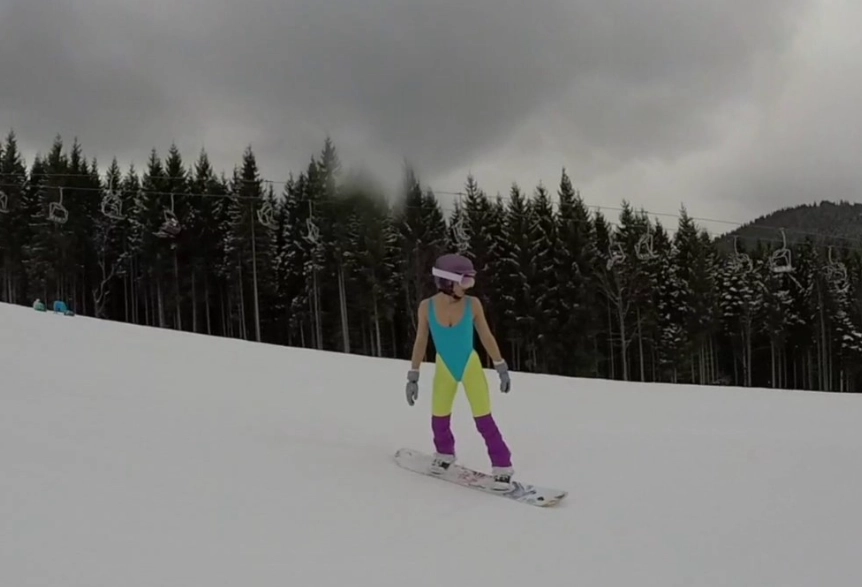
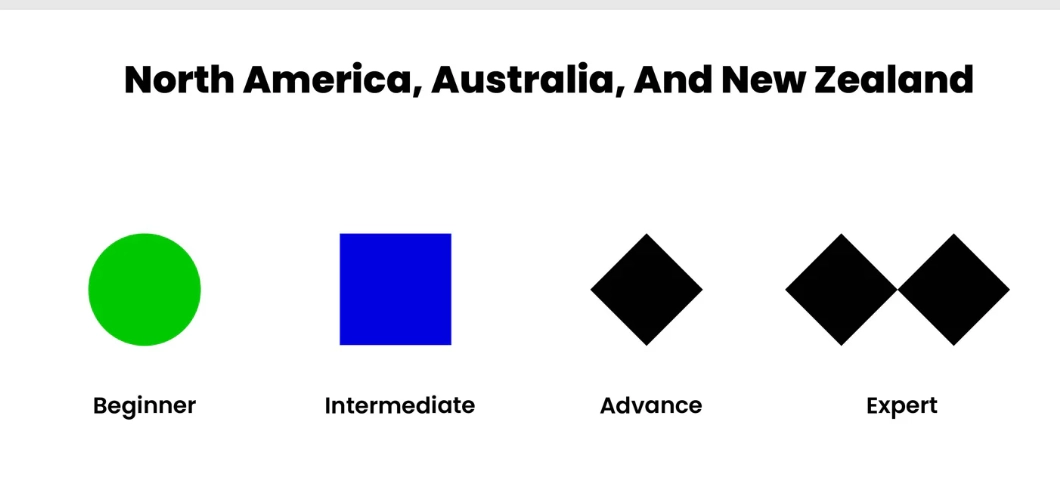
Beginners & Families: Look for a dedicated learning area. Not just a green circle run that experts use as a highway to get somewhere else, but a separate, gentle slope with its own slow-speed lift. This is non-negotiable for kids or nervous adults. The fear of being run over by a speeding snowboarder ruins the learning process. Resorts that invest in a good beginner area understand the Four Lakes ski family market. Also, check if the resort has a magic carpet (a conveyor belt lift)—it's a game-changer for first-timers.
Intermediate Cruisers: This is the bread and butter of most lake-area resorts. You want long, groomed blue-square runs that let you open up your turns and enjoy the scenery. Look for trails that meander through the trees with occasional glimpses of the lake—these are the runs you'll remember.
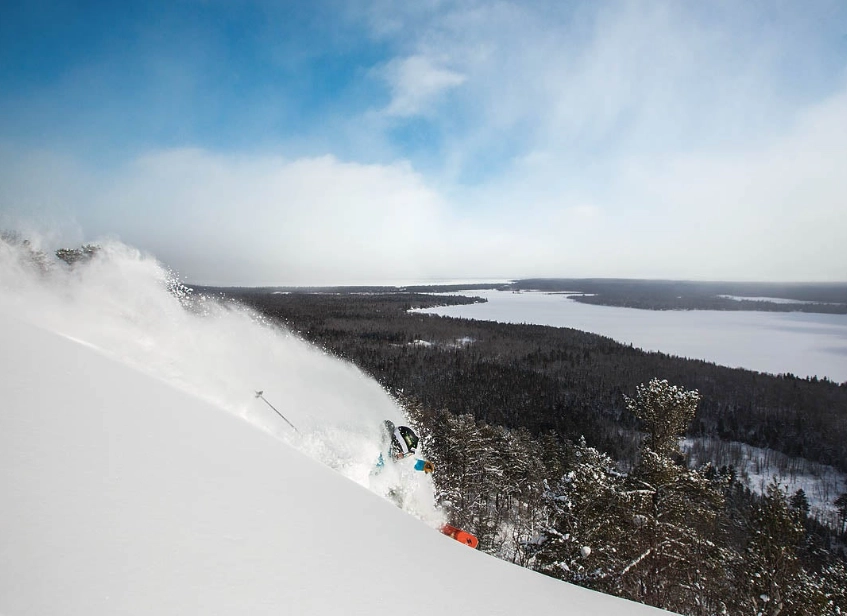
Advanced/Expert Skiers: You might think Four Lakes ski areas are tame. Not always. The lake-effect snow can create deep, challenging tree skiing and glades. Look for areas marked as glades or ask locally about "the good woods." Also, don't overlook the mogul runs. Because these resorts often have a loyal local following, their mogul fields can be meticulously maintained and seriously challenging.
Beyond the Skiing: The Full Four Lakes Experience
If you're only skiing from 9 to 4, you're missing half the point. The après-ski and off-slope activities are what turn a ski trip into a vacation.
Classic Winter Activities (That Aren't Skiing)
The lake itself becomes a platform for fun. Once it's safely frozen (and always verify ice thickness with local authorities), it opens up a world of possibilities.
- Ice Fishing: It's a cultural staple in many Four Lakes regions. You can often rent a heated ice shanty for the day. It's surprisingly social and relaxing, even if you don't catch anything. The Wisconsin Department of Natural Resources (WDNR) has excellent safety guides if you're new to it.
- Snowshoeing or Cross-Country Skiing on the Lake: Many lakes have groomed trails around the perimeter or across them. Gliding across a vast, flat expanse of snow with panoramic views is a completely different, peaceful winter experience.
- Fat Tire Biking: Many lake towns now groom trails for fat bikes. It's an incredible workout and a blast.
Après-Ski: Where to Unwind
The vibe here is different from a Rockies mega-resort. It's less about champagne lounges and more about rustic taverns with local brews and live folk music. Ask a local where they go after skiing—not where the tourists are sent. You'll often find a gem of a bar with a fireplace, a couple of old-timers playing cribbage, and a bartender who can tell you the real history of the area.
One of my favorite memories isn't from skiing, but from a tiny pub on the shore of Lake Michigan. We sat by the window watching the sunset over the ice, drinking a local stout, and talking to a retired couple who'd been skiing there for 40 years. That's the heart of a Four Lakes ski trip.
Your Four Lakes Ski Questions, Answered
Making the Decision: Is a Four Lakes Ski Trip Right for You?
Let's wrap this up with some real talk. A Four Lakes ski vacation isn't for the skier who lives only for double-black chutes and 3,000-foot vertical drops. You can find challenging terrain, sure, but that's not the primary draw.
This trip is for the person who loves the whole package of winter. It's for families who want their kids to experience the magic of a snowy cabin, frozen lake, and the accomplishment of learning to ski. It's for groups of friends who want a mix of great skiing, good food, and unique off-slope adventures without breaking the bank. It's for couples looking for a romantic, scenic getaway with plenty of cozy options.
The charm is in the blend. The rhythm of a day where you push yourself on the mountain in the crisp air, then slow way down in the afternoon for a snowshoe or simply relaxing by the fire with a view of the lake. It's a more well-rounded, perhaps more nostalgic, winter experience.
My advice? Pick your region based on the vibe you want. Do your homework on the specific resort's beginner area or expert terrain, depending on your crew. Book a place to stay that contributes to the experience (that lakeside cabin is almost always worth the drive). And finally, embrace everything—not just the skiing. Walk into that local tavern, rent those snowshoes, ask the ice fishermen how it's going.
That's how you turn a search for "Four Lakes ski" into an actual, memorable winter adventure. The lakes have been there for millennia, shaping the weather and the communities around them. A ski trip that includes them is about connecting with that landscape, not just conquering a hill. And honestly, that's a pretty good reason to go.
Related Articles
Comments
Join the discussion