You read that right—snow skiing in Hawaii isn't a myth. It happens on Mauna Kea, the state's highest peak, where winter brings enough snow for a quirky, unforgettable ski experience. I've skied there three times over the past decade, and each trip taught me something new about tackling this tropical anomaly. Let's cut to the chase: if you're dreaming of carving turns in Hawaii, here's everything you need to know, stripped of the fluff.
What You’ll Find in This Guide
How Snow Skiing in Hawaii is Possible
Mauna Kea is a dormant volcano on the Big Island, soaring 13,803 feet above sea level. At that altitude, temperatures drop below freezing from November to April, creating sporadic snowpack. The snow isn't always deep—sometimes just a few inches—but in good years, it can accumulate enough for skiing. According to the University of Hawaii at Hilo's climate data, the summit sees an average of 15-20 snow days per winter. It's raw, backcountry-style skiing, not a resort with lifts. You hike up, ski down, and deal with variable conditions. I once skied there in February after a storm, and the views over the Pacific were insane, but the snow was crusty by afternoon.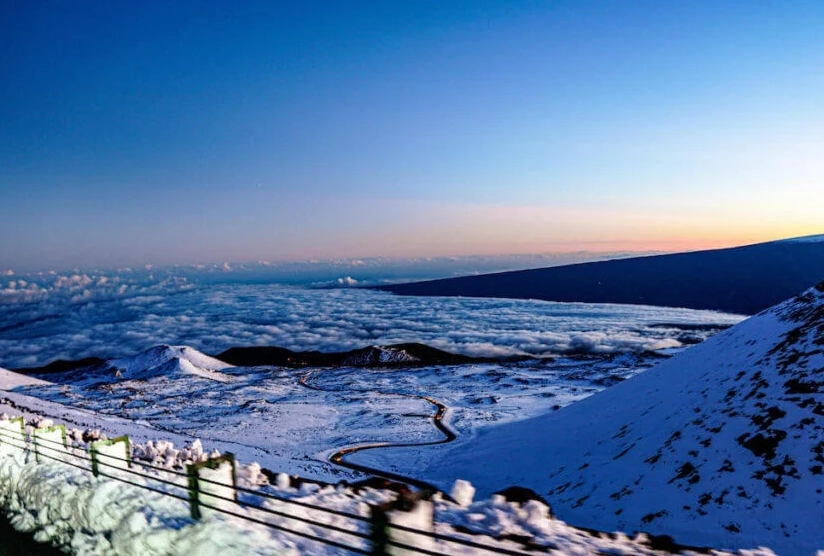
Planning Your Trip to Mauna Kea for Skiing
This isn't your typical ski vacation. You need to plan like a mountaineer. Here are the specifics:
Location and Access
Mauna Kea is on the Big Island of Hawaii. The skiing happens near the summit, accessed via the Mauna Kea Access Road. The road starts at the Visitor Information Station at 9,200 feet. From there, it's a steep, unpaved drive to the top. You'll need a 4WD vehicle—rental companies like Harper Car & Truck Rental in Hilo offer them, but book early. The address for the start point: Mauna Kea Access Road, Hilo, HI 96720. No formal "resort" exists, so there's no ticket booth. However, the University of Hawaii manages the area, and they recommend checking conditions via their Mauna Kea Weather Center website before heading up.
When to Go
Skiing is seasonal and weather-dependent. The best window is December to March, but it varies yearly. I've had luck in January. Snow reports are scarce, so monitor the National Weather Service forecasts for Mauna Kea. The road closes during bad weather, so flexibility is key. There's no official—it's daylight hours only, as the summit gets dangerously cold at night.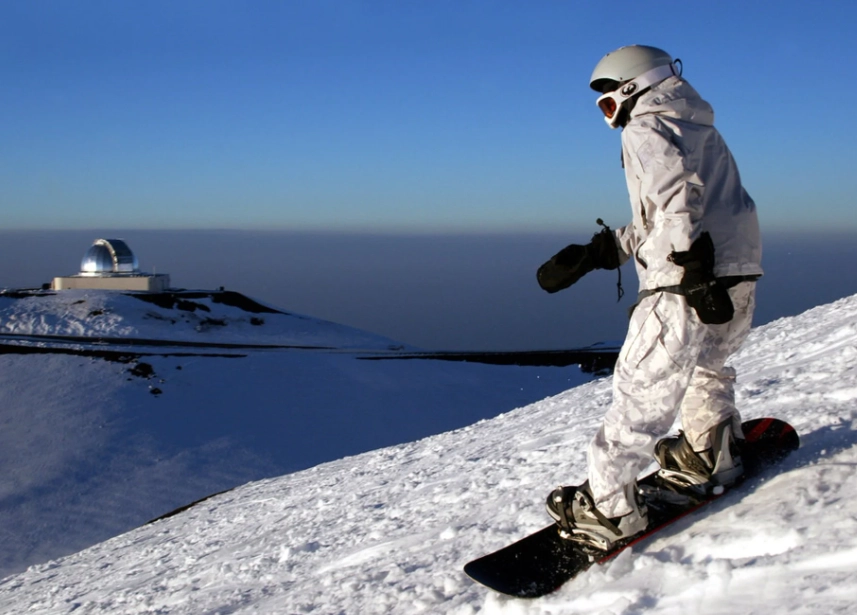
Costs and Logistics
It's free to ski, but costs add up: 4WD rental ($150-200/day), gas, and gear. Some guided tours are available, like those from Hawaii Forest & Trail, but they're pricey ($300+ per person) and focus more on stargazing than skiing. If you're DIY, pack food and water—no facilities up top. The Visitor Information Station has restrooms and basic info, open from 9 AM to 9:30 PM.
Quick Tip: Don't underestimate the drive. The road is rough, and altitude sickness hits many tourists. I saw a family turn back halfway because their kids felt dizzy. Acclimate at the Visitor Station for 30 minutes before ascending.
What to Expect on the Slopes
Forget groomed runs. The skiing is on natural slopes, primarily on the north side of the summit. The terrain is intermediate to expert, with pitches ranging from 30 to 40 degrees. Snow quality varies—it can be powder one day, ice the next. There are no marked trails or patrols, so you're on your own. I skied a section called the "Bulldog Chute," which was fun but required careful navigation around rocks. The vertical drop is limited, maybe 500-800 feet per run, so you'll hike multiple times. The scenery, though, is unreal: you're above the clouds, with the ocean visible on clear days.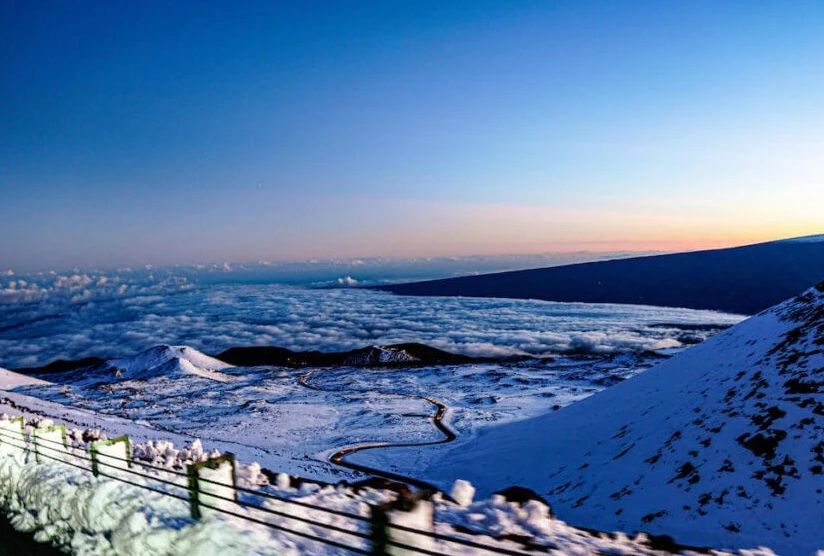
Here's a breakdown of typical conditions:
| Condition | Description | Best For |
|---|---|---|
| Powder | Rare but possible after storms; light and dry | Advanced skiers seeking fresh tracks |
| Crust | Common in afternoons; sun melts surface | Experienced skiers with sturdy gear |
| Ice | Frequent due to wind and temperature swings | Experts only; requires sharp edges |
Essential Gear and Preparation
You can't rent ski gear on Mauna Kea. Bring everything or ship it ahead. Here's my checklist, based on hard lessons:
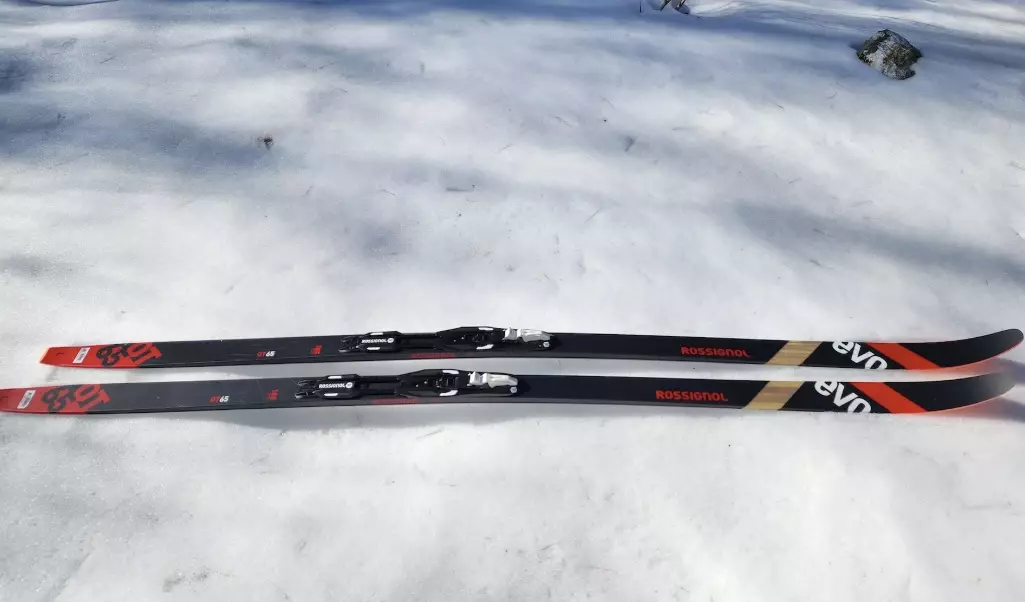
- Ski Equipment: All-mountain skis or a splitboard for hiking. I use a lightweight touring setup—skins are a must for the ascent. Don't bring powder skis; they're overkill for the variable snow.
- Clothing: Layering is crucial. Temperatures range from 20°F to 40°F. A waterproof shell, insulated pants, and gloves. I made the mistake of wearing thin gloves once and nearly got frostbite.
- Safety Gear: Beacon, probe, and shovel—avalanche risk is low but not zero. A first-aid kit and satellite communicator (like a Garmin inReach) because cell service is spotty. The Hawaii Department of Land and Natural Resources advises carrying emergency supplies.
- Altitude Aids: Drink plenty of water, avoid alcohol, and consider acetazolamide if prone to sickness. I always pack electrolyte tablets.
If you forget something, shops in Hilo like Sports Authority might have basics, but selection is limited. Plan ahead.
A Sample Itinerary for a Ski Day in Hawaii
Here's how a typical day unfolds, based on my last trip. Adjust for weather.
5:30 AM: Wake up in Hilo (I stay at the Hilo Hawaiian Hotel—affordable and close to the road). Check Mauna Kea Weather Center for updates.
6:30 AM: Drive to the Visitor Information Station. It's about an hour from Hilo. Fill up gas; there are no stations on the mountain.
8:00 AM: Arrive at the station. Acclimate, use restrooms, and chat with staff about conditions. They're knowledgeable but not ski experts.
9:00 AM: Start the drive up in 4WD. Go slow; the road is steep and gravelly. Park near the summit天文台 area (respect restricted zones).
10:00 AM: Gear up and hike to a slope. I aim for the north-facing bowls. Hike for 30-45 minutes, then ski down. Repeat 2-3 times.
1:00 PM: Lunch break in the car. Bring sandwiches—no cafes. Hydrate heavily.
2:00 PM: More skiing, but snow often deteriorates. I call it quits by 3 PM to avoid afternoon clouds.
4:00 PM: Drive down carefully. Head to Hilo for a post-ski meal at Café Pesto—their pizza hits the spot.
This itinerary assumes good weather. If storms roll in, bail early. The road closes if it's icy.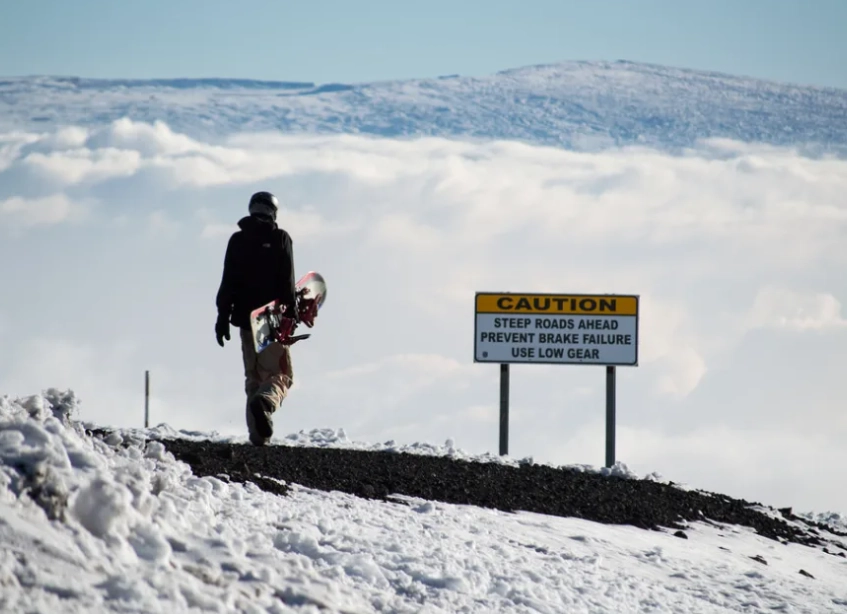
Common Mistakes and How to Avoid Them
After years of skiing here, I've seen people mess up in predictable ways. Here's my non-consensus take:
Mistake 1: Treating it like a resort. Mauna Kea is backcountry. Beginners often show up with rental skis from the beach shops, expecting lifts. They end up frustrated or hurt. Solution: Only go if you have off-piste experience. If you're new to skiing, stick to Hawaii's waves instead.
Mistake 2: Ignoring altitude. The summit is above 13,000 feet. Many drive up too fast, get headaches, and ruin their day. I've done it myself—once I pushed through and felt awful for hours. Solution: Spend at least an hour at the Visitor Station to acclimate. Drink water like it's your job.
Mistake 3: Skimping on gear. I met a guy who tried skiing in jeans and a hoodie. He lasted one run before hypothermia set in. Solution: Invest in proper layers and equipment. If you can't afford it, maybe this adventure isn't for you—safety trumps novelty.
Mistake 4: Overlooking weather changes. Conditions shift rapidly. On my first trip, a sunny morning turned into a whiteout by noon. I had to navigate down blindly. Solution: Check multiple forecasts, including the National Weather Service, and have a bail-out plan.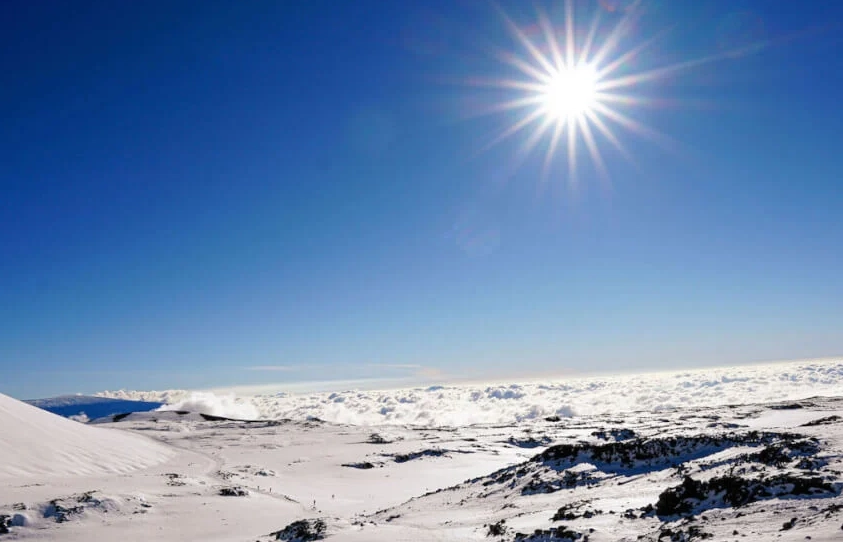
Your Questions Answered
Snow skiing in Hawaii is a niche adventure for the prepared. It's not for everyone, but if you embrace the raw, unpredictable nature of Mauna Kea, it's a story worth telling. Pack smart, respect the mountain, and enjoy the ride—just don't expect a resort vibe. For more info, check resources like the University of Hawaii's Mauna Kea site or the Hawaii Tourism Authority for travel tips. Now, go chase those tropical turns!
Related Articles
Comments
Join the discussion