Ski touring in Norway isn't just another item on a bucket list; it's a pilgrimage for anyone who craves vast, silent landscapes, deep arctic powder, and the profound sense of freedom that comes from earning your turns. Forget crowded lifts. Here, your skis, your fitness, and your judgment are the only tickets you need. I still remember my first tour there, cresting a ridge to see an endless fjord stretching below, the only sound my own breathing. It changes you. But turning that dream into a safe, unforgettable trip requires more than just enthusiasm. This guide cuts through the hype and gives you the concrete, actionable details you need to plan an epic Norway backcountry skiing adventure.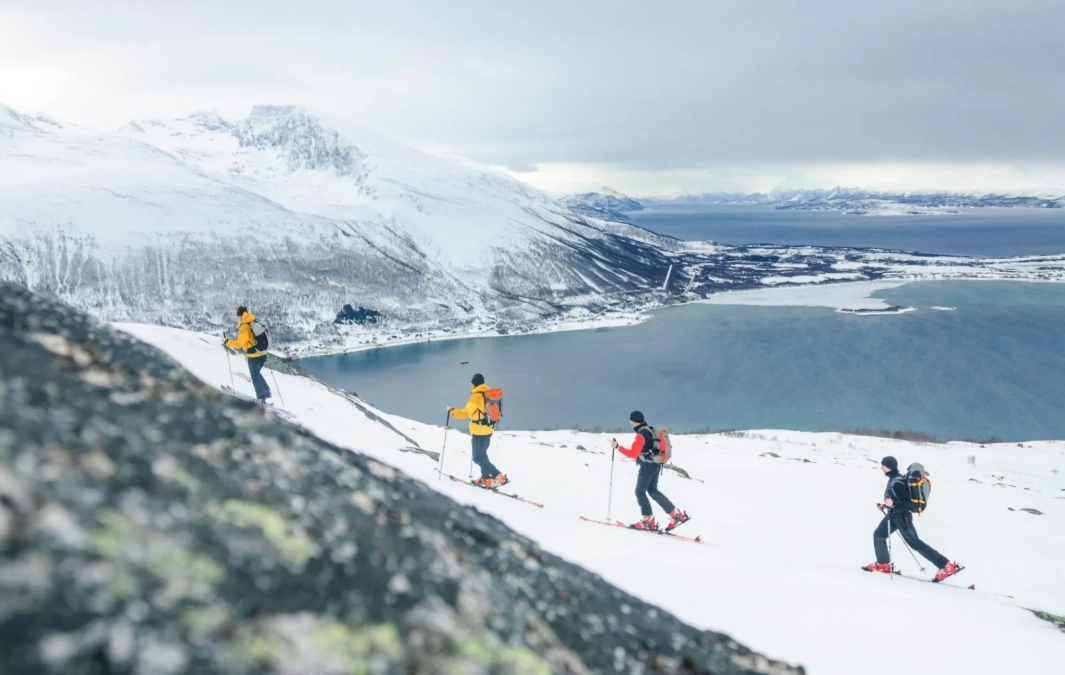
What's Inside This Guide
Why Norway is a Ski Touring Paradise
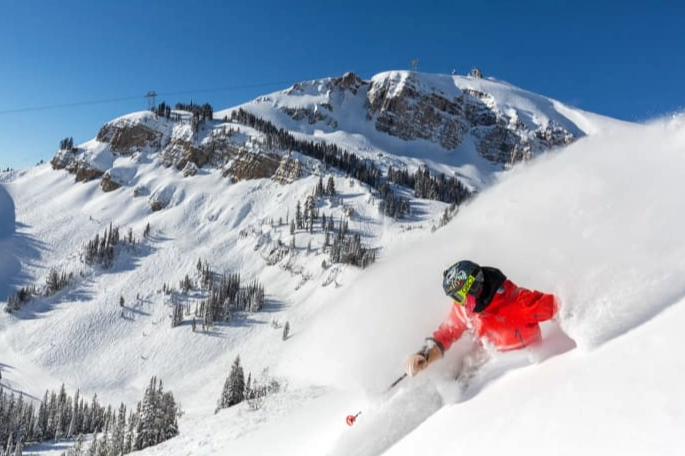
Let's get specific. What makes Norway backcountry skiing unique? It's the combination of accessibility, terrain, and that magical light. The season is long—from late November on the glaciers to May in the mountains. The right to roam ("Allemannsretten") means you can camp and ski almost anywhere on uncultivated land. The infrastructure is fantastic, with countless mountain cabins (DNT huts) offering shelter. But the real magic is in the vistas: skiing from a summit straight down to a deep blue fjord is an experience few places on earth can offer.
One subtle mistake first-timers make? Underestimating the maritime snowpack. It's often denser and more stable than the continental snow found in the Alps or Rockies, but it also forms persistent weak layers that can linger all season. You can't just transfer your avalanche knowledge from elsewhere without local intel.
Top Norwegian Ski Touring Destinations
Norway is huge. Picking where to go is your first big decision. While the whole country offers gems, two regions stand out as the absolute pinnacle for dedicated ski tourers.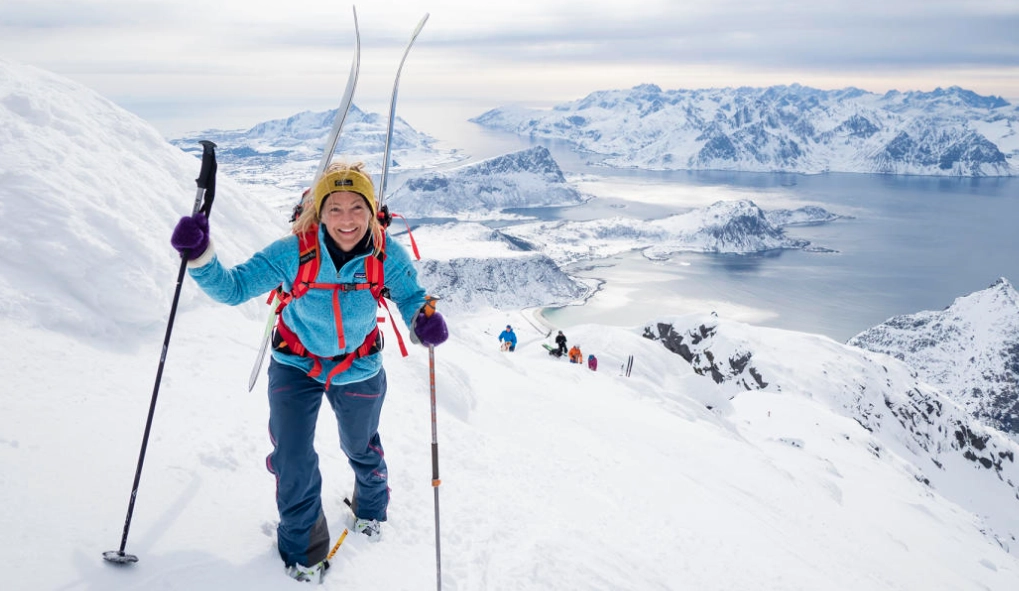
The Lyngen Alps: The Crown Jewel
If Norway backcountry skiing had a poster child, it would be the Lyngen Alps. This 90km long mountain range shoots directly out of the Norwegian Sea. Think steep, dramatic peaks, reliable snow, and ocean views from every summit. It's advanced terrain, but there are options for strong intermediates too.
Getting There & Base: Fly into Tromsø (TOS), the "Gateway to the Arctic." From there, it's a 2-2.5 hour drive (or ferry) to the heart of Lyngen. Renting a car is almost essential for flexibility. You'll base yourself in small villages like Lyngseidet or Svensby.
Where to Stay: Options range from self-catering cabins to full-service lodges. Lyngen Lodge is famous for its guiding and location, but books up over a year in advance. Lyngen North offers a similar, slightly more remote experience. For a more independent feel, search for "hytte" (cabin) rentals on sites like Airbnb or Hytteliv.
Classic Tours:
- Jiehkkevárri (1,833m): The highest peak in Troms county. A long, serious tour (8-12 hours) for experienced parties, offering one of the most iconic descents in Norway.
- Store Fornestinden (1,196m): A more accessible classic. A stunning ridge walk leads to a 360-degree view of the Lyngen fjord and surrounding peaks. The north-facing descent holds powder long after a storm.
- Ullstinden (1,168m): A popular choice with a relatively straightforward ascent and fantastic skiing on the west face.
Pro Tip: Don't fixate on the famous peaks. Some of my best days in Lyngen were on unnamed slopes right behind my cabin, spotted by studying the map and the morning avalanche report. The freedom to explore is the point.
Other Must-Consider Regions
Lyngen gets the headlines, but it's not the only show in town.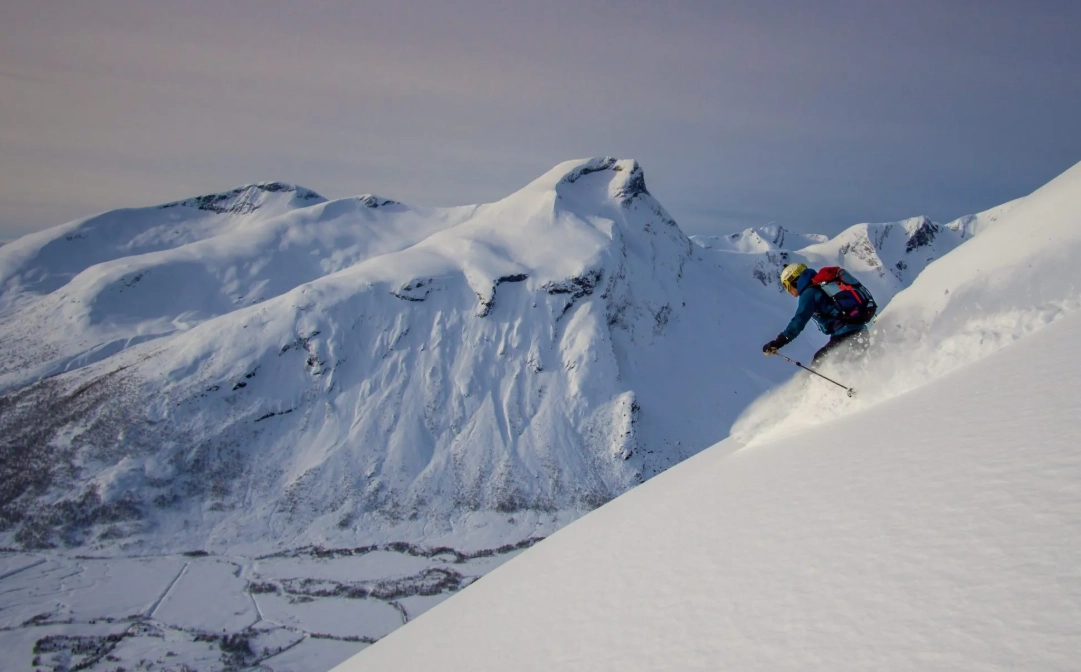
- Romsdalen (Åndalsnes): Home to the iconic Troll Wall. This is big, steep, and committing alpine terrain. The weather can be more temperamental than further north, but the mountains are breathtaking. Better for late spring missions.
- Saltfjellet-Svartisen: Just south of the Arctic Circle, this area offers high mountain plateaus and glacier touring, often with more stable, continental-like snow. Great for longer multi-day traverses between DNT huts.
- Hardangervidda Plateau: A massive mountain plateau. This is less about steep descents and more about the joy of movement across vast, rolling snowy landscapes—perfect for ski touring newcomers or those wanting a wilderness experience.
Essential Gear for Norwegian Conditions
Norwegian conditions demand specific gear. It's not just about having the right stuff; it's about having the appropriate stuff. A common error is bringing ultra-lightweight gear designed for spring corn. You'll be miserable in the cold, wind, and variable snow.
| Category | Essential Items & Norwegian-Specific Notes | My Personal Recommendations (Based on 10+ seasons) |
|---|---|---|
| Ski Setup | 95-105mm underfoot skis. You need float for powder but maneuverability for variable snow. Tech (pin) bindings are standard. Climbing skins with good glide. | I swear by a ski like the Black Crows Navis Freebird or Atomic Backland 100. For bindings, the ATK Raider 12 is a reliable workhorse. |
| Boots | Dedicated ski touring boots with a walk mode. Prioritize warmth and a precise fit over ultralight weight. Cold feet ruin days. | Scarpa Maestrale RS or Dynafit Hoji PX offer great balance. Try them on with the socks you'll tour in! |
| Safety Kit | Non-negotiable: Modern digital avalanche transceiver (3-antenna), shovel, probe. A two-way satellite communicator (Garmin inReach) is highly advised. | Practice with your beacon monthly. The Mammut Barryvox S is excellent. A Garmin inReach Mini has saved trips by allowing weather updates. |
| Clothing | Layering system: merino wool base, insulating mid-layer (fleece or synthetic puffy), a highly waterproof & breathable shell. Windproof gloves and a warm hat. | Norwegian weather changes fast. A shell like the Arc'teryx Beta AR is worth the investment. Pack a lightweight down jacket for summit breaks. |
| Other Must-Haves | Headlamp (essential in short winter days), thermos for hot drinks, detailed topographic map and compass (GPS is a supplement, not a replacement). | A 1-liter thermos of tea is my secret weapon against the cold. Always carry a physical map—Statens Kartverk produces the best ones. |
Safety First: Avalanche Terrain & Decision Making
This is the most important section. Norway's beauty is matched by its objective hazards. The avalanche danger is real and managed differently than in more regulated Alps.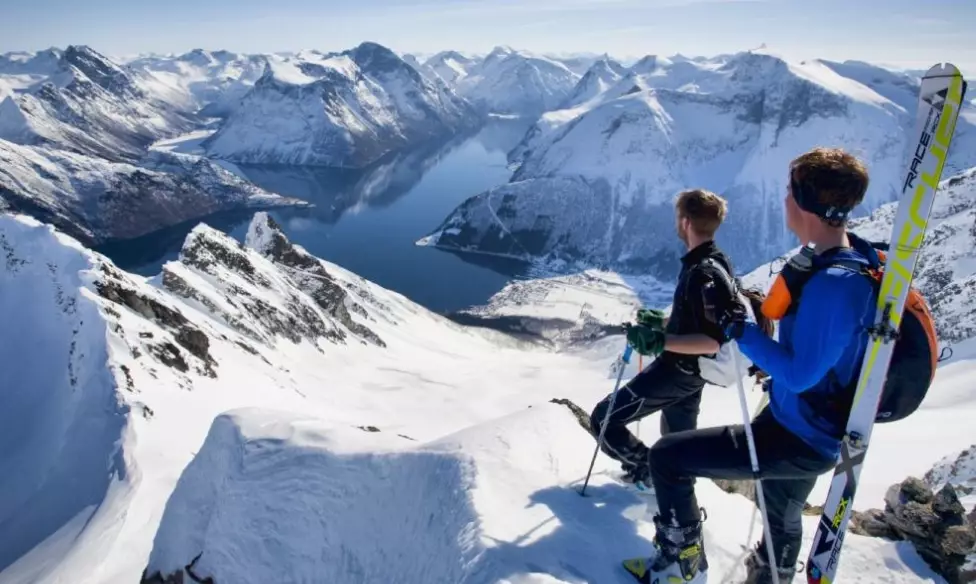
Critical: Norway does not have the same dense network of avalanche forecasting centers as the Alps. You must be self-reliant. The primary resource is the Varsom.no website and app, which provides regional avalanche forecasts (Faregrad). However, these cover large areas. You are responsible for fine-scale assessment.
Step 1: Get Educated. If you're new to avalanche terrain, a course is non-negotiable. Look for a Norsk Fjellsportforening (NMF) certified course, or an internationally recognized one (AIARE, AAA). An astoundingly common mistake I see is experienced in-bounds skiers thinking they can "figure it out." You can't.
Step 2: Plan Using Local Intel. Before you go, study Varsom.no. When you arrive, talk to local guides, hut wardens, or other skiers. They know the current snowpack structure—where the weak layers are, which aspects are wind-loaded.
Step 3: Make Conservative Decisions. You're on vacation. The goal is to come back. If the forecast is considerable (3/5) or above, dial your plans way back. Choose low-angle, low-consequence terrain. Some of my most enjoyable days were skiing mellow, forested slopes during higher danger periods, simply enjoying the movement and the scenery.
Consider hiring a local IFMGA guide for at least your first few days. They provide an immense safety net and knowledge transfer. It's not a sign of weakness; it's smart.
How to Plan Your Norway Ski Touring Trip: A 7-Day Sample
Let's make this concrete. Here’s a realistic, high-value one-week itinerary focused on the Lyngen Alps, assuming you have solid ski touring experience.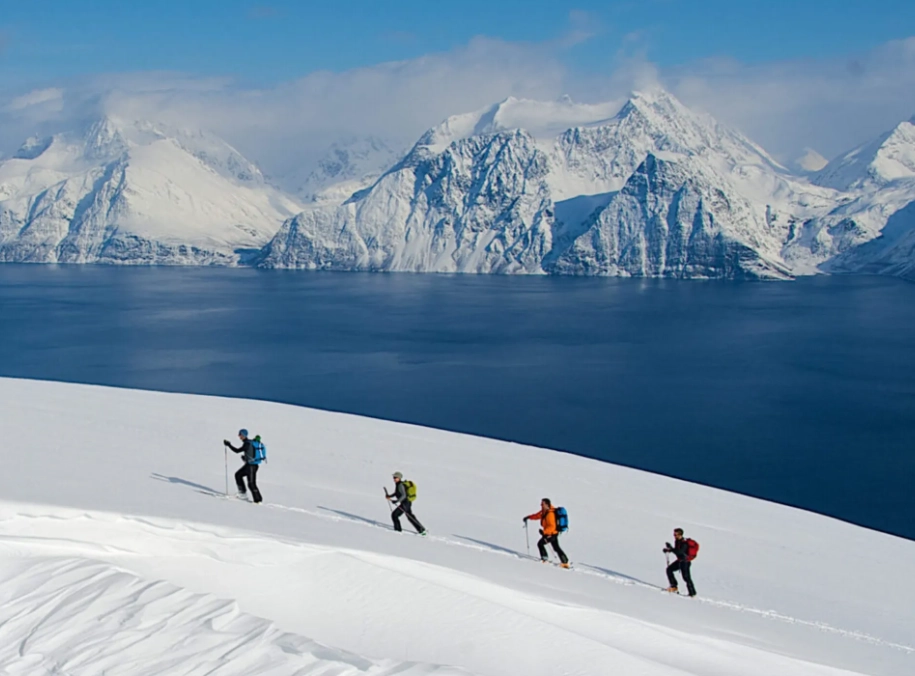
Day 1-2: Arrival & Acclimatization. Fly into Tromsø. Pick up rental car, do last-minute gear/food shopping. Drive to Lyngseidet (2.5 hrs). Check into your accommodation. Day 2: Do a short, low-stakes tour near your base. Something like a lap up a smaller peak behind the village. This lets you test your gear, get your legs under you, and observe the snow conditions. No big objectives today.
Day 3-5: Core Touring Days. Based on weather and avalanche forecast, plan your bigger days.
• Option A (Good stability): Tackle a Lyngen classic like Store Fornestinden.
• Option B (Unsettled weather): Focus on lower-elevation, tree-sheltered tours or coastal ridges.
• Option C (Hut trip): Do a 2-day, 1-night trip to a DNT hut like Jægervassthytta, touring from there.
Always have a Plan B and C. One day might be a 6-hour epic, the next a 3-hour tour followed by a sauna and watching the northern lights.
Day 6: Flexible Day & Cultural Touch. Maybe another tour, or a rest day. Visit the Lyngen North Experience for a sauna and dip in the fjord (trust me, it's revitalizing). Drive to a different part of the peninsula for a new perspective.
Day 7: Departure. One last short morning tour if your flight allows, then drive back to Tromsø.
Budgeting: Norway is expensive. For a self-guided week excluding flights, budget a minimum of $1,500-$2,000 per person for car rental, cabin, food, and fuel. Guided trips start around $3,500+.
Your Ski Touring in Norway Questions Answered
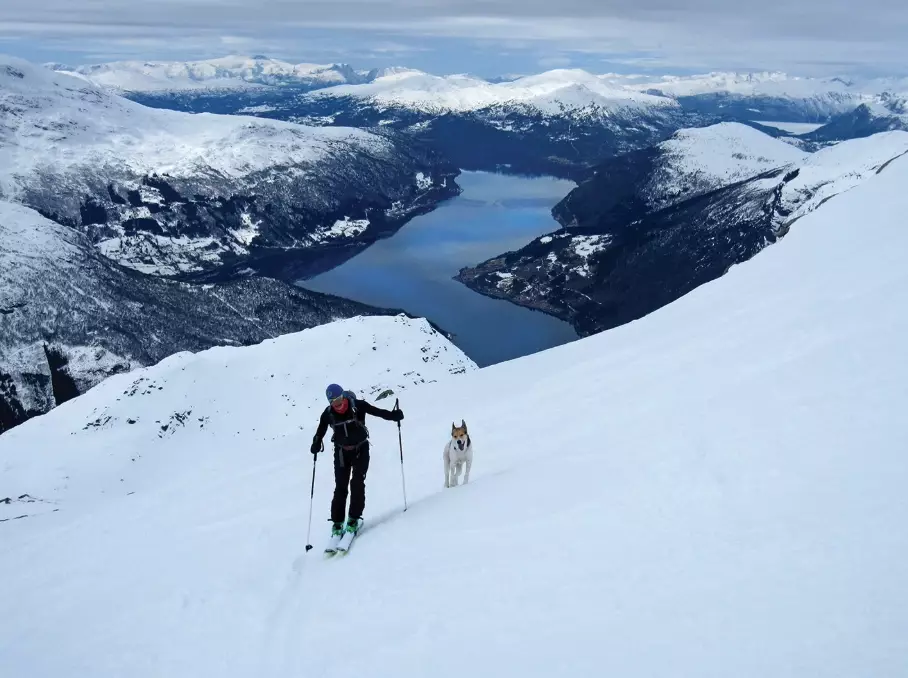 In a place like the Lyngen Alps, should I book a guided package or go self-guided?
Related Articles

Comments
Join the discussion