Quick Ski Guide
So you've decided to try skiing. That's awesome. The idea of gliding down a snowy mountain, the crisp air, the stunning views – it's a magical feeling. But then comes the hard part: where do you even start? Typing "beginner skiing resorts USA" into Google can feel overwhelming. You get bombarded with names, stats, and marketing speak. It's tough to figure out which places are genuinely welcoming for someone who might not know a ski binding from a boot buckle.
I remember my first trip. I was excited but clueless. I ended up at a resort that was way too steep and advanced for me. I spent more time on my backside than on my skis, and the other skiers zipping past me didn't help my nerves. It wasn't a great introduction. I wish I'd had a guide that cut through the noise and told me exactly what to look for.
That's what this is. We're going to walk through everything you need to know to pick the right beginner skiing resorts in the USA. We'll talk about what makes a resort truly beginner-friendly (hint: it's not just about having a few green circles), break down some of the top spots across the country, and give you the real, practical advice you need to plan a trip you'll actually enjoy, not just survive.
Let's get one thing straight: The best beginner skiing resorts in the USA aren't necessarily the biggest or the most famous. They're the ones with the right terrain, the best teaching infrastructure, and a vibe that doesn't make you feel like an outsider on your first day. Finding them is the key to falling in love with the sport.
What Makes a Ski Resort Truly "Beginner-Friendly"?
You see the term "beginner-friendly" thrown around a lot. But what does it actually mean on the ground? It's a combination of factors that work together to build your confidence from the moment you step out of the lodge.
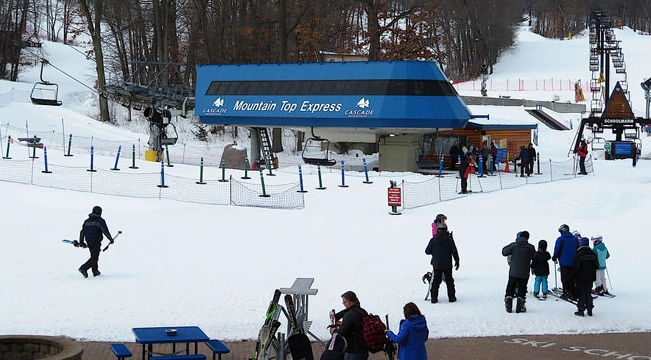
First, look for dedicated beginner areas. These are separate zones, often near the base, with their own slow-speed lifts (like magic carpets or beginner chairlifts). They're protected from faster skiers coming down from above. Resorts that invest in these areas are serious about welcoming newcomers.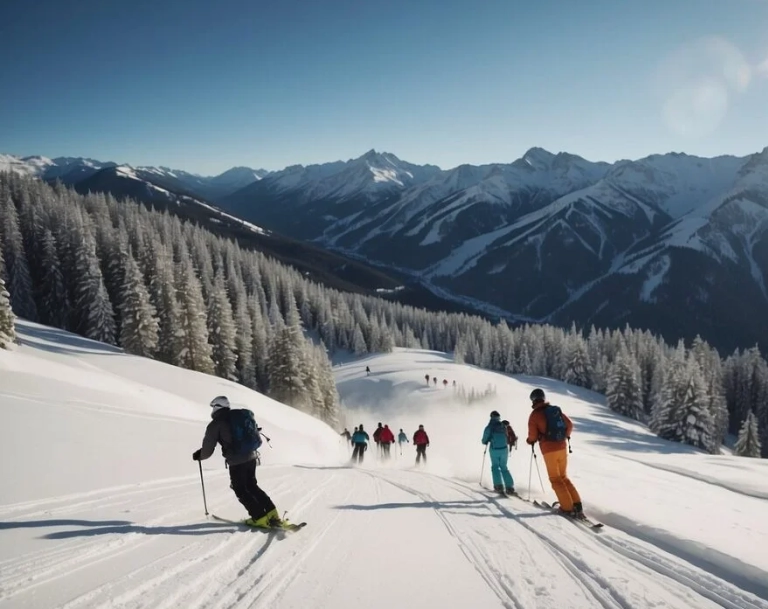
The ski school is your best friend. A top-tier beginner program has patient, certified instructors, small class sizes, and a proven learning progression. I can't stress this enough – taking a lesson, even a half-day one, is the single best investment you can make. It accelerates your learning curve and makes the whole experience safer and more fun. The Professional Ski Instructors of America & American Association of Snowboard Instructors (PSIA-AASI) is the national organization that certifies instructors, so a resort with a high concentration of PSIA-certified pros is a great sign.
Logistics matter. Is the rental shop modern and organized? Do they have quality, well-maintained beginner-specific equipment? Is there a convenient, stress-free way to get from your lodging to the lifts? A resort can have perfect slopes, but if getting geared up is a chaotic nightmare, it sours the day.
Finally, consider the atmosphere. Some resorts have a more intense, expert-centric culture. The best beginner skiing resorts in the USA foster a relaxed, encouraging, and non-judgmental environment. You want a place where it's perfectly normal to be learning.
Top Contenders: The Best Beginner Skiing Resorts in the USA, Broken Down
Alright, let's get into the specifics. The US is blessed with incredible ski terrain from coast to coast. I've grouped a few standout resorts that consistently get high marks from first-timers. Remember, "best" is subjective. The right one for you depends on your budget, travel preferences, and what else you want from a vacation.
| Resort & Location | Why It's Great for Beginners | Ski School & Learning Highlights | The Vibe & Notes |
|---|---|---|---|
| Breckenridge, Colorado | Massive dedicated beginner area (Peak 9), free groomed trails right from the base, excellent snowmaking. | Top-rated Breckenridge Ski & Ride School. Offers specialized first-timer packages that include lift, lesson, and rental. | Historic, lively town with tons of apres-ski options. Can feel crowded, especially on weekends. The high altitude is real – give yourself a day to acclimate. |
| Deer Valley, Utah | Meticulously groomed wide boulevards, a culture of customer service that's second to none, limited skier numbers. | Deer Valley Ski School is legendary for its quality. Very small group sizes and a focus on luxury learning. | Upscale, polished, and serene. Not a snowboarder destination (skiers only). It's a premium experience with a premium price tag. |
| Okemo Mountain, Vermont | Consistent, manageable pitch across its green trails. The South Face area is a beginner's dream with interconnected gentle slopes. | Okemo's Snow Sports School is fantastic for families and adults. They have great beginner-specific terrain parks to learn park basics safely. | Classic New England charm. Family-owned feel (though part of a larger pass network). Great tree skiing for when you progress. Weather can be more variable than the Rockies. |
| Heavenly Mountain, California/Nevada | Breathtaking Lake Tahoe views from easy runs. The California Trail is a 3.5-mile long, gentle green that feels like an achievement. | Heavenly's Ski and Ride School offers stunning lake-view learning areas. Good mix of group and private options. | The unique two-state resort. Busy casino scene on the Nevada side, more relaxed on the California side. The scale can be intimidating at first glance. |
| Snowmass, Colorado | Vast amount of beginner terrain (over 50% green circles), all funneling to a single, easy-to-navigate base village. Minimal flat spots to get stuck on. | The Snowmass Ski & Snowboard School has an award-winning kids' program, making it a top pick for families. Adults get equal attention. | Massive but not intimidating. Less crowded than its neighbor Aspen Mountain. Feels purpose-built for a smooth, comfortable ski vacation. |
That table gives you a quick snapshot, but let's dig a little deeper into a couple of personal favorites.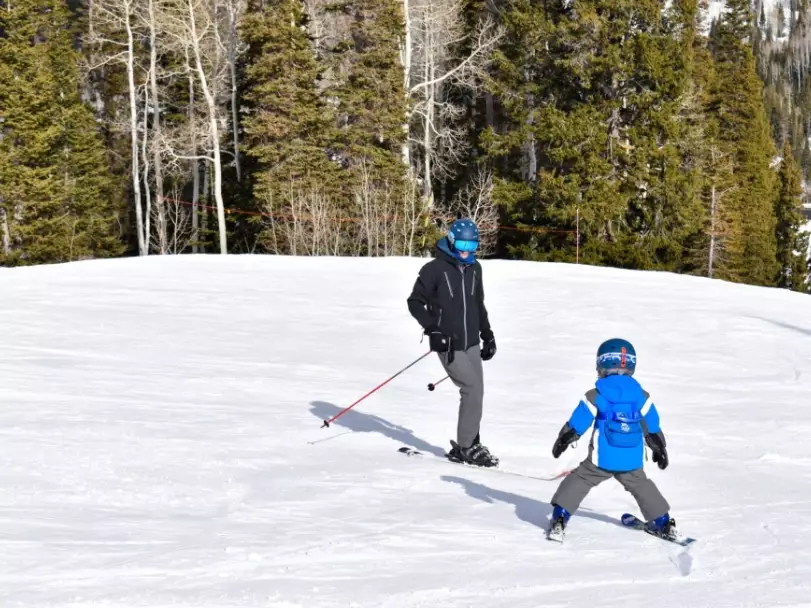
Why Breckenridge is a First-Timer Favorite (And One Caveat)
Breck keeps coming up in conversations about beginner skiing resorts USA for good reason. Peak 9 is a masterpiece of beginner terrain design. You can spend days there progressing without ever needing to venture onto something scary. The ski school is huge and efficient, though because of that, you might not get as much one-on-one time as at a smaller resort unless you spring for a private lesson. My personal tip? Stay near Peak 9. The convenience of rolling out of your lodging and right onto the magic carpet is worth the extra cost.
My caveat: The town is incredibly popular. If you're looking for a quiet, secluded mountain escape, Breckenridge during a holiday week might give you anxiety. The lift lines at the main base areas can get long. For a calmer alternative in Colorado that's still fantastic for beginners, check out Copper Mountain. Its terrain is naturally divided, with beginner slopes on the west side, intermediates in the center, and experts on the east. It's a brilliant layout.
The Unsung Hero: Grand Targhee, Wyoming
Everyone talks about Jackson Hole (which is expert heaven), but right over the Teton Pass lies Grand Targhee. It's often overlooked in lists of beginner skiing resorts USA, and that's a shame. It gets insane amounts of dry, fluffy snow ("powder for beginners" is a real thing here), the crowds are minimal, and the vibe is super friendly and local. The Dreamcatcher beginner lift serves a perfect, wide-open slope. It's a no-frills, authentic mountain experience where you can focus on learning without any pretension. The trade-off? It's remote. You're not walking to a bustling town square for dinner.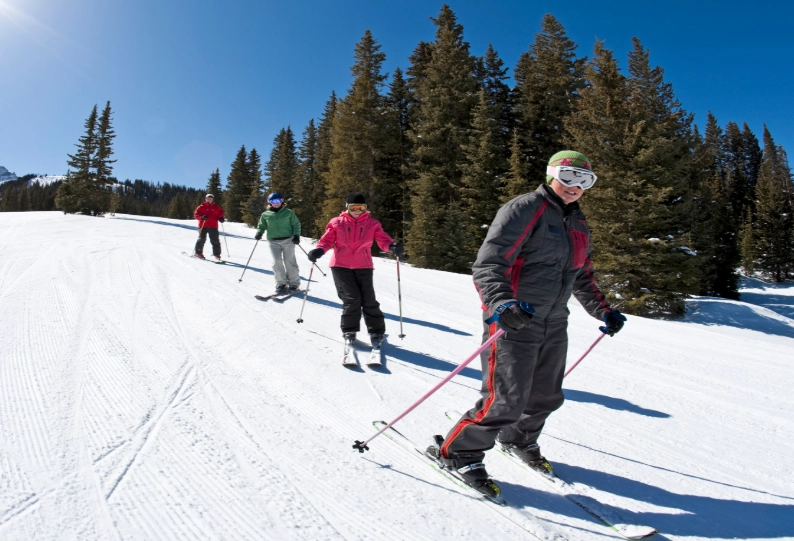
Planning Your First Trip: The Nitty-Gritty Details
Choosing the resort is half the battle. Now, let's make sure your trip is smooth. This is the stuff I learned the hard way.
When to Go for the Best Experience
Timing is everything, especially for beginners. You want good snow conditions but smaller crowds.
- Avoid Peak Holidays: Christmas through New Year's, Martin Luther King Jr. weekend, and Presidents' Day weekend are the most crowded and expensive times at any major resort. If you can only go then, book everything far in advance.
- The Sweet Spot (January - Early February): After the New Year's rush but before Presidents' Day. You often get colder, drier snow and shorter lines. This is my recommended window.
- Spring Skiing (March - April): Can be fantastic – warmer weather, sunny skies, longer days. The snow can get softer and slushier in the afternoons, which some beginners actually find easier to ski on than hardpack. Check the resort's closing dates and snow reports.
Always, always check the resort's official snow report and webcams in the days leading up to your trip. The National Weather Service is also a reliable resource for mountain forecasts.
What to Book and in What Order
- Lodging: First. Look for "ski-in/ski-out" or shuttle-accessible lodging. The convenience for a beginner is a game-changer. You can go back to your room for a break easily.
- Lift Tickets & Lessons: Second. Many resorts offer significant discounts if you book lift/lesson/rental packages online in advance. These deals disappear at the window. For a first timer, a 2 or 3-day beginner lesson package is ideal.
- Rental Equipment: You can usually book this as part of your lesson package. Some resorts even offer delivery to your hotel. Consider booking demos instead of standard rentals; the skis are higher quality and easier to turn.
- Transportation: How are you getting from the airport? Do you need a rental car with 4WD/AWD? Mountain roads require it in winter.
Pro Budget Tip: Look into multi-resort season passes like the Epic Pass or Ikon Pass before you book your trip. If you're planning a trip of 4+ days, buying a pass in the spring/summer for the next winter can be cheaper than buying daily lift tickets at the window. It also locks you into a great price if you catch the ski bug and want to go again.
What to Wear (No, You Don't Need a $1000 Outfit)
This paralyzes people. You need to stay warm and dry, not look like an Olympic athlete.
- Base Layer: Non-cotton thermal underwear (synthetic or wool). Cotton kills—it gets wet and stays wet.
- Mid Layer: A fleece or down vest for insulation.
- Outer Layer (Shell): A waterproof and breathable ski jacket and pants. You can find decent, affordable ones at outlets or online retailers. Don't ski in a soggy raincoat.
- Extremities: Waterproof gloves or mittens (mittens are warmer for beginners), a warm hat that covers your ears, and a neck gaiter or balaclava. Goggles are essential—they protect your eyes from wind and snow glare. Sunglasses work on sunny spring days.
- Socks: One pair of thin, tall ski socks (again, wool or synthetic). Do not double up socks—it causes blisters.
You can rent helmets, and I highly recommend you do. They're warm, and they protect your head. It's standard practice now.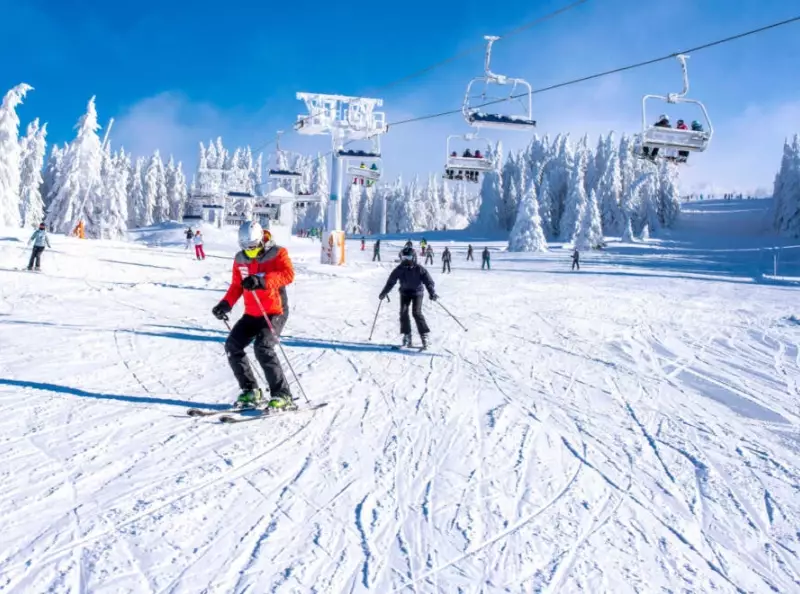
Your First Day on the Mountain: A Realistic Game Plan
You're here. You're geared up. Now what? Don't just blindly get on the first lift you see.
If you booked a lesson (you did, right?), meet your instructor. They will guide you through everything. If you're going it alone with a friend, here's a sensible approach:
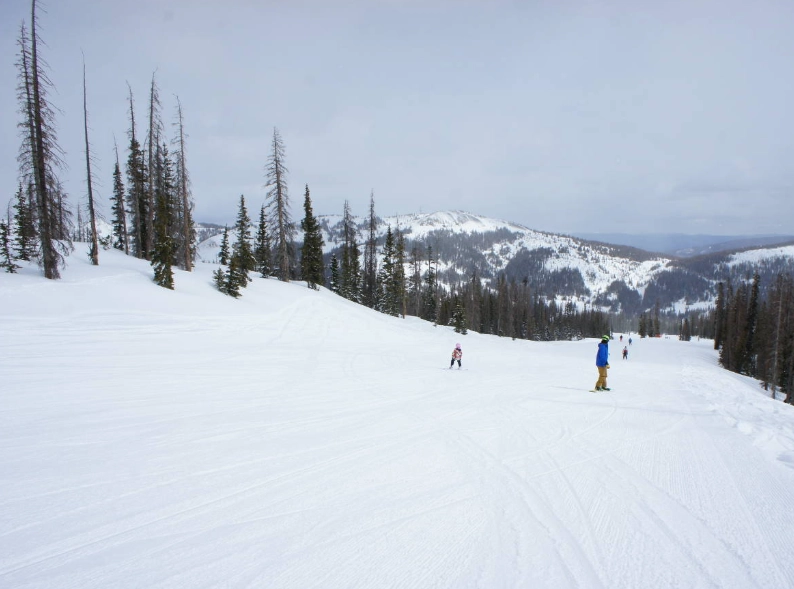
- Find the Beginner Area: Look for the magic carpet or the slowest chairlift. Spend your first hour here. Practice putting your skis on and off, getting up after a fall, and doing the "pizza pie" (snowplow) to stop.
- Take a Break Early and Often: Skiing uses muscles you didn't know you had. Fatigue leads to bad form and injuries. Go in for a hot chocolate after 90 minutes. No shame.
- Set a Small Goal: "Today, I will learn to stop confidently." Or "I will ride the chairlift without falling when I get off." Celebrate that.
- Apres-Ski: This is the post-skiing social ritual. Go to a slopeside bar, have a drink, share stories of your falls (they will be funny later), and soak in the atmosphere. It's a core part of the ski experience.
Frequently Asked Questions (The Stuff You're Secretly Wondering)
- Lift Ticket & Lesson Package: $400 - $700 (booked in advance)
- Mid-range Lodging (shared condo): $200 - $400
- Rental Equipment: $100 - $150
- Food & Apres: $150 - $300
Total Rough Estimate: $850 - $1550. Flying and renting a car add significantly. To save, drive to a closer resort, go mid-week, or look for package deals that bundle everything.
Beyond the First Trip: When You're Hooked
Let's say you have a blast. You're already thinking about next year. Here's what to focus on next:
- Practice Linking Turns: Your next major milestone is turning from one "pizza" into the next, smoothly.
- Explore More Green Terrain: At your resort, try a longer green run from the top of an easier chairlift. It feels like a real adventure.
- Consider an Intermediate Lesson: Once you have the basics, a lesson focused on parallel turns or skiing different snow conditions will level you up dramatically.
- Buy Your Own Boots: If you plan to ski more than a week total, custom-fitted ski boots are the single best piece of equipment to own. Comfort and control start with your boots. Rent skis, but consider buying boots.
The journey from your first shaky ride on the magic carpet to confidently cruising down a blue square is one of the most rewarding experiences in outdoor recreation. It opens up a lifetime of winter adventure, from exploring new resorts across the country to simply enjoying a sunny day in the mountains with friends.
The most important step is the first one: choosing a resort that's set up for your success. By focusing on the true beginner skiing resorts in the USA—the ones with the dedicated terrain, the great instruction, and the welcoming spirit—you're stacking the deck in your favor. Do your research, book a lesson, pack your layers, and go make some memories (and maybe a few harmless falls) in the snow.
See you on the slopes.
Related Articles

Comments
Join the discussion