Let's be honest, finding a ski resort that stays open into May or even June feels like hitting the jackpot. It's not just about more days on the hill; it's about better snow, thinner crowds, and that glorious spring sunshine. But which places genuinely deliver the longest ski season? It's not just about marketing claims—it's a combination of altitude, latitude, glacier coverage, and sheer determination. I've spent over a decade chasing late-season turns, from the Alps to the Rockies, and I can tell you that the difference between a good long season and a legendary one often comes down to a few key, often overlooked factors.
Your Quick Guide to Epic Seasons
What Really Defines a "Long" Ski Season?
When we talk about the longest ski season, we're usually looking at two things: the calendar length and the quality of skiing throughout. A resort might be "open" from October to July, but if only one beginner run on a glacier is operational, does it count? For most skiers and riders, a meaningful season means a substantial portion of the terrain is skiable with good conditions.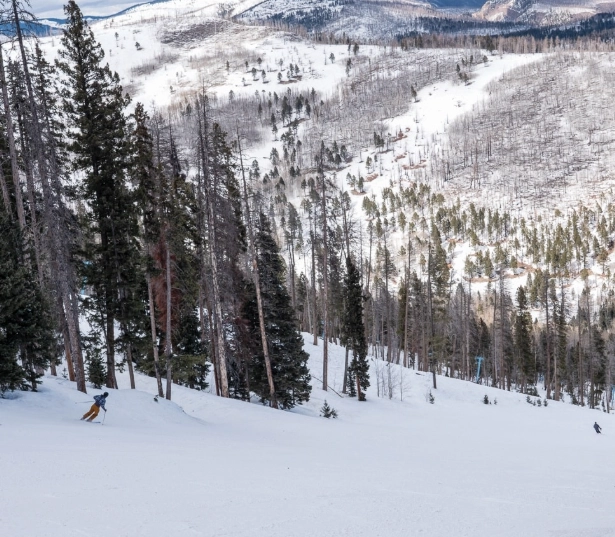
The gold standard is a six-month-plus season with reliable lift-served skiing on varied terrain. Resorts that consistently open in late October or early November and close in May or beyond are the true champions. I pay less attention to the exact opening/closing dates advertised on websites and more to historical data and local reports. A resort's ability to stay open late often says more about its snow reliability and operational grit than an early opening fueled by aggressive snowmaking on a single trail.
The Contenders: Longest Season Ski Resorts Worldwide
Based on consistent, lift-served, terrain-rich operation, here are the resorts that set the benchmark. This isn't just a list; it's a breakdown of where, when, and what you can realistically expect.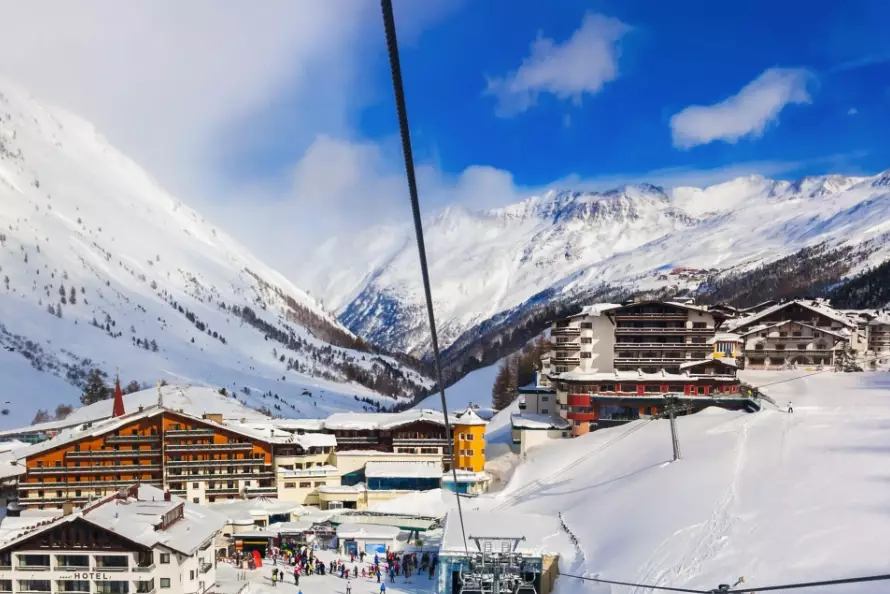
| Resort & Country | Typical Season Length | Key Terrain Feature | Lift Ticket Price Range (Peak) | Best For... |
|---|---|---|---|---|
| Alyeska Resort, Alaska, USA | Late Nov - Late Apr (Sometimes into May) | Coastal maritime snow (deep & dense), North-facing bowls | $100 - $130 | Deep powder chasers, avoiding crowds, unique coastal scenery |
| Hintertux Glacier, Austria | 365 days a year (glacier skiing) | Vast, high-altitude glacier (up to 3250m) | €60 - €65 (day pass for glacier) | Guaranteed summer skiing, race training, high-altitude laps |
| Zermatt, Switzerland | Late Nov - Early May (Town area). Summer skiing on Klein Matterhorn. |
High alpine terrain, connection to Cervinia (Italy), Theodul Glacier | CHF 80 - CHF 95 | Iconic views, extensive linked terrain, gourmet on-mountain dining |
| Whistler Blackcomb, Canada | Late Nov - Late May (Often into June on Blackcomb) | Two massive mountains, high alpine bowls, Horstman Glacier | $CAD 160 - $CAD 180 | Terrain variety, vibrant village life, long spring park sessions |
| Mammoth Mountain, California, USA | Early Nov - Late May/Jun/Jul (Record: August!) | High volcanic summit (3,369m), extensive snowmaking | $200 - $230 | Epic spring skiing, terrain parks, California sunshine |
| Riksgränsen, Sweden | February - Late June (Midnight sun skiing in May/June) | Arctic location, off-piste, train-access, midnight sun | SEK 500 - SEK 600 | Adventure, unique midnight sun experience, ski touring |
Alyeska: The Deep Snow Champion
Address: 1000 Arlberg Ave, Girdwood, AK 99587, USA. Nearest Airport: Ted Stevens Anchorage International (ANC) - a 45-minute drive. The season here is dictated by immense snowfall (average 650 inches/1650 cm). It's a different beast. The days are short in mid-winter, but by April, you're skiing corn under long, sunny days with barely anyone around. The town of Girdwood is low-key but has great restaurants. Don't expect a sprawling Alpine village; expect raw, powerful skiing.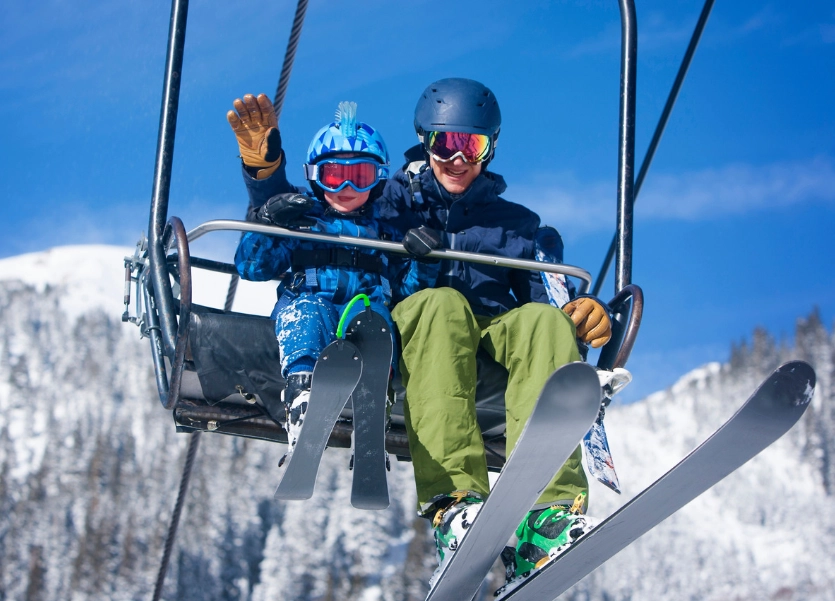
Hintertux: The Reliable Glacier
Address: Hintertux 794, 6293 Tux, Austria. Getting There: Fly into Innsbruck (INN) or Munich (MUC), then a 1.5-2 hour drive or train/bus to Mayrhofen, then a bus up the Tux Valley. This is the definition of a sure thing. The glacier is open every single day of the year. The skiing is above 2600m, so it's cold and the snow holds up. It's not a huge ski area for experts, but it's incredibly efficient for laps and hosts world cup teams for summer training. The official website has live cams that don't lie.
Mammoth Mountain: The Spring King
Address: 10001 Minaret Rd, Mammoth Lakes, CA 93546, USA. Nearest Major Airport: Reno-Tahoe International (RNO) - 3-hour drive. Mammoth's secret isn't just its height; it's the combination of elevation, a massive snowmaking system (one of the world's largest, according to local tourism reports), and a management team that fights to keep the mountain open. I've skied there on the 4th of July weekend. The base is slushy, but the upper mountain, especially the cornice-covered runs off the summit, is sublime spring skiing. The town is fully geared for a long season, with bars and restaurants staying lively well into June.
Why Do These Seasons Last So Long? The Science Behind It
It's not magic. Long seasons are engineered through geography and technology.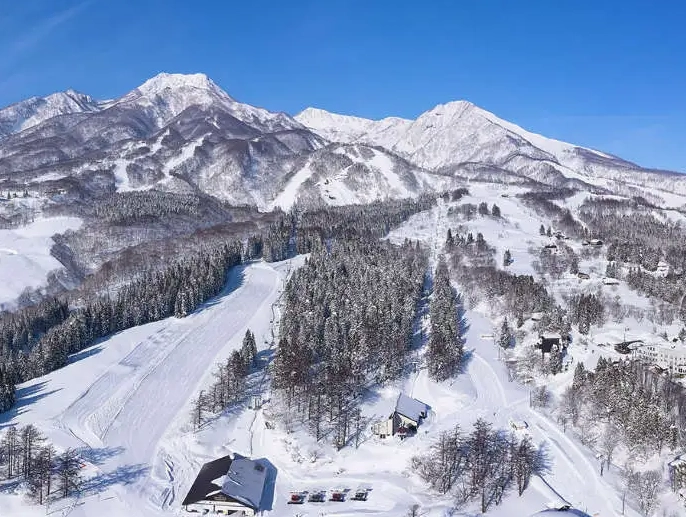
Altitude is King, but Glacier is Emperor. A high base elevation (above 2000m/6560ft) keeps average temperatures lower. But a glacier, like at Hintertux or Tignes in France, is a moving river of ice that preserves snow from year to year. It provides a permanent, reliable skiing surface that artificial snow can bond to.
Snowmaking Isn't Just for Opening Day. Resorts like Mammoth invest tens of millions in snowmaking that can cover a huge percentage of terrain. This isn't just for November; it's a strategic reserve. They can rebuild key run connections in April after a warm spell, something resorts without that infrastructure simply can't do.
Favorable Climate Patterns. Coastal Alaska gets relentless ocean-effect snow. The Alps sit in a sweet spot for winter storms. California's Sierra Nevada acts as a massive snow fence for Pacific storms. Understanding these patterns, often documented by national meteorological services like NOAA for the US, helps predict which seasons will be truly epic.
Operational Philosophy. Some resorts simply commit to it. They'll run a single lift to the summit for weekend warriors in June, even if it's not hugely profitable. It's a brand investment and a service to the die-hard community. This grit matters.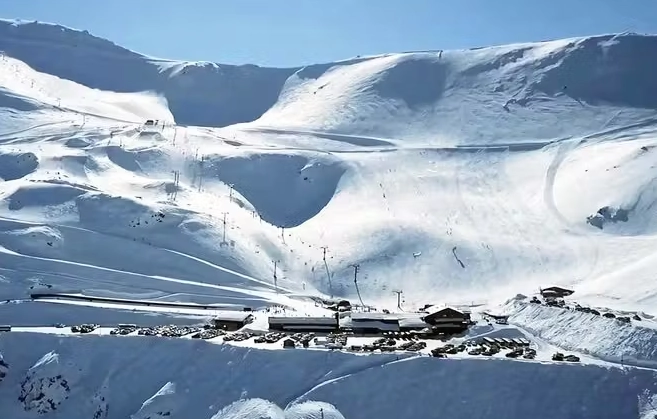
How to Plan Your Long-Season Ski Trip (Without Regrets)
Booking a trip for April or May requires a different mindset than a February holiday.
Timing is Everything. The sweet spot is often mid-April to mid-May. The winter crowds are gone, the sun is high, and the snowpack is usually still deep. By late May, your options become more limited to only the highest-altitude or glacier areas. Always check the specific lift operating schedule for late season—upper mountain lifts may close earlier than the advertised "resort closing" date.
Pack for Two Seasons. You'll need a winter kit for the morning (goggles, gloves, layers) and a spring kit for the afternoon (sunscreen SPF 50+, a light shell, maybe even a t-shirt for the lift line). Lip balm is non-negotiable. Your skis? Leave the powder boards at home. Bring all-mountain skis that can handle variable spring snow—crust, corn, slush.
Manage Your Expectations and Your Day. Spring skiing follows the sun. The snow will be firm and icy first thing in the morning. Start on east-facing slopes as the sun softens them. Follow the sun west throughout the day. By 1 or 2 PM, south-facing slopes can turn to heavy mashed potatoes. That's your cue for a long, sunny lunch or to call it a day. Trying to ski slush is exhausting and unfun.
Accommodation and Value. This is the hidden perk. Lodging prices in April/May can be 30-50% cheaper than in February. You're also more likely to find deals on ski-and-stay packages. Restaurants are easier to get into. It's a more relaxed, local vibe.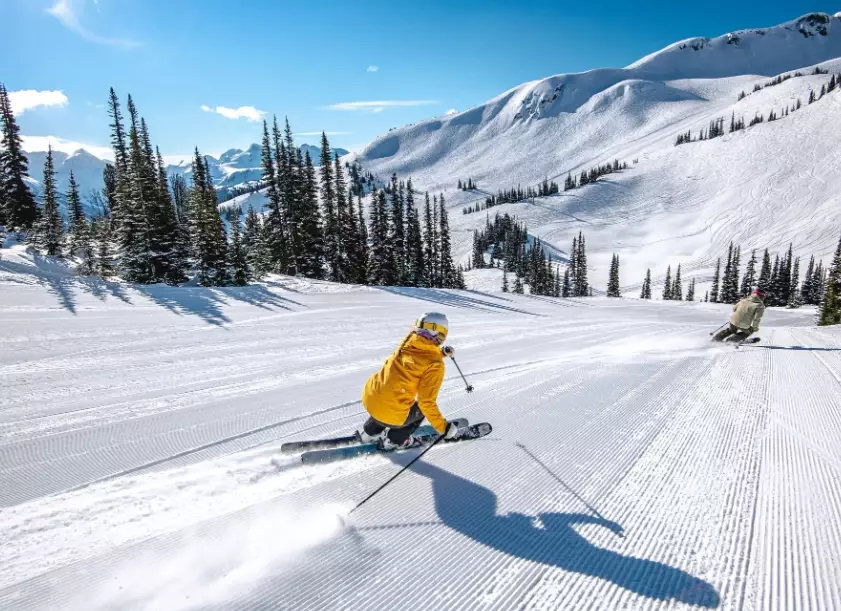
Your Long-Season Skiing Questions, Answered
Related Articles
Comments
Join the discussion