Let's be honest. The idea of skiing in July or August feels like a cheat code. While most people are hitting the beach, you can be carving turns on pristine glacial snow. It's not a fantasy; it's a logistical puzzle you can solve. This guide cuts through the hype and gives you the concrete details to plan a summer ski trip, whether you're chasing the eternal winter of the Alps or heading south for a classic winter-in-July experience.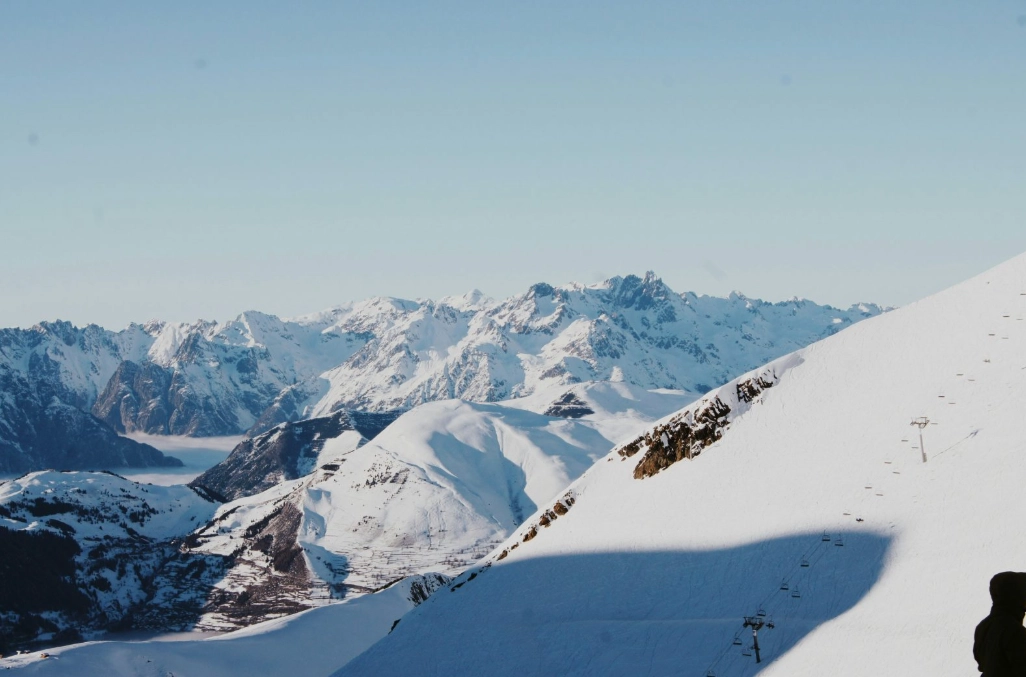
Your Quick Guide to Summer Snow
Why Bother with Summer Skiing?
It's more than just a novelty. For racers and freestyle athletes, summer glacier skiing is essential training, maintaining muscle memory and testing new equipment. For the rest of us, it's a unique travel experience. The crowds are thinner, the atmosphere is more laid-back, and you can combine a morning on the snow with an afternoon hike or lake swim. The light is different, often softer, and the views are unobstructed by winter storms. But the main draw is simple: it extends your season. It keeps the stoke alive.
I remember my first summer ski day on the Hintertux Glacier in Austria. Stepping out of the gondola into bright sunshine, looking down at green valleys while standing on several meters of compacted ice, was surreal. It also taught me my first big lesson: sun protection is no joke at 3,250 meters. A rookie mistake that left me with a goggle tan for weeks.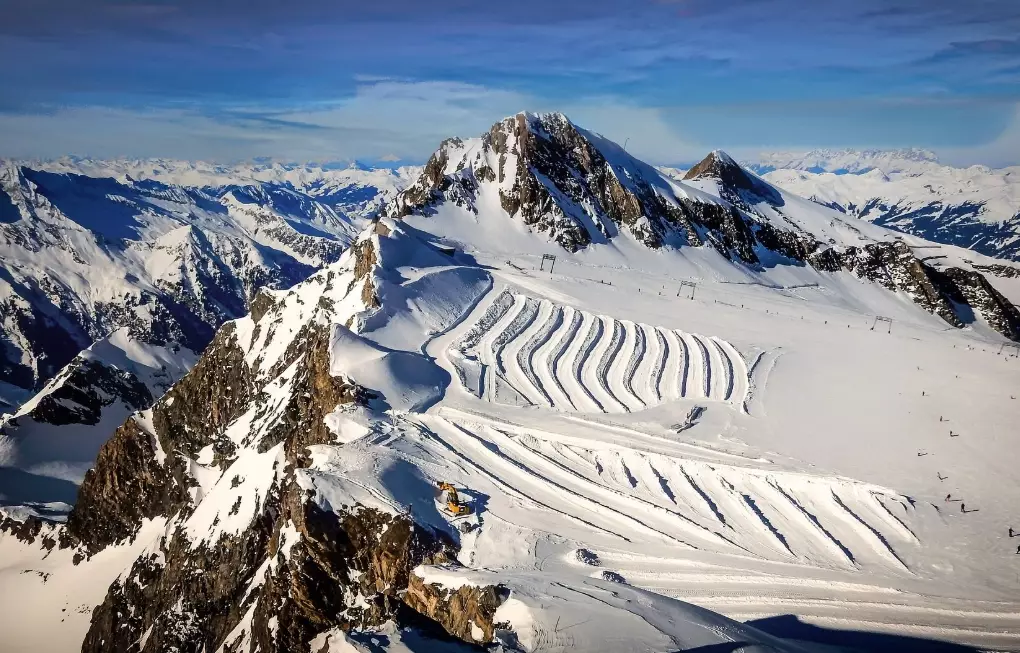
The Alps: Europe's Summer Skiing Heartland
The Alpine glaciers are the most reliable and extensive summer skiing networks in the world. They're not full resorts, but specific glacier areas serviced by a handful of lifts. Don't expect 100 km of pistes; think focused, high-altitude training grounds and fun parks.
Top Alpine Glacier Ski Areas
Here’s a breakdown of the major players, with the nitty-gritty details you need to book.
| Destination & Country | Glacier Name / Area | Summer Season Dates | Lift Ticket (1-Day Adult) | Key Details & How to Get There |
|---|---|---|---|---|
| Hintertux, Austria | Hintertux Glacier | Year-round | €62.50 | The only truly year-round ski area in the Alps. 20 km of slopes, up to 3,250m. Home to national teams. Getting there: 1h15m drive from Innsbruck Airport (INN). Frequent buses from Mayrhofen. |
| Zermatt, Switzerland | Matterhorn Glacier Paradise (Theodul Glacier) | Late June - Early Sept | CHF 94 (Summer ski pass) | Europe's highest summer ski area (3,883m). 21 km of runs. Breathtaking Matterhorn views. Getting there: Train to Zermatt (car-free), then gondola to Trockener Steg and up. |
| Saas-Fee, Switzerland | Allalin Glacier | Mid-July - Late Oct | CHF 72 (Summer glacier area) | Car-free village, reliable snow. Includes the world's highest revolving restaurant. Getting there: Train to Visp, then postbus to Saas-Fee. |
| Tignes, France | Grande Motte Glacier | Late June - Early Aug | €42 (Glacier pass only) | Extensive fun park, popular with freestyle skiers and boarders. Getting there: 2.5h from Geneva Airport (GVA). Shuttle buses available. |
| Passo Stelvio, Italy | Stelvio Glacier | Approx. May - Early Nov | €48 | One of Italy's largest summer areas. Famous for its long, winding runs down from 3,450m. Getting there: Accessible by car via the Stelvio Pass (open seasonally, check!). Buses from Bormio. |
Pro Tip: Alpine summer skiing is primarily a morning activity. The snow gets soft and slushy by early afternoon. Most serious skiers are on the first lift around 7:30 AM and are done by 1 PM. Plan your après-ski accordingly.
The Southern Hemisphere: A Real Winter Alternative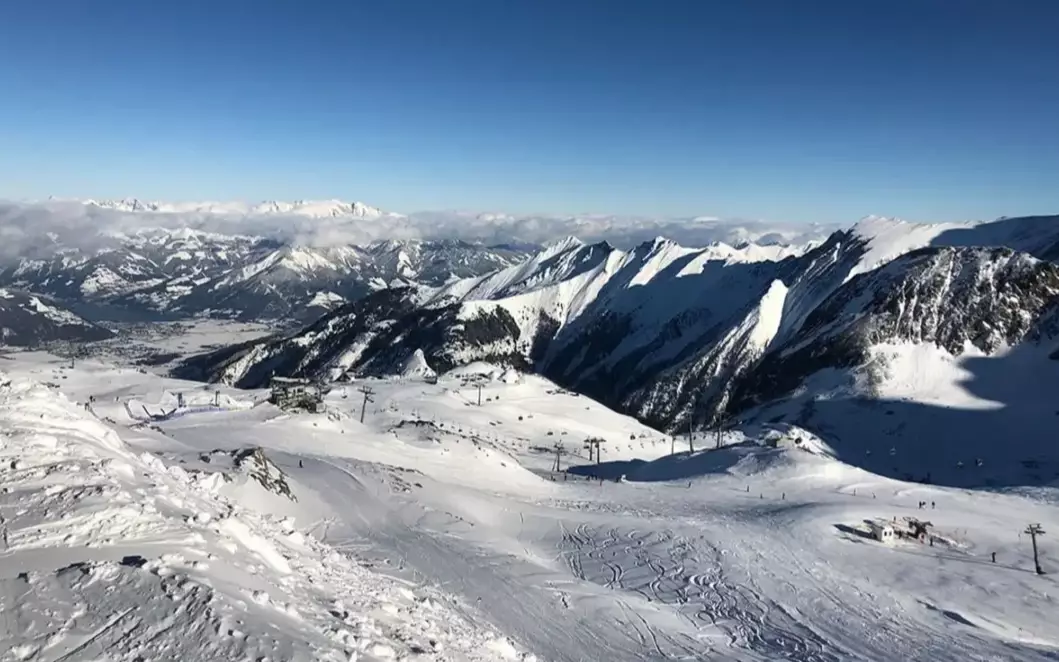
This is a different proposition. You're not skiing on a remnant glacier above a green valley; you're experiencing a full-blown, traditional winter season. From June to October, resorts in Chile, Argentina, New Zealand, and Australia offer the complete package: powder days, tree skiing, and expansive terrain.
Leading Southern Hemisphere Resorts
Forget glaciers; here, you're looking at full-scale winter resorts operating in our summer.
Portillo, Chile: The iconic yellow hotel sitting by an alpine lake. It's an institution. Terrain is vast, with a mix of groomers and legendary off-piste chutes. It's not a cheap destination—think all-inclusive hotel packages—but the experience is unique. Season runs June to September. Fly into Santiago (SCL), then it's a 2.5-hour drive or transfer.
Valle Nevado, Chile: Part of the massive Tres Valles area, offering modern, high-altitude skiing with reliable snow. More of a conventional resort setup than Portillo. Easier to book lodging a la carte. Same airport access as Portillo.
Las Leñas, Argentina: Famous for its extreme terrain and potentially epic snowfall. The Marte chairlift accesses some of the most challenging in-bounds terrain in the world. Can be hit-or-miss with snow conditions. Fly into Buenos Aires (EZE/AEP), then a domestic flight to Malargüe (LGS).
Queenstown/Wanaka, New Zealand: The hubs for skiing on New Zealand's South Island. Resorts like Coronet Peak and The Remarkables near Queenstown, and Cardrona and Treble Cone near Wanaka offer great variety. These are commercial resorts with snowmaking, parks, and amenities. Season is June to October. Fly into Queenstown (ZQN). A major advantage? English is the first language, making logistics simpler for many.
Here's the thing about South America: the snow quality is often drier and lighter than in the Alps during summer, especially in the Chilean Andes. It feels more like a classic powder day you'd get in Colorado or Utah in January.
Alps vs. Southern Hemisphere: A Side-by-Side Look
Choosing isn't about which is better, but which fits your goal.
d>Complete winter holiday with full-day skiing, potential for powder, and traditional winter vibe.
| Aspect | Alps (Glacier Skiing) | Southern Hemisphere (Winter Resorts) |
|---|---|---|
| Core Experience | High-altitude, focused morning skiing on guaranteed snow. Combine with summer valley activities. | |
| Best For | Training, technique work, park laps, a short ski fix within a European summer trip. | A dedicated winter ski vacation, exploring vast terrain, chasing powder, a longer holiday. |
| Snow Conditions | Firm, groomed corduroy in the AM; can become slushy/icy later. Very reliable. | Variable. Can be anything from fresh powder to spring slush. Less predictable than glaciers. |
| Cost & Logistics | Generally cheaper for a short ski hit. Easy to access from major European hubs. | More expensive overall (long-haul flights, full resort costs). More complex travel planning. |
| Atmosphere | Athletic, training-focused, international crowd. Less "resort" feel. | Full winter holiday atmosphere, mix of locals and international tourists. |
Planning Your Summer Glacier Ski Trip
This is where most guides stop. Let's go deeper into the execution.
Gear and Clothing
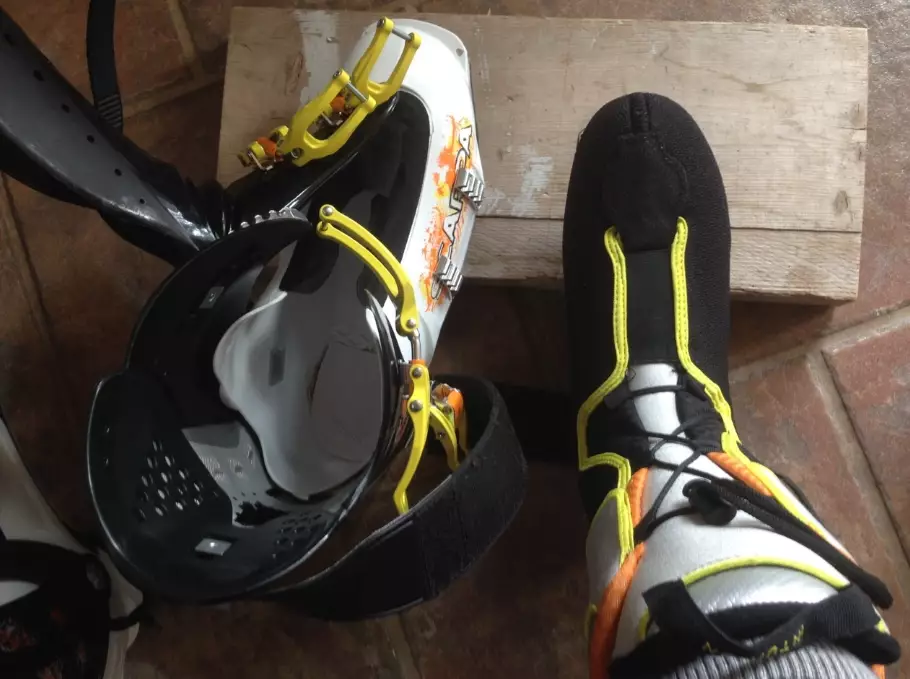
You don't need a separate summer ski wardrobe, but your approach changes. You'll start cold (it's below freezing on the glacier at 8 AM) and finish warm. Layering is king. A moisture-wicking base layer, a light mid-layer like a fleece, and a shell jacket (not an insulated one) are perfect. Bring both a thin beanie and a helmet. Goggles with a low-light lens are essential for morning cloud cover; have sunglasses handy for the afternoon.
Renting gear on-site is straightforward and often a good idea to avoid airline fees. Most glacier ski shops have well-maintained, current-season demo fleets.
Altitude and Acclimatization
This is the silent challenge of Alpine glacier skiing. Going from sea level to 3,200+ meters in a few hours can cause headaches, nausea, and fatigue—ruining your ski day. My rule: spend at least one full night at a moderate altitude (like Innsbruck at 575m or Zermatt at 1,600m) before skiing high. Go easy the first morning, drink double the water you think you need, and avoid alcohol the night before.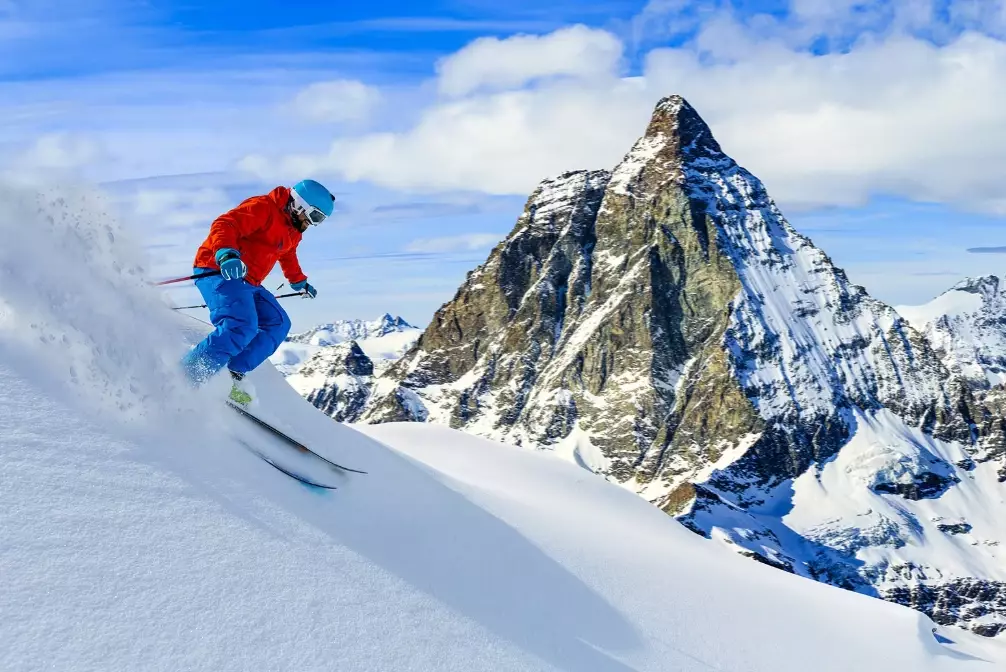
Booking and Timing
For the Alps, you don't need to book a year in advance. A few months is fine. Look for hotels in the valley towns (Mayrhofen for Hintertux, Täsch for Zermatt) for better value and more dining options. For the Southern Hemisphere, especially during July/August school holidays, book 6-9 months ahead for the best accommodation and flight deals.
Check the official tourism sites for the most accurate opening dates and lift status. The Tirol Tourism site is excellent for Austria, and Chile Travel has ski-specific info.
Your Summer Skiing Questions Answered
 What's the one biggest mistake people make planning a Southern Hemisphere ski trip?
Related Articles


Comments
Join the discussion