Forget the mega-resorts with their village condos and $20 burgers. If you want the soul of Montana skiing, you go to Bridger Bowl. Nestled in the Gallatin Range just 16 miles north of Bozeman, this place isn't owned by a corporation—it's a non-profit community ski area. That fact changes everything: the vibe, the prices, and the priority (which is skiing, not real estate). I've been skiing here for over a decade, and while it's gained well-deserved fame, it's managed to keep its authentic, laid-back character. This guide isn't just a list of facts; it's the insider knowledge you need to plan a trip that captures why locals fiercely love this mountain.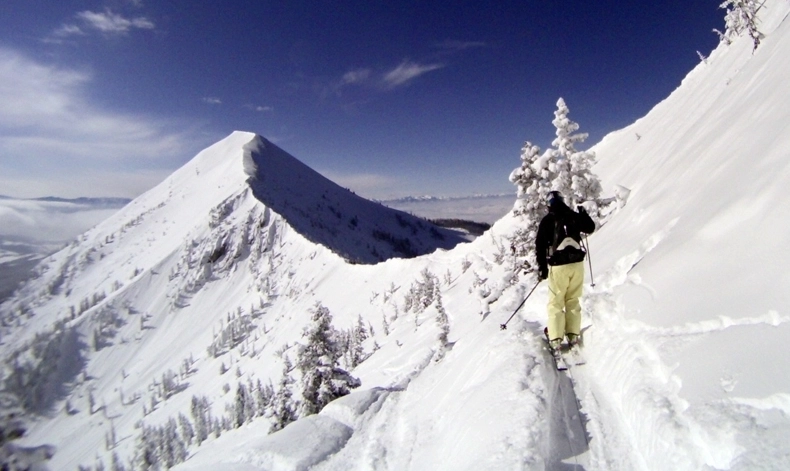
Your Quick Guide to This Article
The Essential Bridger Bowl Info: Address, Hours, Tickets
Let's start with the concrete details you need to book your trip. Bridger Bowl's location is part of its charm—it feels remote, but it's incredibly accessible from a major town.
Address & Contact: 15795 Bridger Canyon Road, Bozeman, MT 59715. The main phone line is (406) 587-2111. For the most current conditions, I always check their official website or social media before heading up the canyon.
Operating Season: The season typically runs from late November through early April. Exact dates hinge on that famous Montana snow. They're not a mountain that makes a lot of snow, so they open when nature says so. Peak season is mid-December to March.
Lift Hours: 9:00 AM to 4:00 PM daily. Chairlifts start loading at 9. Pro tip: The parking lots fill up on prime powder days (especially weekends). Aim to arrive by 8:15 AM to get a decent spot and be in line for first chair.
Bridger Bowl Lift Ticket Prices (A Breath of Fresh Air)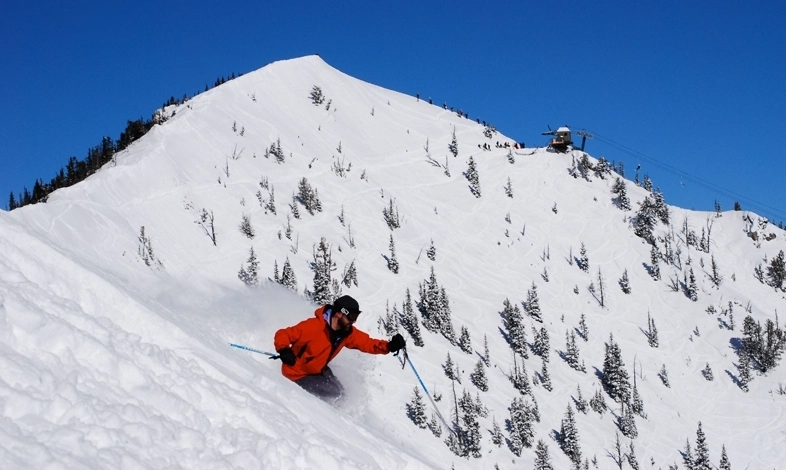
Here’s where the non-profit status shines. Compared to the $200+ days at destination resorts, Bridger Bowl is refreshingly reasonable. Prices vary by age and date, but here’s a snapshot for the 2023-24 season to give you an idea. Always verify on their site for current rates.
| Ticket Type | Adult (19-64) | Young Adult (13-18) | Child (7-12) & Senior (65-69) | Super Senior (70+) |
|---|---|---|---|---|
| Regular Season Window Rate | $105 | $85 | $50 | $30 |
| Value Season / Advance Online | $85 - $95 | $70 - $80 | $40 - $45 | $30 |
| Multi-Day Discounts | Available for 2+ days, with significant savings when purchased online in advance. | |||
They also offer night skiing on certain dates (usually Fridays and Saturdays) on the lower mountain for a separate, lower-cost ticket.
How to Get to Bridger Bowl Ski Area
You have two main options: drive yourself or take the shuttle. There's no on-mountain lodging, so everyone is based in Bozeman.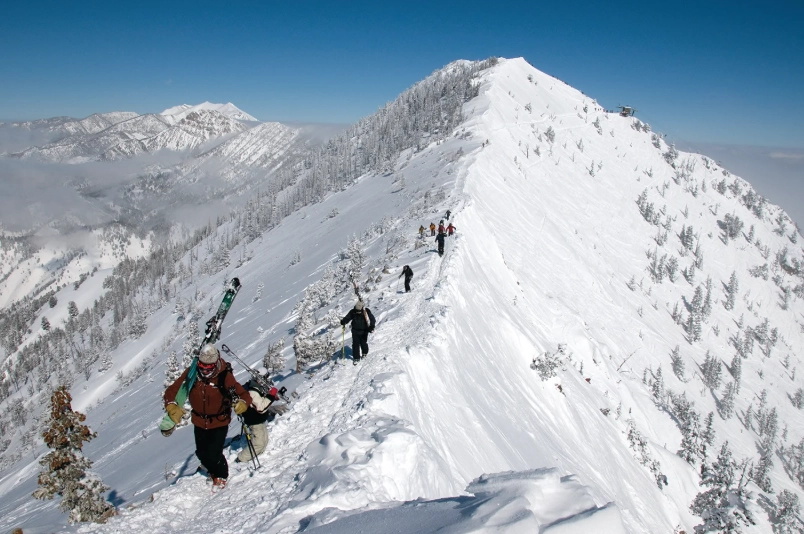
Driving from Bozeman: It's a straightforward 30-45 minute drive. Take I-90 to Exit 309 (North 7th Avenue), head north through town, and follow the signs onto Bridger Canyon Road (MT-86). The road is well-maintained but can be snowy and winding. MANDATORY: Montana law requires you to carry snow chains or have a 4WD/AWD vehicle from November 1 to May 31 on certain roads. Bridger Canyon Road often falls under this requirement during storms. The parking is free, but it's a series of lots. The closer ones (Base Area) fill fast. The farther lots have free shuttle buses running to the lodge.
Taking the Shuttle: This is a stress-free winner, especially on powder days. The Streamline Bus, Bozeman's public transit system, offers a free ski bus from various points in town (like the Museum of the Rockies) directly to the mountain. It runs on a set schedule. Check the Streamline website for current routes and times. Some hotels also offer private shuttles—ask when you book.
What Makes Bridger Bowl Special? The Ridge & Montana Powder
Bridger Bowl's reputation rests on two pillars: incredible snow and unique, challenging terrain.
The Snow: They get an annual average of over 350 inches of light, dry Rocky Mountain powder. The snow quality is consistently excellent because of the altitude and continental climate. It's the real deal.
The Ridge Terrain: This is Bridger's legendary signature. Accessed by the iconic Schlasman's Lift (a fixed-grip double chair that feels delightfully old-school), The Ridge offers hike-to terrain with chutes, couloirs, and steep faces. You need a beacon, shovel, and probe (and the knowledge to use them) to access it. They enforce this strictly with a mandatory transceiver check. This isn't gated sidecountry; it's in-area, avalanche-mitigated, expert-only terrain that feels wild and adventurous. It's a big reason expert skiers pilgrimage here.
The Vibe: The base area has two main lodges: Jim Bridger Lodge (the main one with rental, tickets, food) and the smaller Saddle Lodge. They're functional, not fancy. You'll see more ski bags than fur coats. People are here to ski, not be seen. The food is reasonably priced cafeteria-style—think chili, burgers, and sandwiches. Bring your own lunch if you want to save more; there's ample seating.
Who is Bridger Bowl Really For? A Terrain Breakdown
This is crucial. Bridger Bowl has a reputation as an experts' mountain, but that's only half the story. Let's break it down honestly.
- Beginners: Yes, there is beginner terrain! The Easy Rider chair on the south side of the base area serves a dedicated, gentle learning area. It's perfect for first-timers. However, a common mistake is thinking a green circle here is like a green circle at a Midwest hill. Their Bridger Chair serves longer green runs like Buffalo Jump and Lucky Dog, which have flatter sections but also some pitches that might intimidate a true first-day skier. My advice: start on Easy Rider, gain confidence, then graduate to Bridger Chair.
- Intermediates: This is where Bridger Bowl shines unexpectedly. The Alpine Chair and Pierre's Knob Chair are intermediate playgrounds. You'll find a huge variety of groomed blue cruisers and manageable bumps. Runs like North Bowl, Larson's, and Snapper are endlessly fun. You can spend days exploring here without touching anything scary.
- Advanced/Experts: You know why you're here. Beyond The Ridge, the Schlasman's and Powder Park chairs serve steep, technical tree skiing and bump runs. The entire north-facing terrain holds powder for days. This mountain will challenge the best of you.
Ski School & Rentals: Their ski school is excellent, especially for kids. Rentals are available on-site. If you're staying multiple days, consider renting from a shop in Bozeman (like Chalet Sports or Roundhouse)—it's often cheaper and you avoid the morning rush.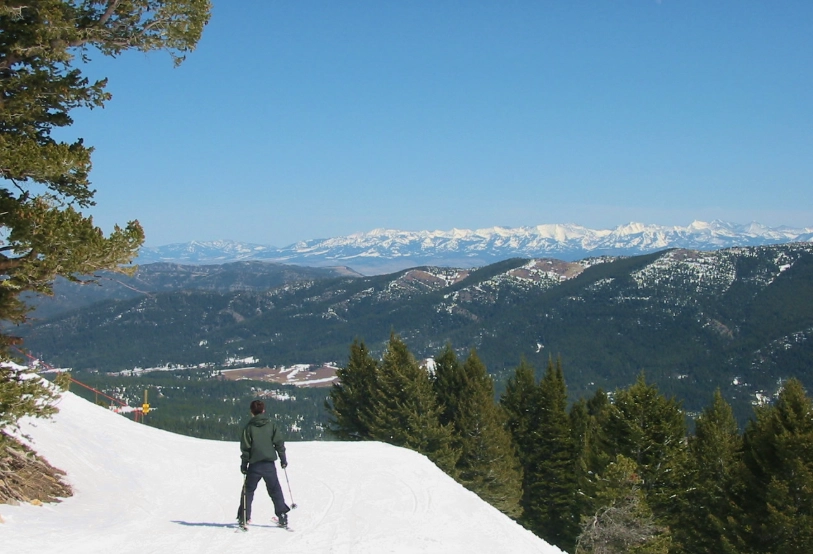
How to Plan Your Bridger Bowl Ski Trip: A Sample Itinerary
Let's make this actionable. Here’s how a perfect 2-day weekend might look, assuming you're driving in.
Day 1: Arrival & Acclimation
Morning: Drive into Bozeman (BZN airport is 20 mins from town). Check into your lodging. I recommend staying somewhere near downtown Bozeman or along North 7th Ave for easy shuttle access. Hotels like the RSVP Motel are budget-friendly and ski-centric, while the Element Bozeman offers more amenities.
Afternoon: Pick up rentals in town. Grab an early dinner downtown. Backcountry Burger Bar or Montana Ale Works are classic apres-ski (or pre-ski) spots. Get your gear organized and hit the sack early.
Day 2: Ski Day & Strategy
7:30 AM: Eat a big breakfast. Pack snacks, water, and layers. The weather can change rapidly.
8:15 AM: Arrive at Bridger Bowl parking. If you're intermediate, head to the Alpine lift. If expert, scope the Ridge line. Beginner? Straight to the Easy Rider lodge for lessons.
Lunch: Beat the rush by eating at 11:15 AM or after 1:15 PM.
After Ski: Soak in the outdoor hot tub at your hotel or head to MAP Brewing on the way back to town for a beer with a view of the mountains.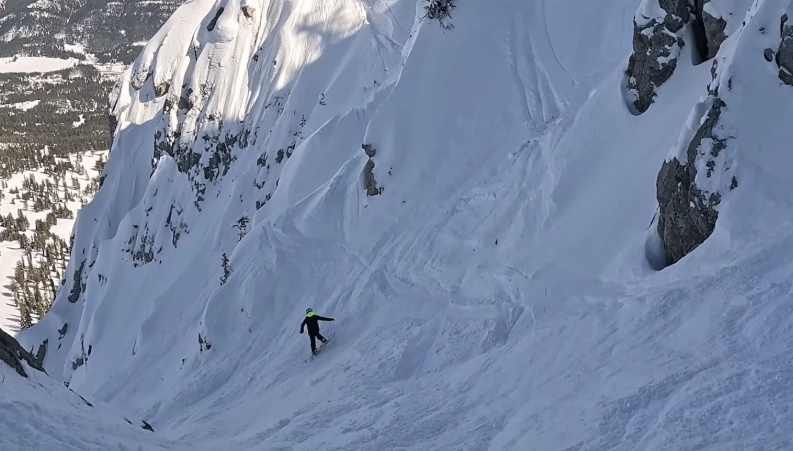
Local Tips & Common Mistakes to Avoid
After 10 seasons, here’s what most visitors miss or get wrong.
The Big One: Underestimating the altitude and sun. Bozeman is at 4,800 feet. The base of Bridger is 6,100 feet, and the summit is 8,700 feet. You will get dehydrated faster. Drink twice as much water as you think you need. And the sun is intense, even on cold days. Use high-SPF sunscreen on every exposed piece of skin, including under your chin from reflection. I've seen more brutal goggle tans here than anywhere.
Gear Mistake: Bringing only one type of glove. On a sunny spring day, a light glove is fine. On a stormy Ridge day, you need a waterproof, insulated bomber glove. Pack both.
Navigation Tip: The trail map is your friend. The mountain's layout isn't intuitive. Lift A doesn't always return you to the same base area. Study it briefly in the morning to avoid traversing flat cat tracks unnecessarily.
The Crowd Hack: On a busy Saturday, the Alpine and Bridger lifts get long lines. The Powder Park chair often has a much shorter line and accesses fantastic terrain that feeds back to the same base.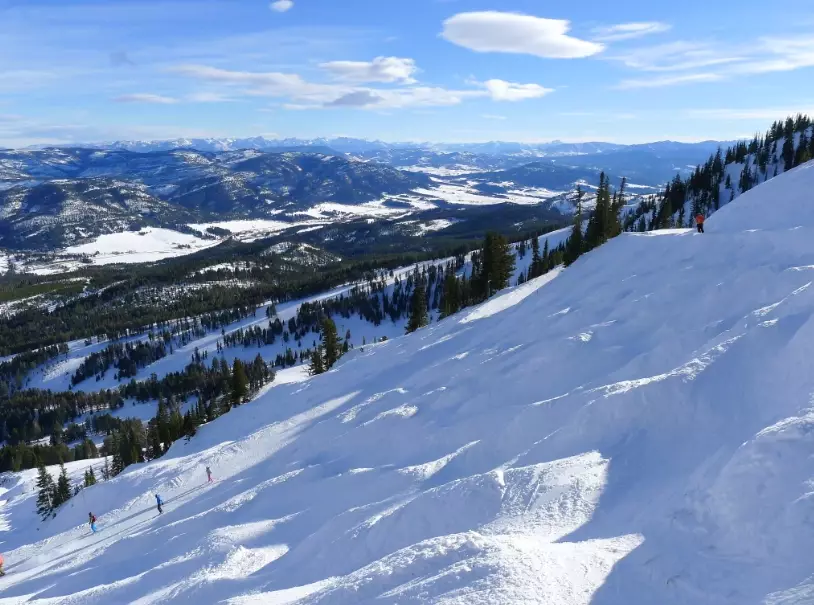
Your Bridger Bowl Questions Answered
Is Bridger Bowl good for beginners, or is it too advanced?
What's the best way to save money on a Bridger Bowl ski trip?
We're planning a family trip with young kids. How does Bridger Bowl handle that?
How reliable is the snow, and what are spring conditions like?
Related Articles
Comments
Join the discussion