Let's cut to the chase. You're here because you've heard the stories. The tales of waist-deep, feather-light powder that falls so consistently in Japan it feels like a myth. I've spent over a decade chasing snow across Hokkaido and Honshu, and I'm here to tell you the myth is real. But finding that perfect, untracked run requires more than just booking a flight to "Japan." It demands a strategy. This guide isn't a fluffy list of famous names; it's a tactical manual for finding the deepest snow, based on snow science, local knowledge, and a few hard-earned lessons from getting stuck in too many tree wells.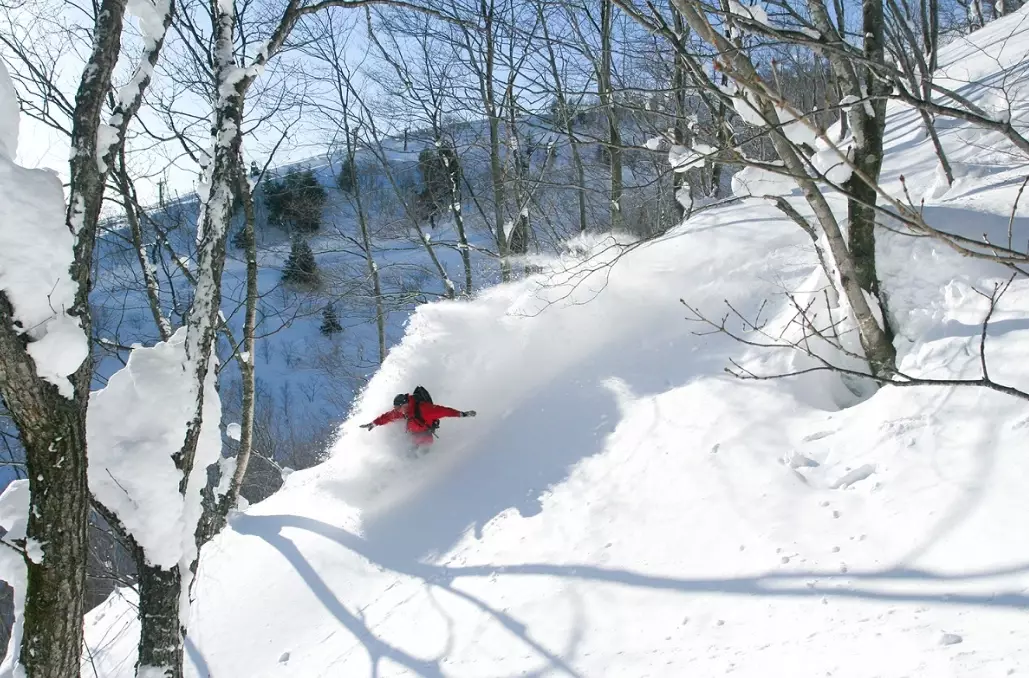
Your Quick Powder Guide
Why Japan Has Unbeatable Powder Snow
It's not magic, it's meteorology. Cold, dry air from Siberia sweeps across the Sea of Japan, picking up massive amounts of moisture. When this air hits Japan's mountain ranges, it's forced upward, cools rapidly, and dumps incredibly light, low-moisture snow. The Japanese call it "Japow" for a reason. The snowpack here is famously stable and deep, often with a dry, cold layer near the top that stays pristine for days.
One subtle mistake first-timers make? Assuming all of Japan is the same. Hokkaido, the northern island, gets the most consistent, driest snow due to its latitude and persistent cold. Resorts in Honshu (the main island), like those in Nagano, can get just as much snow, but it can be slightly denser during warmer systems. The trade-off? Honshu often has more varied, steep terrain.
The Top 5 Powder Resorts: Hokkaido vs. Honshu
Forget just picking the most famous spot. Your choice depends on what you value: maximum snow certainty or more challenging runs. Here’s my breakdown, honed from personal trips and countless conversations with mountain guides.
td>Fly to New Chitose (CTS). 2-2.5 hour bus/shuttle to Hirafu Village. English is widely spoken. Lots of Western-style accommodation and food.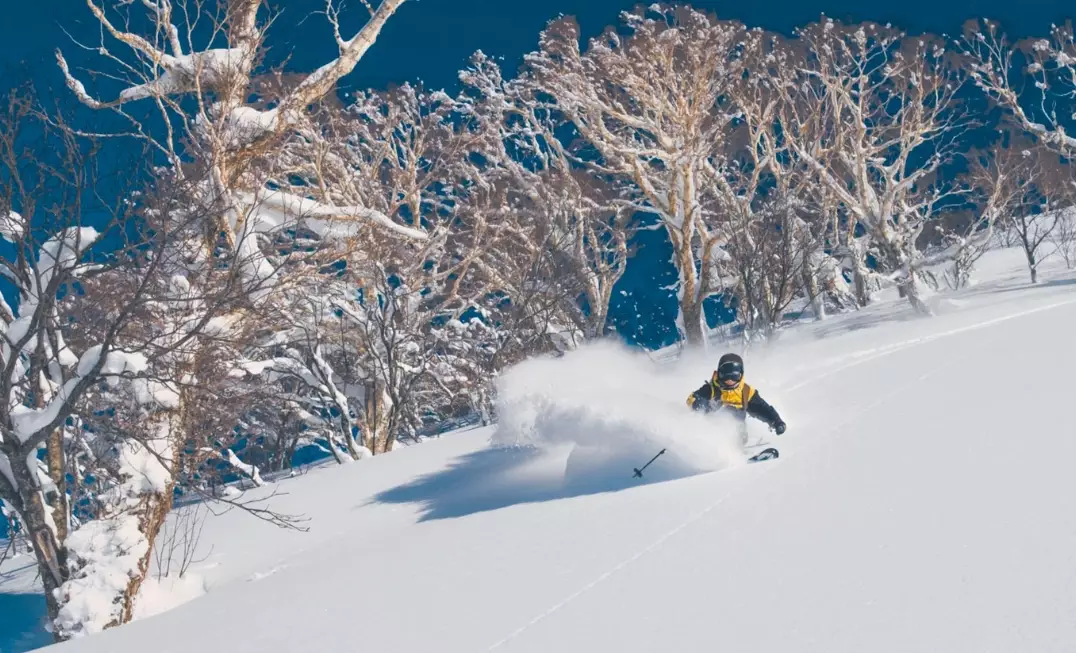
| Resort & Region | Powder Vibe & Terrain | Key Logistics (Nearest City/Access) | Who It's Best For |
|---|---|---|---|
| Niseko United, Hokkaido | The powder factory. Four interconnected resorts (Grand Hirafu, Hanazono, Niseko Village, Annupuri) with vast, rolling tree runs. Snow is almost guaranteed. Can get crowded. | First-timers to Japan powder, families, those who want convenience and nightlife alongside skiing. | |
| Rusutsu, Hokkaido | My personal favorite for tree skiing. Less crowded than Niseko, with perfectly spaced glades and fun side hits. The resort itself is a bit... quirky (it has an indoor carousel). | 90-minute shuttle from Niseko or Sapporo. Often combined with a Niseko trip. Stay at the Rusutsu Resort hotel for slope-side access. | Intermediate to advanced skiers who want to escape crowds and dive into endless tree lines. |
| Furano, Hokkaido | A local's mountain with a more Japanese feel. Reliable snow, a good mix of groomers and off-piste zones. Less international buzz means a more authentic experience. | Fly to Asahikawa (AKJ) or take a 2-hour train from Sapporo. The town of Furano is charming and less developed for tourism. | Skiers looking for a balance of good powder and cultural experience, without the international resort feel. |
| Hakuba Valley, Nagano (Honshu) | A valley of 10+ resorts. Home to the 1998 Olympics. Terrain is bigger and steeper than Hokkaido. Snow is plentiful but can vary more in quality (heavy at times). | Fly to Tokyo (NRT/HND), then a 4-5 hour bus/train to Hakuba. Each resort (Happo-One, Cortina, etc.) has its own base area. | Advanced skiers and riders craving steep chutes, big mountain terrain, and a more alpine feel. |
| Myoko Kogen, Nagano (Honshu) | A hidden gem. Gets some of the highest snowfall totals in Japan. Old-school, no-frills resorts like Akakura and Suginohara. Very little English, pure focus on skiing. | 3-hour bullet train + local train from Tokyo to Myoko Kogen station. Accommodation is often traditional ryokans (inns). | Powder purists on a budget, experts comfortable with minimal signage and a deep dive into local culture. |
Local Insight: Everyone flocks to Niseko, and for good reason. But the secret is to use it as a base and take day trips. Rusutsu is 90 minutes away, and a day there during a mid-week storm can be transformative. I've had deeper days at Rusutsu than anywhere else in Hokkaido.
When is the Absolute Best Time to Go?
January to mid-February is peak powder season. The days are cold, the snow is driest, and the base is deep. Late February can see fantastic snow too, with slightly longer days. December and March are riskier but less crowded and cheaper.
Here’s the non-consensus part: early January, just after New Year's, is a sweet spot everyone misses. The Japanese New Year holiday crowds have left (around Jan 4-5), but the snowpack is already established. I've scored empty slopes and fresh snow consistently in that first full week of January.
Don't Just Guess: Use These Snow Forecast Resources
Booking six months out is a gamble. If you can be flexible, monitor these sites like a hawk 2-3 weeks before your trip:
Snow Forecast & Analysis: The Japan Meteorological Agency provides official snow depth data. For English forecasts, I cross-reference Snow-Forecast.com (for resort-level detail) with Mountainwatch (for broader regional forecasts). The key is watching the wind direction – a strong west/northwest flow means snow is coming.
Webcams are Your Best Friend: Every resort has them. Look at the base and the top. Is it snowing? How much fresh is there? Is it windy? This real-time data beats any long-range forecast.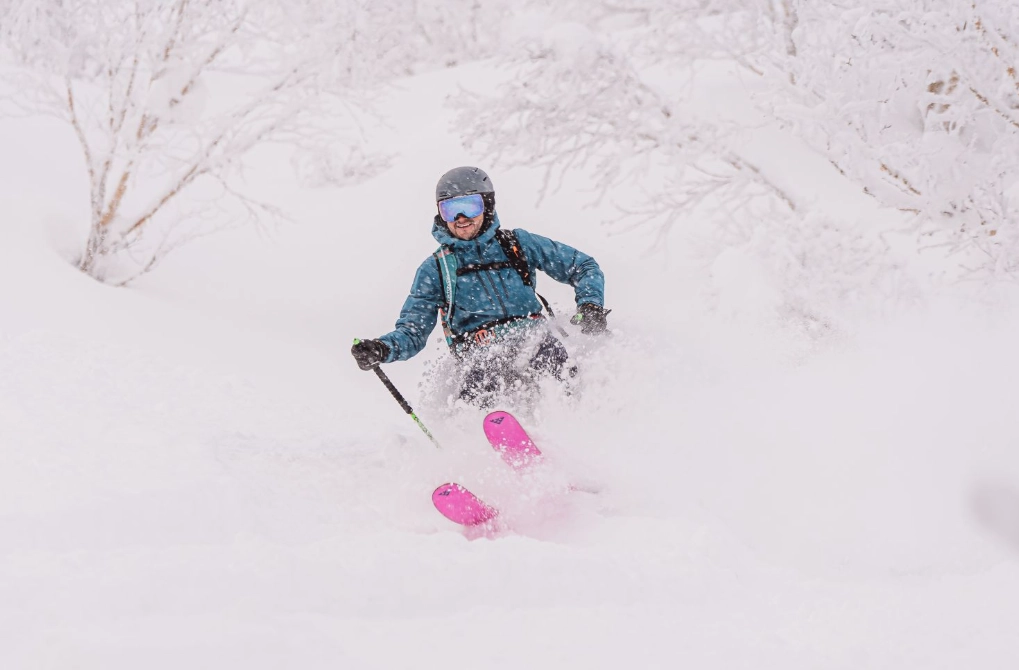
Planning Your Powder Trip: Logistics Unpacked
This is where trips get derailed. Let's get practical.
Getting There & Around: For Hokkaido, fly into New Chitose Airport (CTS). Pre-book a shared shuttle or bus to your resort – it's seamless. For Hakuba/Myoko, the bullet train from Tokyo to Nagano is an experience, then connect by bus. Renting a car gives ultimate flexibility, especially in Hokkaido for resort-hopping, but you must be comfortable driving in heavy snow with winter tires.
Where to Stay:
- Niseko (Hirafu): Bustling, walkable, tons of dining. Look for lodges like The Vale or apartments near the Hirafu Gondola.
- Hakuba: Stay near the Happo-One base (Echoland area) for access to multiple resorts via shuttle.
- Pro-Tip: In traditional areas like Myoko, book a ryokan with half-board. Soaking in an onsen after a powder day is a non-negotiable part of the experience.
Lift Tickets & Guides: Multi-day passes at Niseko United or the Hakuba Valley pass offer great value. This is crucial: hire a guide for at least one day. Off-piste skiing in Japan is often through ungroomed, in-bounds tree areas that are not patrolled. A certified guide from a company like Black Diamond Tours (Niseko) or Evergreen Outdoor Center (Hakuba) will show you safe lines, teach you about the snowpack, and get you to the best snow. It's the single best investment for your safety and powder count.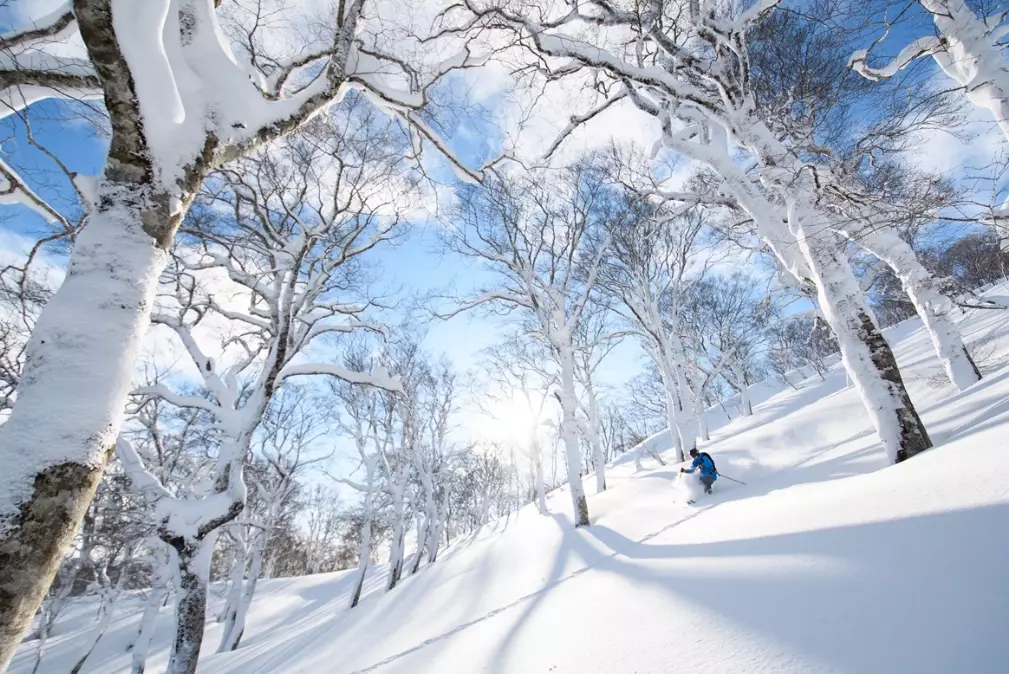
How to Actually Ski Japan's Deep Powder
Your groomer-honed technique won't work here.
You Need the Right Gear: Fat skis or a wide snowboard (100mm+ underfoot) are essential. They provide the float. Most shops in resort towns rent high-quality powder setups. Bring or rent proper powder straps.
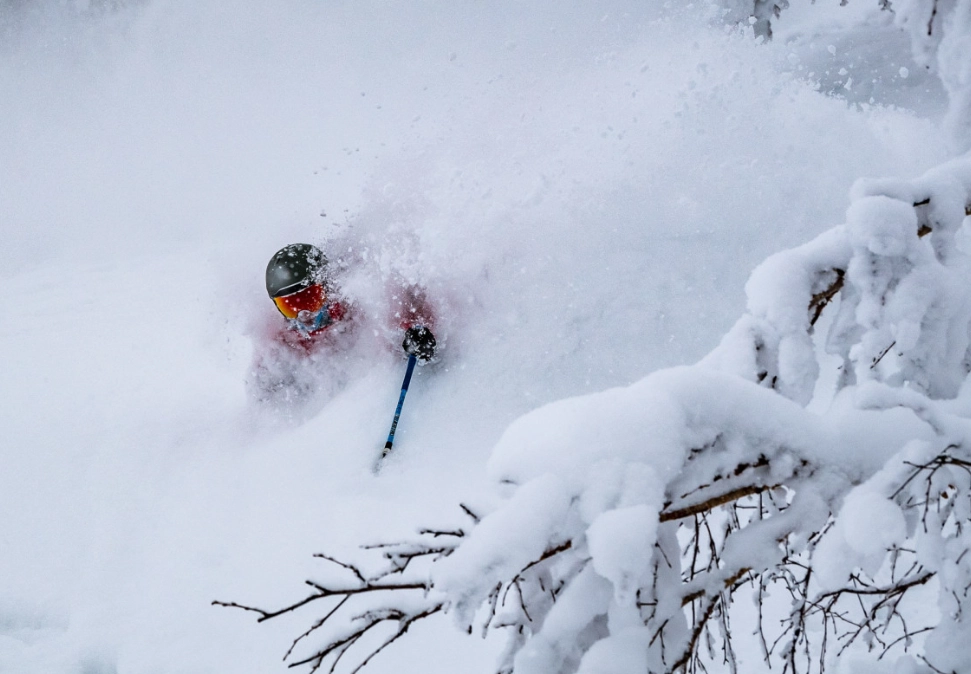
The Technique Shift: Stay centered over your skis. Lean back and you'll exhaust yourself. Initiate turns with your feet and ankles, not by throwing your hips. Speed is your friend – it helps you plane on top of the snow. It feels counterintuitive at first, but once it clicks, it's pure bliss.
Respect the Mountain: Tree wells are a real danger. Never ski the deep trees alone. Carry a beacon, probe, and shovel if you're venturing into sidecountry/backcountry, and know how to use them. The Japan Avalanche Network provides forecasts, but conditions can be complex.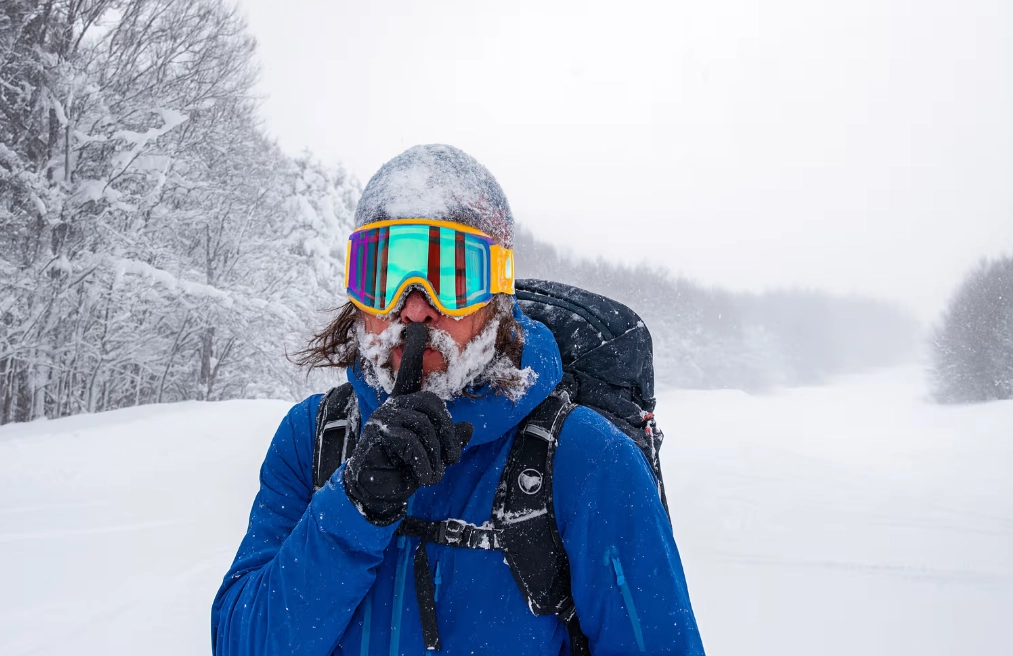
Powder Chase FAQs (Answered by a Local)
 What's the one piece of gear most people forget for Japan?
Related Articles
Comments
Join the discussion