Let's be honest. When you think of epic snow, Southern California isn't the first place that comes to mind. Palm trees and powder don't usually mix. But that's what makes Big Bear such a fascinating anomaly. Two hours from Los Angeles, perched at 7,000 feet in the San Bernardino Mountains, you'll find a legitimate, bustling ski scene centered around two major resorts: Snow Summit and Bear Mountain. The "big bear snow" experience is unique—it's accessible, sun-drenched, and relies on a sophisticated blend of natural snowfall and massive snowmaking operations. I've been skiing here for over a decade, through great seasons and lean ones, and I've learned what it takes to have an amazing day on the hill.
What's Inside This Guide
Why Big Bear Snow Works (The Science & The Scenery)
The magic—and the challenge—of Big Bear snow is its manufactured nature. The area gets an average of 100 inches of natural snow per year, which is decent but not enough to sustain a long season or consistent coverage. The real hero is the snowmaking. Together, Snow Summit and Bear Mountain have one of the most extensive snowmaking systems in the West. On a cold night, you'll see hundreds of snow guns covering the slopes in a fresh layer of corduroy.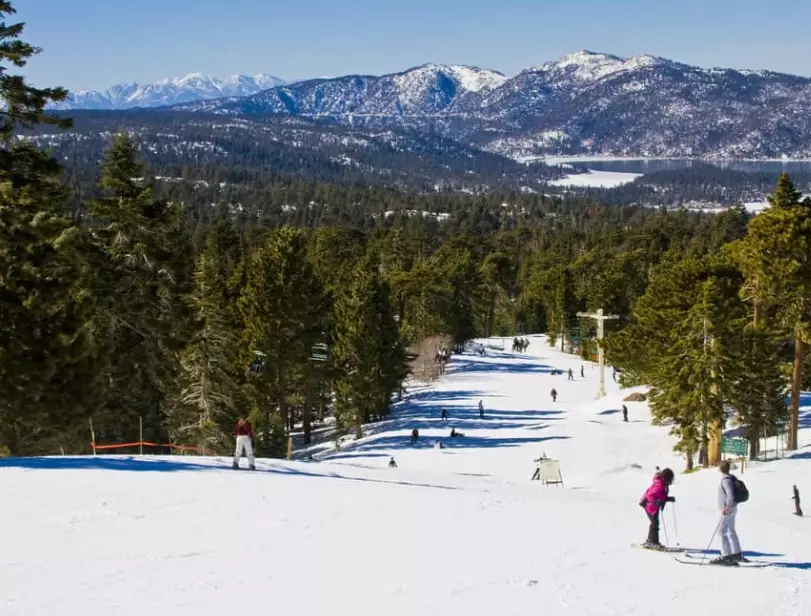
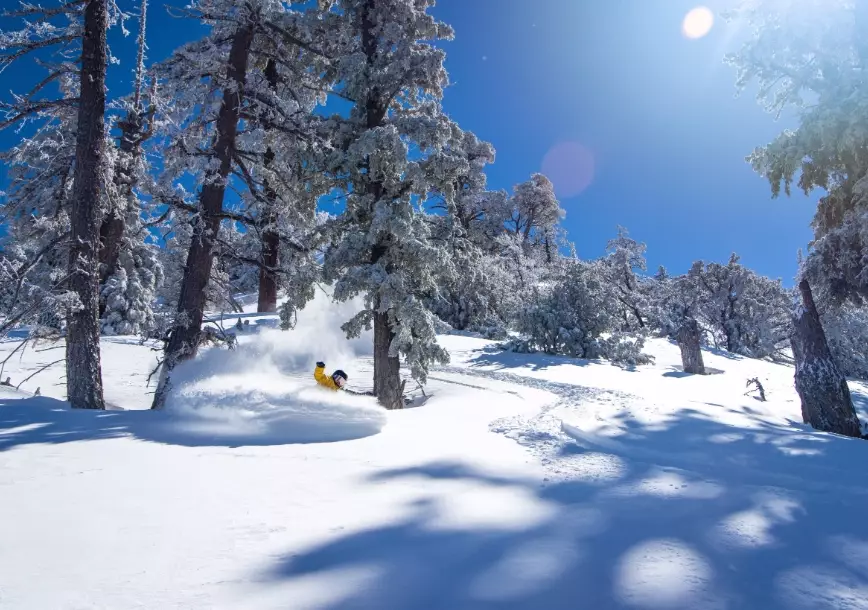
This means the conditions are remarkably reliable from December through March, as long as the nighttime temperatures cooperate. You're not chasing powder stashes here (though a storm day can be fantastic). You're chasing perfect, machine-groomed corduroy under a bright blue sky. It's a different kind of skiing, focused on carving and park features, and it's incredibly fun.
The Big Bear Vibe
Don't expect a remote, quiet alpine village. Big Bear Lake is a lively, sometimes chaotic, mountain town. The village is packed with rental shops, pizza places, and souvenir stores. The appeal is the convenience. You can ski all day, then be eating a burger and fries 15 minutes after getting off the lift. It's a social, energetic atmosphere perfect for groups and families.
Snow Summit vs. Bear Mountain: Picking Your Mountain
This is the biggest decision you'll make. While owned by the same company and accessible on the same lift ticket, the two resorts have distinct personalities. Choosing wrong can make or break your day.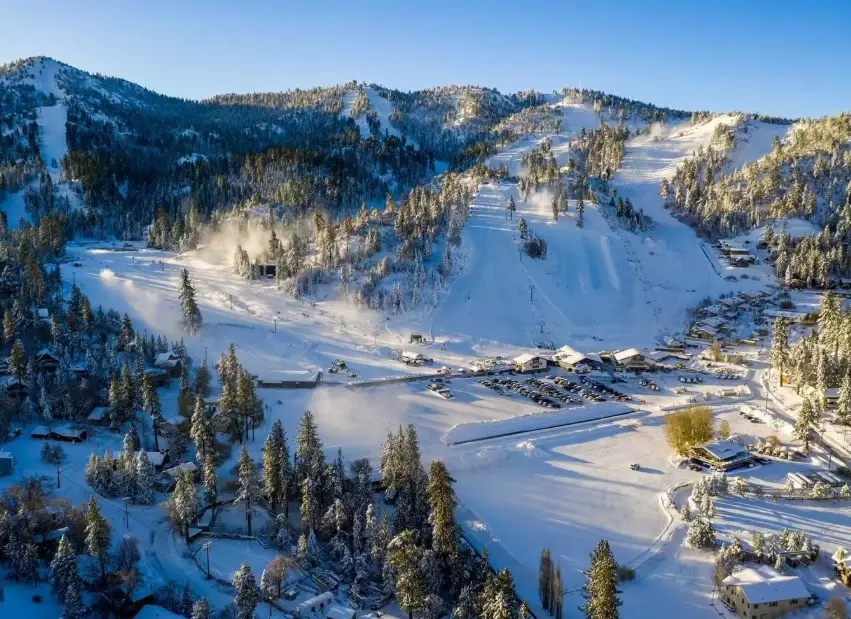
| Feature | Snow Summit | Bear Mountain |
|---|---|---|
| Best For | Traditional skiing, beginners, families, carving groomers. | Terrain parks, freestyle, progression, adventurous intermediates. |
| Terrain Mix | More balanced: 30% Beginner, 40% Intermediate, 30% Advanced. Wide, consistent runs. | Park-focused: 25% Beginner, 35% Intermediate, 40% Advanced. Known for its innovative parks. |
| Signature Experience | Long, cruising blue runs like "Miracle Mile" and "Westridge." Excellent learning area. | Massive terrain parks like "The Scene" and "The Park." Natural, ungroomed features. |
| Address & Base | 880 Summit Blvd, Big Bear Lake, CA 92315. More centralized, easier parking (though still busy). | 43101 Goldmine Dr, Big Bear Lake, CA 92315. Feels more spread out. |
| My Personal Take | If you want to ski—make turns, work on technique, enjoy the views—Summit is your spot. The grooming is impeccable. | If you watch snowboard videos and want to hit jumps and rails, Bear is a pilgrimage site. The energy is contagious. |
Here's a tip most visitors miss: start at Snow Summit. The parking is slightly more manageable, and the lifts are efficient. Get your legs under you on their groomers. If you're feeling adventurous by lunchtime, take the free inter-resort shuttle over to Bear Mountain to check out the parks. Doing it the other way around can be overwhelming.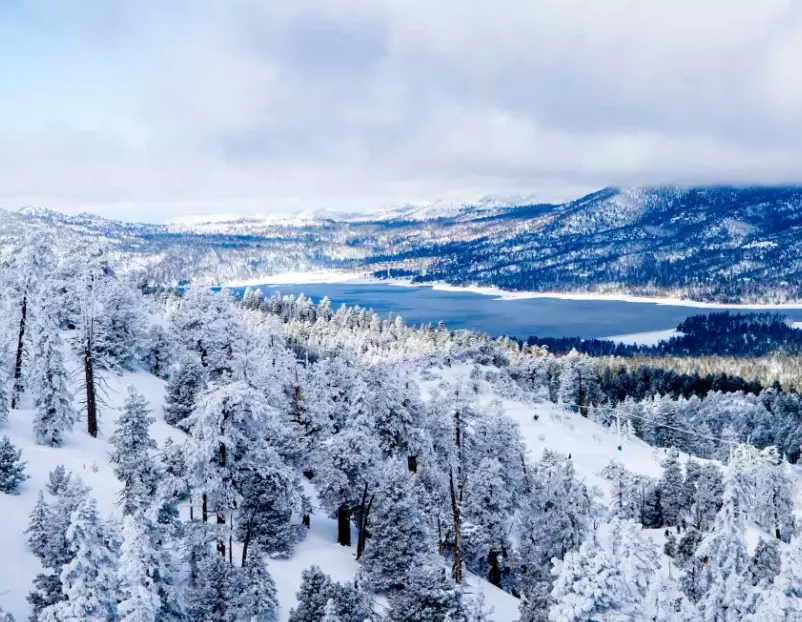
Planning Your Big Bear Ski Trip: Dates, Tickets & Logistics
Failing to plan is planning for a day spent in traffic. Let's get specific.
When to Go for the Best Snow
Mid-January to late February is prime time. The snowmaking has had weeks to build a deep base, and holiday crowds have thinned. Avoid holiday weekends (MLK Day, Presidents' Day) unless you thrive in chaos. A random Tuesday or Wednesday? You'll feel like you have the mountain to yourself.
Always, always check the live Big Bear snow report before you go. It shows open lifts, open trails, and the snow surface condition (e.g., machine groomed, packed powder). Don't just look at the "base depth"; look at how many trails are open.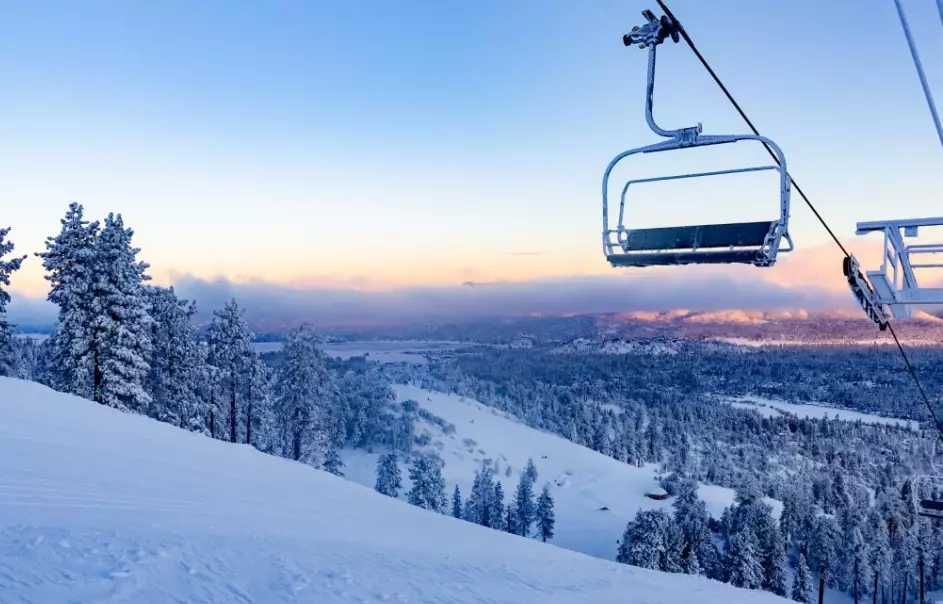
Tickets, Rentals, and Lessons
Lift ticket window prices are steep, often over $150 on peak days. Buy online in advance. You'll save a significant amount, sometimes 20-30%, and guarantee your spot (they do sell out). Multi-day tickets offer better value if you're staying overnight.
For rentals, don't wait until you get to the resort base. Rentals in the town of Big Bear Lake (like at Blauer Board Shop or Goldsmith's Sports) are cheaper, faster, and offer better service. You can get fitted the night before and walk straight to the lift in the morning. A basic ski package (skis, boots, poles) runs about $40-50 per day.
If you're a beginner, a lesson is the best money you'll spend. Both mountains offer group and private lessons. You'll learn faster and have more fun than struggling on your own.
Getting There: The Drive Up
The address for your GPS is the town: Big Bear Lake, CA. From LA, you'll take Highway 330/18 through Running Springs. In winter, carry chains in your vehicle, even if the sun is shining in the city. Caltrans requires them during storms (R-2 conditions), and you will be turned around without them. You can rent them in town if needed. The drive is beautiful but winding—take it slow.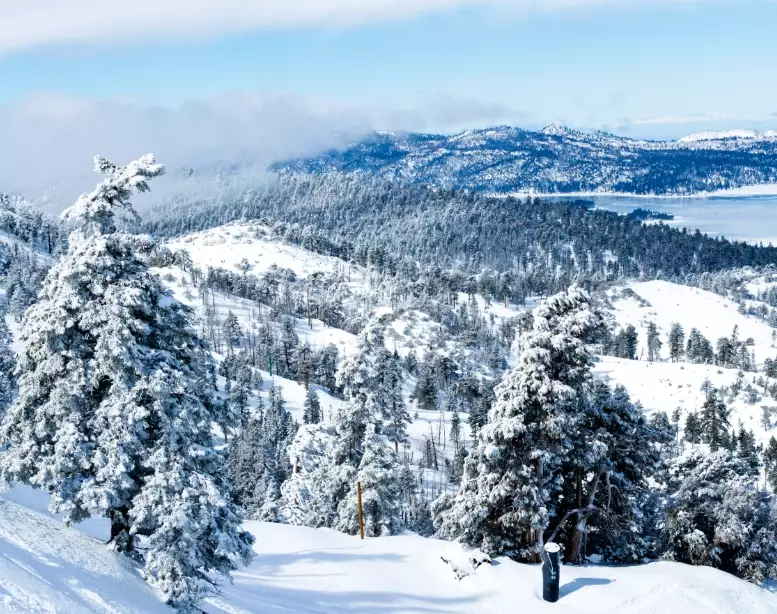
On the Mountain: Gear, Tips & Navigating the Crowds
You've made it. Now, let's ski smart.
The Essential Gear List (Beyond the Obvious)
Everyone brings a jacket and gloves. The pros bring this:
- Layers, not a bulky coat: The sun is strong. Start with a moisture-wicking base layer, a fleece mid-layer, and a waterproof shell. You'll shed layers by 11 AM.
- Sunglasses AND goggles: Goggles for morning cold and windy chairlifts. Sunglasses for the brilliant afternoon sun. The glare is real.
- High-SPF sunscreen & lip balm: Reapply at lunch. I've seen more sunburns here than at the beach.
- A backpack with water and snacks: Lodge lines are long at peak lunch (12:30-1:30). Toss a protein bar in your pocket and ski through the rush.
A Sample Perfect Day Itinerary
Let's assume you're doing a day trip and chose Snow Summit.
5:30 AM: Leave Orange County or LA. Yes, it's early. Trust me.
7:45 AM: Park at Snow Summit (arrive before 8 AM for a decent spot).
8:30 AM: Boots on, be in the lift line for Chair 1.
8:30 - 11:00 AM: First Tracks Session. Lap Chair 1 and Chair 2. The snow is perfect, the crowds are light. This is your best skiing.
11:00 AM: Quick water break. Avoid the lodge.
11:15 AM - 1:30 PM: Exploration Session. Head to the back of the mountain (Chair 7, Chair 10). Lines are shorter.
1:45 PM: Late lunch. The lodge crowd has thinned.
2:30 PM: A few more relaxed runs. The snow might be softer, even slushy in sunny spots.
3:00 PM: Be in your car, changing out of ski boots.
3:15 PM: Start driving down the mountain. You've just avoided the 4 PM exodus traffic jam.
It's a packed day, but you maximized your ski time and minimized stress.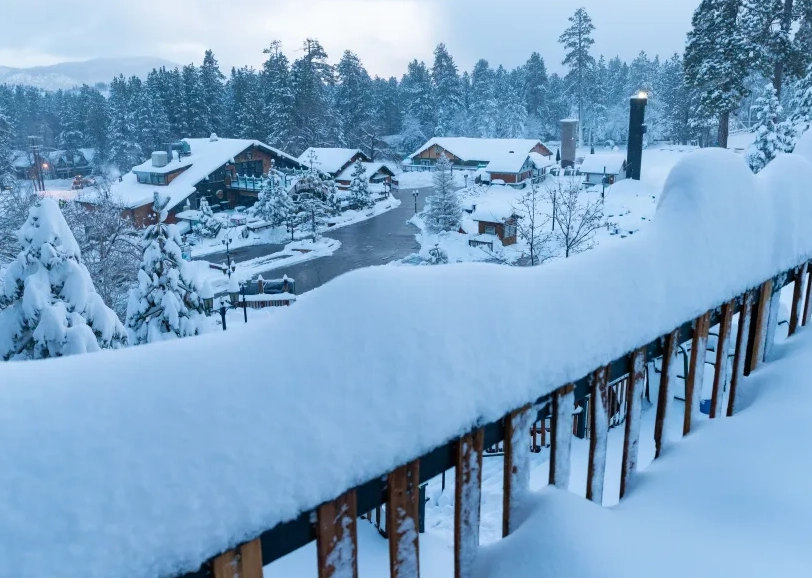
Your Big Bear Snow Questions Answered
Over the years, I've heard the same questions from friends and fellow skiers. Here are the real answers.
The charm of Big Bear snow isn't in endless backcountry powder. It's in its accessibility, its sunny disposition, and the sheer fun of having real skiing so close to millions of people. With the right expectations and a solid plan, you can have an absolutely fantastic day carving turns on the snow-covered slopes of Southern California. Just remember the sunscreen.
Related Articles
Comments
Join the discussion