Let's cut straight to the chase. If you're searching for the single largest ski area in the United States, you're looking for Park City Mountain Resort in Utah. It's not even a close contest. After the 2015 merger between the historic Park City Mountain and the neighboring Canyons Resort, this place became a behemoth, sprawling across over 7,300 acres of skiable terrain. That's more than a thousand acres larger than its nearest competitor.
But just throwing out a number like 7,300 acres doesn't really tell you much, does it? Is it just a bunch of boring, flat runs stitched together? Absolutely not. The scale is almost hard to comprehend until you're there, staring at a trail map that looks like a subway system for skiers. I've been skiing this resort for over a decade, and I still find new pockets and hidden gullies every season.
Your Quick Guide to Park City Mountain
What Makes It The Largest? Beyond the Numbers
So, it's 7,300+ acres. Big deal. Here's what that actually means for you on the snow.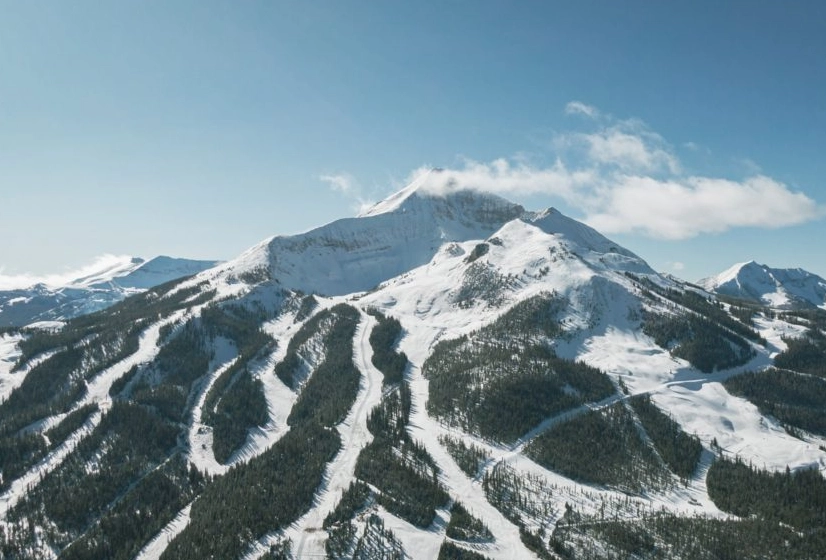
First, the infrastructure is mind-boggling. We're talking about 41 lifts, including a brand-new high-speed gondola (the Sunrise Lift) that finally connected the two former base areas seamlessly. That lift network is key. It's not just about raw acreage; it's about how efficiently you can access it. A common mistake is thinking a huge resort means long, frustrating traverses. At Park City, the lift system is designed to move you across the vast terrain surprisingly well.
The variety is the real kicker. You have everything from wide-open, perfectly groomed boulevards off the Bonanza lift to the steep, technical chutes of Ninety-Nine 90. Then there's the entire Canyons side, with its own vibe—long, cruising runs through aspen groves and massive bowls above the treeline.
A Local's Perspective: The "largest" title isn't just marketing. It translates directly to crowd dispersion. On a busy Saturday, you can still find quiet corners. While everyone piles into the lifts at the Park City base, savvy skiers head to the Canyons Village base or the mid-mountain Silverlode Lift. The size gives you options to escape the masses, which is a luxury smaller resorts simply can't offer.
Navigating the Terrain: A Mountain of Two Personalities
It's helpful to think of Park City Mountain as two distinct areas connected by the Quicksilver and Sunrise gondolas. Each has its own flavor.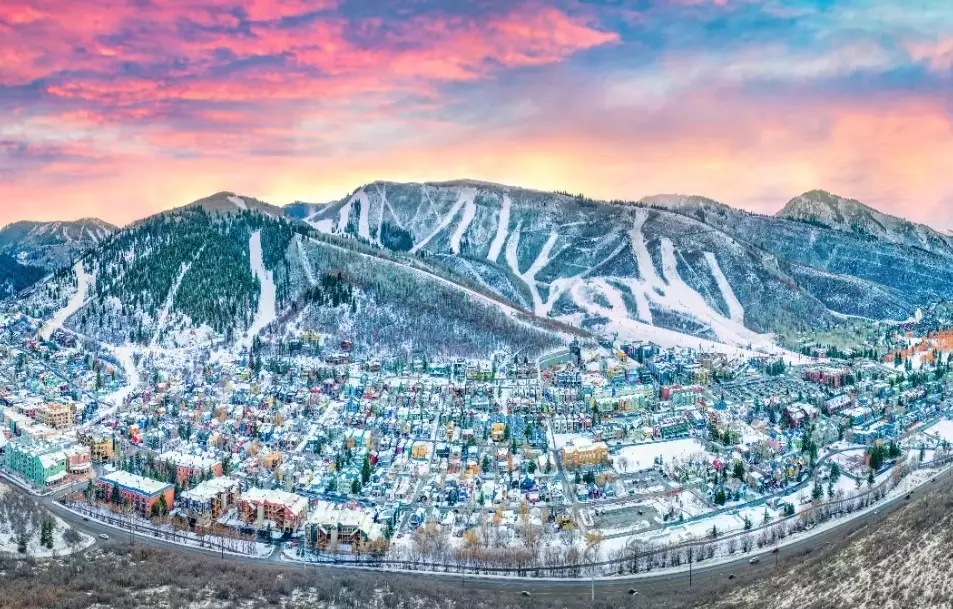
The Park City Side (Original Mountain)
This is where the mining town history seeps into the runs. The terrain is classic, with a mix of intermediate cruisers and some seriously fun expert zones. Key areas here include:
Jupiter Bowl: The legendary expert-only area. It's hike-to terrain with steep bowls, cliffs, and tree runs. Don't go in here unless you're confident in deep snow and variable conditions.
King Con & Motherlode: These lifts serve up some of the best advanced and intermediate tree skiing on the mountain. After a fresh snow, this is where I head first.
Bonanza & Three Kings: The heart of the family and beginner zone. Wide, gentle slopes perfect for learning. This is also the main base area, so it gets congested.
The Canyons Side
More modern and spread out. The runs feel longer, and the vibe is a bit more relaxed. Don't miss:
Ninety-Nine 90 & Peak 5: The expert playground on this side. Superb hike-to terrain with incredible views into the backcountry. The snow here often stays good longer.
Super Condor & DreamCatcher: These lifts access a huge amount of intermediate and advanced groomed terrain. Perfect for carving big turns all day.
Iron Mountain: A quieter zone often overlooked by visitors. Great intermediate glades and shorter lift lines.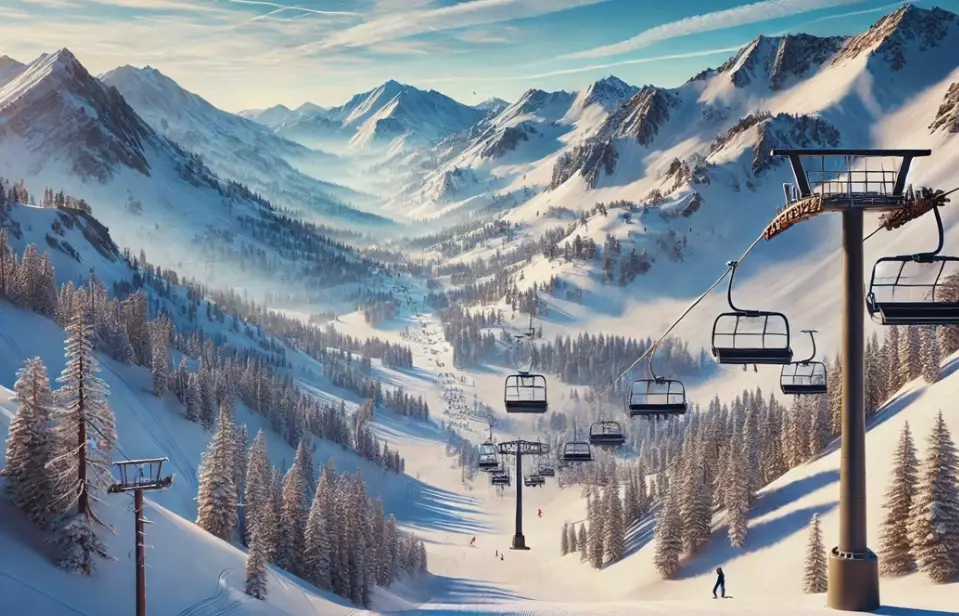
| Mountain Zone | Best For | Signature Experience | Lift Tip |
|---|---|---|---|
| Park City Base | Beginners, Families, Apres-Ski | Easy access from town, historic charm | Can get crowded. Start early or use the Cabriolet. |
| Canyons Village Base | Intermediate Cruisers, Modern Lodging | Wide, long runs, efficient lift network | Often shorter morning lines than Park City base. |
| Jupiter Bowl (PC) | Expert Skiers & Riders | Steep chutes, hike-to powder | Check avalanche control status. It often opens later in the day. |
| Iron Mountain (Canyons) | Escaping Crowds | Quiet tree skiing, consistent pitch | Access via the Saddleback or Dreamscape lifts. |
Planning Your Visit: Tickets, Staying & Getting There
Alright, you're sold on the size. How do you actually do this?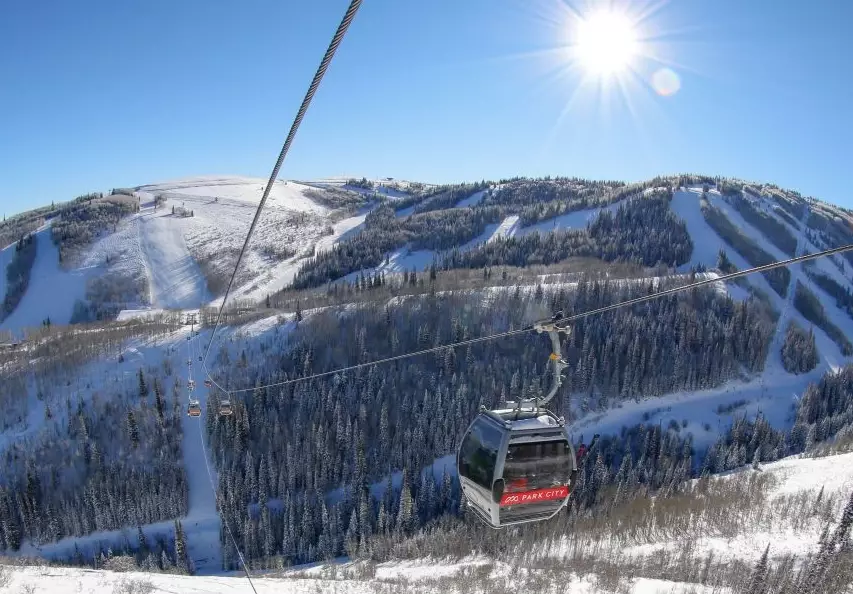
Lift Tickets & Passes: This is the big budget item. A single-day window ticket can push $250 in peak season. Everyone knows about the Epic Pass (which includes unlimited access to Park City), but here's a non-consensus tip: if you're planning a 4-5 day trip, sometimes a multi-day Epic Day Pass purchased well in advance can be a better deal than the full Epic Pass. Do the math. Also, buying online at least a week ahead always saves you a significant chunk versus the window rate.
Where to Stay: You have two main base area choices, each with a different feel.
Park City Base (Main Street): You're in the heart of a real, vibrant town. Walk to dozens of restaurants, bars, and shops. The trade-off? It's more expensive, and getting to the Canyons side requires a lift or bus ride. Hotels like the Marriott's MountainSide or the Grand Summit Hotel are ski-in/ski-out.
Canyons Village: More of a purpose-built, modern resort village. Condos and hotels like the Hyatt Centric are right at the base of the lifts. It's quieter at night but has everything you need. I find the ski access here to be more straightforward and less chaotic in the mornings.
Don't overlook staying in nearby Kimball Junction. It's a 10-minute drive, has every chain hotel you can think of (Marriott, Hilton, etc.), and is right off the interstate. You'll save a fortune and have easy access to grocery stores and other amenities.
Getting There: This is Park City's secret weapon. Salt Lake City International Airport (SLC) is only a 35-45 minute drive away. It's the closest major airport to a world-class ski resort in the U.S. You can land in the morning and be on the slopes by afternoon. Renting a car is easy, but shared shuttles like Canyon Transportation or the high-end Ski Butlers are reliable options.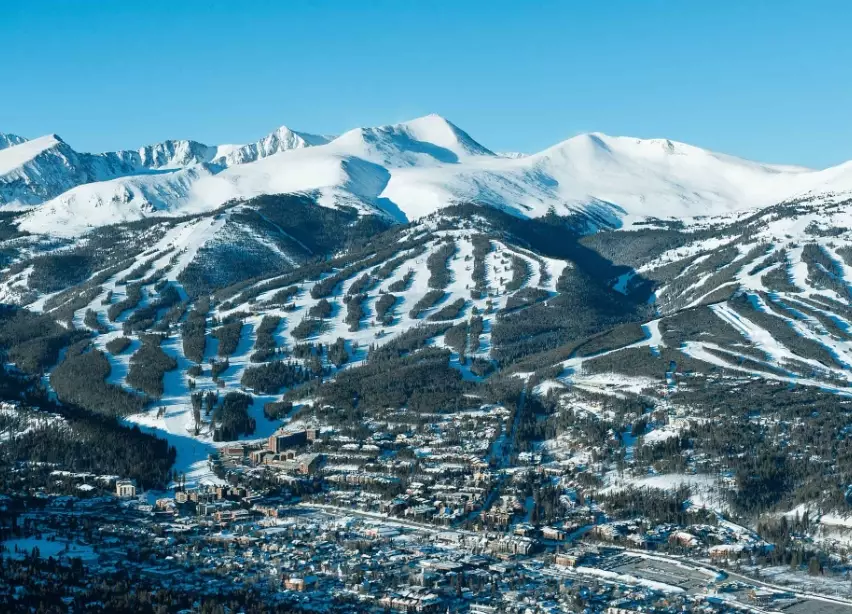
Pro Tips & Common Mistakes to Avoid
After countless days here, I've seen the same errors trip people up.
Mistake #1: Trying to "do it all" in one day. You can't. Don't even try. The resort publishes a suggested itinerary for a one-day visit, and it's wise to follow it. Pick one side of the mountain (Park City or Canyons) and explore it deeply. Crossing back and forth burns precious ski time.
Mistake #2: Underestimating the altitude. The base is at 6,800 feet, and the peaks are over 10,000 feet. Drink twice as much water as you think you need. Seriously. Bring a hydration pack. That afternoon headache is usually dehydration, not just fatigue.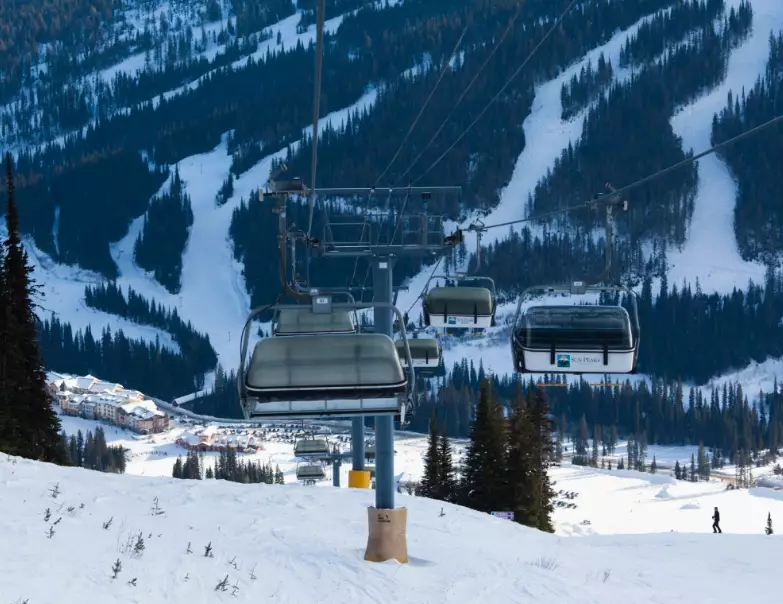
Mistake #3: Skiing straight to the closest base lift at 9 AM. The lines at the Park City base gondola or the Cabriolet can be disheartening. If you're staying in town, take the free city bus to the Canyons Village base and start there. Or, take the First Time Lift up from the Park City base—it's often ignored and gets you to the same place.
My Personal Strategy: On a powder day, I bee-line for the Super Condor Express on the Canyons side. It's a six-pack that services a massive amount of advanced terrain that gets tracked out slower than the more famous zones. For a sunny, cruising day, I love working my way across the DreamCatcher and DreamScape lifts—endless perfect corduroy.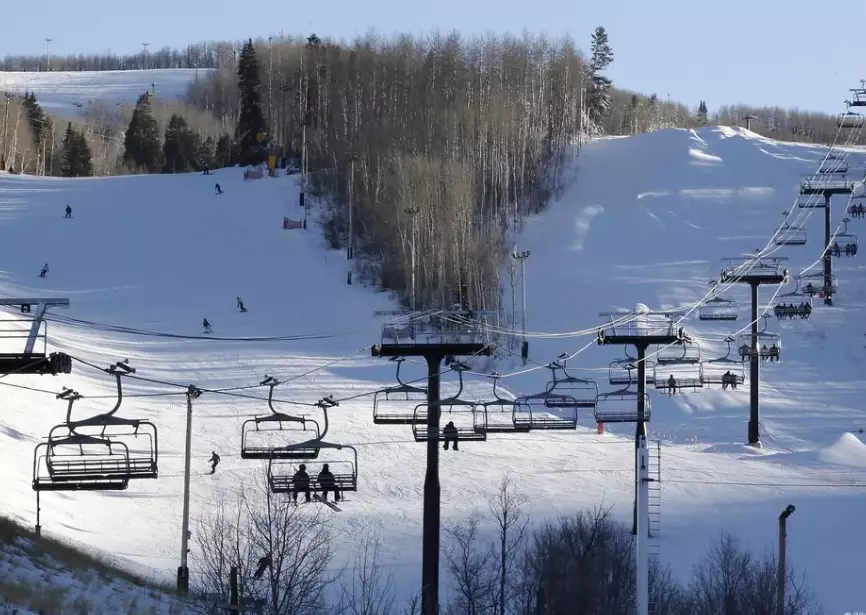
Your Park City Questions Answered
So, there you have it. The largest ski area in the United States isn't just a title for brochures. It's a tangible experience of endless variety, smart infrastructure, and the freedom to craft your own perfect ski day, away from the crowds. Park City Mountain Resort demands a bit of strategy, but the payoff—a mountain that truly feels limitless—is worth every bit of planning.
Related Articles
Comments
Join the discussion