Forget Paris, Rome, and Prague for a second. The real magic of Europe often lies east of the tourist trail, in places where history feels raw, nature is untamed, and your money goes a lot further. I've spent over a decade weaving through these countries, and the hidden gems of Eastern Europe consistently offer the most memorable, authentic, and crowd-free experiences. This isn't about ticking boxes; it's about finding places that still have a soul.
Your Quick Guide to Eastern Europe's Secrets
Urban Hidden Gems: Cities Beyond the Crowds
You know Krakow and Budapest. Now meet their fascinating, less-heralded cousins.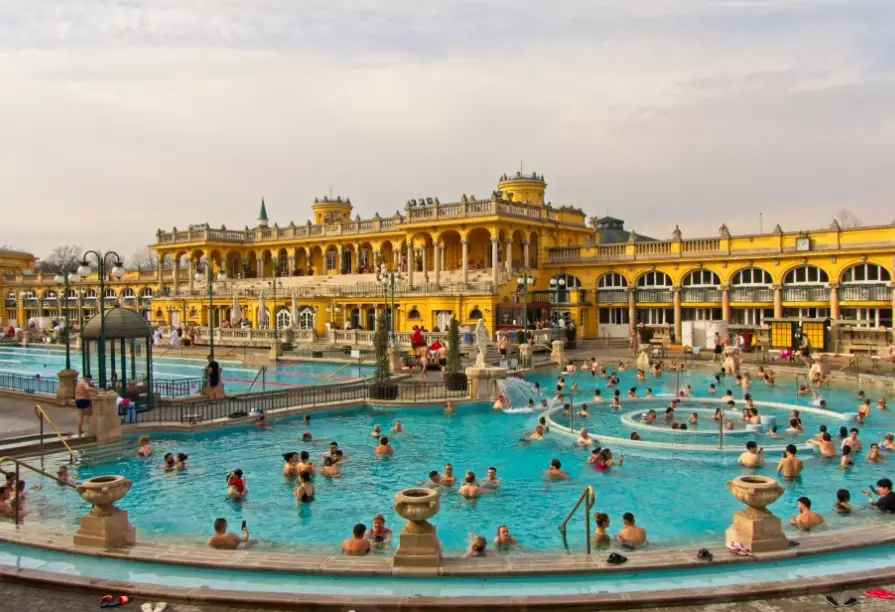
Plovdiv, Bulgaria: Europe's Continuously Inhabited Secret
While everyone flocks to Sofia, Plovdiv quietly holds the title of one of the world's oldest continuously inhabited cities. Wandering its Kapana creative district feels like stumbling upon a secret. This isn't a sanitized "old town"—it's a living, breathing maze of galleries, craft beer pubs, and workshops set in revitalized 19th-century houses.
Don't miss: The ancient Roman Theatre, still used for performances (tickets ~10 BGN/€5). The uphill climb to the Old Town for views over the city's seven hills. For a unique stay, check out the art-filled Hotel Evmolpia in the heart of Kapana (doubles from €70). Getting there is easy: a 90-minute train from Sofia (schedule on the BDZ Bulgarian Railways site), or a 2-hour drive.
Wroclaw, Poland: The City of Dwarves
Krakow gets the love, Gdańsk gets the history, but Wroclaw gets the charm. This is a city built across 12 islands, connected by over 100 bridges. Its post-war reconstruction is a masterpiece. The real fun? Hunting for the hundreds of tiny bronze dwarf statues scattered throughout the city. It turns a simple walk into a treasure hunt.
Key info: The central Market Square (Rynek) is the heart. Ostrów Tumski (Cathedral Island) at dusk is magical. A budget-friendly, central hotel like PURO Wrocław Stare Miasto costs around €90/night. Wroclaw has its own international airport (WRO), or it's a 3.5-hour train ride from Warsaw. The local tourism office has a great interactive map for planning.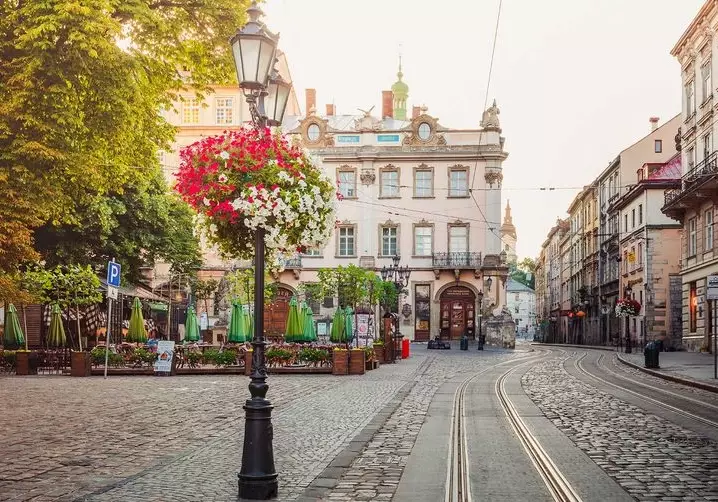
Lviv, Ukraine: A Coffee & Chocolate Paradise
Before the war, Lviv was the ultimate insider tip. Its future is uncertain, but its cultural significance as a hidden gem remains. The city's architecture is a stunning blend of Central European styles, and its cafe culture is legendary. It felt like a time capsule of Habsburg elegance mixed with Ukrainian spirit.
A note on travel: As of now, travel to Ukraine for tourism is not advised due to the ongoing war. We include Lviv here as a testament to the region's incredible cultural heritage and in hope for its peaceful future. Always consult your government's travel advisories, like the U.S. Department of State, for current conditions.
Nature & Adventure Off the Map
This is where Eastern Europe truly shines. Think alpine lakes without the Swiss prices, and forests where you might not see another soul all day.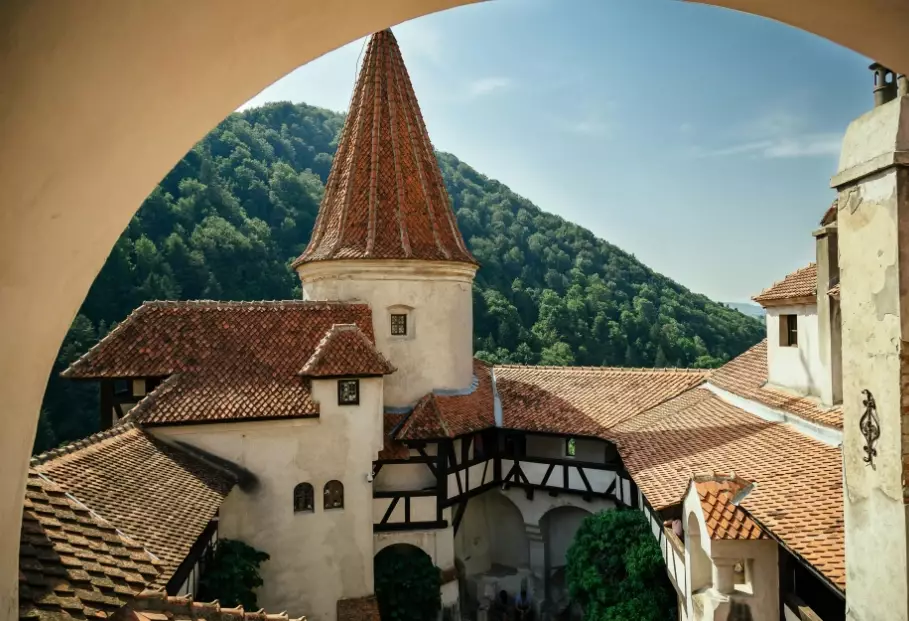
| Destination | Country | What Makes It a Gem | Key Practical Info |
|---|---|---|---|
| Rila Lakes & Monastery | Bulgaria | Seven glacial lakes strung like pearls in the Rila Mountains, plus a stunning UNESCO monastery. | Hike the Seven Lakes. Monastery entry: ~8 BGN. Stay in Sapareva Banya. 2-hour drive from Sofia. |
| Mara Mureș | Romania | Rural time capsule. Wooden churches, horse-drawn carts, and the Merry Cemetery of Săpânța. | Base in Sighetu Marmației. Rent a car. Visit the Village Museum in Sighet. Authentic homestays ~€25/night. |
| Soomaa National Park | Estonia | The "Land of Bogs." Experience the unique "fifth season" flood (spring) by canoe or on bog shoes. | Guided tours essential. Visit the Soomaa Visitor Centre. Canoe rental ~€20/day. 2.5-hour drive from Tallinn. |
| Durmitor National Park | Montenegro | Dramatic peaks, the Tara River Canyon (Europe's deepest), and Black Lake. Hiking and rafting paradise. | Base in Žabljak. Park entry ~€3. Rafting the Tara: ~€50. Connected by bus from Podgorica or Dubrovnik. |
I spent three days hiking in Durmitor once. On one trail, I saw more wild horses than people. That's the feeling you're after.
How to Plan Your Eastern Europe Hidden Gems Trip
Planning is different here. Schedules can be... fluid. Infrastructure varies.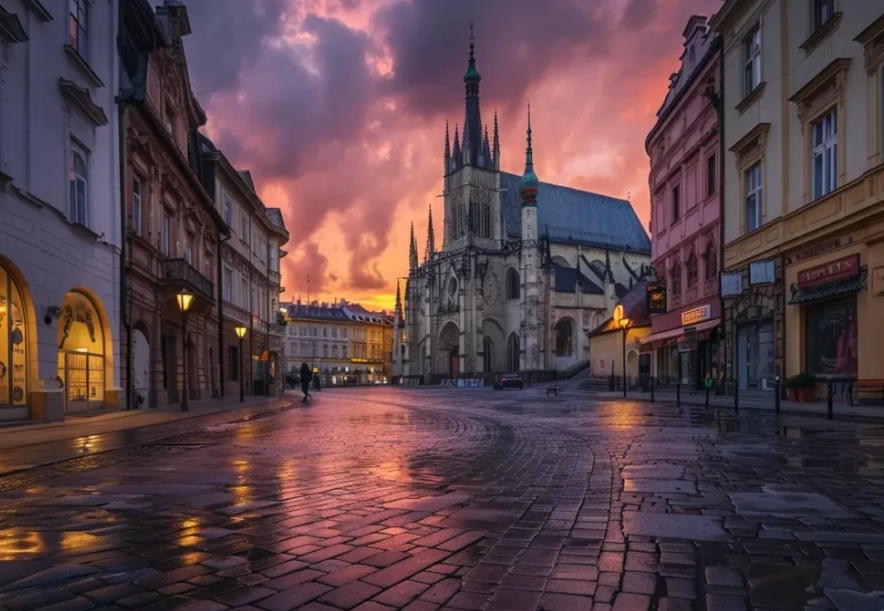
Transport is the biggest puzzle. Trains can be charmingly slow but scenic. Buses (like FlixBus) are often faster and connect more towns. For real freedom, especially for places like Mara Mureș or the Bulgarian mountains, renting a car is king. Just be prepared for occasional rough roads. I use local rental companies—they're cheaper and know the roads better.
Accommodation: Forget big chains. Think family-run guesthouses (pensiuneas in Romania, kushti in Bulgaria). You get a home-cooked breakfast, local advice you can't Google, and often pay under €40 a night. Booking.com is surprisingly good for these.
Timing: Shoulder seasons (May-June, September) are perfect. Fewer crowds, pleasant weather. July-August can be hot and busy in the known spots, but the hidden gems remain relatively quiet. Winter offers incredible skiing (think Bansko, Bulgaria or Jasná, Slovakia) at a fraction of Alpine costs.
The One Mistake Almost Every First-Timer Makes
They try to cover too much ground too quickly. I've seen itineraries that have someone "doing" three countries in a week. It's a recipe for exhaustion and seeing nothing but bus windows.
Here's the expert fix: Pick one region and go deep.
Instead of "Poland, Slovakia, Hungary," try "Southern Poland and the Slovak Tatras." Base yourself in Krakow, day-trip to the Wieliczka Salt Mine, then take a train to Poprad (Slovakia) and spend 3 days hiking in the High Tatras. The depth of experience is incomparable.
Another example: Focus on the Balkans. Fly into Sofia, see Plovdiv, drive to the Rila Monastery, then head into North Macedonia to see Lake Ohrid. You get variety without the burnout.
Slow travel isn't a luxury here; it's the only way to truly connect with these places.
Your Eastern Europe Hidden Gems Questions Answered
The hidden gems of Eastern Europe ask for a little more from you—a sense of adventure, flexibility, and curiosity.
In return, they give you something increasingly rare: the genuine thrill of discovery.
Related Articles


Comments
Join the discussion