Let's cut straight to the chase. The biggest ski area in the world, measured by lift-linked skiable terrain, is Les 3 Vallées (The Three Valleys) in the French Alps. It's not even a close contest. With over 600 kilometers (373 miles) of interconnected pistes spread across eight distinct resorts, it's a behemoth that redefines what a ski holiday can be. I remember my first time staring at the piste map—it looked less like a resort guide and more like a subway system for skiers.
What You'll Discover in This Guide
What Makes Les 3 Vallées the Largest?
The numbers are staggering, but they only tell part of the story. The official figure, often cited by the resort's governing body Société des 3 Vallées, is 600 km of marked and groomed runs. This is supported by data from sources like Wikipedia's list of ski areas, which consistently ranks Les 3 Vallées at the top for sheer skiable acreage.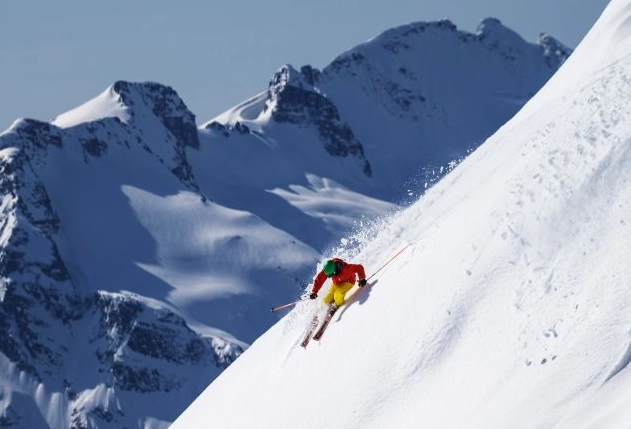
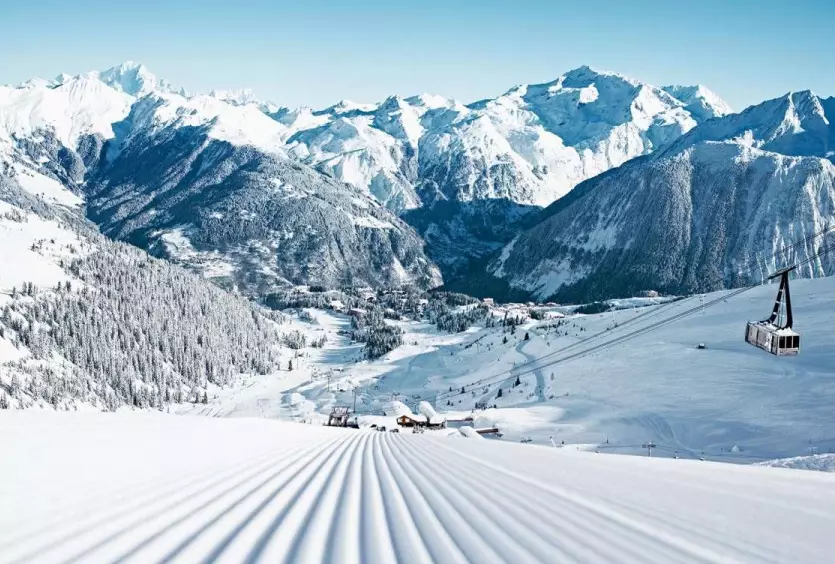
But here's a nuance most articles miss: that 600 km is just the pisted terrain. The off-piste and freeride potential probably doubles that accessible area. The system is linked by a mind-boggling 183 ski lifts, including two iconic cable cars that connect the valleys.
A Breakdown of All 8 Resorts: More Than Just Three Valleys
Calling it "Three Valleys" is a bit of an understatement now. It's a constellation of resorts, each with its own personality, price point, and crowd. Choosing where to stay is your first major decision.
| Resort | Best For | Vibe & Altitude | Key Consideration |
|---|---|---|---|
| Courchevel (1850, 1650, etc.) | Luxury, fine dining, beginners, families. | Glitzy, high-end. Altitude up to 1850m. | Most expensive. Incredibly well-groomed, gentle slopes. |
| Méribel | British visitors, lively apres-ski, central location. | Chalets, pine trees. Altitude 1450m. | The geographical heart. Great for accessing all valleys. |
| Val Thorens | Guaranteed snow, season length, party scene. | Modern, purpose-built. Europe's highest at 2300m. | Can feel isolated. Less charm, more function. |
| Les Menuires / St. Martin de Belleville | Value, authenticity, access to great skiing. | More local, less polished. Altitude 1800m. | Architecture in Les Menuires is… divisive. St. Martin is picturesque. |
| Brides-les-Bains, Orelle, La Tania | Budget, quiet stays, specific access points. | Lower altitude villages connected by lift/cable car. | You'll commute to the main slopes. Great for saving money. |
My personal take? First-timers obsessed with ticking off the "biggest" often default to Val Thorens for the snow guarantee. But if you want character alongside the convenience, Méribel or one of the quieter villages like St. Martin de Belleville offers a more balanced experience. Courchevel is in a league of its own—the grooming is impeccable, but you pay for it at every café.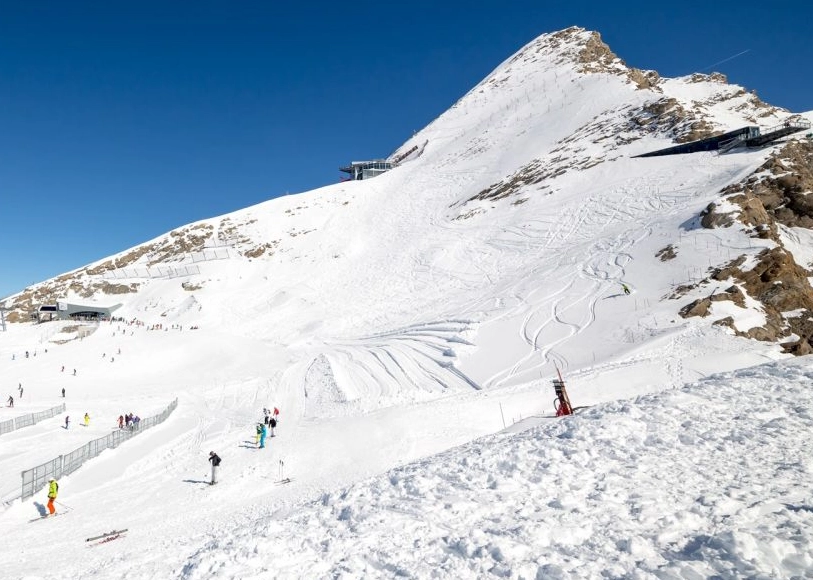
Planning Your Trip to the Biggest Ski Area
Tackling Les 3 Vallées isn't like a weekend at a local hill. It requires strategy.
The Lift Pass: Your Golden Ticket
You need the full "Les 3 Vallées" pass. No debate. Regional passes won't cut it. For the 2024/25 season, expect to pay €70-€75 per day for a 6-day adult pass if bought in advance online. A one-day pass is a painful ~€70. Pro tip: Buy online well in advance. The price at the ticket window is a special kind of shock.
Getting There and Getting Around
Airports: Geneva (GVA) and Lyon (LYS) are the main hubs, both about a 2-2.5 hour transfer. Chambéry (CMF) is closer but has fewer flights.
Transfers: Book a shared shuttle or private transfer. The train+bus combo is possible but cumbersome with gear.
On the Mountain: The lift system is your transport. You can ski from Courchevel to Val Thorens and back in a day if you're determined. Buses connect the lower villages to the main lift bases, but they can get crowded.
How Many Days Do You Really Need?
A week. Minimum. With five or six full ski days, you can get a proper feel for each valley. A long weekend (3 days) is frankly a tease—you'll spend the whole time traveling between areas rather than enjoying them. I made that mistake once, spending more time on chairlifts looking at the map than actually skiing memorable runs.
What They Don't Tell You: Beyond the Size
Everyone talks about the 600 km. As a guide who's worked seasons here, let me point out the subtleties that brochures skip.
The Crowd Factor: It's popular for a reason. Key lift hubs (like the Saulire cable car from Méribel to Courchevel) can have 20+ minute queues at peak times (10 AM, end of day). The secret? Start early, break for lunch after 1 PM when everyone descends, or use the less glamorous but equally effective alternative lifts.
It's Not All Expert Terrain: A common misconception is that the biggest area must be the hardest. False. A huge percentage—around 50%—is dedicated to green and blue runs. It's a paradise for intermediates and committed beginners. The real expert zones (like the couloirs above Courchevel or the off-piste in Orelle) are there, but you have to seek them out.
Weather Can Shut It Down: The interconnectedness is its genius and its Achilles' heel. In high winds or white-outs, the crucial high-altitude linking lifts close. Suddenly, your world-spanning pass only works in one valley. Always have a plan B for bad weather days.
Your Biggest Ski Area Questions, Answered
Related Articles
Comments
Join the discussion