Quick Navigation
- What Exactly is Granite Peak? The Core Facts
- The Granite Peak Skiing Experience: Terrain for Every Mood
- The Million Dollar Question: How's the Snow?
- Who Is Granite Peak REALLY For?
- The Practical Stuff: Planning Your Granite Peak Ski Trip
- Beyond the Downhill: Other Things to Know
- Common Granite Peak Skiing Questions (The Stuff You Actually Google)
- The Final Run: Is Granite Peak Worth It?
Let's talk about Granite Peak. If you're from the Midwest and you ski or snowboard, you've heard the name. It gets thrown around as the "big one" around here, the place with the most vertical drop in Wisconsin, maybe even the whole region. But what's it actually like? Is it worth the drive, the money, the planning? I've spent more days there than I can count, in every kind of condition, from perfect bluebird powder days to those icy, wind-scoured afternoons that test your edge control. This isn't a fluffy press release. It's the real, practical guide I wish I'd had before my first trip.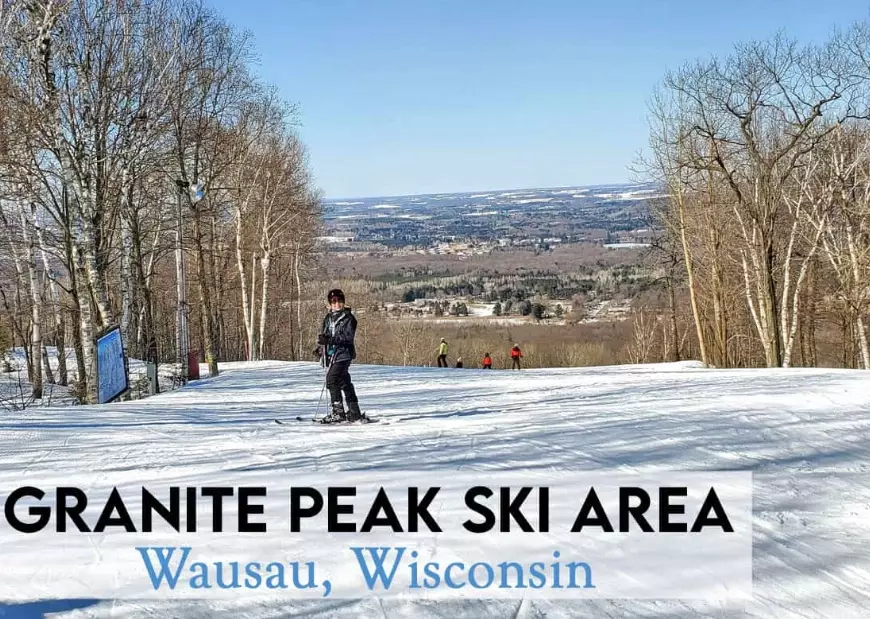
We're going to dig into everything. Not just the stats—though we'll cover those—but the feel of the place. The terrain that'll make you grin, the runs that might make you pause, and the secret spots where you can find a bit of peace even on a busy Saturday. We'll talk snow, because let's be honest, that's the make-or-break factor for any Granite Peak skiing experience. We'll look at who this mountain is really for (spoiler: it's not just experts), and we'll get into the nitty-gritty of tickets, where to stay, what to eat, and how to make your trip smooth from start to finish.
My first time at Granite Peak was a revelation. Coming from smaller hills, I wasn't prepared for the sustained pitch of some of those front-side blues. I also remember being shocked by how fast the chairlifts were—a welcome surprise that meant more runs per day. But I also learned the hard way about parking on a holiday weekend. We'll get to that.
What Exactly is Granite Peak? The Core Facts
Granite Peak lives in Rib Mountain State Park, right outside Wausau, Wisconsin. That's an important detail. It's not some privately developed resort village; it's built on a state park, which brings a certain feel and also some specific rules. The mountain itself is a legitimately big bump for the flatlands. The official vertical drop is 700 feet, which is confirmed by the U.S. Forest Service data on regional topography, making it the biggest in Wisconsin and one of the top in the Midwest.
The resort has grown a ton over the years. They've added high-speed lifts, expanded terrain, and built up the snowmaking system until it blankets something like 98% of the mountain. That last part is key for reliable Granite Peak skiing. When natural snow is shy, which happens, their guns can crank out a solid base.
Stats at a glance:
- Vertical Drop: 700 ft
- Skiable Area: 225 acres
- Trails: 74 named runs
- Lifts: 7 total, including 4 high-speed quads
- Snowmaking: 98% coverage
- Terrain Mix: 20% Beginner, 60% Intermediate, 20% Expert
But numbers only tell part of the story. The real question is: what's the skiing actually like?
The Granite Peak Skiing Experience: Terrain for Every Mood
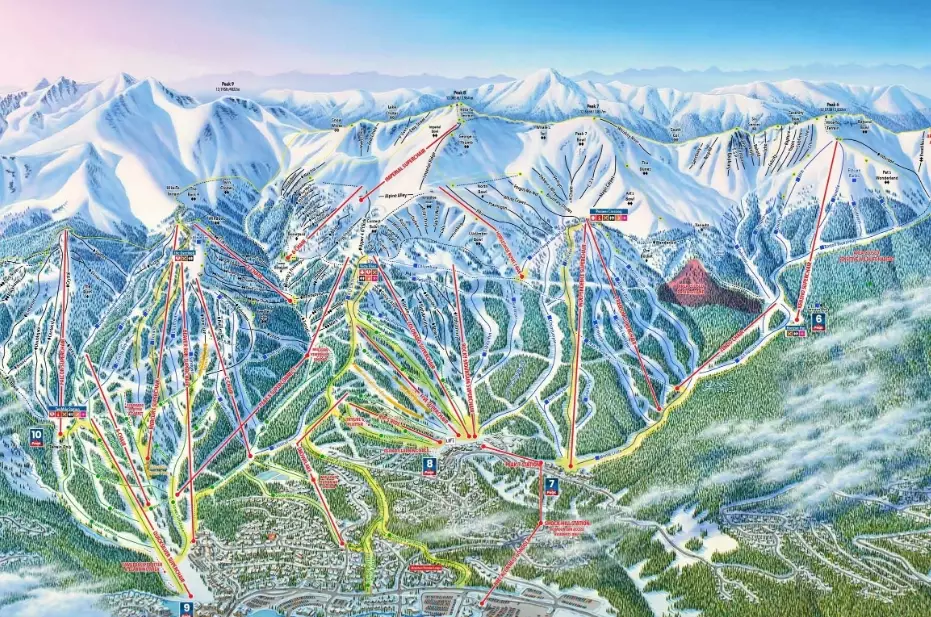
This is where the mountain shines. They've laid out the terrain in a way that makes sense. Beginners have their own dedicated, gentle area at the very bottom (the Blizzard and Hurricane areas), completely separated from faster traffic. It's a safe, stress-free zone to learn.
Intermediates are in heaven. Seriously, if you're comfortable linking turns on a blue run, Granite Peak is your playground. The front face, served by the high-speed Blitzen and Donner chairs, is a vast network of wide, groomed cruisers. Runs like "Upper and Lower St. Paul" or "Northwoods" go on forever, letting you carve big, fast turns. The snowmaking ensures these are usually in good shape. It's the kind of terrain where you can just point your skis and fly, feeling like a hero.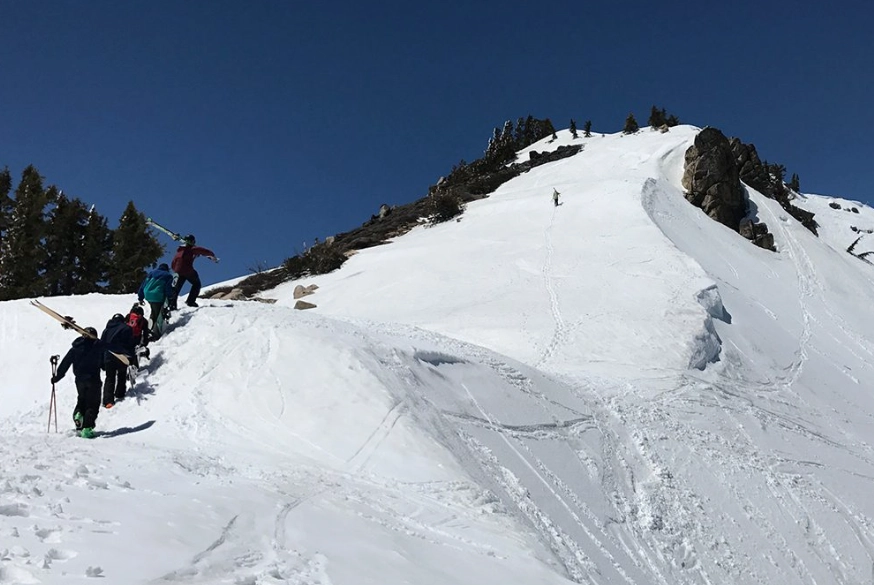
Local's Tip: For the best-groomed corduroy on a weekend morning, head to the "Rudolph" high-speed quad on the looker's right of the base area. It tends to draw slightly fewer crowds than the main front-side lifts early on, and services a fantastic mix of blue and black terrain.
Now, the expert stuff. Granite Peak has a reputation, and it's mostly earned on the backside and the extreme looker's left terrain (off the "Northwoods" quad). This isn't just "hard blues labeled as blacks." There are legitimately steep, narrow chutes, gladed areas, and bump runs. The backside, in particular, feels like a different mountain. It's darker, the snow can be deeper or icier, and the pitches are serious. Runs like "The Plunge" or the trees in "The Cliffs" area demand respect. I've had some of my best and most challenging days back there. But a word of caution: when they say a run is double-black diamond, like "Extreme," they mean it. The coverage can be variable, and it's often littered with natural obstacles. Don't venture in unless you're confident.
Breaking Down the Difficulty: Where Should You Ski?
To make it super clear, here's a quick breakdown of where to find your perfect run:
| Skill Level | Best Lift to Start | Signature Runs to Try | Terrain Feel |
|---|---|---|---|
| First-Timer / Beginner | Blizzard Chair (Magic Carpet area) | Easy Street, Learning Curve | Separated, flat area. Zero pressure from other skiers. |
| Confident Beginner / Low Intermediate | Hurricane Triple Chair | Tyrol, Zephyr | Gentle, wide slopes. Perfect for practicing turns. |
| Intermediate Cruiser | Blitzen High-Speed Quad | Upper/Lower St. Paul, Milky Way | The heart of the mountain. Fast, fun, and groomed to perfection. |
| Advanced Intermediate | Donner High-Speed Quad | Northwoods, Gunbarrel | Steeper blues and easier blacks. Great for pushing your limits. |
| Expert | Northwoods Triple Chair | The Plunge, The Chutes (glades) | Steep, technical, often ungroomed. Natural snow conditions rule. |
| Expert / Seeking Extreme | Hike-to terrain from Northwoods | Extreme, The Cliffs | Granite Peak's most challenging terrain. Rocks, trees, serious consequences. |
The Million Dollar Question: How's the Snow?
You can't talk about Granite Peak skiing without being brutally honest about snow. This is the Midwest, not the Rockies. The average annual snowfall is around 70 inches, which is decent but not deep. The secret weapon, and the reason the season is reliably long (often late November to early April), is snowmaking. It's a monster system. On a cold night, they can bury the main runs.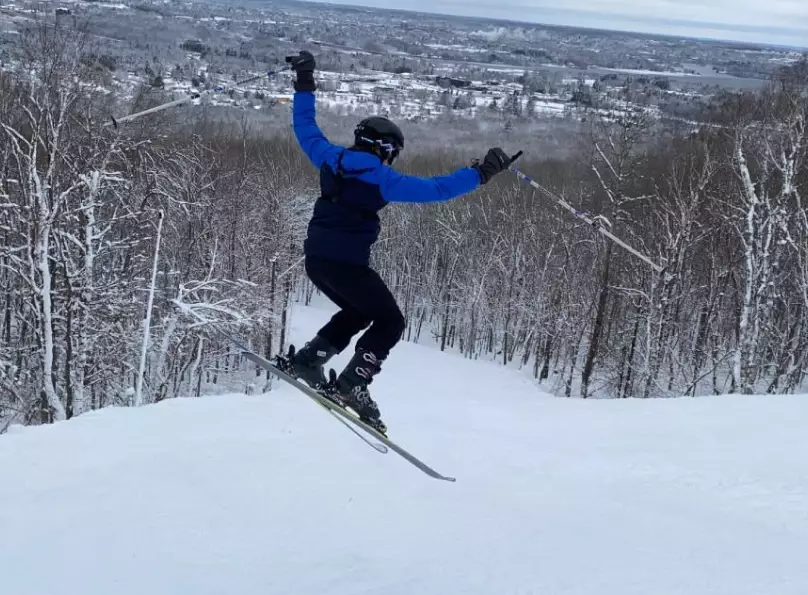
What does this mean for you?
- Early/Late Season: Groomed surfaces on main runs are typically very good, even man-made. Don't expect powder, expect firm, fast corduroy.
- Mid-Season (Jan-Feb): This is your best bet for natural snow. The backside and glades hold it better. Check their website's snow report religiously—it's usually accurate. The Snow-Forecast models for the Wausau region can also give a decent 6-day outlook.
- Icy Conditions: They happen, especially after a warm spell or on heavily trafficked runs in the afternoon. Morning is almost always the best time for conditions at Granite Peak.
My personal barometer? If they've had a recent 4+ inch natural snowfall, the Granite Peak skiing experience transforms. The whole mountain softens up, the trees become fun, and the vibe is incredible. If it's been a dry stretch, you're skiing on expertly groomed machine-made snow, which is still a blast for carving but has a different feel.
Heads Up: The expert terrain on the far looker's left (The Cliffs) and the very top of the backside relies almost entirely on natural snow. If the natural base is thin, these areas will be closed or extremely rocky. Always check the trail report before planning to hit these zones.
Who Is Granite Peak REALLY For?
This is a crucial question families and groups need to ask. Is it just an expert's hill?
Not at all. In fact, I'd argue it's one of the best family mountains in the Midwest for mixed-ability groups. Here's why:
- Beginners have that safe, dedicated area. The ski school is well-regarded.
- Intermediates have an endless supply of fantastic terrain. They won't get bored in a weekend, or even a week.
- Experts have enough truly challenging terrain to keep them entertained for a couple of days, especially if the snow is good.
- The layout lets different skill levels take lifts that converge at similar points, making it easy to meet up for lunch.
Where it might not be the best fit? A group of pure beginners looking for the cheapest possible lift ticket. There are smaller, cheaper hills for that. And for experts seeking vast, backcountry-style bowls, you'll need to look out West. But for what it is—a major, full-featured Midwest resort—it balances these needs better than almost any other.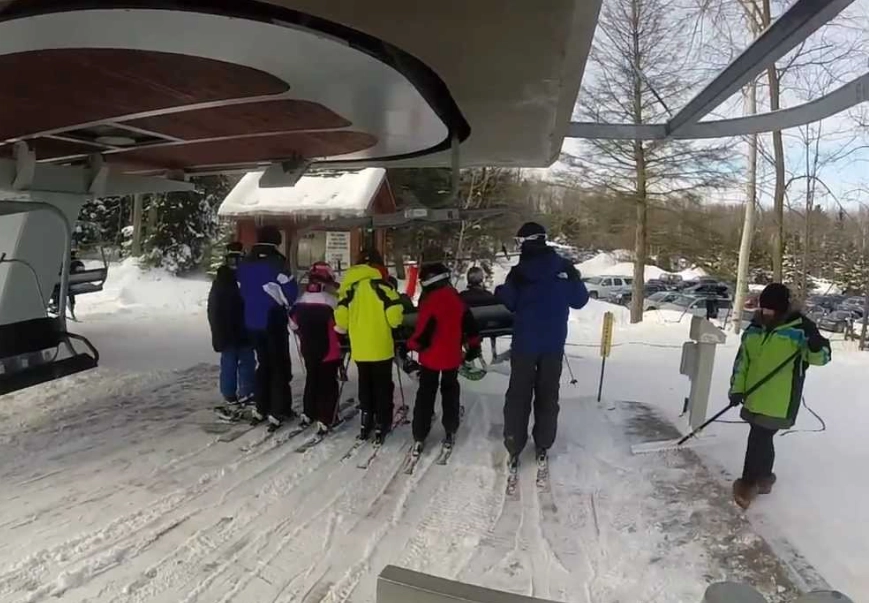
The Practical Stuff: Planning Your Granite Peak Ski Trip
Alright, let's get down to brass tacks. You're convinced. How do you make it happen without headaches?
Getting There and Parking
Granite Peak is just off Highway 51 near Wausau. From the Twin Cities, it's about 2.5 hours. From Chicago, plan for 4.5 to 5 hours. Parking is free, which is a huge plus. The main lot fills up by 10 AM on peak Saturdays. If you arrive late, you'll be in the auxiliary lots, which means a longer walk or a wait for the shuttle bus. My rule? Aim to be in the lot by 9 AM on a weekend day. It makes the whole day smoother.
Lift Tickets: How to Not Go Broke
Walk-up window rates are… steep. But nobody pays those. Here are the real ways to save:
- Buy Online, In Advance: This is the #1 rule. Purchasing tickets at least 48 hours ahead on their website typically saves you 20-30%.
- Midweek Magic: Tickets are significantly cheaper Monday through Friday (non-holiday). If you can swing it, this is the ultimate hack for cheaper, crowd-free Granite Peak skiing.
- Season Passes & Memberships: If you'll visit more than 4-5 days, look at the season pass. They also have reciprocal deals with some other Midwest hills.
- Check for Promos: They often run "Bring a Friend" discounts for pass holders or early-season sales.
Pro Planning Move: Book your lift tickets before you book lodging. Ticket availability isn't usually an issue, but locking in the discounted rate first defines your budget. Then scour lodging sites.
Where to Stay: On-Slope vs. Wausau
There is no true ski-in/ski-out lodging at the base. The closest you get are a few condo complexes a very short drive or shuttle ride away (like Rib Mountain State Park condos). They're convenient but book up fast and can be pricey.
Most people stay in Wausau, a 10-15 minute drive away. You'll find every chain hotel you can think of (Hilton, Holiday Inn, Hampton Inn) at much more reasonable rates. The upside? More dining options, maybe a pool for the kids, and easier access to groceries. The downside? You have to drive in each morning. The shuttle service from major Wausau hotels is spotty, so check with your specific hotel.
I've done both. Staying close is luxurious for a midday break. Staying in town is easier on the wallet. For a first trip, Wausau is a perfectly good base camp. The Travel Wisconsin website has a comprehensive list of accommodations in the Wausau area to start your search.
Food and Drink: On the Mountain and Off
The base lodge food is standard ski cafeteria fare—burgers, pizza, fries. It's fine, it's fuel. It's also expensive and the lines at peak lunch (12:30-1:30) are long. The Summit Chalet at the top of the Blitzen lift has similar food but with an awesome view.
My strategies:
- Pack a Lunch: The base lodge has a designated (and heated!) bag lunch area. Bringing your own sandwiches is the single biggest money-saver you can execute on a ski day.
- Eat Off-Peak: Have a big breakfast, ski hard, then eat lunch at 11:30 AM or 2 PM. You'll miss the chaos.
- Après-Ski in Wausau: Don't eat dinner at the mountain. Head into Wausau. The downtown has some great spots. I'm fond of the burgers at Politos (just a local's opinion) and the atmosphere at some of the breweries like Bull Falls Brewery.
Beyond the Downhill: Other Things to Know
Granite Peak is mostly about alpine skiing and riding, but they do have a small terrain park with features for different levels. It's well-maintained but not the focus of the mountain.
Rentals are available right in the base lodge. If you're a beginner renting for multiple days, it might be worth checking prices at a ski shop in Wausau first—sometimes they have multi-day deals. For performance skis, the on-mountain demo shop is actually quite good.
The ski school has a solid reputation, especially for kids. If you're an adult looking to break out of the beginner zone, a half-day lesson can be a game-changer for learning to tackle Granite Peak's blue terrain confidently.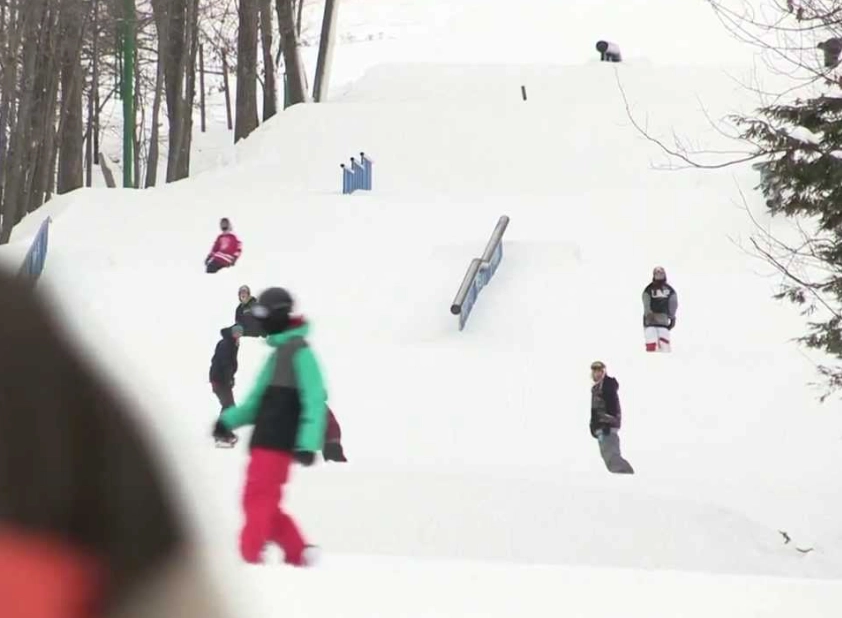
Common Granite Peak Skiing Questions (The Stuff You Actually Google)
The Final Run: Is Granite Peak Worth It?
Here's my honest take. If you're within a 5-hour drive and you're looking for a serious, full-day skiing experience without flying out west, Granite Peak is the best option in the region. The combination of scale, modern lifts, and varied terrain is unmatched in the Midwest.
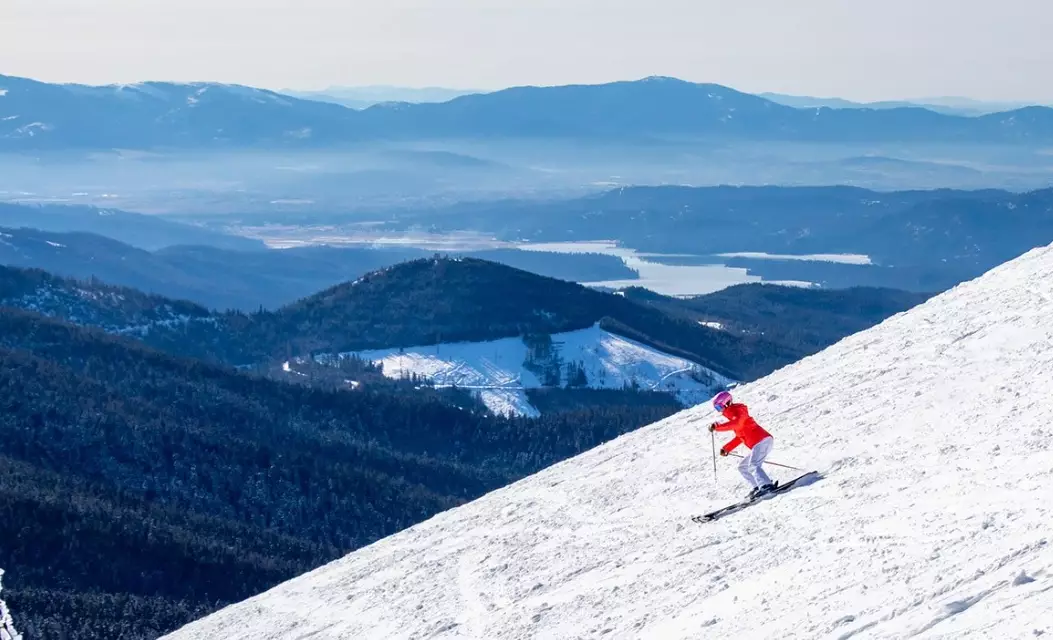
It has its flaws. It can get crowded. The food is expensive. The snow is sometimes hardpack. But the feeling of standing at the top of a long run, looking out over the Wisconsin countryside, and knowing you have 700 feet of fun ahead of you… that's hard to beat around here.
Granite Peak skiing isn't just a trip to a hill. For many of us, it's the destination. And with a little planning, it can be an absolutely fantastic one. See you on the slopes.
Related Articles

Comments
Join the discussion