Let's cut straight to the chase. You're thinking about skiing in Hakuba, Japan. You've seen the photos of endless powder, the iconic Olympic runs, and the promise of a unique cultural experience. But the logistics seem fuzzy. Which of the ten ski areas do you choose? Where should you stay to avoid a transportation nightmare? How do you actually get there from Tokyo?
I've been going to Hakuba for over a decade, guiding friends, making every mistake in the book, and learning the hard way so you don't have to. This isn't a fluffy brochure. It's a practical, step-by-step manual to planning a Hakuba ski trip that actually works, based on what skiers and snowboarders really need to know before they book.
What You'll Find in This Guide
How to Pick Your Mountain (It's Not Just Happo-One)
Everyone knows Happo-One. It hosted the '98 Olympics, it's massive, and it's the first name you hear. But picking Hakuba's best ski area is like choosing a tool—you need the right one for the job. Your skill level, what you want to ski, and the vibe you're after should decide.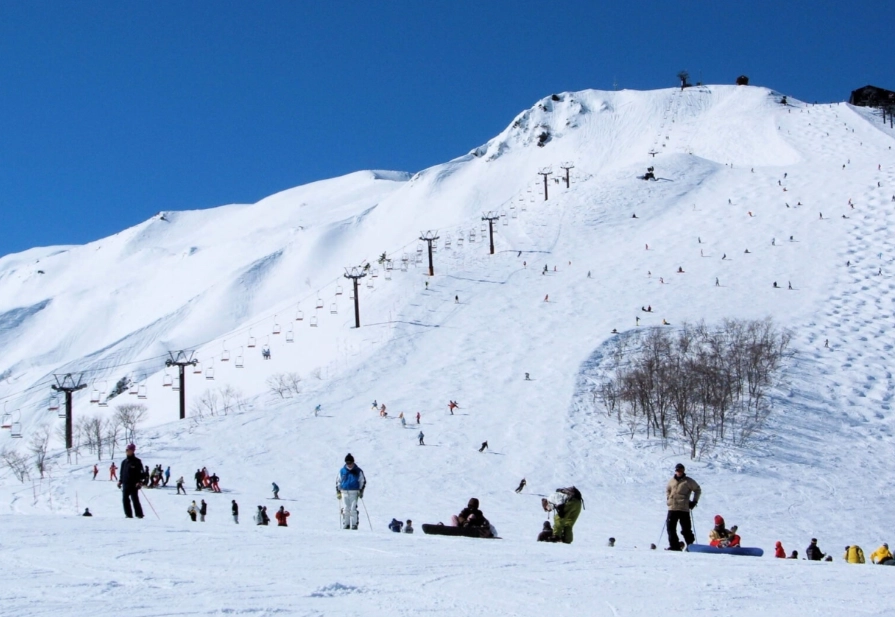
The Contenders: A Breakdown
| Ski Area | Best For | Terrain Vibe | Key Note |
|---|---|---|---|
| Happo-One | Advanced intermediates, experts, Olympic history, long groomers, challenging off-piste. | Big, steep, and sprawling. Can feel crowded at the base. | The iconic view of the Japanese Alps is unbeatable. The beginner area is just okay. |
| Hakuba Goryu & 47 | Families, park rats, reliable snow, tree skiing (with a guide). | Two interconnected resorts. Goryu has great beginner/intermediate slopes. 47 has a fantastic terrain park. | One of the most snow-sure areas. The "Snow Diving" off-piste zone at 47 is legendary when open. |
| Hakuba Iwatake | Beginners, intermediates, cruisers, panoramic views, relaxed pace. | Wide-open top section (Panorama Park) perfect for learning. Fun, rolling cruisers. | My top pick for first-timers. Less crowded, less pressure, more fun. |
| Tsugaike Kogen | Beginners, long gentle runs, experts seeking backcountry gates. | Possibly the longest beginner run in Japan. Massive, gentle slope. | The gateway to serious backcountry. Hire a guide if you go through the gates. |
| Cortina & Norikura | Powder hounds, tree skiing, deep snow days. | North-facing bowls that collect insane amounts of snow. Less grooming, more natural. | Furthest from the main villages. You'll likely need a car or shuttle. Worth it on a powder day. |
My advice? Don't lock yourself into one resort. The Hakuba Valley lift ticket system lets you hop between most of them. Base yourself near Happo, Echoland, or Wadano, and you can easily sample Happo, Iwatake, and Goryu/47 using the shuttles.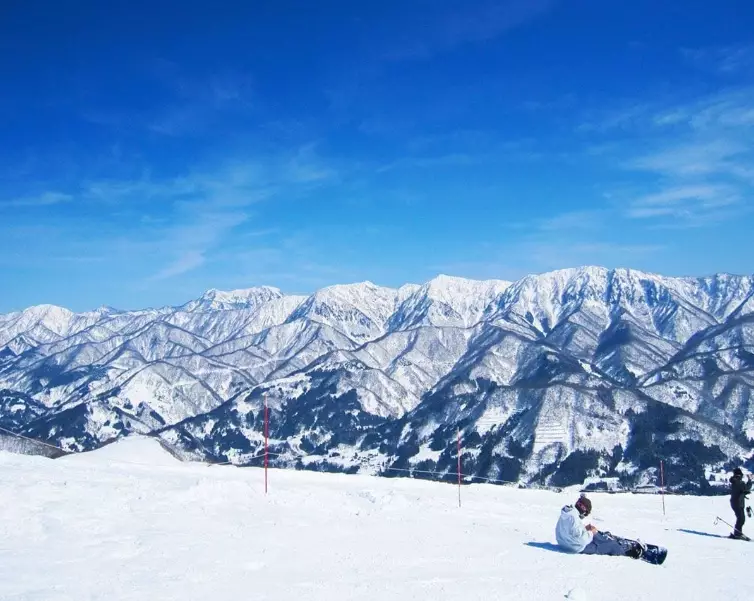
One Common Mistake: Advanced skiers sometimes dismiss Iwatake as "too easy." That's a mistake. On a sunny day, lapping the rolling blue and red runs with that 360-degree alpine view is pure joy. It's the perfect place for a leg-burning cruiser day or to warm up after a storm.
How to Get to Hakuba Without the Headache
The journey is part of the adventure, but it shouldn't be stressful. You have three main options from Tokyo, each with a different balance of cost, speed, and hassle.
The Express Bus (The Budget Winner): This is how I went for years. Companies like Alpico run direct buses from Shinjuku Station to Hakuba Happo Bus Terminal. It takes about 4.5 to 5.5 hours, costs around ¥6,000-¥8,000 one way, and you can often get overnight buses. Book online early, especially for peak dates. Pro: You sleep, wake up in the mountains. Con: Traffic can add time.
The Bullet Train + Local Train (The Speed Demon): Take the Hokuriku Shinkansen from Tokyo or Ueno Station to Nagano Station (about 80-100 minutes). From there, switch to a local bus or the limited express train to Hakuba (another 60-70 minutes). Total travel time can be under 3 hours, but the cost is higher (¥15,000+ one way). The Japan Rail Pass covers the Shinkansen part if you have one.
Renting a Car (The Freedom Option): Ideal for groups, families, or anyone wanting to chase snow to Cortina. Rent from Narita, Haneda, or in Tokyo. The drive is about 4-5 hours via the Joshin-etsu Expressway. You'll need an International Driving Permit. Factor in tolls (roughly ¥6,000), gas, and snow tire requirements. Parking at your lodging is a must-ask question.
For first-timers, I usually recommend the express bus. It's direct, you don't have to navigate transfers with luggage, and it's easy.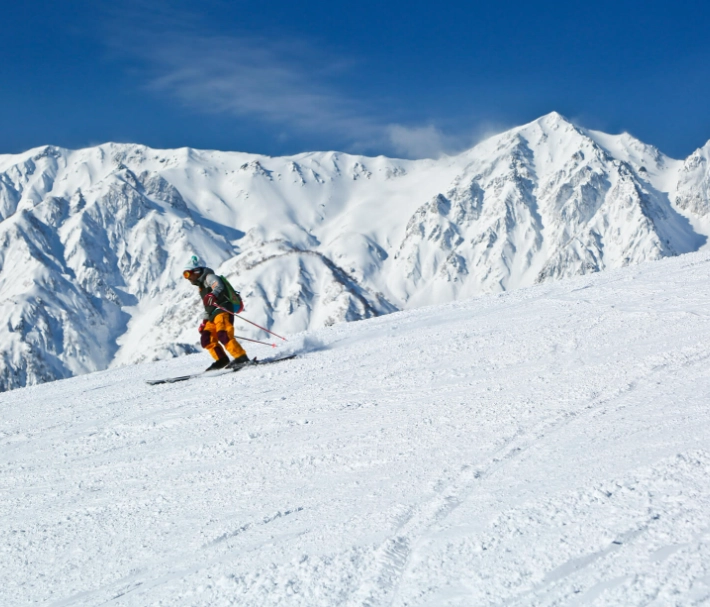
Where to Sleep: Hotels, Hostels, and Secret Gems
Location is everything in Hakuba. Your choice dictates your daily commute, your dinner options, and your overall vibe.
Happo Village / Wadano: The epicenter. Ski-in/ski-out to Happo-One is possible here. Loads of hotels, from luxury like the Hakuba Tokyu Hotel to mid-range pensions. You're close to the Happo bus terminal and a short walk from the Echoland restaurant district. Can feel a bit busy.
Echoland: Not a ski area, but the dining and nightlife hub. Fewer ski-in/ski-out options, but you'll find great value guesthouses and lodges. The Hakuba Powder Lodge is an institution for a reason—great vibe, knowledgeable staff. You'll rely on the shuttle bus to get to the slopes (a 5-10 minute ride). Perfect if your priority is food and socializing.
Goryu/47 Area (Hakuba Station side): Quieter, more local feel. Excellent if you plan to focus on Goryu and 47. Accommodation like Hotel Monte Rosa offers direct access. The trade-off is you're further from the buzz of Happo/Echoland.
The Budget Secret: Look at smaller pensions and family-run minshuku in the quieter zones between villages. They often include breakfast and dinner (half-board), which saves money and hassle. You might need a bike or rely on shuttles, but the hospitality and home-cooked meals are worth it.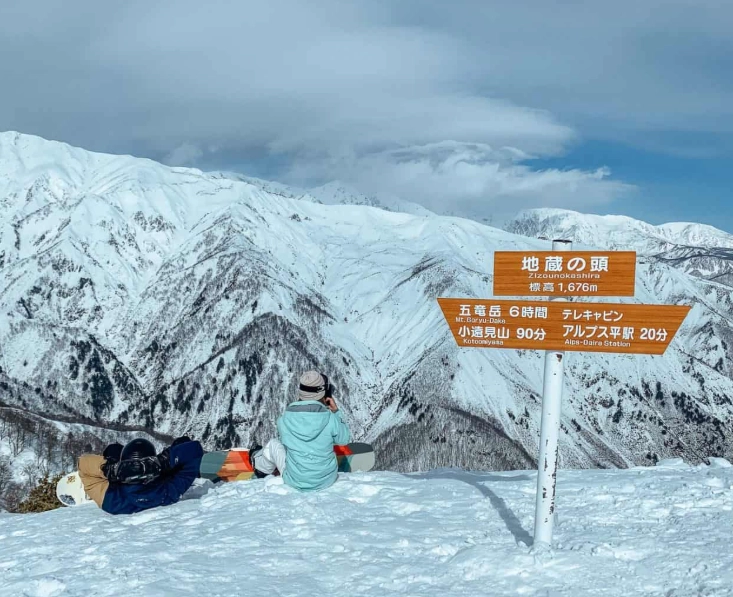
Off the Slopes: Food, Culture, and Recovery
You don't come to Japan just to ski.
Fueling Up: Breakfast at Hakuba Bakery in Wadano is a ritual. For lunch on the mountain, skip the crowded main lodges. At Happo, the Usagidono restaurant at the top of the Alpen Quad has killer curry and views. In Echoland, Tequila's does massive, delicious burritos that hit the spot. For dinner, you must book ahead in peak season. Izakaya Roku in Echoland for authentic small plates, or Miyoshi no Sushi near the station for incredible, fresh sushi without Tokyo prices.
Soak Those Muscles: An onsen (hot spring) is non-negotiable. Many hotels have their own. For a public experience, Hakuba Ohya-no-yu near Happo is fantastic and affordable. Remember the rules: wash thoroughly before entering, no swimsuits, and keep towels out of the water.
A Non-Ski Day: Take the bus to Nagano City to see the famous snow monkeys at Jigokudani Monkey Park (they're there year-round). Or, visit the historic Zenko-ji Temple. In Hakuba itself, snowshoeing or a visit to the Hakuba Jump Arena (the Olympic ski jump) is fascinating.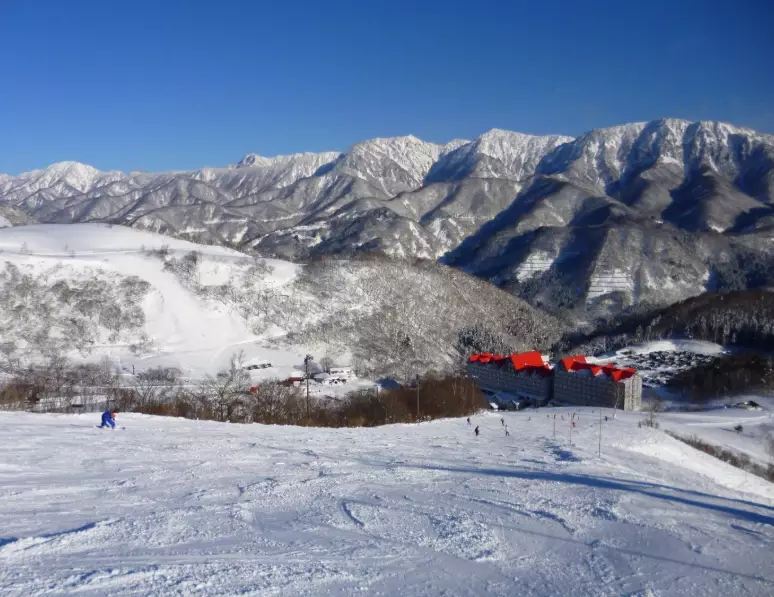
Local's Corner: Powder Stashes and Money-Saving Hacks
Here's where that decade of experience pays off.
The Powder Day Protocol: If it dumps overnight, your first move isn't to Happo. The lines will be epic. Head to Goryu/47 or Iwatake. They open similar terrain but often have shorter queues. By late morning, consider the shuttle to Cortina—it holds snow phenomenally. Always ski with a partner in deep snow and know your avalanche basics.
Renting Gear: Don't rent at the mountain base. Prices are higher. Rent from a village shop like Rhythm Japan in Wadano or Spicy Sports in Echoland. You can often book online for a discount, pick up the night before, and they usually have higher-performance demo skis/boards available.
The Lift Ticket Hack: As mentioned, buy online in advance. But also: if you're with a group of 4 or more, check for group discounts. If you're skiing 5+ days, sometimes two 3-day passes are cheaper than a 6-day pass. Do the math.
The Crowd Dodge: Japanese holidays (New Year, early Jan, Golden Week in late April/early May) are incredibly busy. If you can, aim for mid-January to late February, or March for quieter slopes and sun.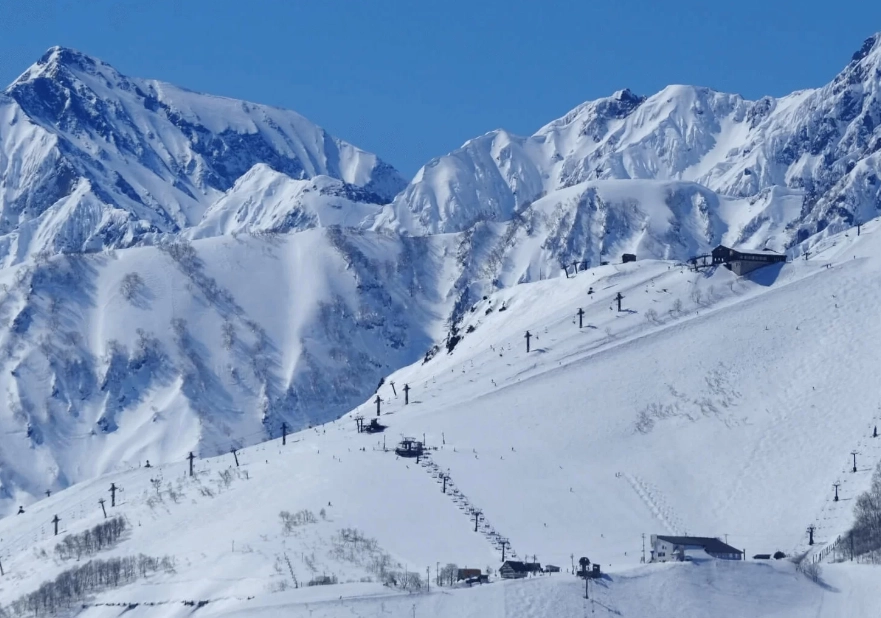
Quick Answers to Your Burning Questions
That's the blueprint. Hakuba is a special place—a unique blend of world-class skiing and genuine Japanese mountain culture. With a little planning using this guide, you can focus on what matters: making turns in that famous Japanese powder and soaking in the onsens after. See you on the hill.
Related Articles

Comments
Join the discussion