What You'll Find
Let's be honest, your first time on skis can feel like you're trying to stand on two wet noodles while being gently pushed down a hill. I remember my own debut – a comedy of errors that involved more time sitting in the snow than actually sliding on it. The wrong resort can turn that exciting first trip into a frustrating, expensive lesson in gravity. But get it right, and you're hooked for life.
The secret isn't just finding a place with snow. It's about finding a place built for beginners. A spot where the vibe is patient, the green runs are genuinely gentle (not just labeled that way to fill a map), and the whole experience is set up to help you succeed, not scare you off the mountain forever.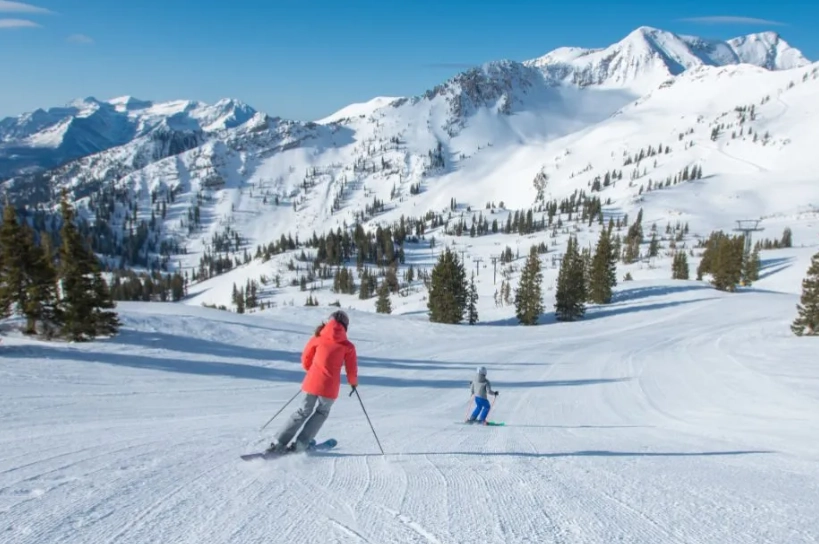
That's what this is all about. We're digging into the best beginner skiing resorts across North America and Europe, the ones that get it right. We'll talk about why certain places stand out, what to look for beyond the brochure, and answer all those nagging questions you have before booking. No fluff, just the straight talk you need to plan a trip you'll actually enjoy.
What Makes a Ski Resort "Beginner-Friendly" Anyway?
It's more than just having a few green circles on the trail map. A lot of resorts claim to be good for newbies, but their "beginner area" is a steep, icy patch next to a busy high-speed lift. Not ideal.
After dragging various reluctant friends and family members to the slopes over the years, I've nailed down what truly separates the great ski resorts for beginners from the merely okay ones.
First, look at the terrain breakdown. A resort that dedicates a significant percentage of its runs to beginners is making a statement. We're talking 25% or more as green runs. But it's not just quantity. The quality of those runs matters immensely. Long, wide, consistently gentle slopes that let you practice turns without a sudden steep drop-off are gold. Some places even have dedicated beginner mountains or areas completely separated from expert terrain, which is a huge win for confidence.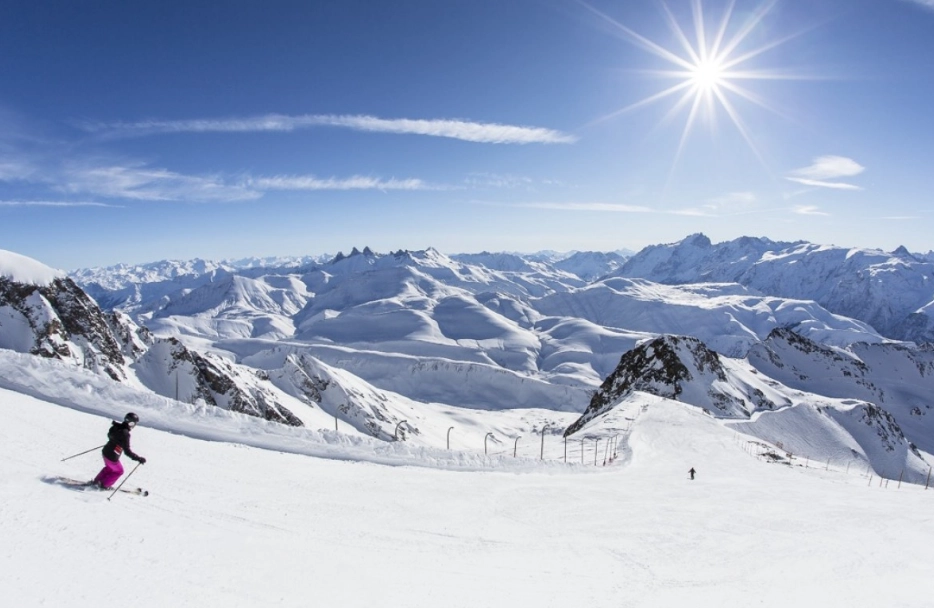
Then there's the ski school. This is non-negotiable. Even if you think you can YouTube your way to proficiency, a good instructor accelerates learning and, more importantly, teaches you how to fall safely and use the lifts. Look for schools with a strong reputation and instructors certified by bodies like the Professional Ski Instructors of America & American Association of Snowboard Instructors (PSIA-AASI). A good beginner resort invests in its teaching staff.
The overall atmosphere is huge. Is the base area chaotic and intimidating, or is it welcoming and easy to navigate? Are the lifties patient with fumbling newcomers? Is there a good mix of affordable, casual food options? A resort that feels like a pressure cooker is a bad fit. You want a place that feels like it's okay to be a beginner.
Finally, think about convenience. How far is the parking lot from the beginner lift? Are rentals on-site or a shuttle ride away? Can you ski right back to your lodging? These logistical hassles add up and drain the fun when you're already dealing with sore muscles and new equipment.
How to Choose Your First Ski Resort: A Quick Checklist
Before we dive into specific names, run your potential pick through this list. It'll save you headaches.
- Terrain: At least 20-25% green runs. Look for a dedicated beginner area or a separate, gentle learning hill.
- Ski School: Well-reviewed, with group and private lesson options. Check for first-timer specials (often called "Discover" or "Never Ever" packages) that bundle lift, lesson, and rentals.
- Lifts: Beginner areas should be served by slow, easy-to-load lifts like magic carpets, rope tows, or fixed-grip chairlifts. Avoid high-speed quads in the learning zone—they're intimidating and you don't need the speed.
- Village/Lodge Layout: Is it compact and easy to get around? Can you walk to lifts, food, and rentals?
- Cost: Beginner packages are key. Also look at non-skiing costs—are there affordable food and lodging options?
- Who You're With: Traveling with kids? Family-focused amenities are a must. With a group of other newbies? Look for a fun apres-ski scene. Solo? A resort with a strong social scene in its ski school groups might be perfect.

Top Picks for the Best Beginner Skiing Resorts
Alright, let's get to the good stuff. These are my top recommendations, broken down by region. I'm including a mix of famous names and hidden gems, because sometimes the best spot isn't the one with the biggest marketing budget.
North America's Finest for New Skiers
The US and Canada have some absolutely stellar options. The infrastructure is generally top-notch, and English is the primary language, which can ease first-trip anxieties.
Breckenridge, Colorado often tops lists of the best beginner skiing resorts, and for good reason. Peak 9 is basically a beginner's paradise. The slopes here are wide, impeccably groomed, and have a very consistent pitch. You can actually make turns and build confidence. The Breckenridge Ski & Ride School is massive and well-run, with great instructors for all ages. The town itself is a huge plus—it's a real, historic mining town with tons of character, not just a fabricated resort village. You can walk everywhere, and the atmosphere is lively but not rowdy.
My one gripe? It's popular. Peak 9 can get crowded on weekends. Go mid-week if you can.
Whistler Blackcomb, British Columbia might seem intimidating due to its sheer size and expert reputation, but hear me out. Its beginner terrain is fantastic and plentiful. The dedicated learning areas at both the Whistler and Blackcomb bases are superb, with gentle magic carpet zones that progress to long, easy green runs like the "Olympic Run" on Blackcomb. The ski school is world-class. The village is a pedestrian-friendly dream with endless food and lodging options. For a first-timer who also wants that iconic, full-resort experience, it's hard to beat. Just be prepared for potential weather (it can be wet) and higher prices.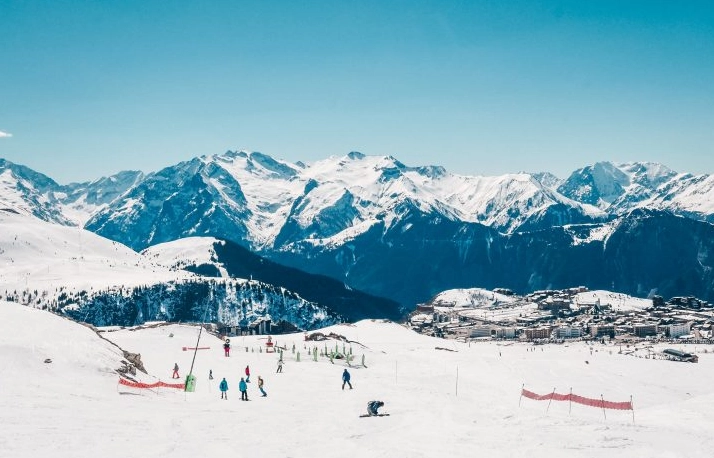
Park City Mountain Resort, Utah claims to have the most skiable acreage in the US, and a huge chunk of that is beginner-friendly. The First Time and 3 Kings lifts service a massive, gentle, south-facing slope that's perfect for learning. The resort has invested heavily in its beginner experience. Plus, you can ski right into the historic (and seriously charming) town of Park City for lunch. The Park City Ski & Snowboard School is excellent. The downside is that it can feel a bit sprawling, and the interconnect with Canyons Resort adds more terrain than a beginner will touch.
Let's talk about a smaller gem: Keystone Resort, Colorado. While its front-side runs can get busy, the secret weapon for beginners is Dercum Mountain. You access it via a gondola from the base (a relaxing, scenic ride), and you find yourself in a vast, high-alpine bowl that's almost entirely green and blue terrain. It's called the "Discovery Learning Area," and it feels like a world built just for you. The views are stunning, the runs are forgiving, and it lacks the frantic energy of some base areas. Their kids' program is also legendary, making it one of the absolute best beginner skiing resorts for families.
| Resort | Best Beginner Area | Ski School Highlight | Vibe & Notes |
|---|---|---|---|
| Breckenridge, CO | Peak 9 | Massive, well-organized school; great "Never Ever" packages. | Authentic historic town. Can be crowded. |
| Whistler, BC | Whistler & Blackcomb Base Learning Zones | World-class instructors; excellent group lesson progression. | Full-service, iconic village. Higher cost, variable weather. |
| Park City, UT | First Time & 3 Kings Lift Area | Strong reputation; good for adults and kids. | Ski-in/ski-out to a real town. Resort feels very large. |
| Keystone, CO | Dercum Mountain (Discovery Area) | Top-tier family programs; dedicated learning terrain. | Secluded, high-alpine beginner zone. Very family-focused. |
Europe's Gentle Giants: Charm and Wide Slopes
European resorts offer a different flavor—often more integrated into villages, with a different pace and culture. They can be phenomenal for beginners, especially if you value long, scenic cruisers.
Les Deux Alpes, France has a unique and brilliant feature for novices: Europe's largest skiable glacier. The beginner area is up at 3200 meters on the glacier, meaning guaranteed snow and wide-open, gentle slopes with incredible views. You take a gondola up, learn in a stable, high-altitude environment, and then progress down the mountain. It's a unique and confidence-inspiring setup. The village is functional rather than quaint, but it has everything you need.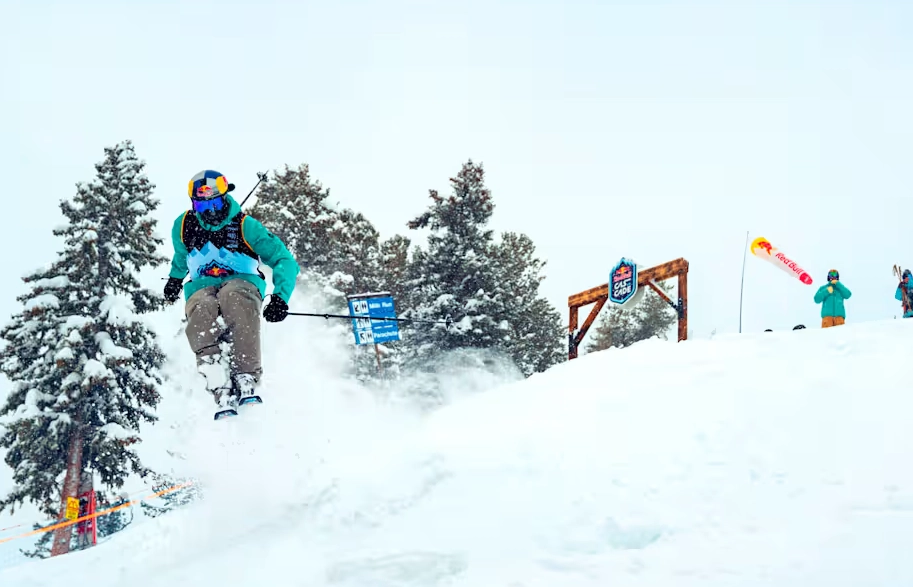
Cervinia, Italy (linked with Zermatt, Switzerland) is famous for its long, gentle blues and sun-drenched slopes. The plateau area around the resort is perfect for beginners, offering miles of easy, wide cruising with minimal steep sections. The Italian side of the Alps tends to be a bit sunnier and more relaxed than some northern counterparts. The food, of course, is a massive bonus. It feels less intense than some of the mega-resorts in France.
For a more intimate, storybook experience, consider Söll, Austria, part of the massive SkiWelt area. Söll itself is a classic Tyrolean village with a fantastic, gentle home mountain called the "Hohe Salve." The beginner lifts are right in the village, and you can progress to long, easy runs that connect to other villages. The apres-ski is fun but not overwhelming. It's a great place to get a true Austrian ski holiday experience without feeling out of your depth. The ski schools here are excellent and very welcoming.
Beyond the Slopes: What First-Timers Often Forget
Choosing the right resort is 70% of the battle. The other 30% is the stuff you don't think about until you're there, shivering in the wrong clothes.
Rentals Matter: Don't just get the cheapest package. Go to a reputable shop, either on-mountain or a well-reviewed local shop in town. Tell them you're a first-timer. Good shops will set you up with modern, forgiving skis that are easier to turn and comfortable boots. Ill-fitting boots are the number one cause of a miserable day. Seriously, this is worth spending a little extra on.
Clothing is Not Optional: You don't need a $1000 outfit, but you need the right layers. Cotton kills—it gets wet and stays wet. Wear synthetic or wool base layers, an insulating mid-layer (fleece), and a waterproof/windproof jacket and pants. Don't forget gloves, a neck gaiter, and goggles (sunglasses are okay on perfect days, but goggles are better).
Altitude Sickness is Real: Many of the best beginner skiing resorts are at high elevation. Drink absurd amounts of water—way more than you think you need. Go easy on alcohol the first day or two. Listen to your body; headache and nausea can be signs of altitude issues.
Travel Insurance: Especially if you're traveling internationally or have a non-refundable trip, consider insurance that covers ski injuries. Medical evacuation from a mountain is astronomically expensive.
Your Beginner Ski Resort Questions, Answered (FAQ)
Let's tackle some of the specific things people Google when they're planning.
What is the best month for a beginner to go skiing?
Late January through March is usually the sweet spot. The holidays (December/Christmas) are crowded and expensive. Early January can be recovering from the holiday rush. By late January, snow bases are deep, days are getting longer, and crowds have thinned. March offers longer, sunnier days—often called "spring skiing"—which can be more pleasant for learning. Avoid early season (November/early December) as snow cover can be thin and unreliable.
Are these best beginner skiing resorts also good for families?
Absolutely. In fact, most of them are exceptional for families. Resorts like Keystone, Breckenridge, and Park City have renowned kids' ski schools, family-friendly lodging, and activities beyond skiing. Look for resorts with features like magic carpets (conveyor belt lifts), dedicated children's learning areas, and easy, slow lifts.
I'm an adult learning to ski. Is it too late?
Not at all. It's never too late. In fact, adult beginners are incredibly common. The key is taking a lesson (don't let a significant other "teach" you—it often ends in arguments) and choosing one of the best beginner skiing resorts we've talked about. A good resort for adults will have patient instructors who specialize in teaching adults, and a social apres-ski scene where you can laugh about your falls with other newbies.
How many days of skiing do I need as a beginner?
I'd recommend a minimum of three full days on the snow. Day one is for absolute basics and is exhausting. Day two, things start to click as muscles remember. Day three is often where the fun really begins and you feel like you're actually skiing. A long weekend (3-4 days) is a perfect first trip length.
Can I save money as a beginner skier?
Yes, in smart ways. Always book a beginner package (lift ticket, lesson, rentals). It's almost always cheaper than buying separately. Look for mid-week deals. Consider smaller, independent resorts near the big names—they often have great terrain and lower prices. Pack your own lunch or snacks. And maybe skip the fancy slope-side hotel for a condo a short shuttle ride away.
So, there you have it. A no-nonsense guide to finding your perfect starting point on the snow. It's not about finding the most famous mountain, but the most forgiving one. The one that lets you learn at your pace, laugh at your spills, and leaves you wanting more. Now go book that trip. Your first run is waiting.
Related Articles
Comments
Join the discussion