Let's talk about size. When you're planning a ski trip and dreaming of endless runs, minimal lift lines, and the freedom to explore for days without retracing your tracks, the skiable acreage of a resort becomes more than just a number—it's a promise of adventure. The world's largest ski resorts by acreage offer a unique proposition: vast, interconnected landscapes where you can literally get lost (in a good way) and find new challenges around every corner. But bigger isn't always universally better, and knowing which giant fits your style is key.
What You'll Discover Inside
The Definitive Ranking: Top 5 Largest Ski Resorts
Measuring ski area size can be tricky—some count every inch of terrain between linked villages, others are more conservative. The most widely accepted metric is skiable acreage, which refers to the lift-served terrain you can actually ski on. Based on data from industry trackers like Lift Blog and resort associations, here are the heavyweights.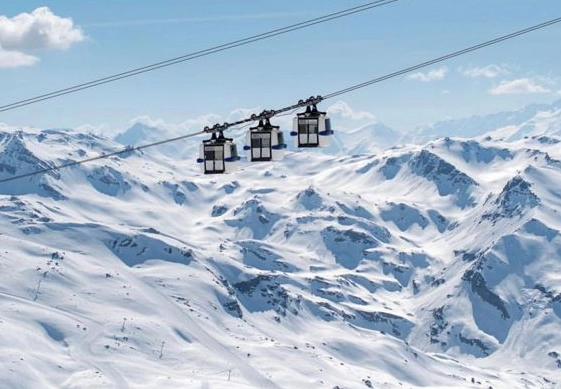
| Rank & Resort | Location | Skiable Acres (Approx.) | Key Fact at a Glance |
|---|---|---|---|
| 1. Les 3 Vallées | French Alps | 105,000 | Not just one resort, but eight interconnected villages like Courchevel and Méribel. |
| 2. Ski Arlberg | Austrian Alps | 101,500 | Home to legendary off-piste routes and the charming village of St. Anton. |
| 3. Ski Safari (Portes du Soleil) | France/Switzerland | ~93,000 | A cross-border circuit linking 12 resorts between two countries. |
| 4. Paradiski | French Alps | ~84,000 | Centered around the futuristic Vanoise Express cable car linking Les Arcs and La Plagne. |
| 5. Sella Ronda (Dolomiti Superski) | Italian Dolomites | ~79,000 (within circuit) | Famous for the scenic, lift-linked Sella Ronda carousel tour. |
Notice a pattern? The Alps dominate. The geography there allows for these massive, lift-linked domains that are virtually impossible to replicate elsewhere. North America's largest, like Whistler Blackcomb (~8,100 acres) or Park City (~7,300 acres), are enormous in their own right but operate on a different scale.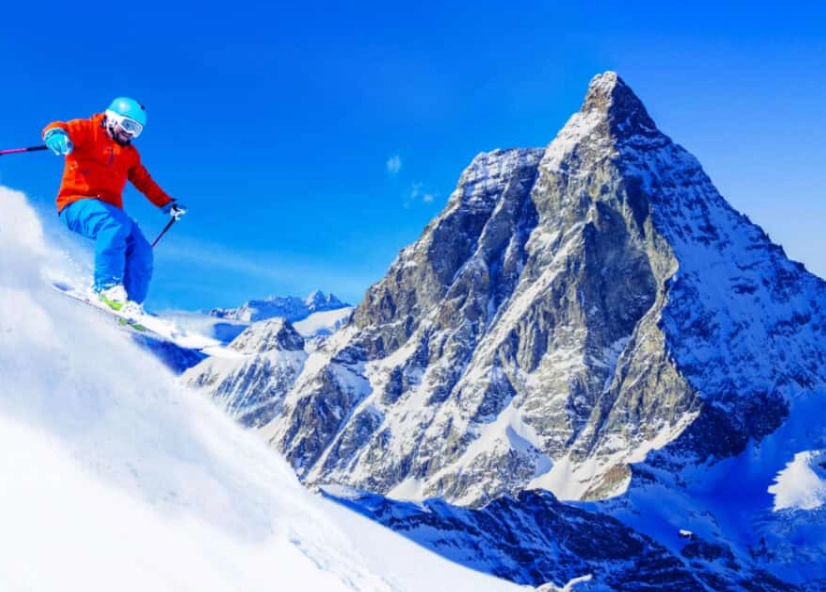
Deep Dive: What It's Really Like to Ski These Giants
Top 1: Les 3 Vallées is the undisputed king. A week here and you might still not ski it all. Courchevel offers absurd luxury and perfectly groomed cruisers. Méribel has that classic Alpine chocolate-box charm. Val Thorens is Europe's highest major resort, guaranteeing snow. The lift system is engineering marvel, but it's easy to end up far from your starting point. I once spent an extra 90 minutes on buses getting back from a long lunch in Orelle. Plan your day with a map, not just wanderlust.
Top 2: Ski Arlberg is the expert's choice. The off-piste terrain around St. Anton and Zürs is legendary. The vibe is less about glitz and more about hardcore skiing and hearty apres-ski. The Flexenbahn cable car system completed the link to Lech and Zürs, creating this mega-domain. It's less about endless intermediate runs and more about challenging, varied terrain for confident skiers.
What the Numbers Don't Tell You
Skiable acreage is a great starting point, but it's like judging a book by its page count. Two critical factors change everything: lift infrastructure and vertical drop.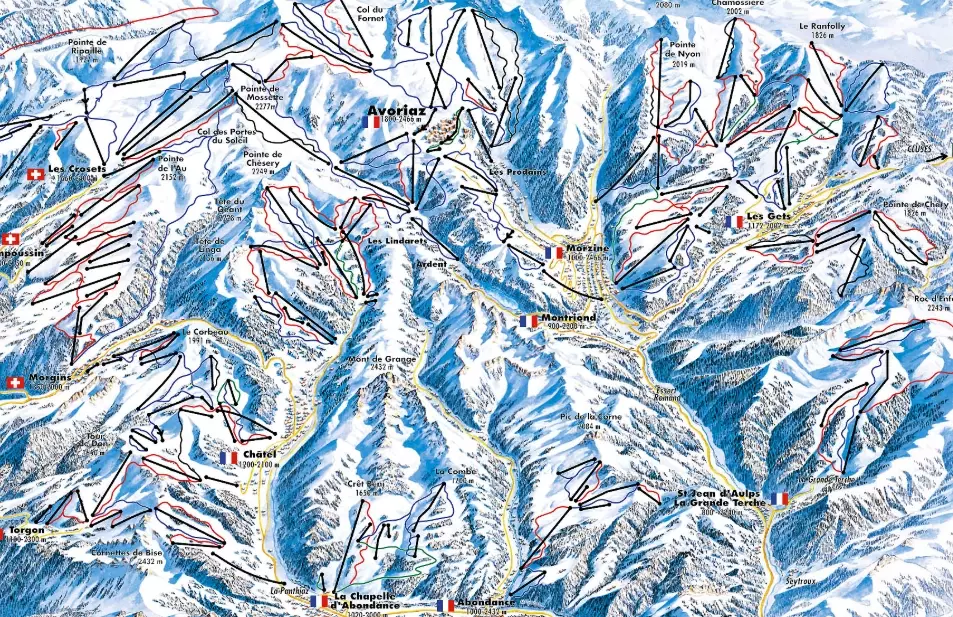
A resort with 100,000 acres served by slow, old chairlifts will feel smaller than a 50,000-acre resort with high-speed gondolas and six-packs. You simply cover ground faster. The vertical drop tells you about the length and sustained challenge of a run. A resort with a 3,000-foot vertical offers a different experience than a vast, rolling plateau, even if the acreage is similar.
Then there's the snow reliability. The highest resorts in the list, like Val Thorens (part of 3 Vallées) or Zermatt (which links to Cervinia in Italy for a huge area), have a major advantage. That guaranteed snow cover across most of their vast terrain means your investment in a trip is safer.
How to Choose the Right Large Ski Resort for You
Picking one of these giants isn't just about going to the biggest. It's about matching the terrain to your tribe.
For Families and Intermediates
You want efficient lifts, plenty of gentle, wide slopes, and easy navigation. Paradiski excels here. The areas around Plagne Centre and Les Arcs 1600 are fantastic for building confidence. The villages are purpose-built, which means ski-in/ski-out convenience is easier to find than in older, more sprawling towns. The Vanoise Express is a fun, reliable link between the two areas.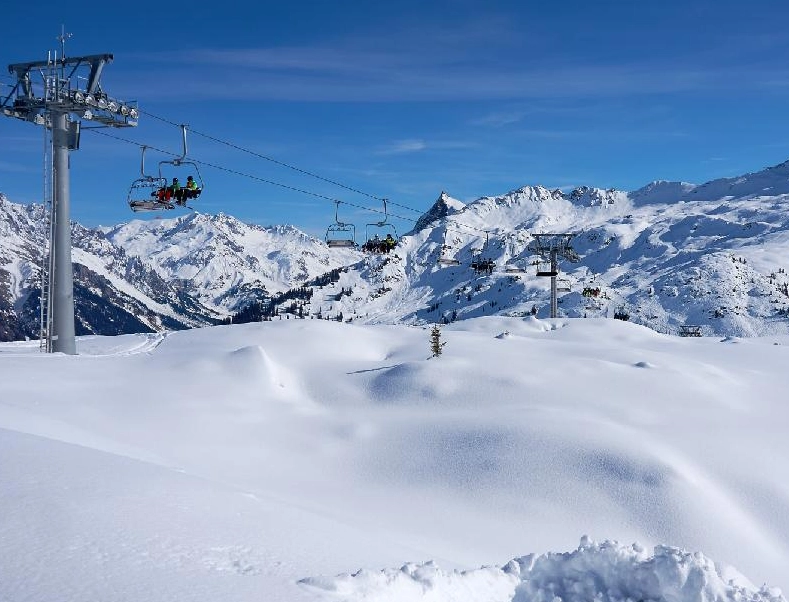
For Experts and Off-Piste Adventurers
Your priority is challenging, varied terrain and good snow. Ski Arlberg is a pilgrimage site. The Valluga cable car in St. Anton accesses serious lines. Hiring a guide here is worth every euro to unlock the best of the 100k+ acres. Les 3 Vallées also has immense expert terrain, particularly around Courchevel's couloirs and the off-piste bowls above Val Thorens.
For the Scenic Cruiser and Foodie
You want stunning views, sunny terraces, and great lunches. The Sella Ronda circuit in the Dolomiti Superski area is unbeatable. The scenery is UNESCO-world-heritage-level dramatic. You can ski a 25km loop around the Sella massif, stopping at rifugios for pasta and prosciutto. It's a unique, cultural skiing experience where the journey is as important as the skiing.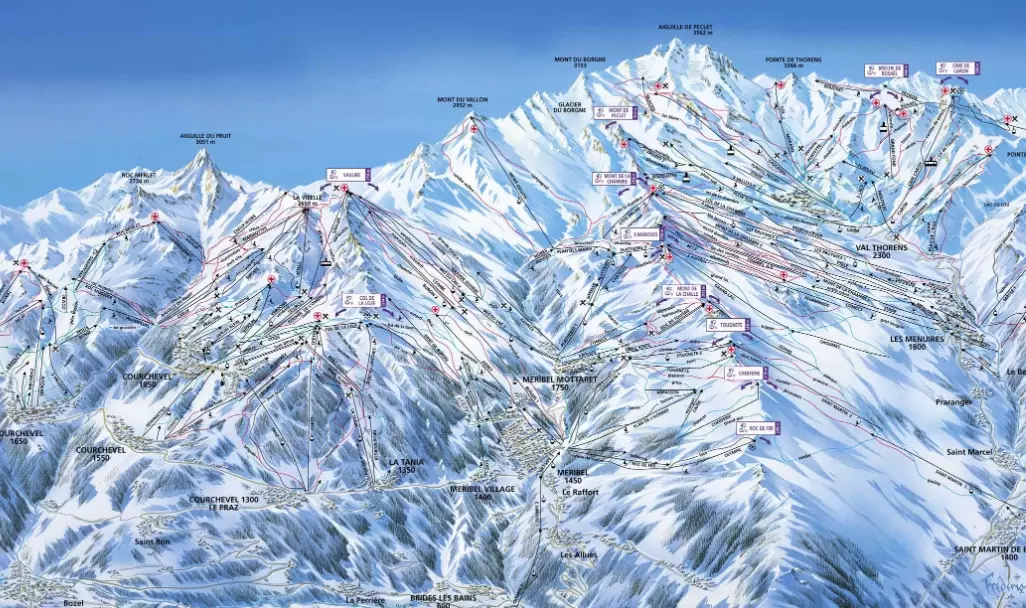
Planning Your Trip to a Mega-Resort
Tackling a giant resort requires a different strategy. Here’s how to not get overwhelmed.
Where to Stay: Your choice of village dictates your experience. In Les 3 Vallées, Courchevel 1850 is for luxury, Méribel Centre for nightlife and charm, Val Thorens for snow-sure convenience and value. In Ski Arlberg, St. Anton is lively and central, Lech is more upscale and family-oriented. Book early—these places fill up.
Getting There: Major airports like Geneva (for French resorts), Innsbruck (for Arlberg), or Turin (for the Dolomites) are your gateways. Then, you're looking at train/bus transfers or rental cars. For the Portes du Soleil, flying into Geneva is easiest.
Lift Passes: You'll need the full area pass. A "local" pass for just one village in a linked domain defeats the purpose. Prices are steep but offer unparalleled access. Look for early-bird discounts online.
Navigating: Use the resort's app religiously. Set meeting points with your group. Assume it will take at least 45-60 minutes to traverse from one far end to the other, longer if lifts are busy.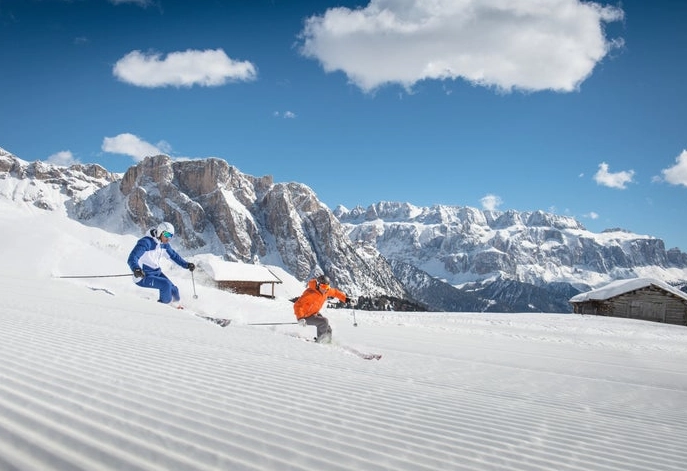
Ski Expert Q&A: Your Big Mountain Questions
I'm planning a family trip to one of the largest resorts. Which one is least likely to leave my intermediate skier kids (and me) exhausted from just getting around?
Look at Paradiski or the Sella Ronda circuit. Paradiski's two main sectors (Les Arcs and La Plagne) are large but relatively self-contained and easy to navigate within. The Sella Ronda is a clear, signposted loop—you can't get permanently lost, and the lifts are modern. Avoid the far-flung corners of Les 3 Vallées or the expert-centric traverses of Arlberg on your first day. Stick to a single valley or sector until everyone gets their bearings.
Is a week enough to properly experience a 100,000-acre resort like Les 3 Vallées?
It's enough to get a fantastic taste, but not to ski it all thoroughly—and that's okay. The beauty is the variety. Plan by valley: dedicate two days to Courchevel/Méribel, two to Val Thorens/Orelle, and use a day to explore the links and your favorite areas again. Trying to 'complete' it is a recipe for stress. Focus on quality runs over quantity of acres checked off.
What's the biggest hidden cost or hassle when visiting these mega-resorts that first-timers don't expect?
Lunch and transport. You can ski miles from your starting village. A casual slope-side lunch for a family of four can easily hit 150+ euros. Pack snacks. Also, if you stay in a satellite village, free shuttle buses can be infrequent and packed at peak times. Paying a bit more for a central location or true ski-in/ski-out saves hours and hassle over a week. That time is better spent skiing or relaxing.
For an expert skier on a budget, which massive resort offers the best value for challenging terrain?
This is controversial, but consider the Portes du Soleil. While not cheap, it can offer slightly better value than the famous names of 3 Vallées or Arlberg. Stay in a French village like Morzine or Les Gets. You get access to a vast, varied area with plenty of steep, off-piste potential (especially around Avoriaz and the Swiss side), but with a more laid-back, less glitzy atmosphere and sometimes more affordable accommodation and food options if you avoid the obvious tourist traps.
Related Articles
Comments
Join the discussion