Let's be honest. Dropping your skis off for a tune-up feels easy, but the bill doesn't. Forty, sixty, eighty bucks every few trips adds up fast. What if you could do 90% of that work yourself, for a fraction of the cost, and have your gear performing exactly how you want it? You can. Building a home ski tuning setup isn't just for race techs. With a modest investment and this guide, you'll gain control, save money, and maybe even find the process satisfying.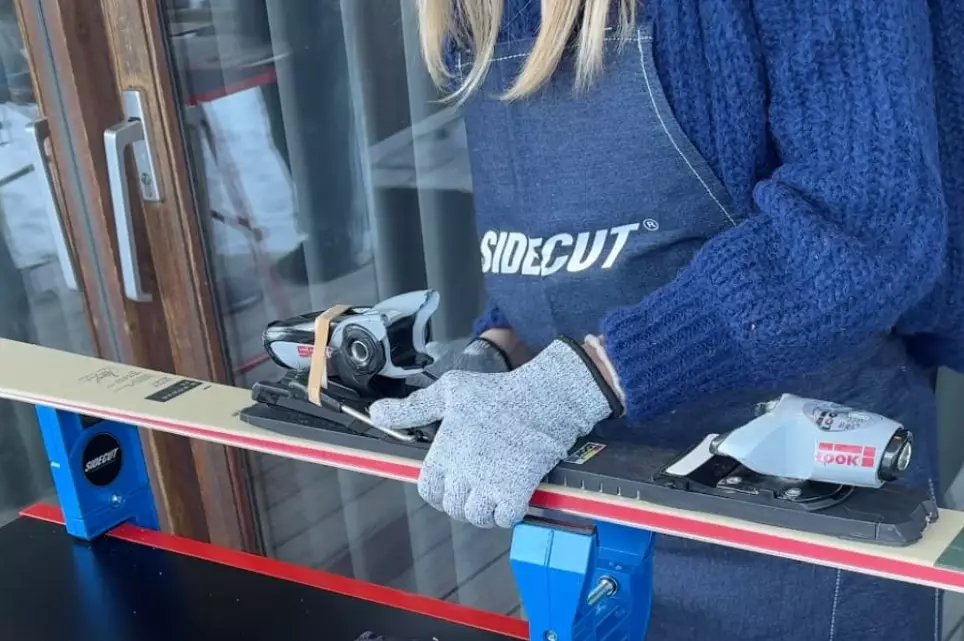
I've been tuning my own skis for over a decade, and I've made every mistake in the book so you don't have to. This guide cuts through the shop jargon and gives you the actionable steps.
What You'll Learn
The Essential Home Tuning Toolkit
You don't need a $2000 workshop. Start with the core tools that handle 95% of maintenance. I recommend a tiered approach.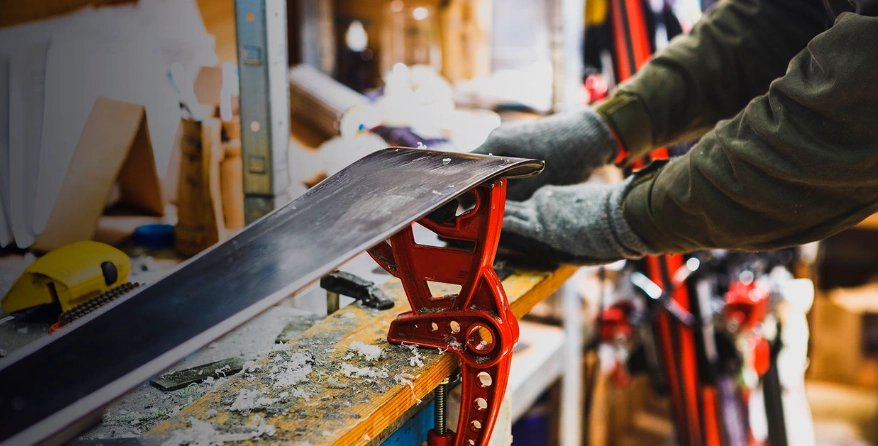
| Tool | Core Purpose | Budget Option / Pro Tip |
|---|---|---|
| Vise & Braces | Holds ski securely. Non-negotiable. | A simple bench vise with plastic jaws works. Dedicated ski vises (like from Swix or Toko) are more convenient. |
| Edge Tuner (File Guide) | Sets and maintains side edge angle (usually 88° or 89°). | Get one with adjustable angles. The plastic ones are fine to start. |
| Diamond Stones | Sharpens and deburrs edges. More important than files for regular upkeep. | Get a set: coarse (100-200 grit), medium (400), fine (600+). A 400-grit stone is your workhorse. |
| Ski Wax (All-Temp) | Protects base, provides glide. Don't overthink it early on. | A universal CH wax (like Swix CH8 or Toko Universal) is perfect for 90% of conditions. Start with one iron. |
| Waxing Iron | Melts and irons wax into base. NOT a clothes iron. | Dedicated ski wax irons have temp control. A cheap travel iron can work, but temperature control is poor. |
| Scraper (Plastic) | Removes excess wax after ironing. | Buy a few. They're cheap and break. Get one with a curved end for sidewalls. |
| Nylon & Horsehair Brushes | Cleans base and structures wax after scraping. | Nylon is for cleaning/scuffing. Horsehair or softer brushes are for final polish. A combo pack is cheap. |
| P-Tex Candles & Metal Grip | Repairs gouges in the base. | Get both clear (P-Tex) and black (Graphite) sticks. Metal Grip is for deeper core shots that expose the metal edge. |
My first setup cost less than one full season of shop tunes. The most common mistake I see? People buy a giant file first. Files are for removing lots of metal to reset an edge. Diamond stones are for sharpening and maintaining. You'll use stones 10 times for every time you use a file. Invest in good stones first.
The Complete Step-by-Step Tuning Process
Here's the exact order I use every time. Ski in the vise, bindings forward. Work in a well-lit, ventilated space.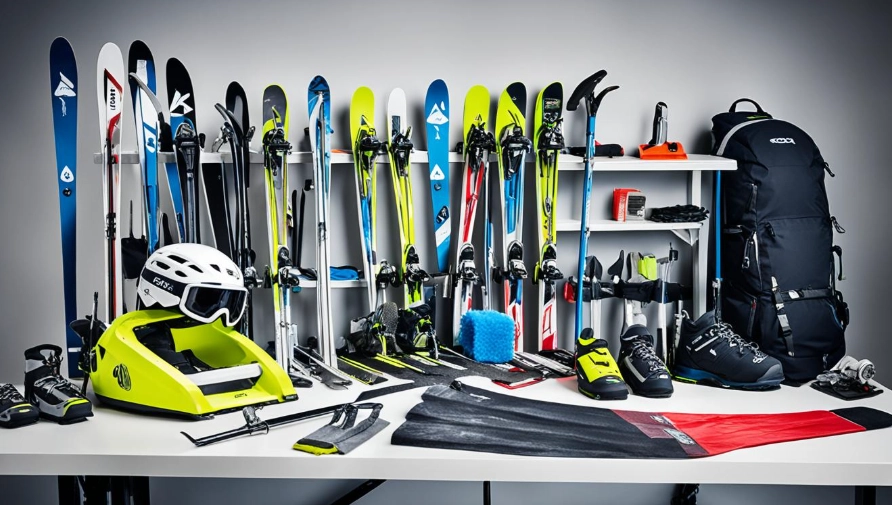
Step 1: Clean & Inspect
Wipe the base with a damp cloth to remove dirt. Look closely. Are the edges silver and shiny, or rusted and dull? Are there deep gashes (core shots) or just superficial scratches? This inspection tells you what work is needed. A dry, white base needs wax, not necessarily a stone grind.
Step 2: Deburr & Sharpen Edges
This is where most home tuners go wrong. They attack the edge with a file immediately. Stop.
First, feel the edge with your fingernail. If it's rough or has a burr (a tiny metal lip on the base edge), you need to deburr. Take your medium (400 grit) diamond stone. Lay it flat on the base. Gently rub it along the length of the ski, just enough to knock off that burr. A few passes. You're not trying to sharpen here, just clean up.
Now, sharpen the side edge. Clip your file guide onto the edge at your chosen angle (88° is a great all-mountain start). Use your fine diamond stone (600+ grit) in the guide. Use light pressure and make smooth, full-length passes from tip to tail. Let the diamonds do the work. 5-10 passes is usually enough for maintenance. Wipe away the black metal dust with a rag.
Step 3: Waxing – It's Not What You Think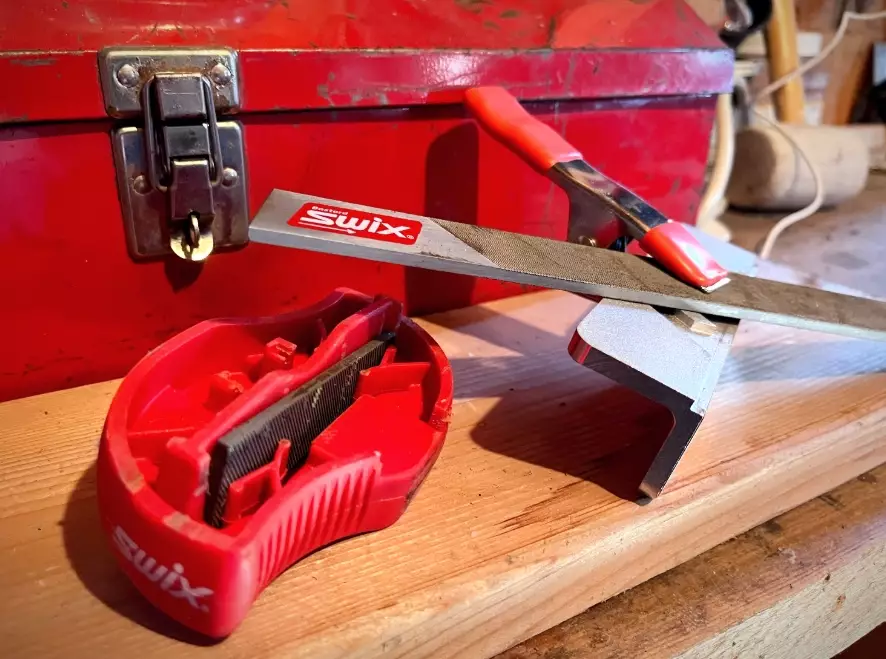
The goal isn't to leave wax on the ski. The goal is to force hot, liquid wax into the base's pores, then scrape all the excess off.
Set your iron to the wax's melting temp (check the package). Drip wax along the base in a zig-zag pattern. Now, using the iron, melt and spread the wax evenly over the entire base. Keep the iron moving—don't let it sit and smoke. You should see a thin, shiny layer of liquid wax. This whole process takes 60-90 seconds per ski.
Let the ski cool completely. Room temperature is fine. Don't rush this. I let mine sit for at least an hour, sometimes overnight.
Now, scrape. This is the workout. Use your plastic scraper and remove ALL the soft wax from the base. Scrape tip to tail. You should hear a crisp scraping sound, not a mushy one. Scrape until you see the base structure again and no more wax curls come up. The ski should look almost dry. This seems wrong, but the wax you need is inside the base. The wax on top just creates drag.
Final step: brush. Use your nylon brush vigorously tip to tail to clean out the structure, then follow with a horsehair brush for a smooth finish.
Fixing Common Base Damage
A scratch isn't a crisis. A core shot (a gouge deep enough to see the black or white core material) needs fixing.
For shallow scratches: They'll often fill with wax. Don't bother with P-Tex.
For a deep gouge (but not to the core): Clean it with a P-Tex candle lighter or a metal scraper. Light a P-Tex candle, let it drip into the gouge, overfilling slightly. Let it cool completely, then carefully scrape it flush with the base. Finish with a fine stone flat on the base to smooth it.
For a core shot (you see material other than white plastic): This is serious. You must use Metal Grip first if the metal edge is exposed. It's a special epoxy-PTex mix that bonds to metal. Drip that in first to seal the edge. Let it cool. Then fill the rest of the hole with standard black P-Tex (black is stronger than clear). Scrape and stone flush. A proper core shot repair is the hardest home fix. If it's huge or near the edge, a shop might be wiser for the structural integrity.
Pro Tips & Costly Mistakes to Avoid
Here's the stuff they don't put on the tool packaging.
**Never use a file on a dirty or rusty edge.** You'll just embed the grit into the file and ruin it. Clean the edge first with a gummy stone or even fine sandpaper.
**Your waxing iron is for wax only.** Never use it to try and melt base material for a repair. You'll contaminate the iron and future wax jobs.
**Storage matters.** Don't leave your skis leaning against a wall in a wet basement. Dry them, put a cheap storage wax on for the summer, and keep them in a cool, dry place. A thick coat of cheap summer wax scraped off in the fall is the best base conditioner.
The biggest psychological hurdle? Accepting that a perfectly tuned ski has razor-sharp edges. It feels dangerous in the living room. On snow, with your weight on them, they're controllable and precise. Dull edges are what make you slip out unexpectedly.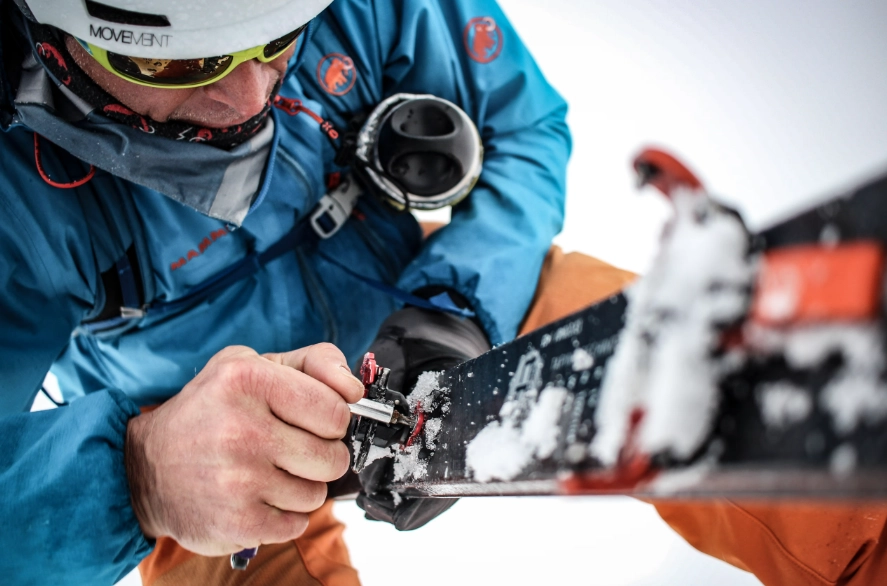
Your Home Tuning Questions Answered
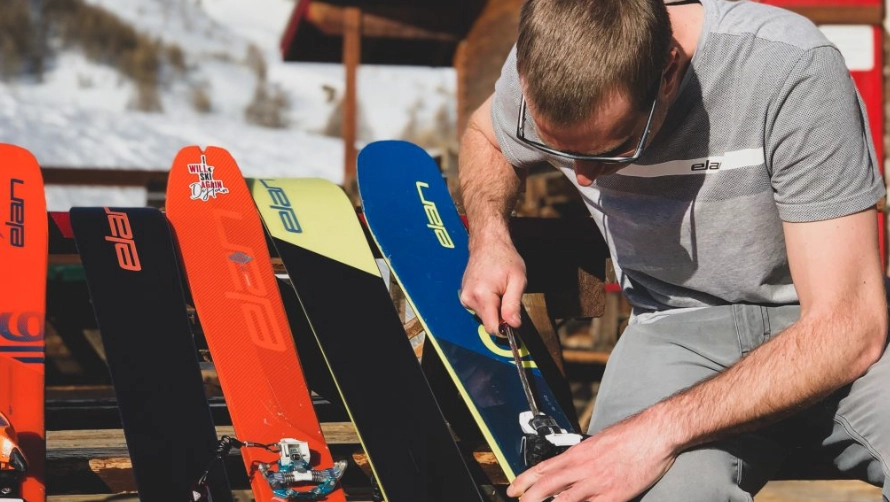 What's the one tool that made the biggest difference in your home tuning quality?
Starting a home tuning workshop is a journey. Your first wax job might take an hour per ski. Your tenth will take twenty minutes. You'll develop a feel for your edges and a connection to your gear that you can't get from a shop ticket. The savings are real, but the real reward is the confidence that your skis are ready, exactly as you like them, whenever you are.
Related Articles





Comments
Join the discussion