Let's be honest, your first ski suit purchase can be a disaster. I remember mine—a bulky, navy blue one-piece that made me look like a stranded astronaut and felt like wearing a sauna on the way up and a freezer on the way down. I got it all wrong because I focused on price and a vague notion of "warmth." Choosing the right ski suit for women isn't about finding the warmest or the cutest. It's about a system that manages moisture, blocks wind, allows movement, and yes, keeps you warm—all while looking good. This guide cuts through the marketing fluff and gives you the actionable details you need.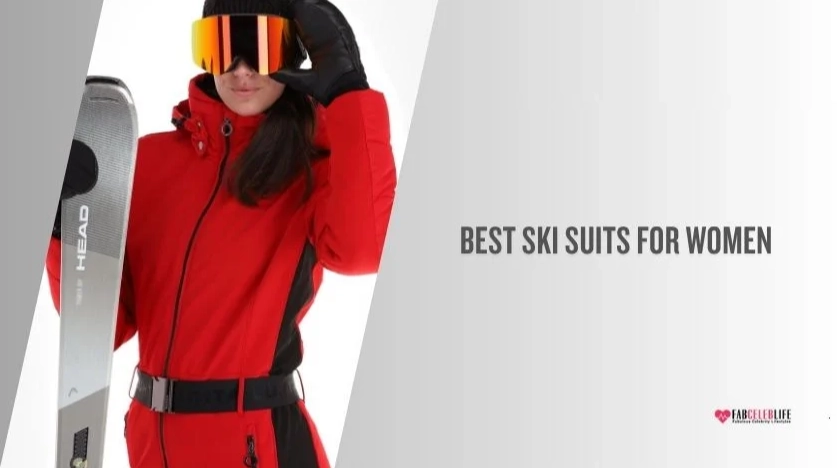
What You'll Find in This Guide
How to Choose a Ski Suit: The 5 Non-Negotiables
Forget the color first. These five technical specs determine whether you'll have a great day or a miserable one.
1. Insulation Type: Down vs. Synthetic
This is the biggest decision, and most beginners don't understand the trade-off.
Down insulation (goose or duck feathers) is the gold standard for warmth-to-weight ratio. It's incredibly warm for its weight and packs down small. Perfect for frigid, dry days in places like Whistler or the Alps. But here's the catch everyone misses: down loses almost all its insulating power when wet. If you sweat a lot or ski in wet, coastal snow (think Pacific Northwest), a soaked down suit is a liability.
Synthetic insulation (like PrimaLoft® or Thermore®) is the workhorse. It's heavier and bulkier than down for the same warmth, but it retains about 90% of its heat even when drenched. It's also usually more affordable. This is the safe, reliable choice for most skiers, especially if you're active and generate sweat.
| Feature | Down Insulation | Synthetic Insulation |
|---|---|---|
| Warmth (Dry) | Excellent, best weight-to-warmth | Very Good, but bulkier |
| Warmth (Wet) | Poor, collapses when wet | Excellent, retains heat |
| Packability | Superb, compresses very small | Fair, doesn't compress as much |
| Durability | Long-lasting with proper care | Long-lasting, easier care |
| Best For | Very cold, dry climates; resort skiers who don't sweat much | All-around use, variable/wet conditions, active & sweat-prone skiers |
2. Waterproofing & Breathability: The Numbers That Matter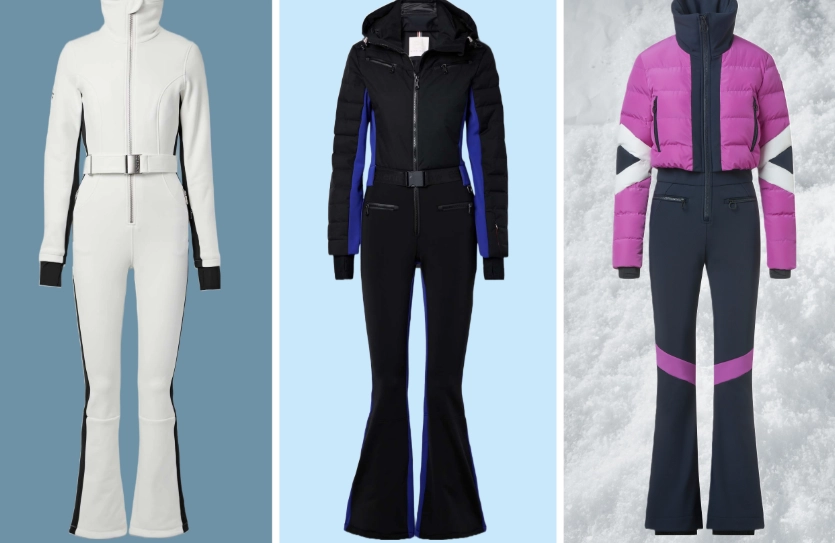
You'll see a rating like "20K/20K." This isn't marketing jargon—it's a measurable standard.
- Waterproof Rating (e.g., 20,000mm): This measures how much water pressure the fabric can withstand before leaking. For resort skiing, aim for at least 10,000mm. For frequent skiing in heavy snow or wet conditions, 15,000-20,000mm is better. True backcountry gear pushes 28,000mm+.
- Breathability Rating (e.g., 20,000g): This measures how many grams of water vapor (sweat) can pass through a square meter of fabric in 24 hours. Higher is better. 10,000g is a good minimum, 15,000-20,000g is ideal for staying dry from the inside out.
My personal rule? I never buy a suit below 15K/15K anymore. That extra investment completely eliminated the damp, chilly feeling I used to get by mid-afternoon.
3. Fit and Mobility: It's Not a Winter Coat
A ski suit should fit differently than your everyday jacket. You need room for layers beneath (a moisture-wicking base layer and a mid-layer fleece or sweater). Do the "lift test" in the store: mimic a skiing stance, bend forward, and reach overhead as if grabbing a chairlift bar. There should be no tight pulling across your shoulders, back, or thighs.
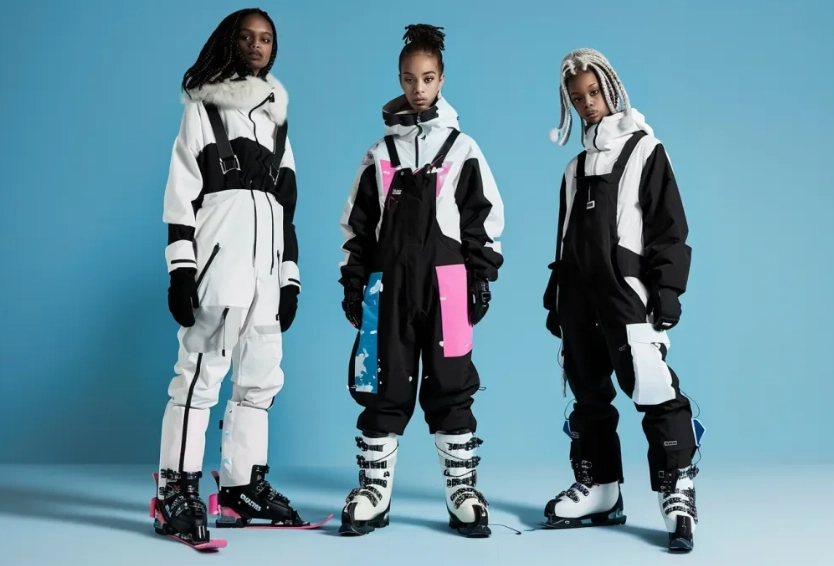
Pay attention to the cut. Many brands now offer "athletic" or "tailored" fits for women that are narrower in the waist and hips while allowing shoulder and arm movement. A one-piece suit offers superior snow protection (no gap at the waist) but can be less versatile and more awkward in the bathroom. A two-piece (jacket and pants) offers more flexibility to mix and match.
4. Features You'll Actually Use
Look for these details—they make a huge difference in convenience: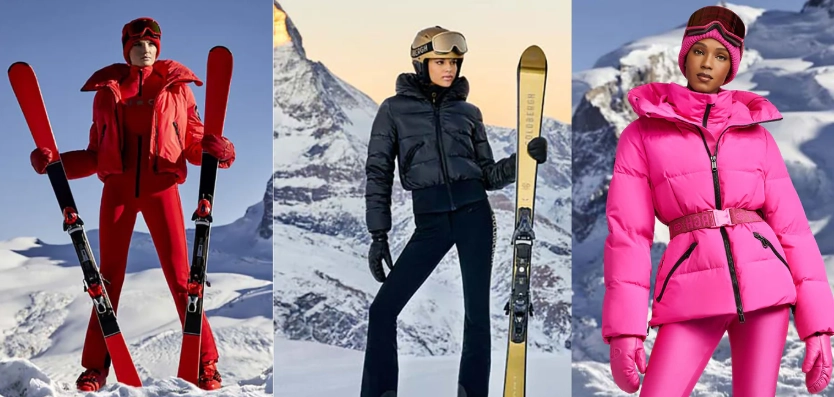
- Venting Zips: Long underarm zips (pit zips) are a game-changer for temperature control on spring days or long hikes.
- Powder Skirt & Gaiters: The jacket should have an internal, elasticated powder skirt that snaps to the pants. Pants should have internal gaiters (aka snow cuffs) with grippy elastic to seal over your boot tops.
- Pocket Strategy: Check for a secure, goggle-sized pocket (often in the sleeve or chest), a lift pass sleeve/window, and insulated handwarmer pockets. Are the zips waterproof?
- Hood Compatibility: Does the hood fit over your helmet? Is it adjustable? A good helmet-compatible hood is essential in a storm.
5. Style and Color: Function Meets Fashion
While performance is key, you want to feel good. Modern women's ski suits come in incredible designs, from sleek monochromes to bold patterns. A practical tip: brighter colors aren't just fun—they make you more visible to other skiers and snowboarders in flat light or stormy conditions, adding a safety element.
Top Ski Suit Brands for Women: A Quick Comparison
Not all brands are created equal. Some excel in fashion, others in hardcore performance. Here’s a breakdown based on my experience and industry reputation.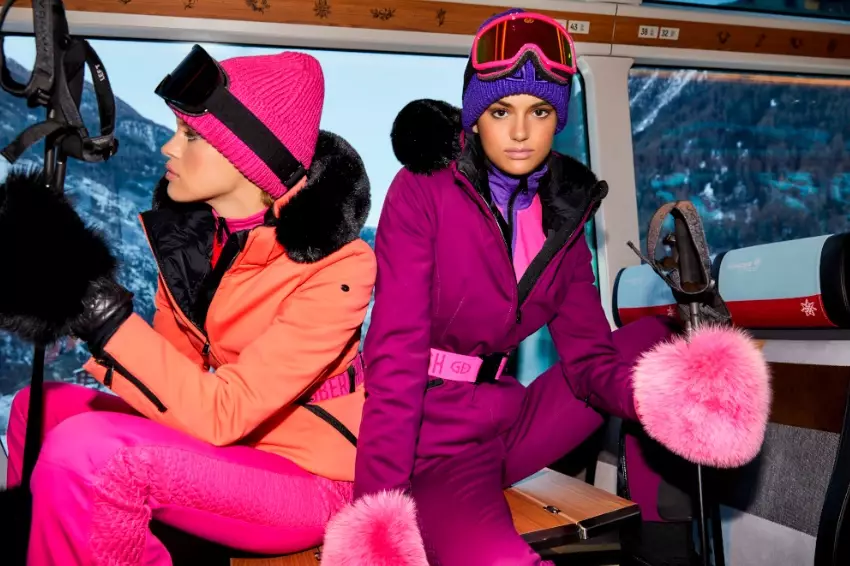
| Brand | Known For | Typical Price Point | Best Suited For |
|---|---|---|---|
| Arc'teryx | Unmatched build quality, technical materials, minimalist alpine design. Their waterproof/breathable fabrics (like GORE-TEX) are top-tier. | Premium ($$$+) | The serious skier who prioritizes performance and durability over trends. Investment piece. |
| Patagonia | Environmental responsibility, durable construction, timeless styles. Great blend of technical features and low-key aesthetics. | High ($$$) | Eco-conscious skiers who want reliable, long-lasting gear that performs across many conditions. |
| Helly Hansen | Heritage maritime & ski brand. Excellent waterproofing (HELLY TECH®), often great value. Their women's fits are often praised. | Mid to High ($$-$$$) | Great all-around choice for resort skiers. Consistently good performance without the ultra-premium price. |
| Picture Organic | Youthful, bold designs, strong eco-credentials (recycled materials). Good technical specs wrapped in fun styles. | Mid-Range ($$) | Skiers who want to stand out and value sustainability. Popular in the park and freestyle scene. |
| Spyder | Heritage ski racing brand. Often seen on pro athletes. Focuses on speed, precision, and athletic fit. | Mid to High ($$-$$$) | Performance-oriented skiers and racers who want a technical, athletic cut. |
| Columbia | Innovative thermal tech (Omni-Heat™ reflective lining), widely available, strong value. | Budget to Mid-Range ($-$$) | Beginners, casual skiers, or those on a tighter budget who still want effective warmth. |
Note: Prices vary widely by collection and technology. Sales can bring higher-end brands into a more accessible range.
Where and When to Buy Your Ski Suit
Timing and retailer choice can save you hundreds.
The Best Time to Buy: The absolute sweet spot is late March through August. Retailers are clearing out the previous season's inventory. You might not get the very latest color, but you'll get the same technical specs at 30-50% off. Black Friday/Cyber Monday in November also sees sales, but selection is picked over.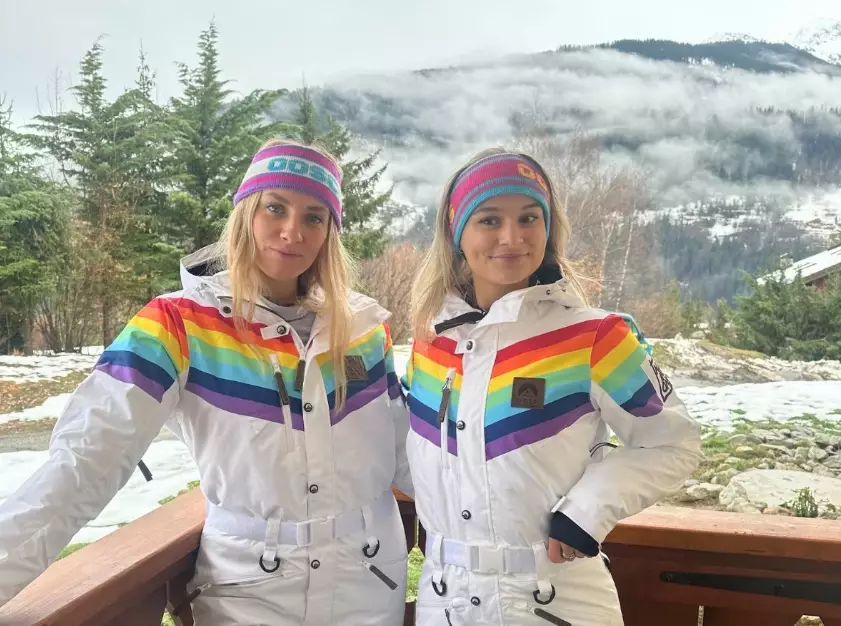
Where to Shop:
- Specialist Online Retailers: Sites like Backcountry.com, Evo.com, and REI have expert buyer guides, detailed filtering, and excellent customer service. They often have generous return policies, which is key for nailing the fit.
- Brand Outlets: Visiting or checking the online outlet stores for brands like Patagonia Worn Wear, The North Face Outlet, or Helly Hansen can yield deals.
- Local Ski Shops: Don't underestimate them. You get expert, personalized advice and can try on multiple brands and sizes instantly. They often have preseason sales too. Supporting them keeps expertise in your community.
Avoid the temptation to buy a no-name suit from a generic online marketplace. The waterproof ratings are often exaggerated, and the seams fail quickly. It's a false economy.
Your Ski Suit Questions, Answered
 Is a one-piece or two-piece ski suit better?
Related Articles

Comments
Join the discussion