Let's cut to the chase. When you search for the biggest ski resort in America, you're looking for one thing: sheer, unadulterated size. You want endless runs, terrain that takes days to explore, and the bragging rights that come with skiing the largest. Forget the marketing fluff. By the most important and widely accepted metric—total skiable acreage—the undisputed champion is Park City Mountain Resort in Utah. With over 7,300 acres of terrain spread across two massive mountains, it's a behemoth that can humble even the most seasoned skier.
But here's the thing I've learned after countless trips there: biggest doesn't automatically mean best for you. A resort this size comes with its own set of challenges and secrets. I've seen friends waste entire days stuck in the wrong canyon or standing in lift lines they could have avoided. This guide isn't just a list of stats. It's a tactical manual from someone who's made the mistakes, so you don't have to. We'll break down what "biggest" really means on the ground, how to navigate this colossal playground, and whether it's the right fit for your ski vacation.
In This Article
What Makes Park City the Biggest? It's More Than Just a Number
Park City's claim to the title stems from the 2015 merger of two formerly independent resorts: Park City Mountain Resort and Canyons Resort. Vail Resorts linked them with the Quicksilver Gondola, creating a single, interconnected ski area. The result is a staggering 7,300+ acres. To put that in perspective, that's larger than the island of Manhattan. You could ski a different run every day for a month and not repeat yourself.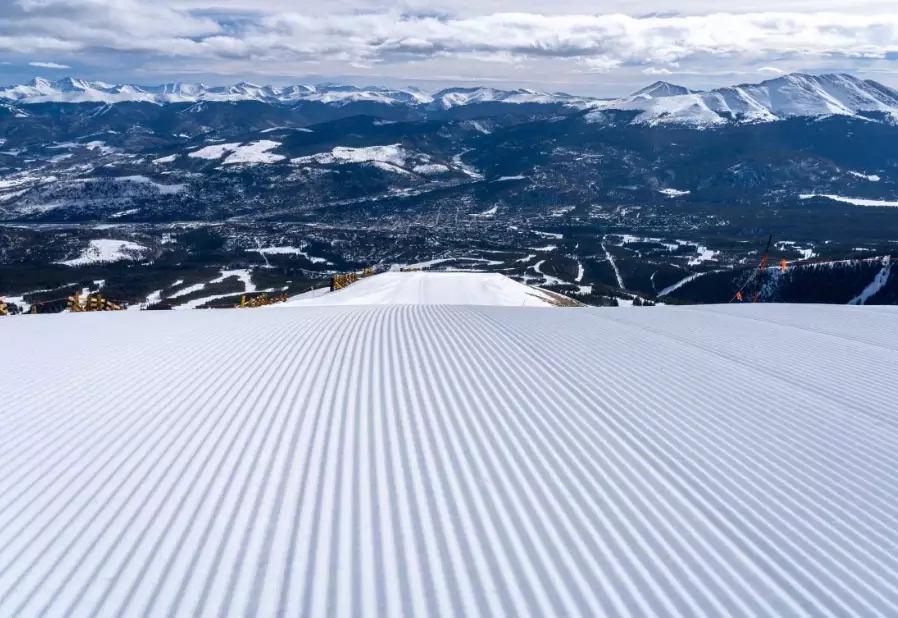
The scale is defined by a few key features:
- Two Distinct Personalities: The Park City side feels more traditional, with runs funneling toward the historic mining town. The Canyons side is vast, modern, and feels more spread out, with nine distinct peaks.
- The Lifeline: The Quicksilver Gondola isn't just a lift; it's a 15-minute commute between two worlds. Missing the last gondola back to your starting point is a classic rookie mistake that leads to an expensive cab ride.
- Vertical Drop: At 3,200 feet, it's substantial, though not the continent's highest. The real magic is in the horizontal spread.
A Local's Tip: Newcomers often fixate on the "over 7,300 acres" number. The real trick isn't covering it all—that's nearly impossible in one trip. The trick is understanding the layout. Think of it as two mega-resorts in one. Trying to hop from the far side of Canyons to a specific run on the Park City side for lunch is a surefire way to spend 90 minutes on lifts and gondolas. Plan your day by zone, not by a checklist of trails.
The Terrain Breakdown: From Groomers to Glory Chutes
With so much space, there's truly something for everyone, but it's not evenly distributed. Here’s where the rubber meets the snow.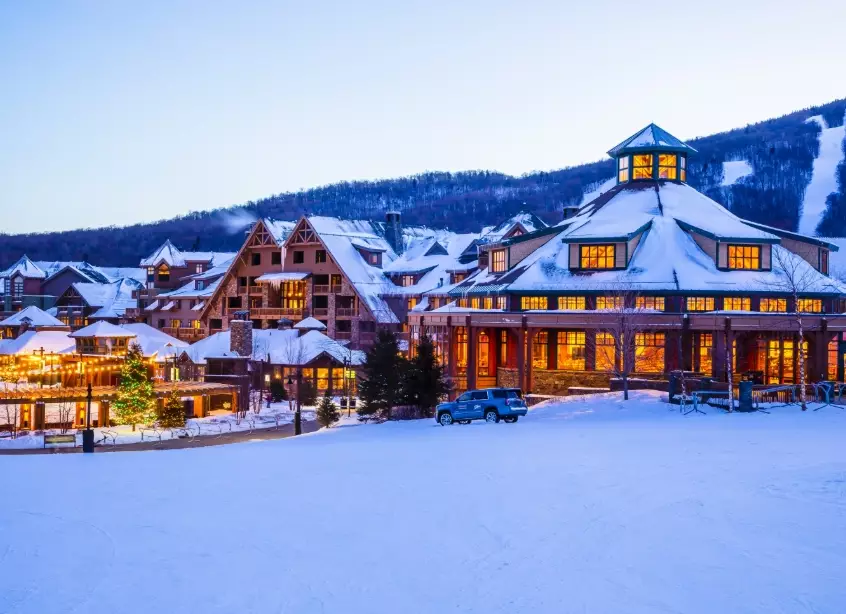
For Beginners & Intermediates: You're in Luck
This is where Park City shines for the majority. About half the terrain is rated blue or green. The learning areas at High Meadow Park (Canyons) and First Time (Park City) are excellent, wide, and separated from faster traffic. Intermediates have a paradise of long, rolling groomers. Homerun (3.5 miles) from the top of Bonanza Down is a classic.
For Advanced & Expert Skiers: Dig Deeper
Don't be fooled by the family-friendly reputation. The expert terrain is there, but it's often hidden in plain sight or requires a short hike. The Jupiter and McConkey's areas on the Park City side offer steep bowls, chutes, and tree skiing. On the Canyons side, explore the Ninety-Nine 90 and Murdoch Peak areas for challenging bowls and glades. The snow in these zones stays better longer due to less traffic.
Terrain Parks & Beyond
Park City is home to one of the most famous terrain parks in the world. The King's Crown on the Park City side features a world-class superpipe and progressive jumps and jibs. It's a destination for pros and aspiring riders alike.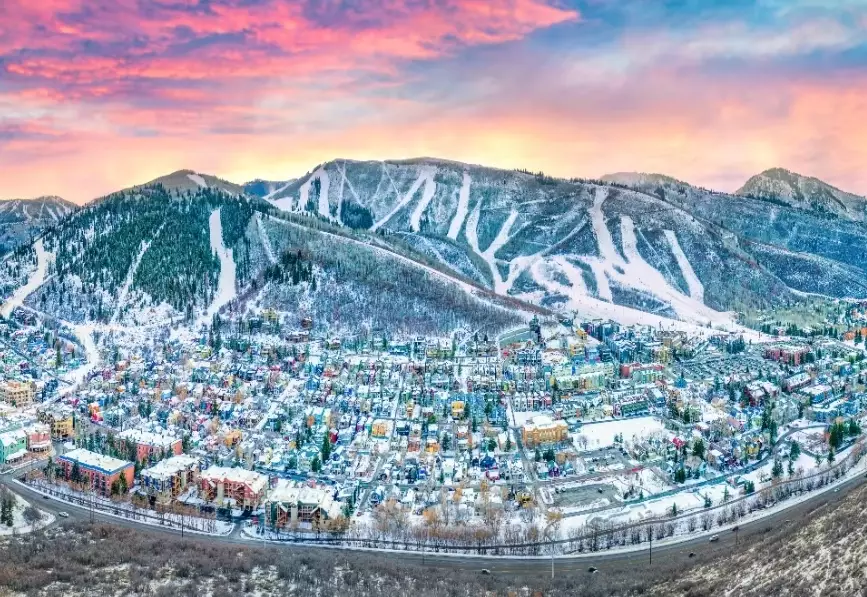
How to Plan Your Conquest: A Realistic Itinerary
Information you can actually use to book a trip.
Where to Stay: Location is Everything
Your choice dictates your daily routine.
- Slopeside in Park City Base: Most convenient for town access and the Park City side lifts. Expect higher prices. The Marriott's Mountainside is ski-in/ski-out at the base of the PayDay lift.
- Slopeside in Canyons Base (at Pendry): Quieter, more modern village vibe with direct access to the Canyons Gondola. The new Pendry Park City offers luxury but feels a bit isolated from Main Street.
- Historic Main Street: The soul of the town. You'll take a short bus or shuttle to the lifts, but you're immersed in restaurants, bars, and history. The Washington School House Hotel is a boutique gem.
- Budget-Friendly Condos: Look along the bus route (it's free and efficient) in areas like Prospector or along Kearns Boulevard.
Getting There & Getting Around
Address: 1345 Lowell Ave, Park City, UT 84060.
Nearest Airport: Salt Lake City International (SLC), about a 45-minute drive.
Best Transport: Renting a car offers flexibility, but the town's free bus system is comprehensive. Many hotels offer shuttles. Ride-shares are readily available.
Tickets, Passes & Season
Season: Typically late November to mid-April.
Lift Tickets: Walk-up window rates are steep, often over $250 per day. Book online in advance for significant savings. The resort is on the Epic Pass, which is a huge money-saver for multi-day visitors or those visiting other Epic resorts.
Rentals: Book online before you arrive. Use a reputable shop in town (like Cole Sport or Jans) for better gear and service than the crowded base area.
A Sample 3-Day Ski Strategy
Day 1 (Canyons Side): Start at the Canyons Gondola. Warm up on the Saddleback Express area. Work your way over to the Orange Bubble Express (heated seats!) and explore the Dreamscape and DreamCatcher zones. Have lunch at the Mid-Mountain Lodge.
Day 2 (Park City Side): Start at the Town Lift. Spend the morning on the Bonanza and Silverlode lifts. After lunch at the Legacy Lodge, head to the Motherlode and Thaynes chairs for more challenging terrain.
Day 3 (Connector & Deep Dive): Take the Quicksilver Gondola early. Pick one side you loved and explore its furthest reaches—maybe the peaks off the Ninety-Nine 90 lift at Canyons or the glades off Pioneer at Park City.
The Other Contenders: How America's Largest Ski Resorts Stack Up
"Biggest" can be measured a few ways. Here’s how the other giants compare to Park City Mountain Resort.
| Resort | State | Skiable Acres | Key Differentiator | Best For... |
|---|---|---|---|---|
| Park City Mountain | Utah | 7,300+ | Largest overall acreage; direct town access. | Families, intermediates, terrain park lovers, apres-ski town life. |
| Big Sky Resort | Montana | 5,850+ | Massive vertical (4,350 ft); less crowded. | Expert skiers, solitude, big mountain experience. |
| Vail Mountain | Colorado | 5,317+ | Iconic Back Bowls & Blue Sky Basin. | Varied advanced terrain, classic ski village feel. |
| Whistler Blackcomb | BC, Canada* | 8,171+ | Largest in North America. | International destination, extreme variety, long season. |
*Included for North American context, though not in the USA.
Notice something? Park City wins on pure acreage in the U.S., but Big Sky and Vail offer different kinds of "bigness"—one in vertical and challenge, the other in legendary bowl skiing. Whistler is in a league of its own continentally. Your choice depends on what kind of "big" you crave.
Your Decision-Making FAQ: Beyond the Brochure
So, is Park City Mountain Resort the right choice for you? If you want the undeniable scale, a vibrant town at your feet, and terrain that caters to a wide group, it's the pinnacle. Just remember, conquering the biggest requires a plan. Don't just show up—know which side you're starting on, embrace the scale instead of fighting it, and use that Epic Pass. See you on the gondola.
Related Articles

Comments
Join the discussion