Let's cut straight to it. If you're looking at skiing in New England, Sugarloaf isn't just another option—it's the main event. Tucked way up in Carrabassett Valley, Maine, this place feels different the moment you drive in. It's not a quaint village tucked around a mountain; it's a massive, solitary peak that dominates the landscape, with a community that lives and breathes skiing. I've lost count of my trips here over the years, from icy February mornings to perfect spring corn days, and I still find new lines. This guide is everything I wish I knew before my first visit, minus the marketing fluff.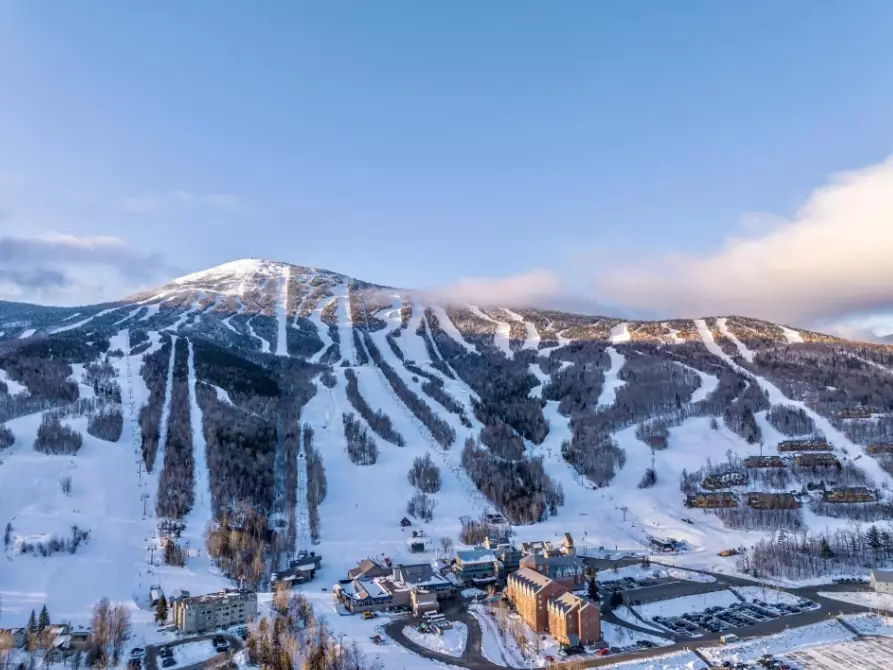
Quick Navigation: What's Inside This Guide
Sugarloaf 101: The Raw Numbers & Vibe
Sugarloaf is Maine's tallest ski resort and the second biggest in New England. The numbers tell part of the story: over 1,200 skiable acres, a 2,820-foot vertical drop, and 162 trails. But the feel is what seals the deal. The western side faces the wind, often holding better snow. The summit has above-tree-line skiing on Snowfields, a rarity out East. And then there's Brackett Basin—a massive, gladed sidecountry area that's essentially in-bounds. It's a skier's mountain, not a photo-op resort.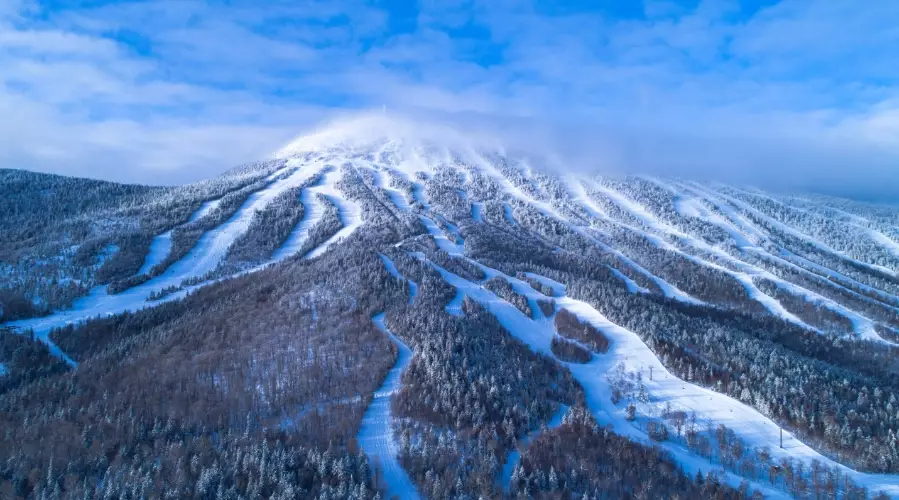
Key Details at a Glance:
Address: 5092 Access Road, Carrabassett Valley, ME 04947. Don't rely on cell service for the last 30 minutes of the drive—download your maps.
Lift Hours: Typically 8:30 AM to 4:00 PM for most lifts. The SuperQuad and Skyline often open earlier for first tracks. Always check the Sugarloaf website for daily updates.
Lift Tickets: This is the painful part. Window rates can hit $160+ on peak weekends. Never, ever pay at the window. Buy online in advance, look for multi-day packages, or consider season pass options like the Ikon Pass (Sugarloaf is on the Ikon Pass). Mid-week is significantly cheaper.
| Metric | Detail | Why It Matters |
|---|---|---|
| Summit Elevation | 4,237 feet | Higher elevation means longer seasons, more natural snow. |
| Average Snowfall | 200+ inches | Consistently one of the snowiest in the East. |
| Longest Run | Tote Road (3.5 miles) | A glorious, winding green that lets beginners feel the mountain's scale. |
| Terrain Breakdown | 35% Beginner, 30% Intermediate, 35% Expert | Surprisingly balanced, but the expert terrain is legitimately challenging. |
Getting There & Where to Crash
You're going to drive. The closest major airport is in Portland (ME), about a 2.5-hour drive. Augusta is a bit closer. The drive up Route 27 is part of the ritual—you watch the world get whiter and the hills get bigger.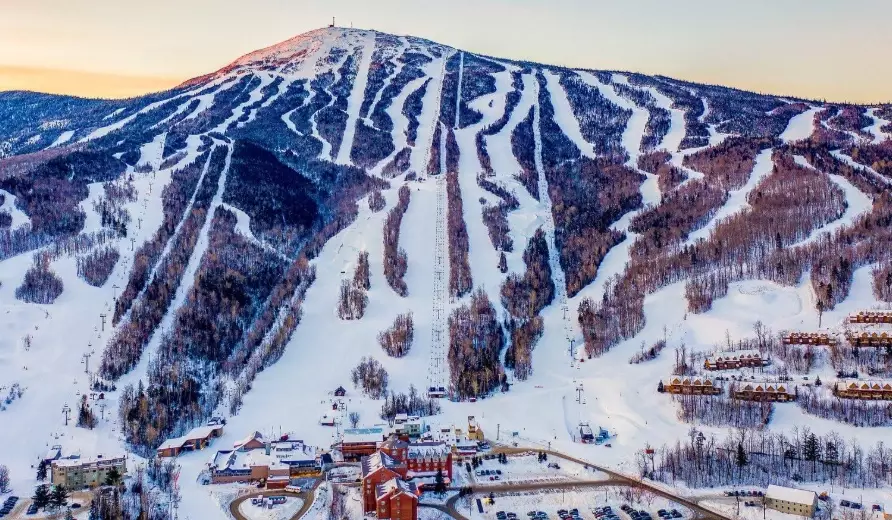
Lodging: On-Mountain vs. Down the Road
You have two main choices: stay right on the Access Road (ski-in/ski-out or close) or stay in one of the nearby towns like Kingfield (20-30 min drive).
On-mountain is about convenience, especially with kids. The Sugarloaf Mountain Hotel is steps from the SuperQuad. Condos like Grand Summit or The Seasons offer more space and kitchens. You pay for the location.
Staying in Kingfield is a different experience. You'll find charming B&Bs and inns like The Herbert Hotel for half the price. The trade-off is the morning and evening commute on Route 27, which can be dark and icy. I've done both. With a family or for a short trip, I splurge for on-mountain. For a guys' trip or a longer stay, Kingfield saves cash for more important things (like apres-ski).
The Real Skiing Experience: Terrain for Everyone
Let's talk about actually skiing the place. The trail map can be overwhelming, so here's how it breaks down in human terms.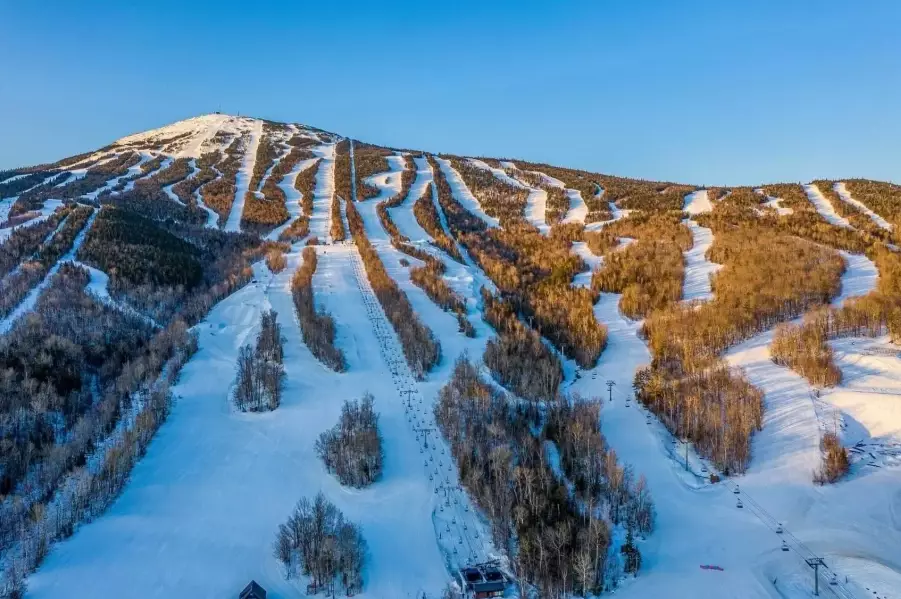
For Beginners & Families
Don't let the mountain's reputation scare you. The Buckboard and Double Runner chairs service perfect learning terrain—wide, gentle slopes. The real gem is the Skidway chair on the west side. It's quieter, has great beginner and intermediate trails, and gets more sun on cold days. A classic mistake is sticking only to the base area. Venture over to Skidway for a more relaxed experience.
For Intermediates: The Sweet Spot
You could spend a week here and not ski the same blue twice. Kings Landing off the Skyline lift is a must—long, rolling, and scenic. The Timberline area is a favorite, but here's a local tip everyone misses: Timberline faces south and gets sun-baked. If it hasn't snowed in a while or it's warm, the snow there turns to mashed potatoes by noon. Hit it first thing in the morning for the best corduroy.
For Experts & the Adventurous
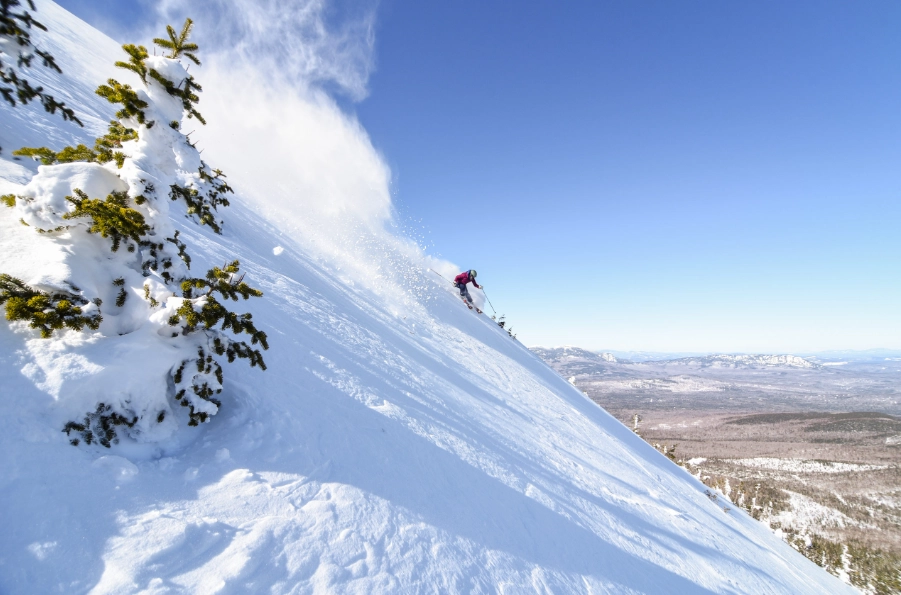
This is where Sugarloaf earns its stripes. The Snowfields are a true alpine experience when they're open (wind is the usual culprit for closures). Bubblecuffer is a legendary, narrow, fall-line double-black. But the crown jewel is Brackett Basin.
Brackett isn't just glades; it's 650 acres of mapped but ungroomed sidecountry, accessible by gates from the Timberline lift. You need a partner, basic safety knowledge, and an understanding that patrol won't groom it. The snow stays better longer back there. The secret? Most people funnel into the first few obvious lines. If you traverse further along the boundary, you'll find untouched stashes hours after a storm. My first time in, I followed a local who showed me a line called "The Guts"—steep, tight, and unforgettable.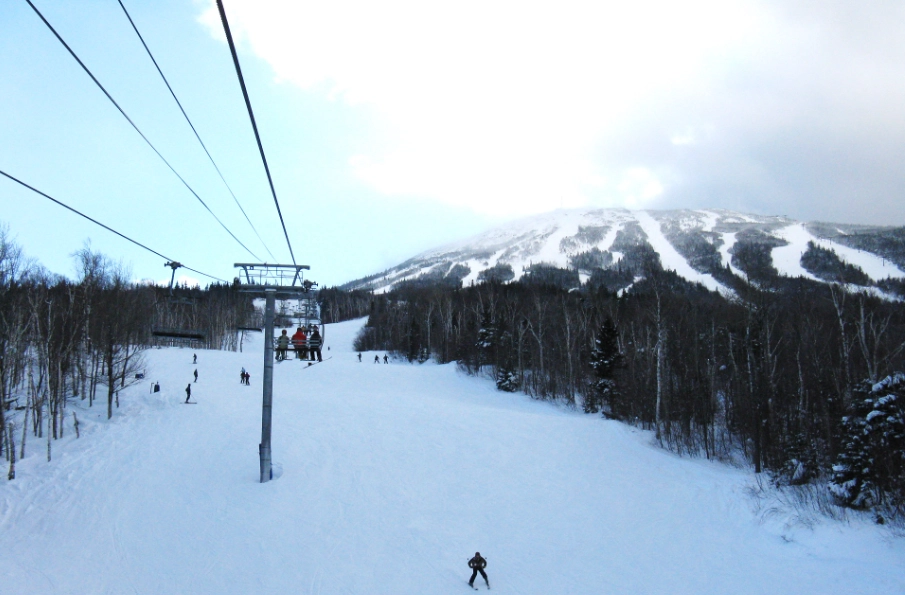
When You're Not Skiing: Food & Other Fun
You'll work up an appetite. The base lodge food is standard cafeteria fare. Get out of there.
- The Rack (5090 Access Rd): This is the heart of Sugarloaf's apres-ski. Live music, burgers, wings, and a packed deck on sunny days. It's loud, rowdy, and perfect.
- Shipyard Brew Haus (At the base): Better food than the main lodge, with local beers on tap. Good for families early in the evening.
- 45 North (In the Sugarloaf Mountain Hotel): The fanciest spot on the mountain. Think sit-down dinners, steaks, and cocktails. Make a reservation.
- Tufulio's (In Kingfield): Worth the drive for massive, delicious Italian portions. No frills, just great food.
Not a skier? There's a legit snow tubing park. You can snowshoe or cross-country ski on the Outdoor Center trails. The Antigravity Complex has an indoor pool, hot tub, and fitness center—a savior on brutally cold days.
Making It Happen: Trip Planning & Money-Saving Tips
Here’s a sample 3-day weekend plan that maximizes your time and money:
Day 1 (Arrival): Drive up, check in. If you arrive early, grab a discounted afternoon lift ticket (often available after 1 PM). Do a warm-up lap on the SuperQuad, then head to The Rack.
Day 2 (Deep Dive): Be at the SuperQuad for first tracks. Spend the morning exploring the main mountain blues and blacks. After lunch, head to the Timberline lift to tackle Brackett Basin (if conditions allow) or the glades off Haul Back.
Day 3 (West Side & Departure): Ski the often-overlooked Skidway and West Mountain areas. The lines are shorter, and the sun is great. Grab lunch, ski until 2 PM, then hit the road.
How to Save Money: Buy lift tickets online at least 7 days in advance for the best rate. Look for "Ski & Stay" packages that bundle lodging and lifts—these are almost always cheaper. Mid-week (Mon-Thurs) rates are dramatically lower. If you ski more than 5 days a season anywhere, look at the Ikon Pass—it pays for itself quickly.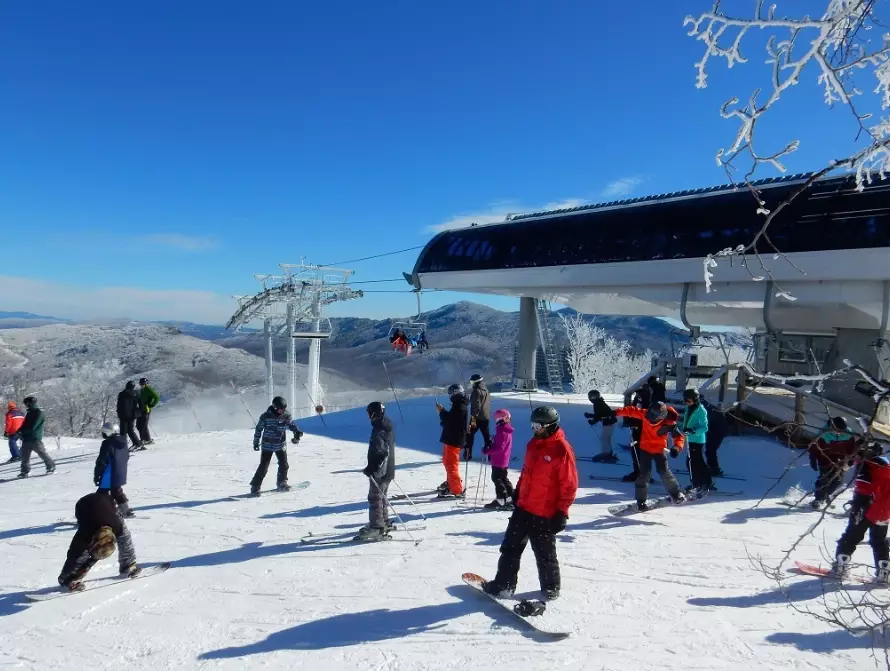
Local's FAQ: Your Questions, Straight Answers
Is the snow on the Timberline lift and Snowfields as unreliable as people say?
We're a family of beginners. Will our kids be in over their heads at Sugarloaf?
What's the one thing most visitors completely miss at Sugarloaf?
I'm an intermediate skier intrigued by Brackett Basin. Should I try it?
 Sugarloaf's appeal is its authenticity. It's not trying to be a European alpine village or a sleek western resort. It's a big, rugged, friendly mountain in Maine that delivers a pure skiing experience. You come for the vertical, the trees, and the community. Plan smart, ski hard, and you'll understand why people call it the "Loaf" with such affection.
Related Articles

Comments
Join the discussion