Let's talk about Killington. People call it the "Beast of the East" for a reason. It's not just a catchy nickname—it's a warning and a promise. With over 1,500 skiable acres sprawled across six interconnected mountains in central Vermont, this place is massive, complex, and can feel downright intimidating if you're not prepared. I've been skiing here for over a decade, and I still find new pockets of terrain. This guide isn't a fluffy brochure. It's the straight talk you need to navigate the Beast, find the best snow, avoid the crowds (as much as possible), and actually enjoy your trip without the stress.
Your Quick Jump to Key Sections
- Your First Visit to Killington: A Step-by-Step Guide
- Killington Terrain Decoded: Where to Ski Based on Your Level
- Where to Stay at Killington: On-Mountain vs. Nearby Towns
- Lift Tickets, Rentals, and Trip Planning Logistics
- The Local's Playbook: Tips You Won't Find on the Trail Map
- Your Burning Killington Questions Answered
Your First Visit to Killington: A Step-by-Step Guide
First-timers often make one big mistake: they try to "conquer" Killington in a day. You can't. Don't even try. The resort's layout isn't a simple circle; it's a long, twisting spine. Starting at the wrong base can waste hours.
Here's my non-negotiable advice. If you're staying off-mountain, park at the K-1 Lodge at the base of the Killington Peak gondola. This is the geographic and logistical heart of the resort. From here, you can access almost everything. The other main base, Snowshed, is great for beginners and lessons, but it's a bottleneck if you're trying to explore.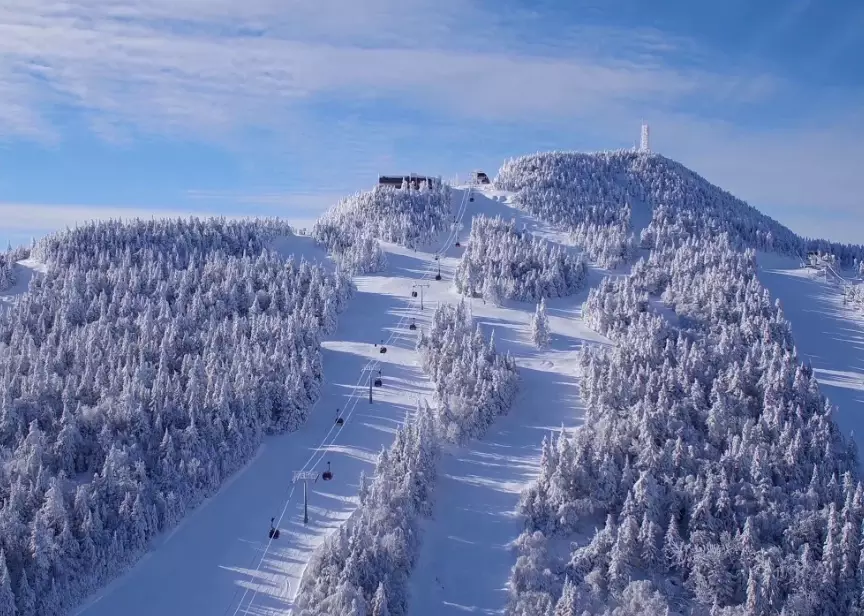
Key Info at a Glance: Killington is located on Killington Road in Killington, Vermont. The main phone line is (800) 621-6867. Typical winter season runs from late October to early May, thanks to their aggressive snowmaking. Lifts generally run from 9:00 AM to 4:00 PM. Driving? It's about a 2.5-hour drive from Boston and 4.5 hours from New York City. I-91 to I-89 to US-4 is the standard route.
Your first stop after gearing up should be the giant trail map board outside K-1. Don't just glance at it. Identify these three key lifts: the K-1 Gondola (your main highway to the summit), the Snowdon Six Express (bubble chair for intermediate cruisers), and the North Ridge Triple (access to some of the best advanced terrain). Plan your first two runs from this hub before venturing out.
Killington Terrain Decoded: Where to Ski Based on Your Level
The official trail map shows 155 trails. That's overwhelming. Think of it in zones.
For Beginners & Families
Head straight to the Snowshed Base and Ramshead Base. These areas are purpose-built for learning. The slopes are wide, gentle, and segregated from faster traffic. The Snowshed Quad and Ramshead Express lifts service perfect green circles. This is where you should book lessons if needed. A common error? Taking a beginner from the K-1 base up the gondola. The only way down from the summit involves a blue square at minimum—it's a steep learning curve, literally.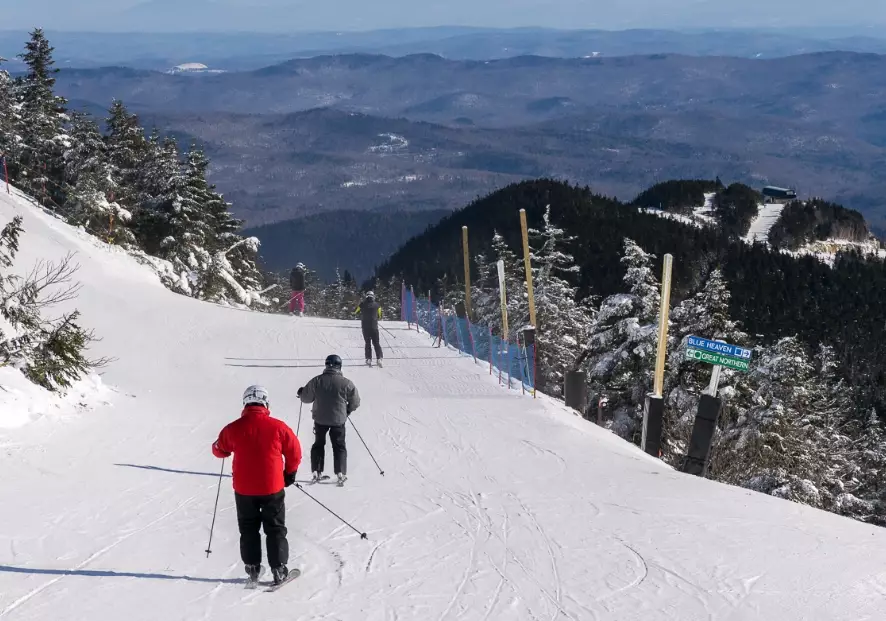
For Intermediate Skiers (The Sweet Spot)
You'll have the most fun here. The Snowdon Mountain area, serviced by the comfortable Snowdon Six bubble chair, is a network of perfectly groomed blue squares like Great Northern and Chute. For longer, scenic cruisers, take the K-1 Gondola up and ski down Great Eastern—a 3-mile green that winds all the way down to the Skyeship Base. Want to explore? The Skye Peak sector, accessed via the Superstar Express or Skye Peak Express, has fantastic, wide-open blues like Bittersweet and Skyelark.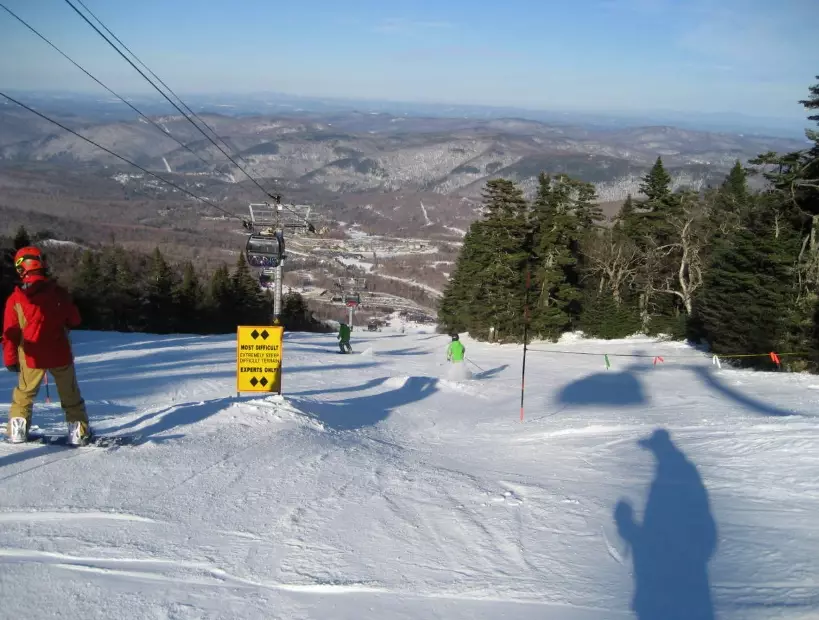
For Advanced & Expert Skiers
This is where the Beast earns its name. The Killington Peak and Bear Mountain areas are your playground. From the K-1 summit, dive into the natural snow trails of the Canyon Area—steep, narrow, and often bumped-up. Think Double Dipper or Cascade. Over at Bear Mountain, you'll find the legendary Outer Limits super steep mogul field and the gnarly glades of The Devil's Fiddle. My pro tip? The best, most preserved advanced terrain is often off the North Ridge Triple chair. It's slower, so fewer people ride it, leaving the snow on trails like Downdraft and Conclusion in better shape.
Where to Stay at Killington: On-Mountain vs. Nearby Towns
Your choice of lodging defines your trip vibe. There's no single "best" place, only what's best for your group.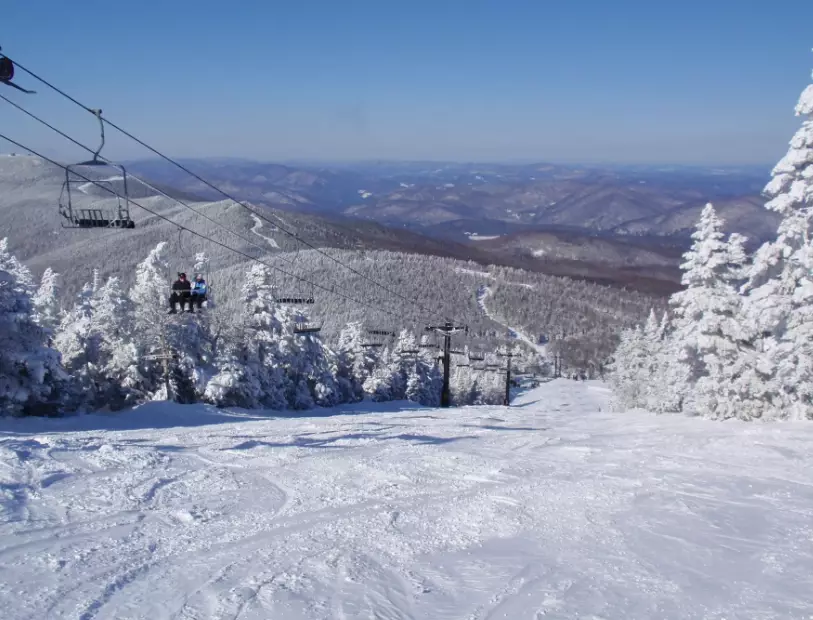
| Option | Best For | Example & Address | Key Perks & Notes | Price Range (Nightly) |
|---|---|---|---|---|
| Ski-In/Ski-Out | Families, convenience seekers, those wanting to maximize slope time. | The Killington Grand Resort Hotel (228 Killington Rd). | Heated outdoor pool, ski valet, direct access to Snowshed slopes. You pay for the ultimate convenience. | $$$ - $$$$ |
| Killington Road Lodges | Groups of friends, budget-conscious skiers who still want proximity. | Summit Lodge (200 Killington Rd) or numerous condos. | Walking distance to bars/restaurants, short drive or shuttle to slopes. More character, often include kitchens. | $$ - $$$ |
| Rutrington / Bridgewater | Longer stays, larger groups, those wanting a quieter, local Vermont feel. | Various vacation rentals and B&Bs in these nearby villages. | More space for your money, 15-20 minute scenic drive to the resort. You'll need a car. | $ - $$ |
I usually split the difference. Renting a condo on Killington Road gives you flexibility—cook breakfast, walk to the Wobbly Barn for apres-ski, and a 5-minute drive to the mountain. The free Killington shuttle bus runs frequently along the main road, so you can often ditch the car.
Lift Tickets, Rentals, and Trip Planning Logistics
Let's talk money and logistics. A walk-up window lift ticket at Killington is painfully expensive. You must buy online in advance, typically at least 48 hours prior, for significant savings. Check their website for early-season sales or multi-day discounts.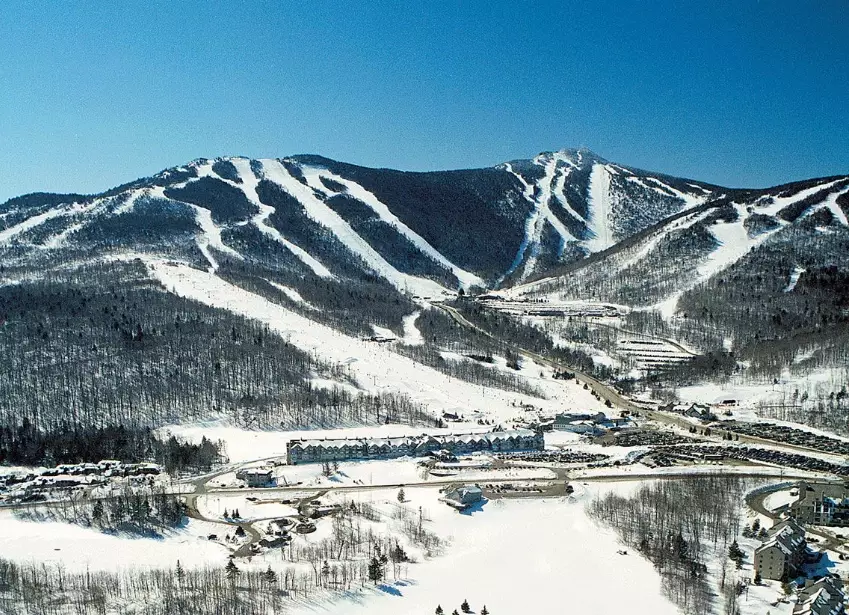
For rentals, don't default to the mountain base unless convenience trumps all. Off-mountain shops in Rutland or on Killington Road like Northern Ski Works or First Stop Ski Shop offer high-performance gear at lower rates, shorter lines, and often more personalized service. Reserve online there too.
Snow conditions are king. Killington has the most powerful snowmaking system in North America, according to the resort, which is why they open so early. But for natural snow, the exposed summit can get icy on windy days, while the lower glades might stay soft. Always check the Killington website's snow report the morning of, and look at the "Last Groomed" times for your favorite trails. The National Weather Service forecast for Rutland gives a good regional picture.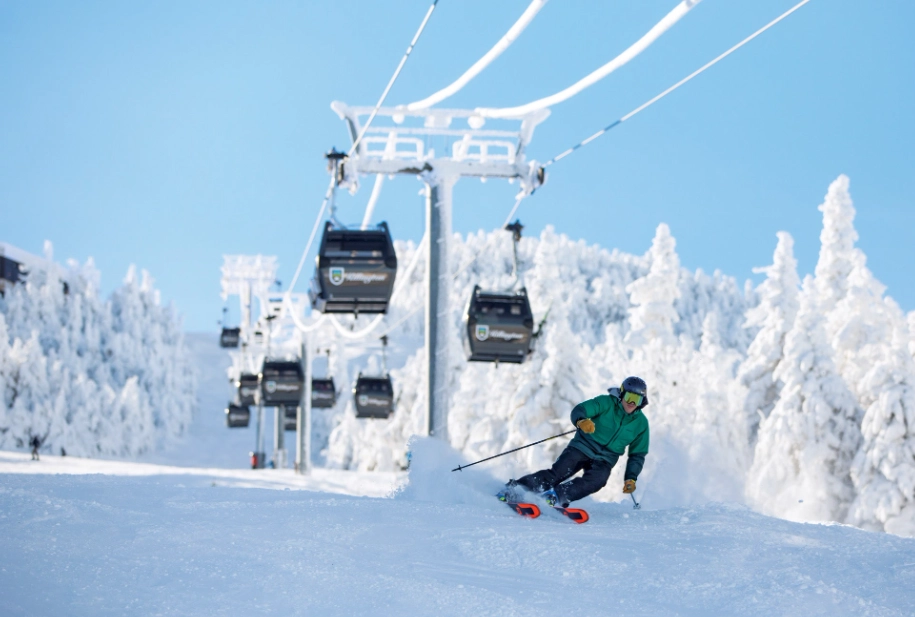
The Local's Playbook: Tips You Won't Find on the Trail Map
This is the stuff I learned the hard way.
- Beat the Gondola Line: The K-1 Gondola queue gets long by 9:30 AM. If you see a line, walk 2 minutes to the North Ridge Triple. It's a fixed-grip chair, but it accesses similar expert terrain and often has no wait. You can ski over to the gondola mid-mountain from there.
- The 2:30 PM Rule: Killington's size means people get strung out. If you're on the far edges (like Bear Mountain or Skyeship) after 2:30 PM, start working your way back toward K-1. The last lifts at outer bases can be a crowded, slow journey home.
- Lunch Hack: The base lodges are zoos at noon. Pack a snack and eat a late lunch at 1:30 PM, or ski to the Peak Lodge at the summit (accessible by gondola). It's crowded too, but the views are worth it. For a sit-down meal, the Summit Lodge at Needle's Eye is often less chaotic.
- Spring Skiing Secret: Killington stays open forever because of Superstar trail on Skye Peak. In April, it's the place to be. The sun exposure creates perfect corn snow, and it's a party atmosphere. Don't miss it if you're here late season.
One negative? The weather on Killington Peak is notoriously fickle and several degrees colder/windier than the base. That summit fog can roll in and wipe out visibility in minutes. Always have a goggle lens for flat light and an extra layer in your pocket.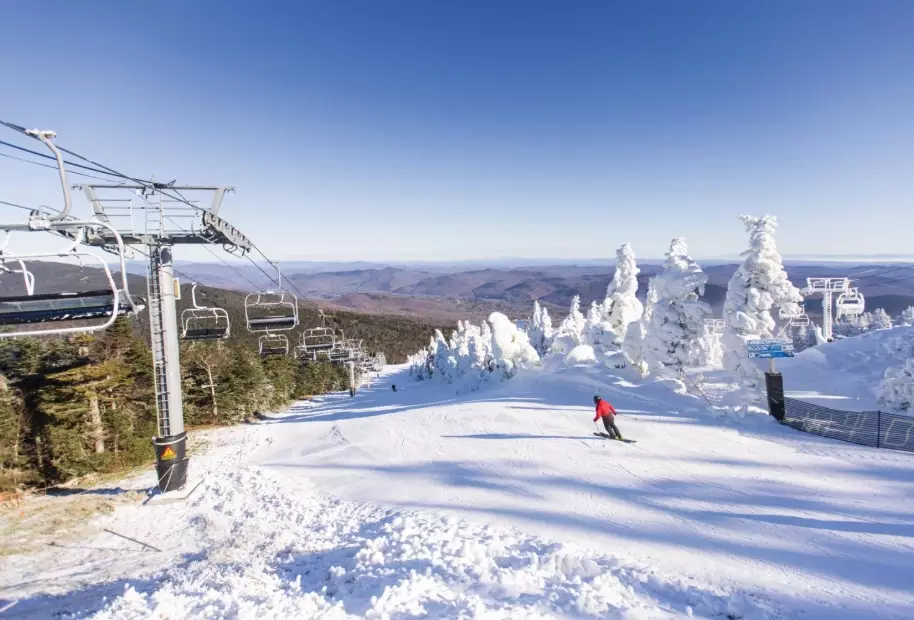
Your Burning Killington Questions Answered
With limited time, which Killington lifts should I prioritize to experience the best variety?
Focus on two lifts: the K-1 Gondola and the Snowdon Six Express. Ride K-1 to the summit for the view and to access long runs down Great Eastern or challenge yourself on Cascade. Then, spend time lapping the Snowdon Six bubble chair. It services a dense network of trails perfect for intermediate carving and has several easy off-ramps to explore other areas like Ramshead or Canyon. This one-two punch gives you the iconic summit experience and the resort's best cruising terrain efficiently.
Is Killington a good resort for a group of mixed abilities (beginners and experts)?
It can be, but it requires a plan. The classic mistake is the expert dragging the beginner onto a lift that strands them. Agree on a meeting lodge (K-1 Base Lodge is best) and specific times. Beginners should stay in the Snowshed/Ramshead learning zones. Experts can take the K-1 Gondola and ski advanced terrain on Killington Peak or hop on the shuttle to Bear Mountain. You can meet for lunch at the Peak Lodge via gondola (beginners can ride up and down without skiing). The key is using the trail map to identify "collection points" like the K-1 base where all difficulty levels can easily reconvene.
What's the real deal with parking at Killington on a weekend?
It's competitive. The free lots at K-1 and Snowshed fill up by 9:00 AM on peak Saturdays. If you arrive late, you'll be directed to satellite lots and have to take a shuttle. My rule: aim to be in the parking lot by 8:15 AM. This gives you time to boot up, use the bathroom, and be on the first lift. It makes a staggering difference to your day. If you're staying on Killington Road, use the shuttle. If you see cars lined up waiting for spots at K-1, don't queue—just head straight to the free, large Vale Lot further down Access Road. The shuttle from there is frequent and drops you right at the base.
How does Killington compare to other big East Coast resorts like Stowe or Sunday River?
Killington's sheer size and vertical drop (3,050 feet) are unmatched in the East. It feels more vast and rugged than the more curated, village-focused Stowe. Sunday River in Maine is also huge but spread across distinct peaks; Killington feels more interconnected. Where Killington sometimes loses is in consistent, top-to-bottom snow coverage compared to northern Vermont's colder climate. Its strength is variety, challenge, and longevity of season. If you want the most terrain and the longest season, it's Killington. If you prioritize quaint atmosphere and potentially more reliable natural snow, look north. For a detailed comparison of Vermont ski areas, the Vermont Tourism site has good regional overviews.
Related Articles

Comments
Join the discussion