Let's be real. When you think of the best snowboarding mountains, your mind probably goes straight to the Rockies or the Alps. Deep powder, wide-open bowls, sunshine. The East Coast? That's the place of legend—where they say you learn to ride ice before you learn to carve. But after ten seasons chasing storms from Maine to West Virginia, I'm here to tell you that dismissing the East Coast is a massive mistake. Some of the most challenging, character-building, and downright fun terrain in North America is right here. The key isn't just finding snow; it's finding the right mountains that maximize what the East does best: steeps, trees, parks, and an unbeatable, no-frills vibe.
This isn't a list of every resort. It's a curated guide to the best east coast snowboarding mountains that consistently deliver for riders who know what they're doing—or are eager to learn the right way. We're talking about places where the lift ticket gets you more than just a hill, where the terrain has personality, and where you can actually plan a trip without praying for a miracle nor'easter.
Your Quick Mountain Guide
What Makes East Coast Snowboarding Unique?
You need to adjust your expectations. Coming from out West? Forget the bottomless powder dream. East Coast snowboarding is a different sport, honed on a mix of machine-made snow, the occasional natural dump, and yes, boilerplate. The snow is denser, which actually makes for a incredibly stable and fast surface when it's groomed. The mountains are older, which means more natural, technical features—think rocky knolls, tight glades, and fall-line trails that don't mess around.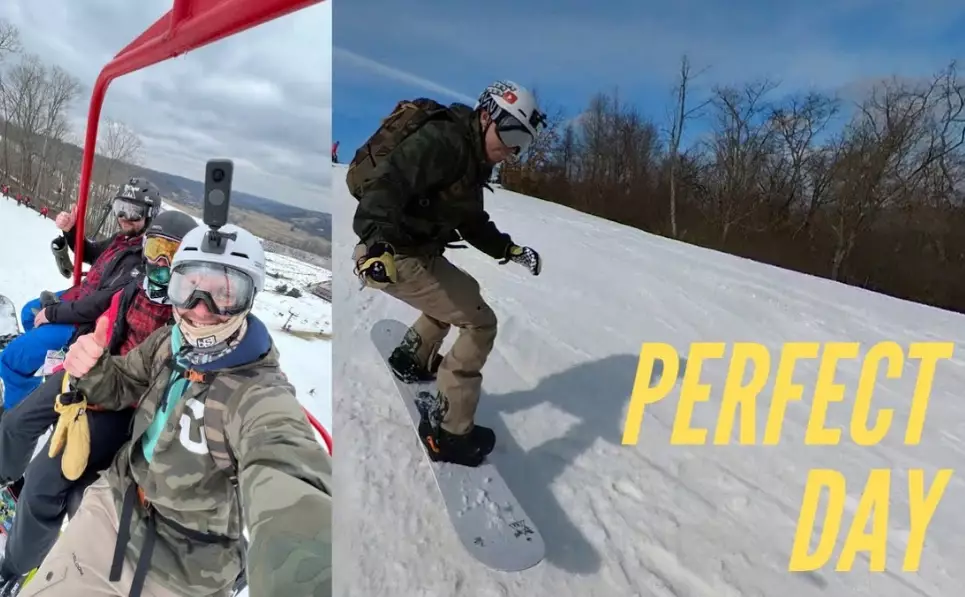
The culture is different too. It's less about apres-ski fashion and more about logging vertical feet. People are here to ride, hard. This creates a fantastic energy on the hill. The resorts themselves are often villages that grew up around the mountain, not fabricated playgrounds. That means better prices off the slopes and a more authentic feel.
Top 3 East Coast Mountains for Snowboarding
Based on consistent terrain quality, snowmaking might, and overall rider experience, these three stand above the rest. They're all in Vermont for a reason—it's the heart of East Coast skiing and snowboarding.
Top 1: Killington Resort, Vermont
The Beast of the East isn't just marketing. At 3,050 feet of vertical with six interconnected peaks, it's massive. This is the place for mileage and variety.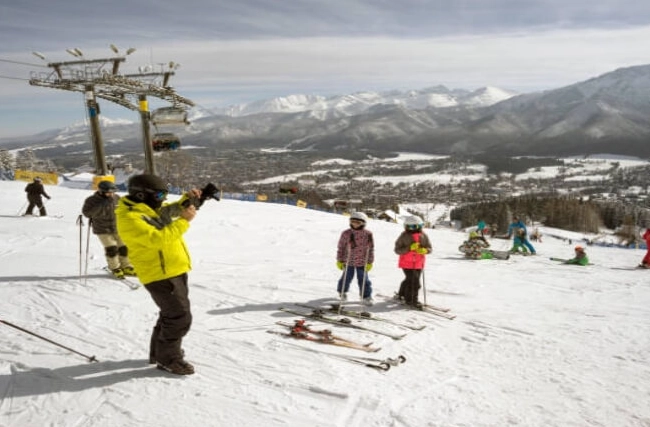
Address: 4763 Killington Rd, Killington, VT 05751
Lift Ticket Window Rate: $169-$199 (peak season). Always buy online in advance for significant discounts.
Season: Typically late October to early June—the longest in the East.
The Snowboarding Terrain: Killington is a choose-your-own-adventure. Need to warm up? Cruise Superstar or Skyelark. Want the steep, bumped-up challenge that defines East Coast riding? Head to the Canyon Area—Outer Limits is one of the longest, most demanding mogul runs you'll find. Their terrain parks, like The Stash, are built with natural features and are world-class. The separate Bear Mountain area is a snowboarder's paradise with its own vibe, parks, and base lodge.
My Take: It can feel sprawling and crowded on weekends, especially at the main K-1 base. My move is to start at Bear Mountain or the Snowshed base to avoid the initial rush. The sheer volume of terrain means you can almost always find a good line if you know where to look.
Top 2: Stowe Mountain Resort, Vermont
If Killington is the beast, Stowe is the classic. It's got the iconic Front Four trails (Starr, Liftline, National, Goat) that are legendary for their steep, narrow, and unforgiving nature. This is where you test your mettle.
Address: 5781 Mountain Rd, Stowe, VT 05672
Lift Ticket: Among the priciest, often $180+ at the window. Look for multi-day or advance deals.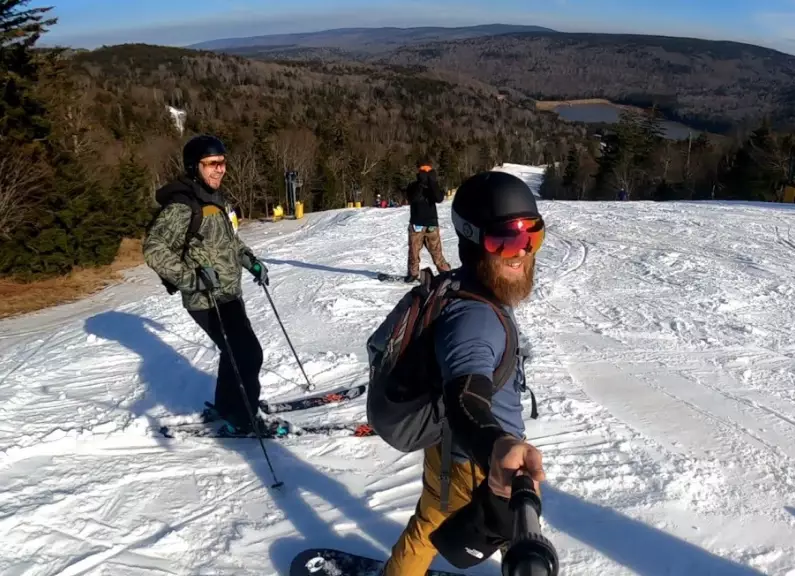
Season: November to April.
The Snowboarding Terrain: The Mansfield side is where the advanced terrain lives. The Forerunner Quad gets you to the heart of it. For intermediates and cruisers, the Spruce Peak side is perfect. Stowe's grooming is impeccable, so even on firm days, the corduroy on trails like Perry Merrill is a dream. Their glades are exceptional—tight, technical, and require good snow coverage. Check out the Nosedive Glades.
My Take: The vibe is more upscale, and the price reflects it. But the terrain on Mansfield is the real deal. A huge plus is the town of Stowe itself, which is one of the best ski towns in the East for food and lodging. Weekdays here are magical; weekends on the Front Four can feel like a conga line of survival.
Top 3: Jay Peak Resort, Vermont
Jay Peak is the wildcard. It's way up north, almost in Canada, which means one thing: snow. It consistently gets the most natural snowfall in the East—over 350 inches annually.
Address: 830 Jay Peak Rd, Jay, VT 05859
Lift Ticket: More reasonable, around $100-$120 online in advance.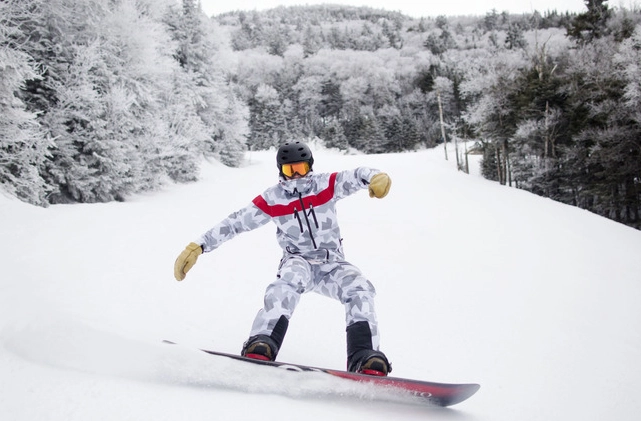
Season: November to early May.
The Snowboarding Terrain: When it snows, there's no better place. The Vermont and Green Mountain flyers give access to incredible glades. The Jay Cloud is real; it can be snowing here while it's raining everywhere else. The Tram takes you to the summit for expert chutes and the famous Hell's Woods. They also have an incredible indoor waterpark, which is a godsend for families or brutal weather days.
My Take: The remoteness is both a pro and a con. You're committed. But if you hit it on a powder day, it's a religious experience. The glade skiing is the best in the East, bar none. Just be ready for more variable conditions and wind holds on the tram compared to southern Vermont resorts.
How to Plan Your East Coast Snowboarding Trip
You can't just wing it here. A little planning turns a good trip into a great one.
When to Go for the Best Snow
Forget December. Early season is a gamble with limited terrain. January through mid-March is your core season. The snowmaking is at full blast, and natural snow chances are highest. President's Day weekend is a zoo—avoid it if you can. Late March can offer fantastic spring riding with softer snow and longer days.
Dealing with the Infamous Conditions
"Icy" is relative. Morning boilerplate often softens into perfect corn snow by afternoon on sunny days. Sharpen your edges before you come. I mean it. A fresh tune is your best friend. Also, pack layers. The temperature at the base can be 15 degrees warmer than the summit. A waterproof shell is non-negotiable.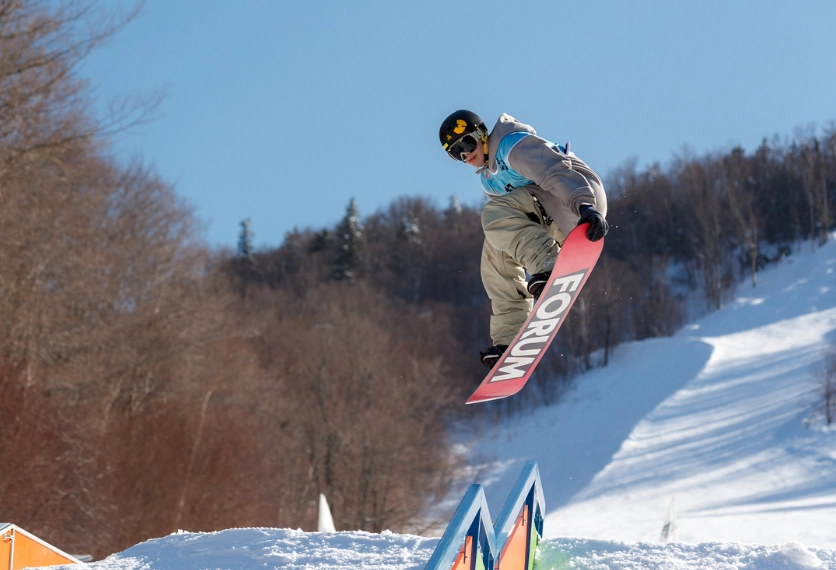
Where to Stay and How to Get Around
For Killington and Stowe, staying on the "Access Road" (Killington) or in the town of Stowe puts you close to restaurants and shuttles. For Jay, you're likely staying at resort-owned lodging or in nearby Montgomery. Renting a car is almost essential for flexibility. Burlington International Airport (BTV) is the best hub for northern Vermont.
Look for lodging packages that include lift tickets. Resorts like Killington and Jay often have "Stay & Ski" deals that are much cheaper than booking separately. The Indy Pass or Mountain Collective can also offer great value if you're planning to hit multiple mountains.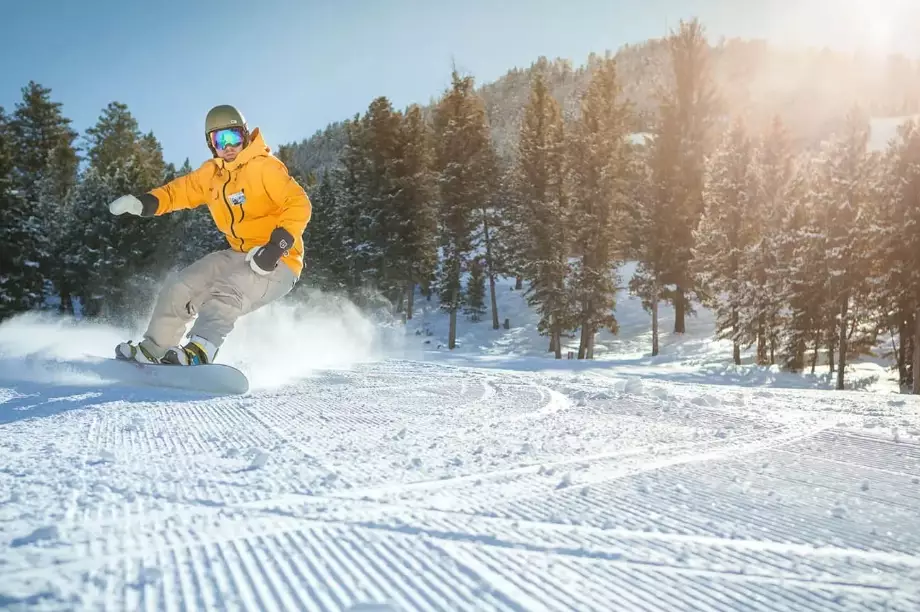
East Coast Snowboarding: Your Questions Answered
I'm an intermediate rider used to Western blues. What's the biggest shock going to an East Coast mountain like Killington?
My family has mixed abilities—some experts, some beginners. Which of these top mountains handles that best?
Is it worth buying my own gear for East Coast conditions, or should I just rent?
Everyone talks about the ice. What's a specific technique to handle a truly icy patch on a steep run?
Related Articles
Comments
Join the discussion