Planning a ski trip that hops from Australia's Snowy Mountains to New Zealand's Southern Alps isn't just a holiday; it's a pilgrimage for snow lovers. I've done this exact trip three times over the past decade, chasing the best snow across the Tasman Sea. The contrast is incredible—from Perisher's sprawling, interconnected bowls to Queenstown's dramatic alpine scenery above glacial lakes. But pulling it off smoothly requires more than just booking flights. You need to understand the quirks of each destination, the best time to go, and how to navigate the logistics without blowing your budget.
Your Journey at a Glance
Tackling Australia's Giant: The Perisher Blue Experience
Let's start in Australia. Perisher isn't just a ski resort; it's a vast, interconnected complex of four main areas—Perisher Valley, Smiggin Holes, Guthega, and Blue Cow. It feels like a small city on snow when it's busy. The first thing most blogs get wrong is telling everyone to stay in Perisher Valley. For families or beginners, Smiggin Holes is often less chaotic and has fantastic learner terrain. For advanced skiers wanting quick access to the Mount Perisher double chair and the off-piste delights of the Back Perisher area, the Valley makes sense.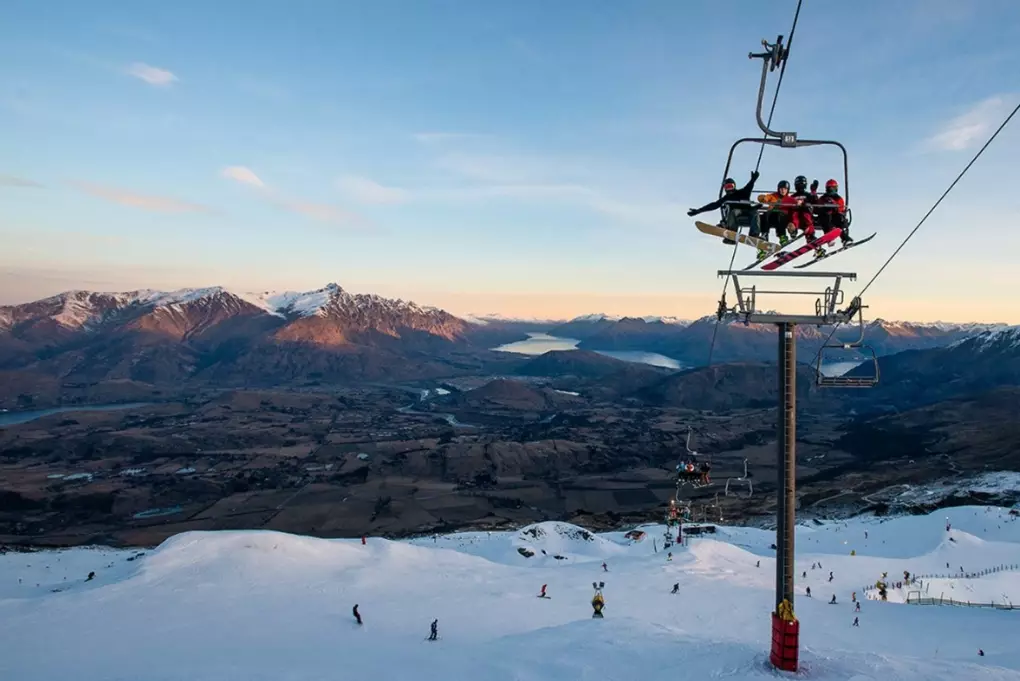
Perisher at a Glance:
Address: Kosciuszko National Park, NSW 2624, Australia. The main access is via the Ski Tube from Bullocks Flat.
Season: Typically early June to early October, with peak snow conditions usually in August.
Lift Tickets (2024 indicative): Adult day pass ~AUD $160-$180. Multi-day and advance purchase discounts apply. Check the official Perisher website for current rates.
Getting There: Fly to Canberra (3-hour drive) or Cooma (1.5-hour drive). Most people drive to Bullocks Flat and take the 10-minute Ski Tube train into the resort—it's part of the experience and saves you from chain-fitting drama.
The Terrain: Beyond the Front Valley
The Front Valley is iconic, but it gets packed and scraped off by 11 am. My non-consensus tip? Head to Blue Cow via the Skitube first thing. The Interceptor chair serves up some of the resort's most consistent intermediate cruisers, and it gets morning sun. Guthega, on the other side, has a more remote feel and often holds softer snow later in the day. The link between Guthega and Perisher can be wind-affected, so check the board at the top of the Freedom chair before committing.
For experts, the hike-to terrain off Mount Perisher is worth the effort on a good day, offering bowls and chutes you wouldn't believe exist in Australia. Just know your avalanche safety—the patrol does controlled work, but the backcountry is real here.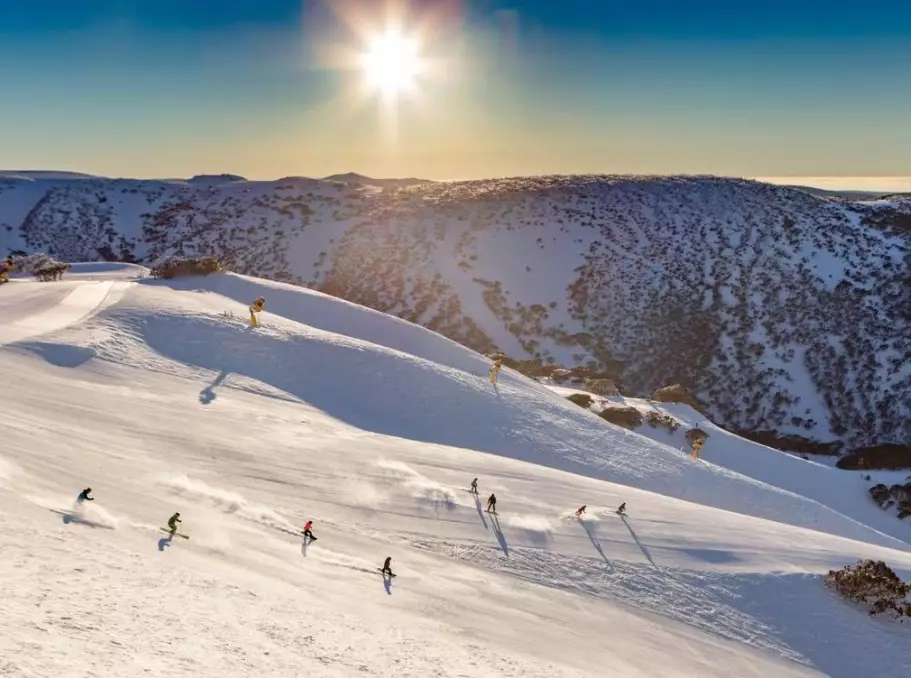
Navigating Queenstown's Four Ski Fields: Which One is Right For You?
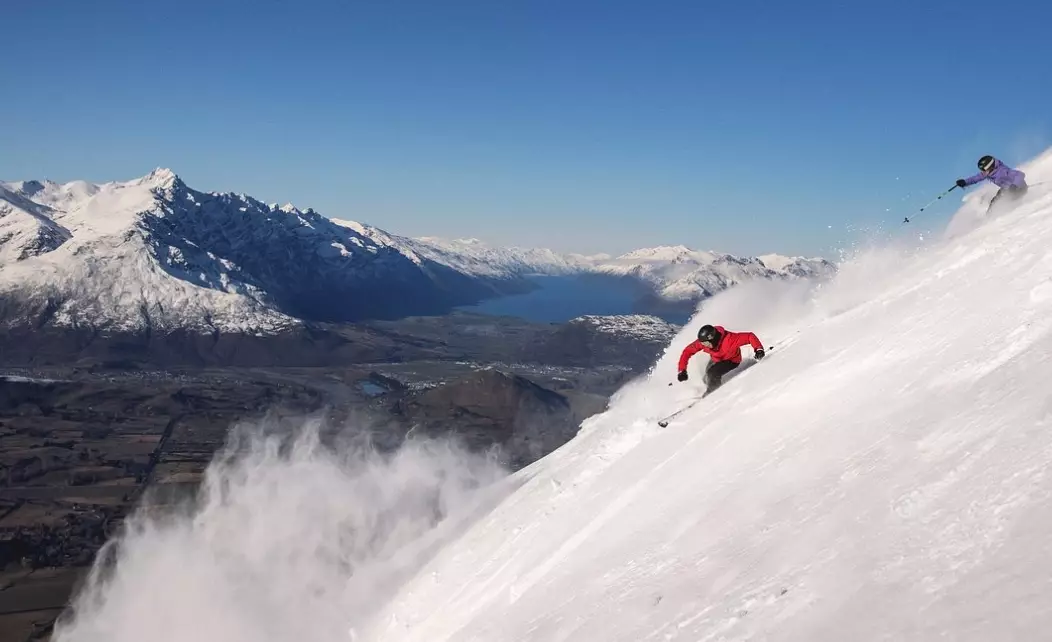
Fly into Queenstown and you're faced with a choice that stumps many first-timers. You have four distinct ski areas within a 90-minute drive: Coronet Peak, The Remarkables, Cardrona, and Treble Cone. Picking the wrong one can mean a day of icy slopes or beginner crowds instead of powder bliss.
| Ski Field | Drive from Queenstown | Best For | Key Consideration |
|---|---|---|---|
| Coronet Peak | 25 mins | Night skiing, convenience, park rats. | Can get very firm (icy) early season or after a freeze. Great for a quick half-day or night session. |
| The Remarkables | 45 mins | Families, beginners, sheltered learning areas. | The access road is steep and winding. Home to the famous "Sugar Bowl" learner area. |
| Cardrona | 1 hour | Everyone. Arguably the most balanced terrain. Famous for its park and pipes. | It's popular, so it can get busy. The wide, rolling slopes are fantastic for intermediates building confidence. |
| Treble Cone | 90 mins (via Wanaka) | Advanced & expert skiers/riders. Steep, challenging terrain and epic views over Lake Wanaka. | Not much for true beginners. The access road is no joke—4WD/chains often required. |
My personal take? If you're based in Queenstown for a week, get a multi-mountain pass like the NZ Ski Pass (covers Coronet & Remarks) and dedicate a day to drive over to Cardrona. Treble Cone is a commitment, but on a powder day after a storm, it's arguably the best in-region experience for strong riders. I've had days at Cardrona where I taught a friend to parallel ski in the morning and hit the massive terrain park in the afternoon—the versatility is hard to beat.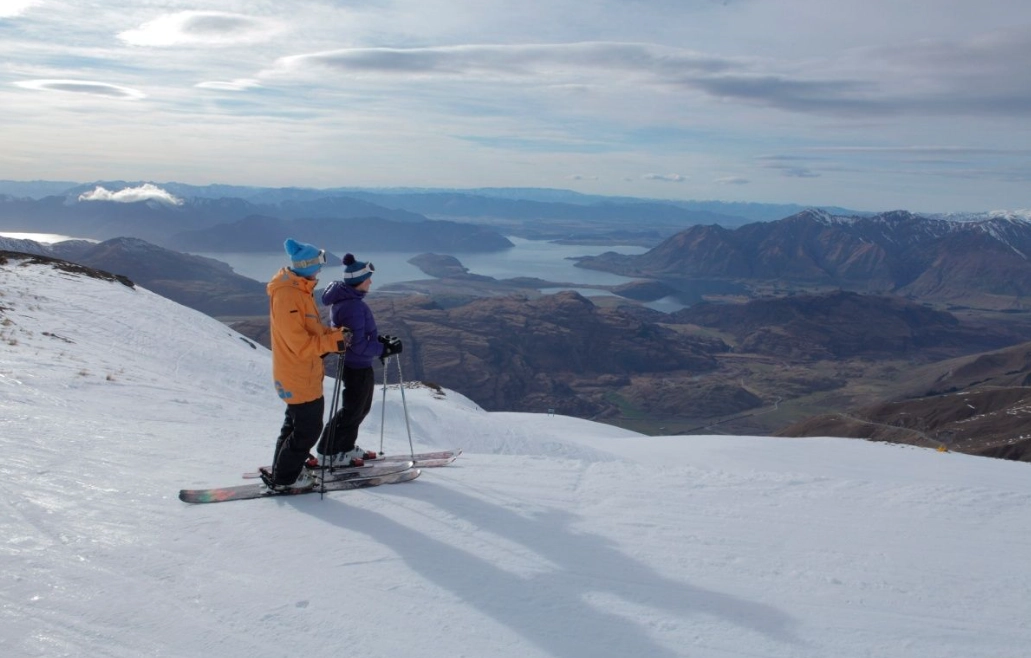
Car Rental Reality Check: Don't just book the cheapest 2WD car. While Coronet Peak and The Remarkables have well-maintained access roads, they are alpine roads. Cardrona's road is paved but high, and Treble Cone's is gravel and steep. Rental companies often have clauses prohibiting driving on certain ski access roads without 4WD/snow chains. Check the fine print, or better yet, book a 4WD. The peace of mind is worth it.
How to Plan Your Trans-Tasman Ski Adventure
Logistics are the make-or-break. The classic mistake is trying to do both in a week. With travel days, you'll only get 3-4 ski days at each place. I recommend a minimum of 10-12 days total.
A Sample 12-Day Itinerary
Days 1-5: Perisher. Fly into Canberra, rent a car (consider one-way to Sydney later), drive to Jindabyne or stay on-mountain. Buy a 4 or 5-day lift pass. Use a day to acclimate and explore the different resort areas. If the snow is low, Thredbo is just down the road and offers a different vibe.
Days 6-7: Travel. Drive to Sydney (5-6 hours). Drop the car. Fly Sydney to Queenstown (approx 3-hour flight). This is a good buffer for weather delays.
Days 8-12: Queenstown. Pick up your 4WD rental in Queenstown. Base yourself here. Use your first day at Coronet Peak or The Remarkables to get your legs back. Then venture to Cardrona. Save a potential Treble Cone day for the best weather forecast.
Accommodation varies wildly. In Perisher, on-snow is expensive but immersive. Jindabyne is more affordable with a 30-minute drive. In Queenstown, staying in the town centre means apres-ski and restaurant options at your doorstep, but you'll drive to the snow each day. The Fernhill area is a quieter, closer compromise.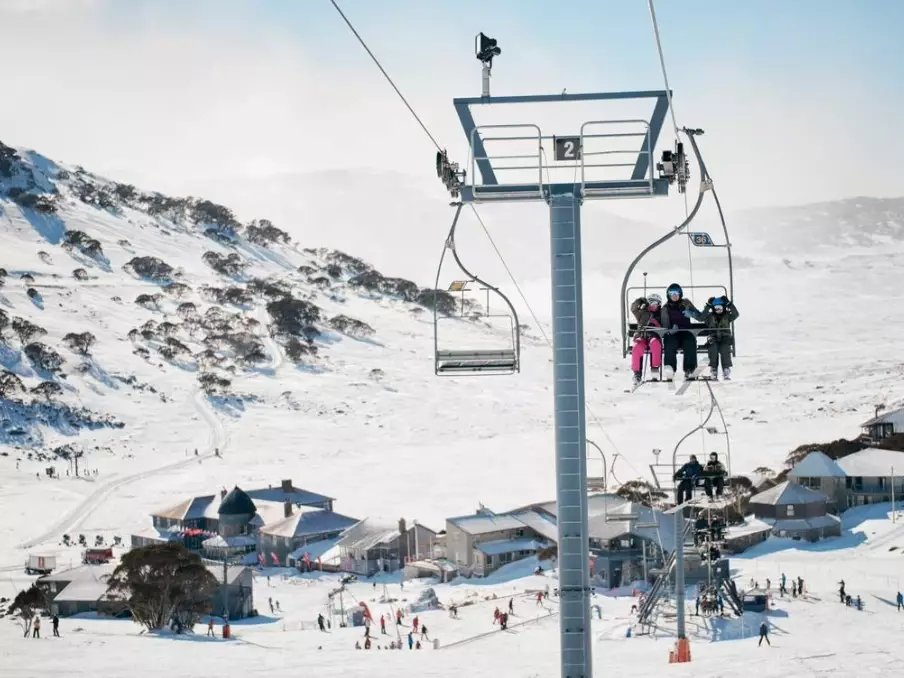
Gear, Season & Insider Tips You Won't Find Elsewhere
The Snow Reliability Question (The Big Pain Point): Let's be honest. Australian snow can be fickle. New Zealand's snow is generally more reliable due to higher base elevations, but it can be denser ("Sierra cement"-like). The absolute sweet spot for this dual-country trip is late July through August. Perisher has had time to build a solid base, and Queenstown fields are in full swing. Early July in Australia can be a gamble with limited terrain open.
Gear: You can rent everything at both destinations to a high standard. But if you bring your own, remember the airline baggage fees. A pro-tip: Rent demo skis/boards in Queenstown. You can try high-end gear for a day at a fraction of the cost to buy, and shops like Small Planet Sports in Queenstown have fantastic selections.
One subtle error I see constantly? People pack for "cold" but not for wet and windy. The weather in both places can change in minutes. A high-quality, breathable waterproof shell and pants are non-negotiable. Layer with merino wool. Don't rely on a cheap ski jacket that soaks through in a sleety afternoon at The Remarkables.
My final piece of advice? Build in flexibility. If Perisher gets a 50cm dump, stay an extra day. If Queenstown has a storm cycle, be ready to chase it. Booking refundable accommodation or leaving a "flex day" in the middle of each leg can turn a good trip into an epic one.
Your Burning Questions Answered (FAQ)
 I'm an intermediate skier. Will I find challenging enough terrain in Queenstown, or is it all for experts?
Related Articles
Comments
Join the discussion