Let's cut through the marketing. Banff Sunshine Village isn't just another pretty resort in the Rockies. It's a beast of a mountain with a unique personality, famous for getting more snow than just about anywhere else in Canada. I've lost count of the days I've spent there over the years, from blinding powder mornings to those frustrating afternoons when the fog rolls in and you can't see your skis. This guide isn't a fluff piece. It's the honest, detailed rundown you need to plan a trip that actually works, whether you're a park rat, a powder hound, or just trying to keep the family happy.
What’s Inside This Sunshine Village Guide
How to Get to Sunshine Village & The Parking Reality
First thing you need to know: you don't drive to the ski lifts. You drive to a parking lot at the base of a mountain road, then take a gondola up to the actual village. The address for your GPS is 1 Sunshine Access Road, Banff, AB T1L 1J5.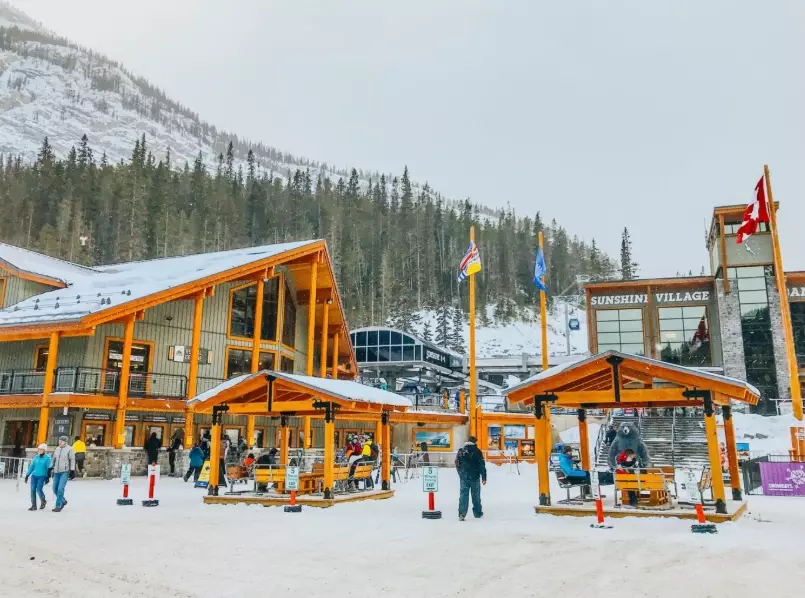
Key Logistics at a Glance
Winter Season: Typically early November to late May. The long season is a huge perk.
Opening Hours: Lifts usually run from 9:00 AM to 4:00 PM. The Sunshine Gondola from the parking lot starts earlier, around 8:00 AM.
Parking: It's free, but it fills up. On a prime Saturday in February, if you're not in the lot by 8:30 AM, you're looking at the overflow lot and a longer walk to the gondola.
Gondola Ride: Takes about 20 minutes. It's included in your lift ticket. This is your commute.
You have other options. Roam Transit runs shuttles from Banff. They need to be booked ahead, especially for weekends. If you're staying at the Sunshine Mountain Lodge, you get to park closer and skip some of the morning gondola chaos—a nice perk, but it comes at a cost.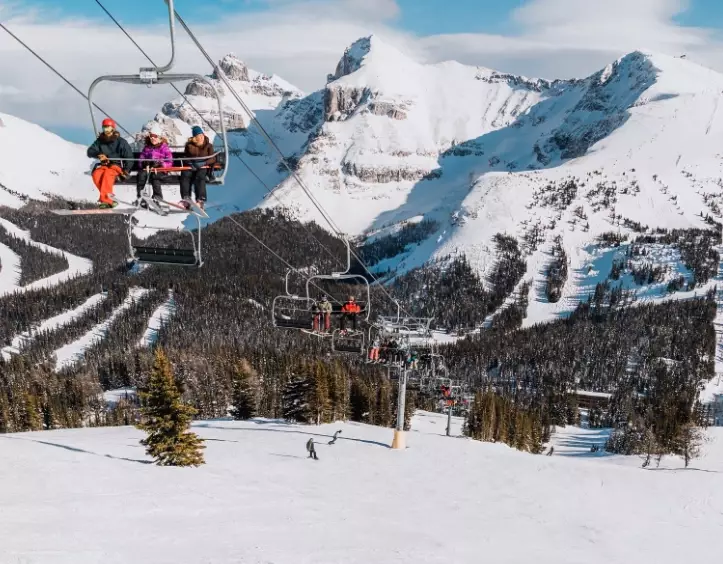
Pro Tip: Pack everything you need for the day into a backpack before you get on the gondola. Forgetting your gloves or goggles in the car means a 40-minute round trip to get them. I've seen it happen, and it ruins a morning.
Lift Tickets, Passes & The Smart Money
Let's talk cost. Walk-up window prices are steep. The single biggest mistake first-timers make is paying full price at the ticket booth.
>You save a significant chunk (often 20%+) vs. the window price. No-brainer.| Ticket Type | Best For | Key Consideration |
|---|---|---|
| Single-Day Advance Online | Anyone buying a day or two in advance. | |
| SkiBig3 Tri-Area Pass | Trips of 3+ days, or those wanting flexibility. | Gives you access to Sunshine, Lake Louise, AND Mt. Norquay. Weather bad at one? Go to another. |
| Season Pass (Sunshine or Ikon) | Locals or those planning 10+ days in the Rockies. | The Ikon Pass includes Sunshine days plus a ton of other global resorts. Crunch the numbers carefully. |
My strong advice? If you're coming for a week-long ski trip to Banff, get the SkiBig3 pass. The ability to shift resorts based on snow, wind, and crowd forecasts is invaluable. Lake Louise might be sunny while Sunshine is in a cloud. Having options makes your vacation.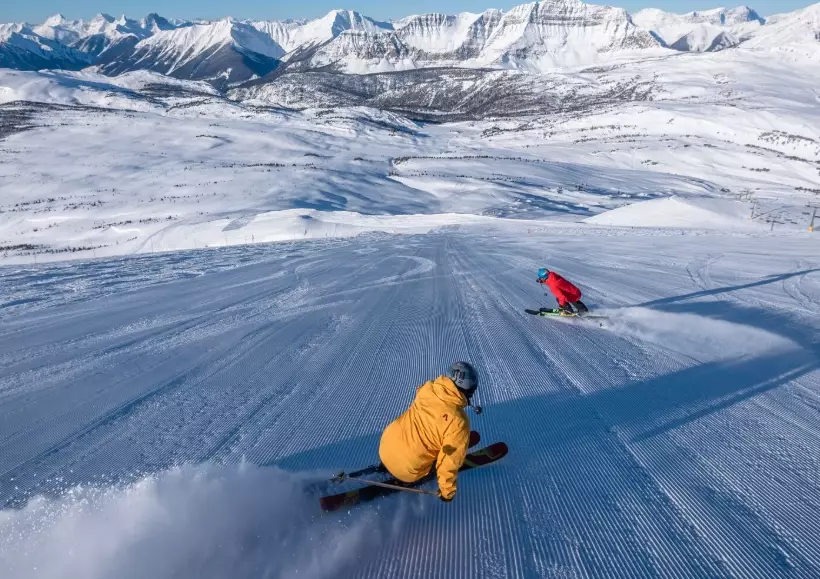
The Mountain Breakdown: Where to Ski & Ride
Sunshine is split into three distinct areas, each with a different vibe. Understanding this layout is crucial to avoiding frustration.
Strawberry & Wolverine (The Front Side)
This is where you start. It's also the primary beginner and intermediate playground. The Strawberry Express quad services wide, gentle greens perfect for learning. Wolverine is a mix of easy blues and some short, fun blacks like “Moose” and “Marmot.” The snow here gets tracked out fastest, but it's also where the sun hits first on a cold morning.
Goat's Eye Mountain
Faces a different direction. It's steeper, often wind-scoured, but can hold incredible snow. This is the expert and advanced-intermediate zone. The Goat's Eye Express chair serves up long, consistent black diamond runs. When it's good, it's really good. When it's icy or windy, it's brutal. Check the board at the top of the lift for grooming reports.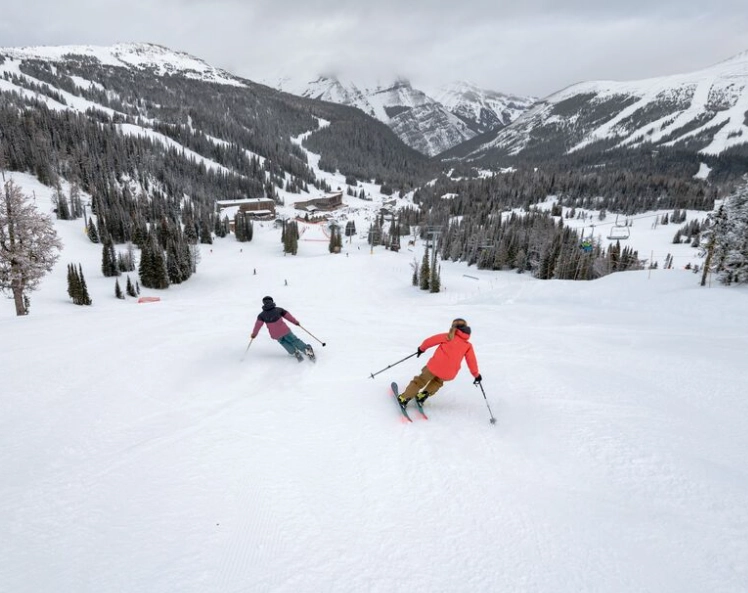
Lookout Mountain & The Great Divide
This is the legendary stuff. You take the Standish Express or the Angel Express to get here. The terrain is vast, with everything from groomed cruisers to the infamous double-black diamond chutes of Delirium Dive and Wild West (which require avalanche transceivers, probes, and partners to enter).
Here's the secret most guides don't emphasize enough: the green runs on Lookout Mountain, like "Wawa" and "Mighty Mo," are not beginner-friendly in the traditional sense. They are long, cat-track-heavy routes designed to get you down the mountain. A nervous beginner will hate them. They're perfect for an intermediate looking for a scenic, long cruise.
Terrain-Specific Tips & Common Mistakes to Avoid
Based on watching thousands of skiers, here’s where people go wrong.
For Beginners: Stay in the Strawberry area until you're confidently linking turns on green runs. Do not let someone talk you into going to "see the view" on Lookout Mountain. The journey back involves narrow cat tracks and potential meltdowns.
For Intermediates: You'll have the most fun. Master the blues off the Wolverine chair, then head to Goat's Eye for a challenge (start with “Southside Chutes” if they're groomed). The blues on Lookout, like “Banff Avenue,” are fantastic long cruisers.
For Experts: Your playground is Delirium Dive and Wild West. But don't sleep on the tree skiing between runs on Goat's Eye and Lookout. After a fresh snow, some of the best untouched lines are there, if you know where to look. Always, always check the avalanche forecast and carry your gear in these areas.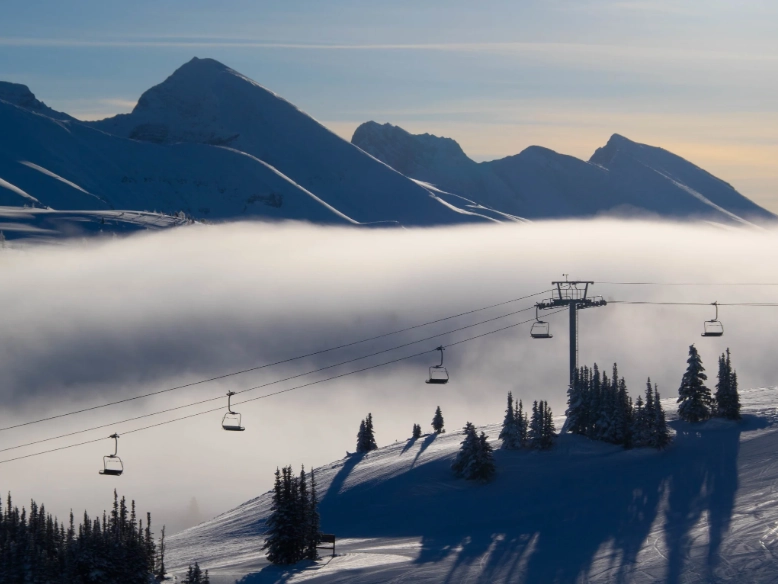
The most common afternoon complaint? "I'm stuck on the wrong side of the mountain." If you finish your day on Lookout or Goat's Eye, you have to plan your last run to get back to the Village base to catch the gondola down. Don't be the person realizing at 3:50 PM that you're at the top of Goat's Eye with a 25-minute ski back to the gondola.
On-Mountain Logistics: Food, Rentals & Lessons
Food: It's expensive and cafeteria-style. The Chimney Corner lounge in the main lodge has slightly better atmosphere. My strategy? Pack a lunch. There are plenty of tables in the lodges to eat your own stuff. If you must buy, the poutine at the Goat's Eye Lodge is a decent calorie bomb.
Rentals: You can rent at the base gondola station (Black Diamond Rentals) or in the Village. Renting in Banff townsite (at shops like Banff Adventures or Ski Big 3) is often cheaper and lets you avoid the morning rental rush. It's a trade-off: carrying gear vs. saving money and time.
Lessons: The ski school is solid. For adults, the small-group “Adventure Sessions” are more fun and productive than a strict lesson. For kids, the programs are well-organized and they'll have a blast. Book online in advance, especially during holiday periods.
Planning Your Trip: Where to Stay & The Bigger Picture
Stay at the Sunshine Mountain Lodge if: You want true ski-in/ski-out, you prioritize first tracks on a powder day, and your budget is flexible. The trade-off is you're captive to the village's limited (and pricey) dining.
Stay in Banff townsite if: You want variety. After skiing, you can choose from 50 restaurants, go shopping, visit the hot springs, or have a night out. The commute (drive + gondola) adds about 45-60 minutes to your daily routine, but for most people, the trade-off is worth it. Hotels range from budget to luxury.
Remember, Sunshine is one of three major resorts in Banff National Park. Lake Louise is bigger and more spread out. Mt. Norquay is small, steep, and close to town. A multi-resort pass gives you the freedom to explore based on conditions and your mood.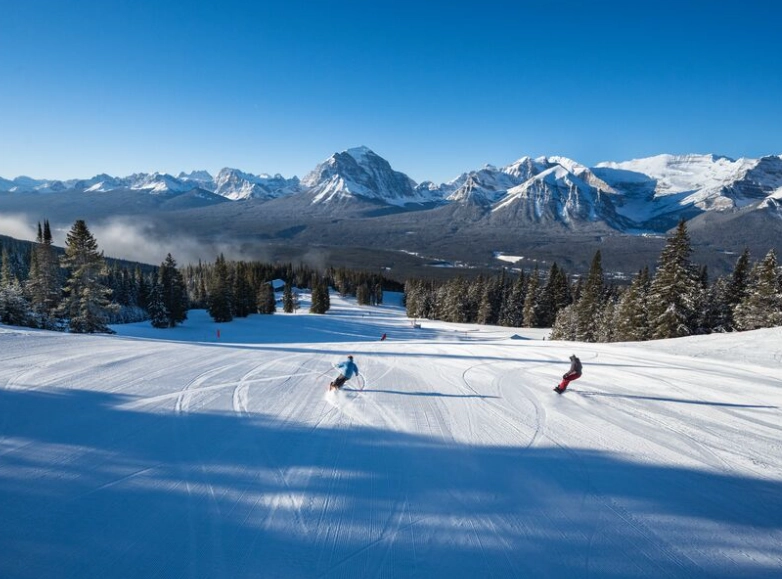
Your Sunshine Village Questions Answered
Sunshine Village is a resort that rewards a bit of homework. Its snow is legendary, its terrain is diverse and challenging, and its setting in Banff National Park is unbeatable. Go in with realistic expectations about the layout and commute, plan your tickets and lodging wisely, and you're set up for an unforgettable ski or snowboard trip. Just remember to look up from your skis every now and then—the view from the Continental Divide isn't bad either.
Related Articles
Comments
Join the discussion