Let's be honest. When you first google "Bogota elevation," you're probably not just curious about a geographical fact. You're likely planning a trip and a little voice in your head is asking, "Am I going to feel like crap when I get there?" I get it. I've lived in Bogota for years, and I've seen every shade of traveler reaction to the altitude, from blissful ignorance to miserable regret.
The short answer is Bogota sits at 2,640 meters (8,660 feet) above sea level. That number comes straight from official city surveys. But that figure alone is useless. What you really need to know is how that number will change your coffee, your hike, your sleep, and your first 48 hours in Colombia's stunning capital.
What You'll Find in This Guide
Bogota's Elevation: The Raw Numbers
Bogota isn't just high; it's the third-highest capital city in the world, after La Paz and Quito. The city sprawls across a high plateau in the Eastern Cordillera of the Andes. The elevation isn't uniform—it slopes. The airport in the west is around 2,548 meters (8,360 ft), while neighborhoods like Usaquén in the north can be a bit lower. The historic center, La Candelaria, is right around that 2,640-meter mark.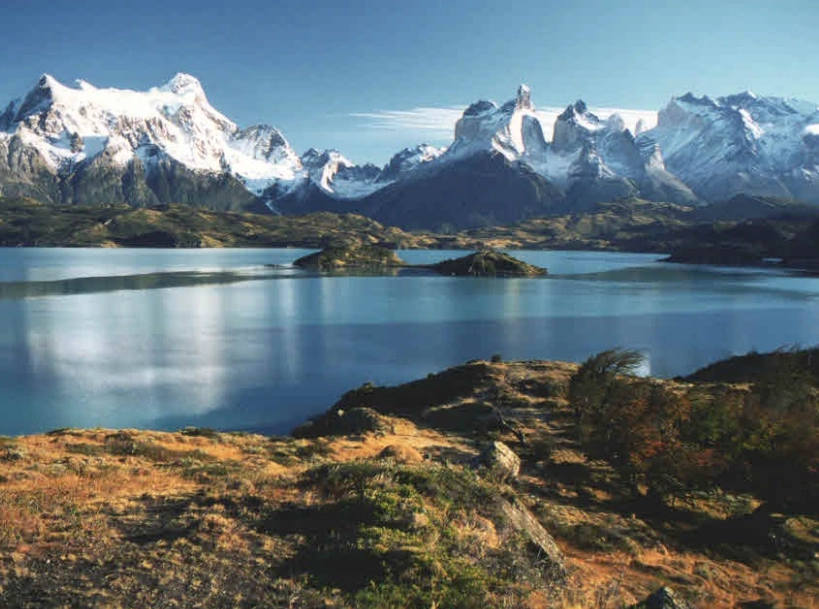
Here’s how it stacks up against other cities. This isn't just trivia; it helps you gauge what "high" really means.
| City | Elevation (Feet) | Elevation (Meters) | Notable Comparison |
|---|---|---|---|
| Bogota, Colombia | 8,660 ft | 2,640 m | Higher than most ski towns in Colorado. |
| Denver, USA | 5,280 ft | 1,609 m | The "Mile High City" is over 3,000 ft lower. |
| Mexico City, Mexico | 7,350 ft | 2,240 m | Bogota is still over 1,300 ft higher. |
| Cusco, Peru | 11,152 ft | 3,399 m | Bogota is significantly lower, a key point for Andean travel planning. |
| Quito, Ecuador | 9,350 ft | 2,850 m | Bogota's closest rival, but still nearly 700 ft lower. |
The data from Colombia's Geographic Institute shows the city's average. But your body feels the extremes. Monserrate, the iconic mountain overlooking the city, peaks at 10,341 feet (3,152 meters). That's the real test.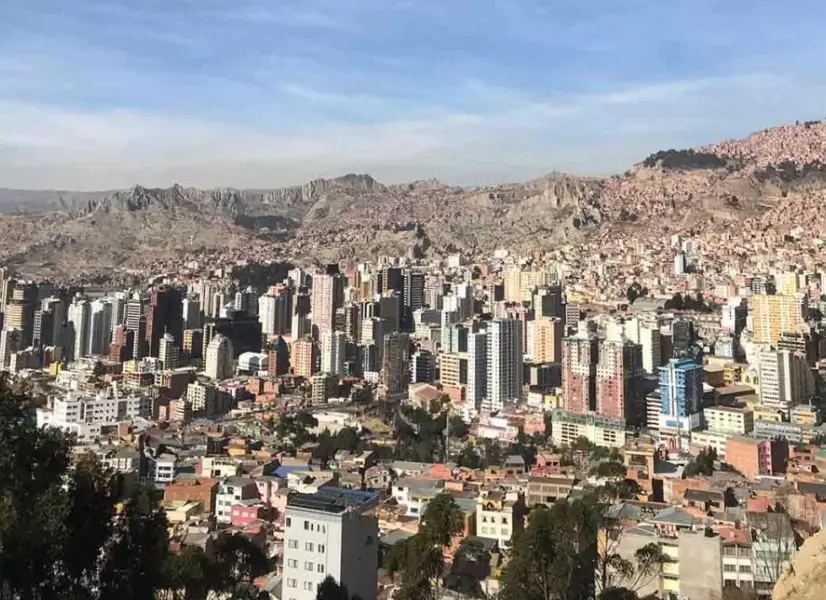
How Bogota's Altitude Affects You (The Traveler)
Here's the part most generic travel blogs gloss over. Altitude sickness, or soroche as it's known locally, doesn't care how fit you are. I've seen marathon runners get hit hard and sedentary folks breeze through. It's unpredictable but manageable if you respect it.
The Symptoms (And How to Spot Them Early)
It usually hits 6-12 hours after arrival. The classic signs are a throbbing headache, unusual fatigue, loss of appetite, mild nausea, and dizziness. You might feel short of breath just walking up a flight of stairs. The headache is the big one—it feels different from a dehydration or stress headache. It's a persistent, dull pressure.
I made a classic mistake my first week. I flew in from sea level, felt fine, and went for a run in Parque Simón Bolívar. Big mistake. Twenty minutes in, I had to stop, my heart was pounding out of my chest, and I spent the rest of the evening with a brutal headache. The lesson? Your first day is for rest, not exertion.
How to Prevent and Treat Altitude Sickness in Bogota
Prevention is 90% of the battle. Follow this list, not just the generic "drink water" advice.
- Hydrate Like It's Your Job: Start 2 days before you arrive. Drink water consistently, not just when you're thirsty. Your pee should be light yellow.
- Avoid Alcohol for 48 Hours: This is the rule most people break and regret. Alcohol dehydrates you and worsens symptoms. Save the aguardiente for day three.
- Eat Light, Eat Often: Heavy meals divert blood to your gut when your body needs oxygen elsewhere. Go for soups, fruits, and simple carbs. Try the local ajiaco soup—it's perfect.
- Take It Embarrassingly Slow: Walk half the pace you normally would. Pause. Look at the architecture. Let your body set the rhythm.
- Consider Coca Tea: It's legal, culturally accepted, and sold in most hotels and markets. It's a mild stimulant that helps with altitude adjustment. It's not a magic cure, but it helps. I keep a bag in my pantry for visiting friends.
- Medication (Consult a Doctor): Acetazolamide (Diamox) is a prescription drug that can help with acclimatization. Talk to a travel clinic before your trip.
If you feel symptoms, stop, rest, hydrate, and take a painkiller like ibuprofen for the headache. Severe symptoms (confusion, inability to walk, severe shortness of breath) require immediate medical attention—go to a clinic.
Bogota's Elevation Shapes the Experience
Once you're acclimated, the elevation becomes Bogota's secret superpower. It defines the city's character in ways most tourists never fully appreciate.
The Perpetual Spring Climate
Bogota has no seasons, just... moods. The average temperature is 57°F (14°C). The sun is intense at this altitude, but the second you step into the shade or a cloud passes, it gets cool. This creates the city's famous "layer" culture. You'll see locals in puffy jackets at 65°F. The key? Always carry a light jacket or sweater. A rain jacket is non-negotiable—afternoon showers are common.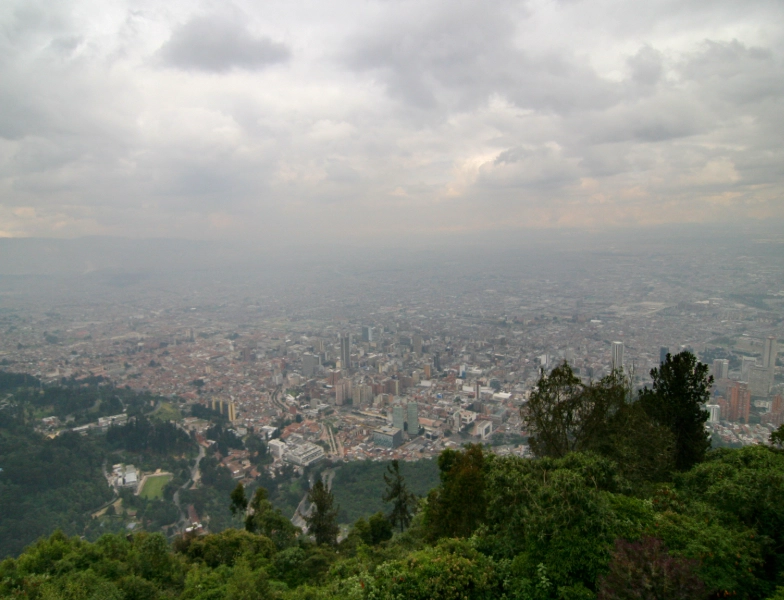
Activities Defined by the Altitude
The thin air changes everything. Here’s what to do, with the altitude factored in.
Must-Do (Altitude-Adjusted):
- Visit the Gold Museum (Museo del Oro): Calle 16 #5-41. Perfect indoor activity for day one. Spend 2-3 hours marveling at pre-Hispanic gold. Entry is about $1 USD. It's breathtaking in every sense.
- Explore La Candelaria on Foot: But do it in the morning. The hills are steep. Start at Plaza Bolívar and wander slowly. The colorful colonial houses and street art are worth the pace.
- Take the Funicular to Monserrate: Cra 2 Este #21-48. Don't hike up on day one. Take the cable car or funicular. The view from the top (10,341 ft) is spectacular, and the church and market are serene. Round trip is around $10 USD. Go for sunset if the weather is clear.
- Ride the Ciclovía on Sunday: Over 75 miles of streets close to cars. Rent a bike and join the locals. The flat routes along Avenida Séptima are great. The altitude makes it a workout, so take breaks.
Save for Later (After Acclimation):
- Hiking in Parque Nacional or Quebrada La Vieja: These are beautiful, forested trails within the city. They involve serious climbing. Save them for your last few days when your red blood cell count has had time to increase.
- Dancing Salsa All Night: The combination of late nights, alcohol, and physical exertion in oxygen-thin air is a recipe for a rough next day. Ease into the nightlife.
Planning Your Trip Around the Altitude
Your itinerary should have a gentle slope upwards in activity intensity. Here’s a sample 3-day plan that respects the elevation.
Day 1: Arrival & Gentle Acclimation
Morning/Afternoon: Land at El Dorado Airport. Take a taxi or pre-booked transfer to your hotel. Do not rush.
Evening: Check in. Drink a big bottle of water. Walk slowly to a nearby restaurant for a light dinner (soup is ideal). Be in bed early. No alcohol.
Day 2: Cultural Immersion (Low Intensity)
Morning: Visit the Gold Museum. It's flat, indoors, and mesmerizing.
Afternoon: Slow stroll through the pedestrian streets of La Candelaria. Visit Plaza Bolívar and the Botero Museum (Calle 11 #4-41).
Evening: Early dinner. Maybe try a cup of coca tea at your hotel.
Day 3: Reaching Higher
Morning: Take the funicular up to Monserrate. Enjoy the views, visit the sanctuary.
Afternoon: Explore the Usaquén market (if it's a Sunday) or the Zona G dining district. You should be feeling more normal by now.
Evening: Now you can consider a nicer dinner and maybe a single drink to celebrate your acclimation.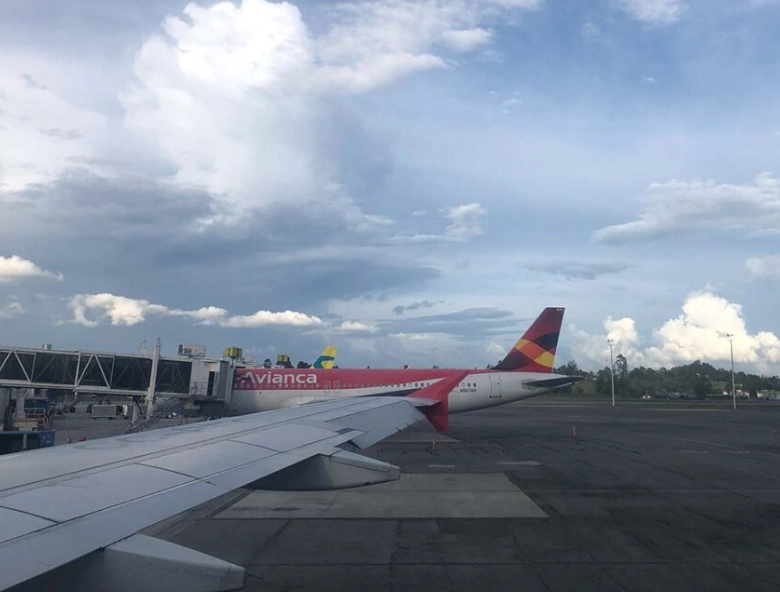
Your Bogota Elevation Questions Answered (FAQ)
Bogota's elevation isn't a barrier; it's a defining feature. It demands a bit of respect and preparation, but in return, it offers a climate, a landscape, and a pace of life that's utterly unique. Pack that jacket, go slow at first, and let the city reveal itself to you from its spectacular, lofty perch in the Andes.
Related Articles
Comments
Join the discussion