You don't need a week off and a cross-country flight to go skiing. Some of the best skiing in the world is sitting just a few hours from major urban centers. I've spent over a decade chasing snow from city apartments, and I'm here to tell you that the perfect weekend ski getaway is not only possible, it's often easier than you think. This guide cuts through the noise to show you exactly which resorts are worth your time, how to get there without the headache, and how to make the most of a short trip.
Your Quick Ski Trip Jumpstart
Northeast & NYC Area Ski Resorts
For New Yorkers, the dream of morning coffee in Manhattan and afternoon turns in Vermont is real. But the choice matters. Everyone knows about the big names, but the secret is matching the resort to your trip length and group vibe.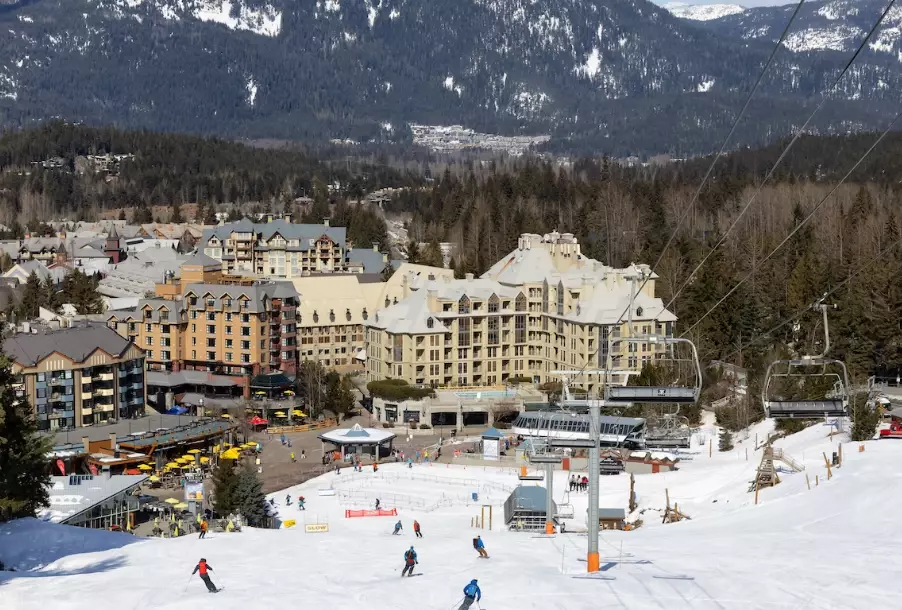
Hunter Mountain, New York
Hunter is the workhorse of NYC skiing. At just over 2 hours drive from the city (traffic on the Thruway is the real boss level), it's the closest major mountain. It has snowmaking that borders on obsessive, which is a lifesaver in inconsistent Northeast winters. The terrain is solid for intermediates, with a few legit expert chutes off the North side. The base village feels a bit dated, but the convenience is unbeatable. Lift tickets hover around $120-$150 on weekends. Pro tip: Get the first shuttle bus from the city if you're not driving—you'll beat the crowds to the fresh corduroy.
Windham Mountain, New York
Just down the road from Hunter, Windham markets itself as the more "family-friendly" and upscale option. It's true. The crowds can be slightly less intense, and the grooming is impeccable. It's a fantastic mountain for beginners and cruisers. The trade-off? It's a bit pricier and the expert terrain is limited. If you're bringing kids or just want a relaxed, predictable ski day, Windham wins. Check their website for NYC bus packages that bundle transport and lift tickets—it can save you the rental car hassle.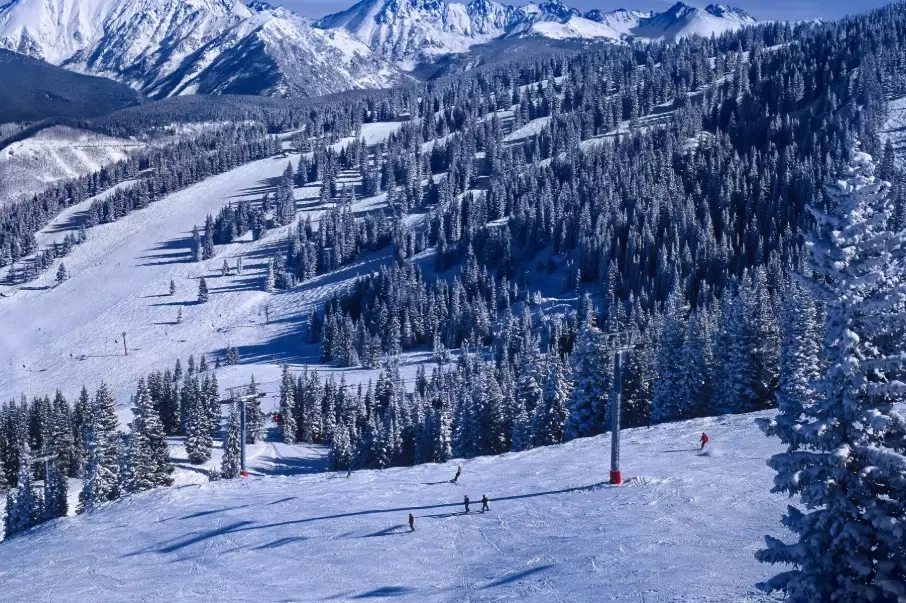
Stratton Mountain, Vermont
Pushing the day-trip limit at about 3.5 to 4 hours from NYC, Stratton is where you go for a proper weekend. The drive is longer, but you're rewarded with a more complete Vermont experience. The village is charming (if a bit corporate), the mountain has great variety, and the snow quality is typically better than the Catskills. This is where I'd recommend staying overnight. Book a condo, enjoy the apres-ski scene, and get two full days on the hill. The Ikon Pass includes Stratton, which is a major plus for frequent skiers.
Rocky Mountain & Denver Area Ski Resorts
Denver is in a league of its own. The phrase "ski resorts near major cities" was practically invented for it. But with so many world-class options within 2 hours, the paradox of choice is real. It's not just about picking the best mountain; it's about picking the right one for the conditions and the day.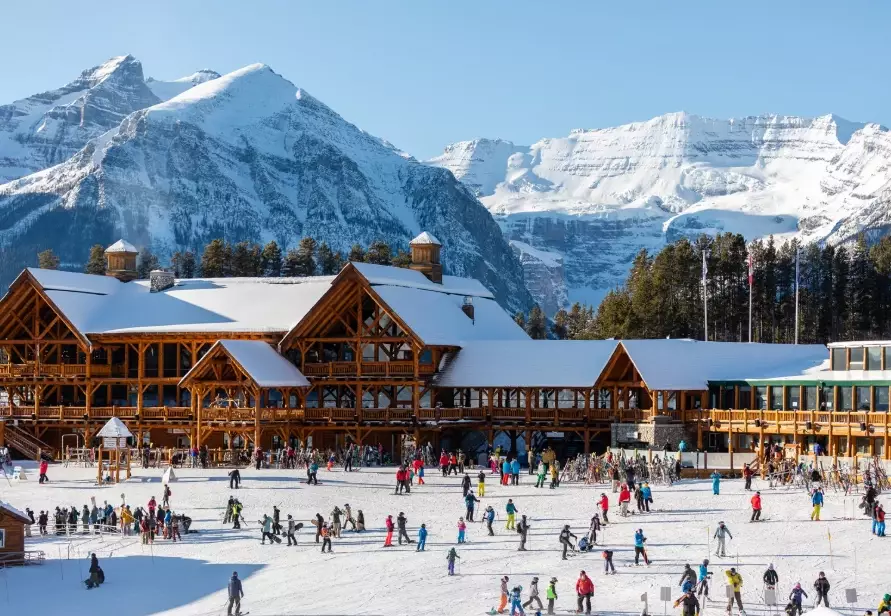
| Resort | Drive Time from Denver | Best For | Key Consideration | Lift Ticket (Peak) |
|---|---|---|---|---|
| Loveland Ski Area | ~60 mins | Experts, powder hounds, value seekers | No base village, pure skiing focus. Cat skiing access. | $100 - $120 |
| Arapahoe Basin | ~75 mins | Long season, expert terrain, iconic vibe | High altitude (base over 10,000 ft). Legendary East Wall. | $130 - $150 |
| Winter Park Resort | ~90 mins | Families, all ability levels, consistent snow | Accessible by train (Amtrak's Winter Park Express). Massive variety. | $160 - $190 |
| Copper Mountain | ~75 mins | Natural terrain progression, intermediates | Free parking (a huge deal). Terrain naturally separates abilities. | $170 - $200 |
My personal go-to for a quick hit is Loveland. It's no-frills, the lift tickets are reasonable, and the snow on the Continental Divide is often deeper and drier than at resorts further down I-70. The lack of a fancy village keeps the crowds down. For a weekend with friends who have mixed abilities, Winter Park is hard to beat. The train option is a game-changer—you can avoid the I-70 traffic entirely, drink a beer, and show up relaxed.
The universal Denver headache is I-70 traffic. It's legendary for a reason. If you're driving, you must be on the road by 6 a.m. on a Saturday, no exceptions. Otherwise, you'll be sitting in Georgetown while the fresh tracks get skied off.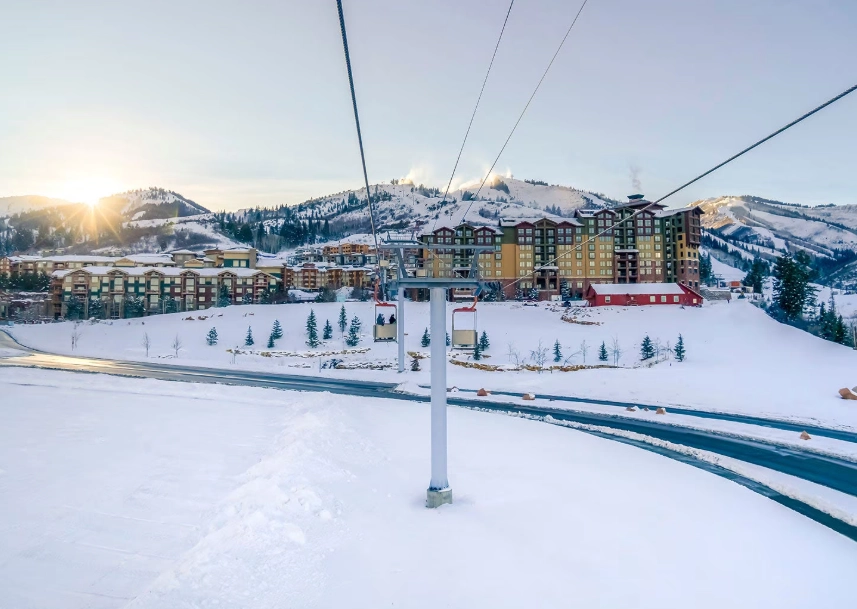
Pacific Northwest (Seattle & Vancouver) Ski Resorts
The Pacific Northwest offers a different kind of city skiing—think dense evergreen forests, heavier (but copious) snow, and stunning views of water and mountains. The culture here is less about glitz and more about gritty, passionate skiing.
Stevens Pass, Washington (Near Seattle)
About a 90-minute drive east on US-2 from Seattle, Stevens Pass is a local's mountain. It gets dumped on—annual snowfall is often 450+ inches. The terrain is fantastic, with a good mix of everything. The backside (Mill Valley) has some epic advanced lines. The downside? The base facilities are basic, and the road (US-2) can close during big storms. Check the Washington State DOT site religiously before you go. An Epic Pass mountain.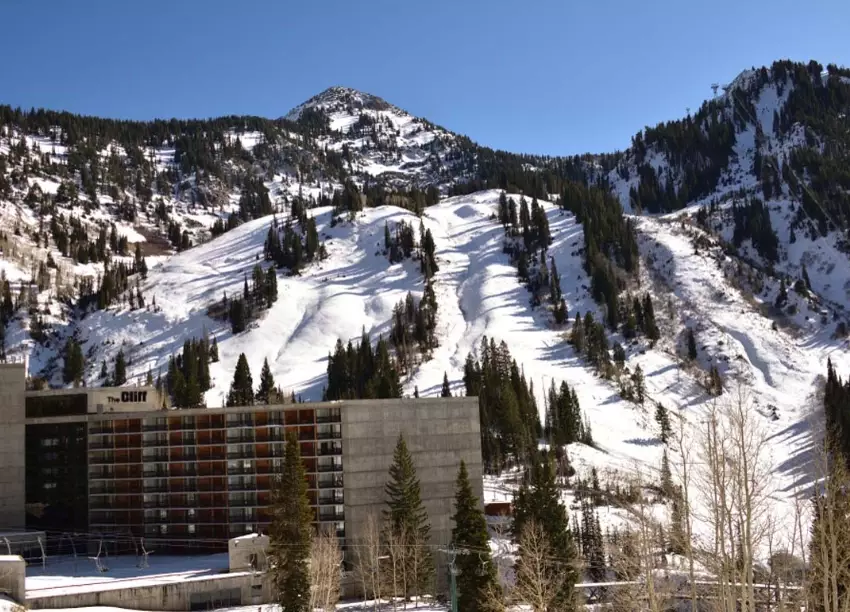
Cypress Mountain, British Columbia (Near Vancouver)
You can see the lights of Cypress from downtown Vancouver. It's a 30-minute drive to a legitimate ski hill with Olympic legacy (hosted 2010 freestyle and snowboard events). This is the definition of urban skiing. The terrain is fun, the night skiing is excellent, and the view of the city and ocean from the top is unreal. It's not a destination resort, but for an after-work session or a casual weekend day, it's perfect. They offer shuttle service from various points in Vancouver.
International City Skiing: Tokyo & Beyond
To expand the definition of "major city," look at Tokyo. The concept of "ski resorts near major cities" reaches its zenith in Japan. You can take a bullet train (Shinkansen) from Tokyo Station and be at the base of a world-class ski resort in 90 minutes.
Gala Yuzawa is the most famous example. The Shinkansen station is literally in the ski resort building. You can rent everything, buy a lift ticket, and be on the slopes within 20 minutes of getting off the train. The terrain is beginner/intermediate friendly, and it gets great Japow (Japanese powder). It's crowded on weekends, but as a logistical marvel and a unique experience, it's unbeatable. For more advanced terrain, a slightly longer train or bus ride will get you to resorts like Naeba or Kagura, which are interconnected and massive.
This model highlights what's possible: seamless public transport integration that makes a car optional. It's something many North American resorts are still struggling to figure out.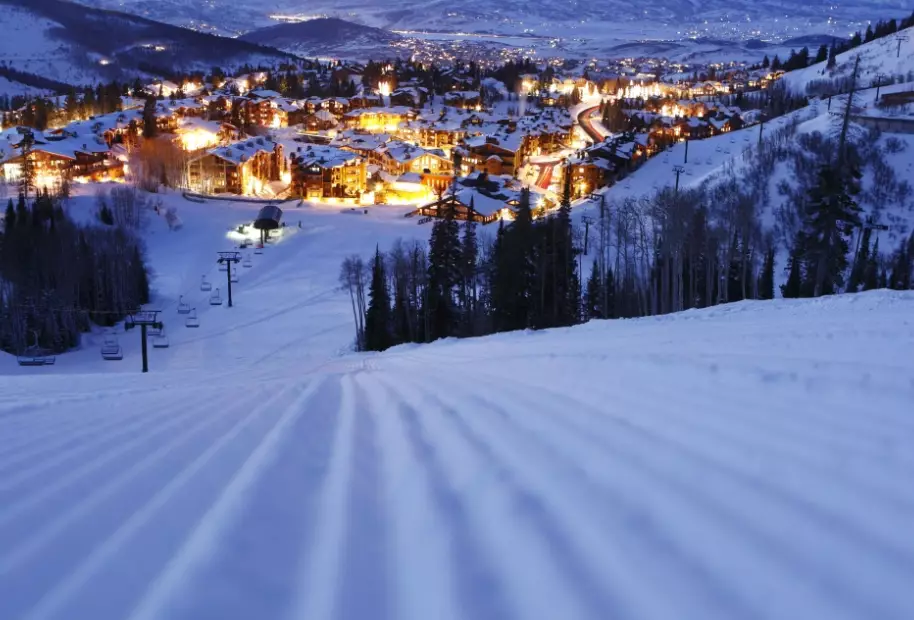
How to Choose the Right City-Proximity Ski Resort
Picking a resort isn't just about the trail map. After a decade of weekend warrior trips, I've learned to prioritize a few less-obvious factors.
First, be brutally honest about your goal. Is it to maximize vertical feet? Then prioritize a resort with high-speed lifts and a layout that minimizes traversing. Is it a relaxed trip with a non-skier? Then base village amenities and alternative activities (spa, shopping) matter more than acreage.
Second, research the parking situation like it's part of the lift ticket cost. Is it free? Is it a chaotic free-for-all that adds 45 minutes of stress? Does it sell out? Resorts like Alta or Brighton in Utah (near Salt Lake City) have notorious parking reservation systems. Know before you go.
Third, look beyond the vertical drop. A mountain with a smaller vertical but a smart, crowd-dispersing layout can offer a better experience than a taller mountain with all the lifts funneling into one base area. This is a subtle point most reviews miss. A resort like Sunshine Village near Calgary (another fantastic city-ski option) spreads everyone out across three distinct base areas, which dramatically reduces lift line feel.
My non-consensus take? For a one-day trip from a city, lift ticket price and guaranteed travel time are more important than sheer terrain size. You're not going to ski the whole mountain in one day anyway. A cheaper, closer, reliably accessible mountain you'll actually go to is better than the "best" mountain that's a traffic nightmare you only attempt once a season.
Your City Ski Trip Questions Answered
Related Articles

Comments
Join the discussion