Let's cut to the chase. Mammoth Mountain Ski Area isn't just a ski resort; it's a sprawling, snow-packed kingdom perched on the eastern edge of the Sierra Nevada. With over 3,500 acres of skiable terrain, 25 lifts, and a snow season that often stretches into July, it's the heavyweight champion of California skiing. But its sheer size can be overwhelming. I've been skiing here for over a decade, and I still discover new lines and make rookie mistakes. This guide is the one I wish I had before my first trip—packed with the nitty-gritty details you need to plan, not just generic fluff.
What You'll Find in This Guide
- Decoding Mammoth's Massive Terrain
- Planning Your Mammoth Ski Trip: The Essentials
- Navigating Mammoth Mountain Lift Tickets and Passes
- Where to Stay: The Village vs. The Outskirts
- Getting to Mammoth Mountain: Fly, Drive, or Bus?
- Expert Tips to Ski Mammoth Like a Local
- Your Mammoth Mountain Questions, Answered
Decoding Mammoth's Massive Terrain: Where to Ski for Your Skill Level
Looking at the trail map is intimidating. It's a spiderweb of lifts and runs. The key is to think of the mountain in three main zones, each with a distinct personality.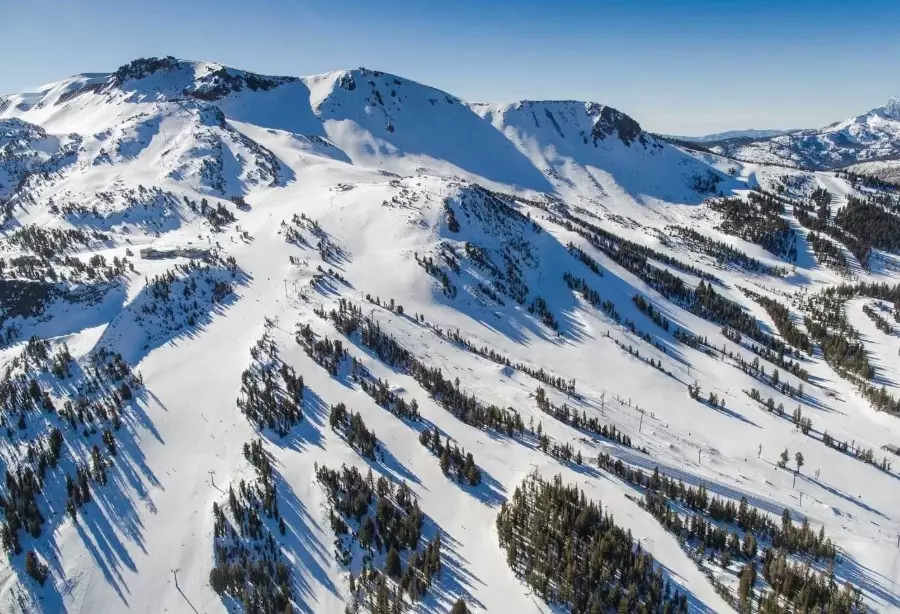
The Canyon & Eagle Lodge Area: Family & Beginner Central
If you're new to skiing or have kids in tow, start here. The slopes around Eagle Lodge and Chair 15 are wide, gentle, and perfect for finding your snow legs. The learning area is segregated from faster traffic, which is a huge relief for nervous beginners. A common mistake? Heading straight to the Main Lodge because it's the big, iconic base. That area gets congested and the green runs funnel into blues quickly. Eagle is your friend.
The Main Lodge & Stump Alley: The Thrill Seeker's Highway
This is the heart of the action. Lifts like Chair 1 (Broadway Express) and Chair 2 (Stump Alley Express) service a mix of long, groomed cruisers and steep, challenging bumps. On a powder day, the trees off Chair 3 are legendary. But here's my non-consensus take: everyone rushes to Chair 1 first thing. Instead, take Chair 2 up, ski down to Chair 5 (High Five), and work your way across the mountain. You'll avoid the initial crush and find better snow.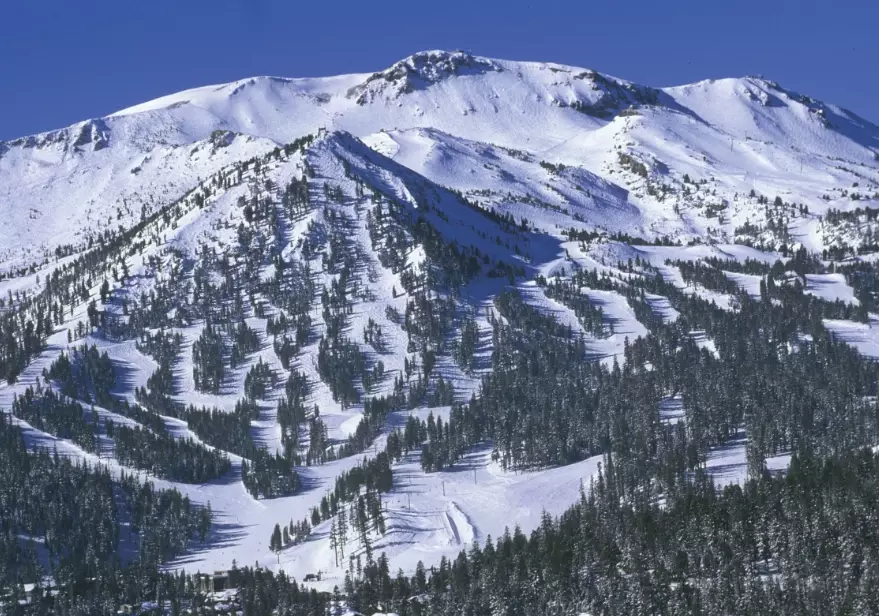
The Summit & Backside: Expert-Only Playground
Chairs 23, 14, and 9 (the infamous Chair 9) access the steepest, most exposed terrain. The views from the 11,053-foot summit are insane, but the wind can be brutal. The backside (Chair 22) holds powder for days but requires a commitment—it's a long traverse out if your legs give up. Don't just follow the crowd off the top. Check the wind direction and sun exposure. The leeward side will always have better, softer snow.
Planning Your Mammoth Ski Trip: The Essentials
Mammoth isn't a "decide on Friday, go on Saturday" kind of place for most. A little planning goes a long way.
Best Time to Ski Mammoth
This breaks the usual rules. The holiday periods (Christmas, President's Day) are packed and expensive, but the snow is usually reliable. January can be bitterly cold but has fewer crowds. The real sweet spot? Late February through April. The days are longer, the sun is out, the snow is soft (corn snow!), and the mountain is still 100% open. I've had epic powder days in March and perfect spring skiing in May. Don't write off the late season.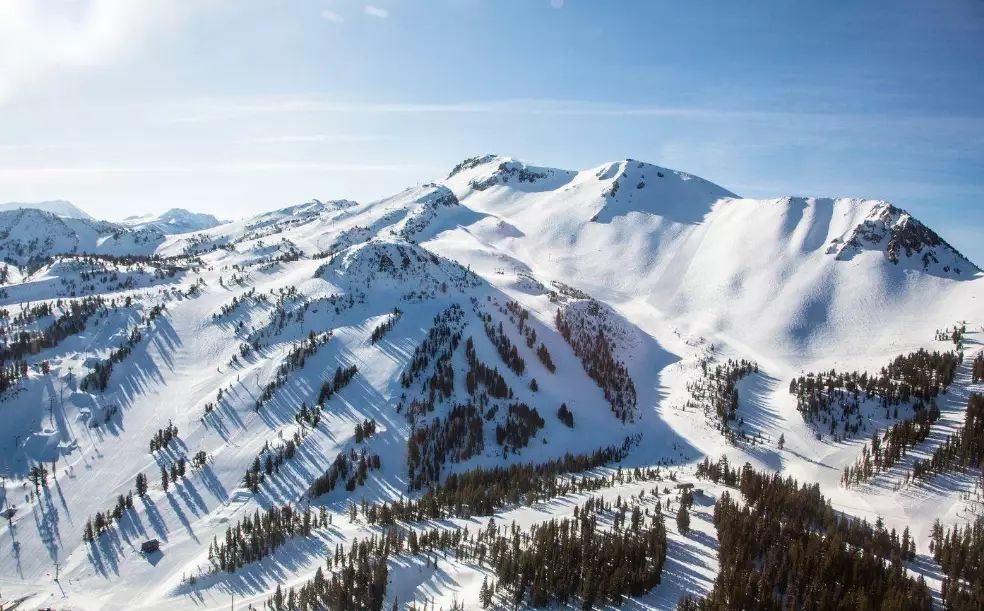
What to Pack That Most People Forget
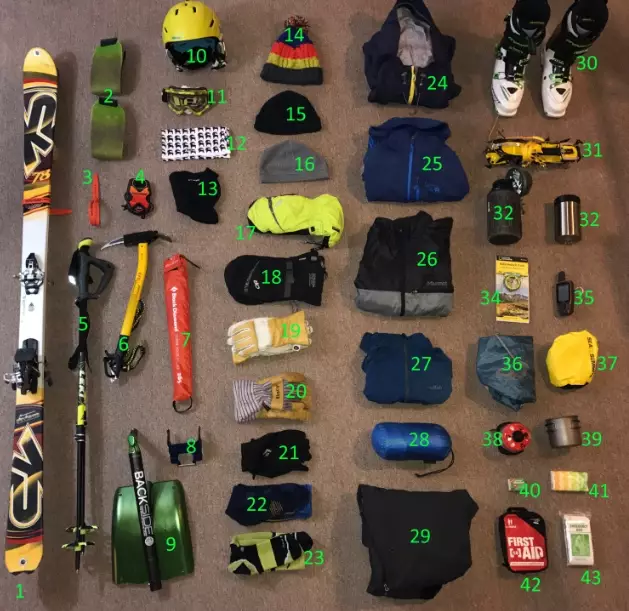
Everyone packs gloves and goggles. Here's what they don't:
- High-altitude sunscreen (SPF 50+) and lip balm. The sun at 9,000 feet is no joke, even on cloudy days.
- A hydration pack or insulated water bottle. The air is dry, and dehydration leads to fatigue and altitude sickness.
- Footbeds/insoles for your ski boots. You'll be walking on ice and concrete in stiff boots. Comfortable footbeds are a game-changer.
- Layers, not just one big jacket. The temperature can swing 30 degrees from morning to afternoon. A moisture-wicking base layer, a fleece mid-layer, and a shell are the trifecta.
Navigating Mammoth Mountain Lift Tickets and Passes
Lift tickets are the biggest expense. Buying at the window is financial suicide. Plan ahead.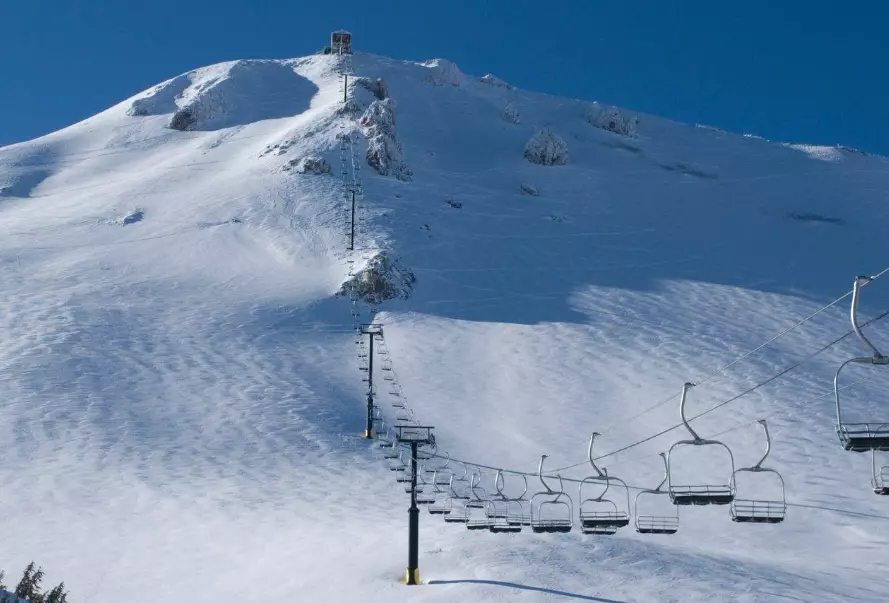
| Ticket/Pass Type | Best For | Key Detail & Savings Tip |
|---|---|---|
| Single-Day Advance Purchase | First-timers or short trips (1-3 days) | Buy online at least 48 hours in advance. Savings vs. window price can be $40+ per day. Prices are dynamic, so earlier is usually cheaper. |
| Multi-Day Pass (2+ days) | Week-long vacationers | The per-day rate drops significantly. A 4-day pass is often the best value for a Monday-Thursday trip. |
| Ikon Pass / Ikon Base Pass | Frequent skiers who visit other resorts | Ikon Pass offers unlimited days at Mammoth. The Ikon Base Pass offers 5 combined days. If you're skiing 5+ days at Mammoth or plan to visit other Ikon resorts (like Palisades Tahoe, Big Bear), this is a no-brainer. |
| Mammoth Mountain Season Pass | Locals or those taking multiple extended trips | Unlimited access. The early-bird price (usually before April) is the best deal. Includes benefits like guest tickets and food discounts. |
Where to Stay: The Village vs. The Outskirts
Your choice of lodging defines your trip vibe.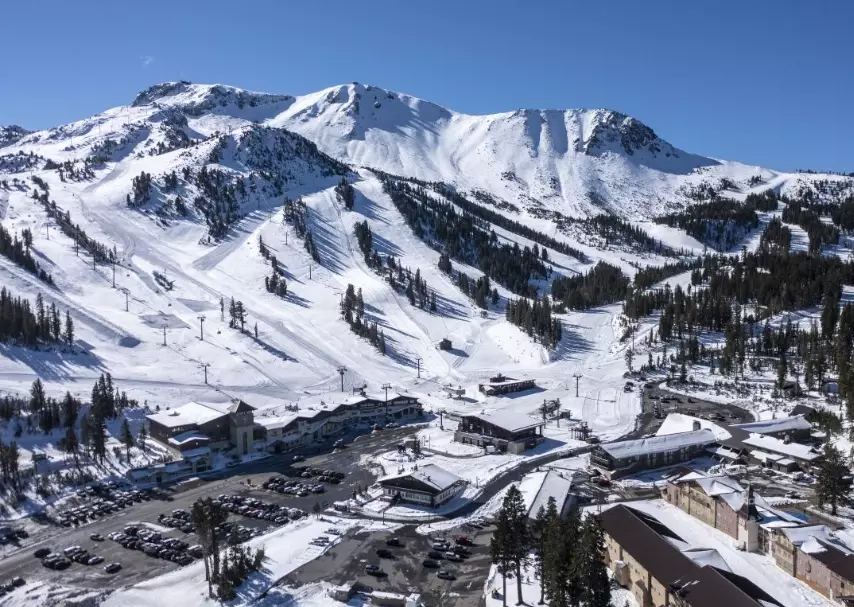
The Village at Mammoth is all about convenience. You can ski-in/ski-out to the Canyon Lodge area via the Village Gondola. There are restaurants, bars, and shops at your doorstep. It's lively, expensive, and can be noisy on weekends. Great if you don't want to drive.
The Outskirts (Along Old Mammoth Road, Main Street) offer better value. You'll need to drive or take the free town shuttle (which is excellent and runs frequently) to the slopes. You get more space, often a kitchen, and a quieter stay. I usually stay here because I'd rather spend money on a nicer condo than on a parking spot view.
Don't overlook June Lake, a 20-minute drive north. It's significantly cheaper, charming, and has its own small ski area (June Mountain). The commute is scenic and easy.
Getting to Mammoth Mountain: Fly, Drive, or Bus?
Driving from Southern California (LA/Orange County) is the most common route. It's about a 5-6 hour drive up US-395, one of America's most stunning highways. Always, always carry tire chains in your vehicle from November through April. The California Highway Patrol (CHP) will set up checkpoints and turn you around without them. I've seen it happen dozens of times.
Flying into Mammoth Yosemite Airport (MMH) is ultra-convenient but flights are limited and weather-dependent. Reno-Tahoe International (RNO) is a more reliable option, but it's a 3-hour drive from there. You'll need a rental car.
The Eastern Sierra Transit Authority (ESTA) bus runs from Reno and Bishop to Mammoth, and the local Mammoth Lakes Transit system is a fantastic, free way to get around town once you're there. Seriously, use the bus. Parking at the Main Lodge is a competitive sport.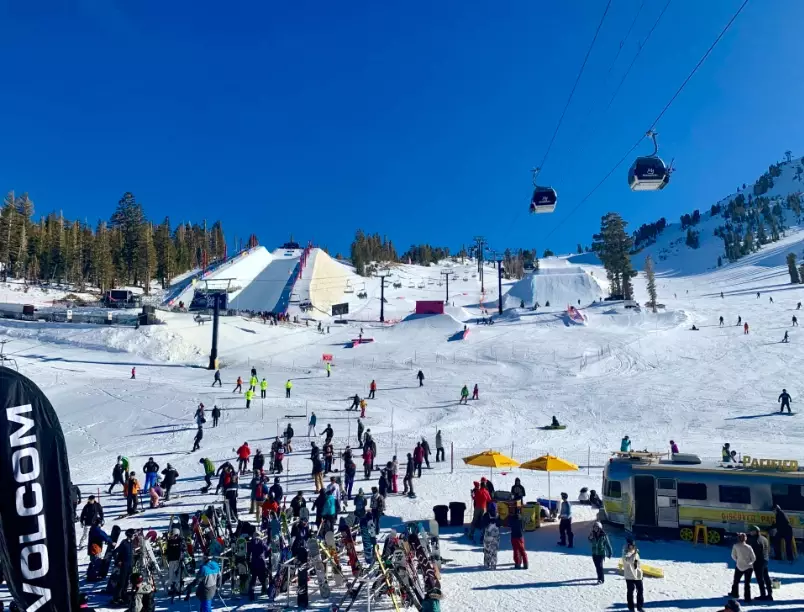
Expert Tips to Ski Mammoth Like a Local
Here's the stuff you won't find on the official website.
Lunch Strategy: Avoid the overcrowded, overpriced main lodges. Pack a lunch and tailgate in the parking lot (sunny days are best). Or, ski down to The Mill Cafe at the bottom of Chair 2—it's slightly off the radar and has better food. If you must eat on-hill, go early (11:15 AM) or late (1:30 PM).
Altitude Acclimation: You're going high. Drink twice as much water as you think you need, starting the day before you arrive. Go easy on alcohol the first night. I take the first afternoon very casually, maybe just a few runs off Chair 11, to let my body adjust.
Après-Ski That's Not Just a Bar: The Wild Willy's Hot Spring is a 15-minute drive from town. Sitting in a natural hot spring as the sun sets behind the mountains is the perfect end to a ski day. (Please respect the area—pack out all trash).
Your Mammoth Mountain Questions, Answered
Mammoth Mountain is a resort that rewards a bit of homework. It's not the cheapest or the easiest mountain to get to, but for consistent snow, vast terrain, and that classic California Sierra vibe, it's hard to beat. Use this guide as your blueprint, book your tickets and lodging early, and get ready for one of the most memorable ski trips on the continent.
Related Articles
Comments
Join the discussion