Let's cut straight to the chase. Your first ski holiday shouldn't be a battle against steep, icy chutes or navigating a labyrinth of expert-only reds and blacks. It should be about wide, gentle slopes that fill you with confidence, not fear. Europe is packed with resorts, but many are built for experts, leaving beginners feeling like an afterthought. After a decade of guiding nervous first-timers, I've learned that the perfect beginner resort isn't just about having a few green runs—it's about the entire ecosystem: the layout of the village, the type of lifts, the quality of the ski school, and that intangible feeling of being welcome, not tolerated.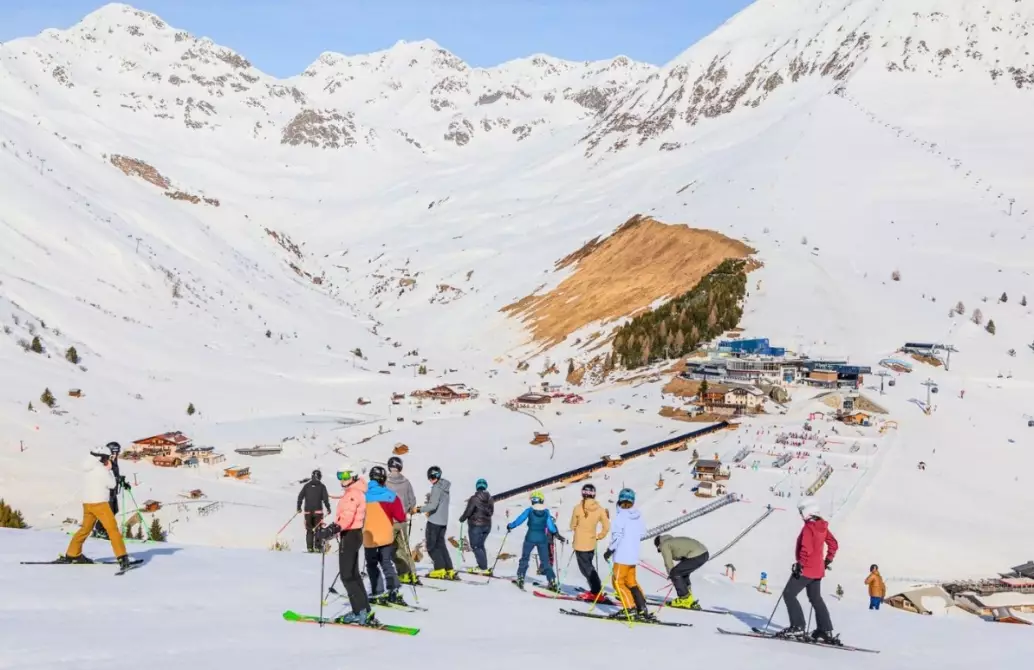
Your Quick Guide to Beginner Slopes
What Makes a Slope Truly Beginner-Friendly? (It's Not Just the Color Green)
Most articles will tell you to look for green runs. That's the bare minimum. A genuinely great beginner area has specific features that most newcomers don't even know to ask about.
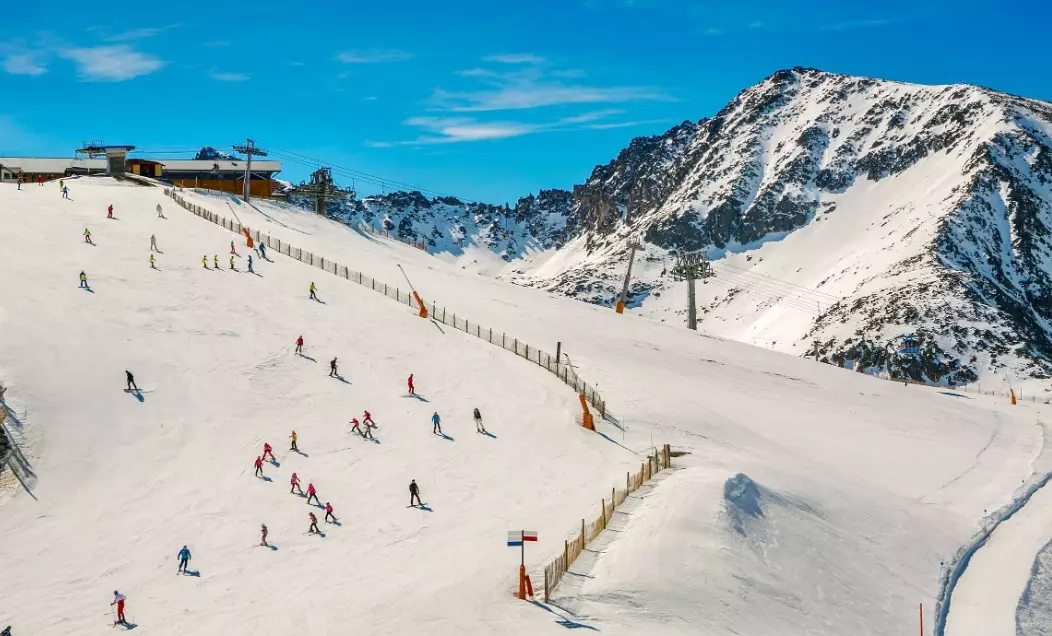
The nursery slope magic. This is your absolute ground zero. It needs to be a dedicated, fenced-off area, separate from the main pistes and lift queues. It should be serviced by a free, ultra-slow drag lift or magic carpet (a conveyor belt you stand on). The gradient should be so mild you can barely tell you're on a slope. Places like Soldeu in Andorra nail this—their main nursery area is enormous, secure, and has its own dedicated lift.
The "home run" is everything. Can you ski from your accommodation back to your door on a green or very easy blue run? If you have to take a bus or walk in ski boots at the end of the day, it saps the joy. Resorts with a beginner-friendly home run, like Alpe d'Huez's gentle DMC bubble lift descent, transform the experience.
Lift type matters more than you think. As a beginner, chairlifts can be intimidating. Gondolas (enclosed cabins) and bubble lifts are your friends. They let you sit down, relax, and don't require you to dismount on a steep slope. Look for resorts where the main access from the beginner area uses these.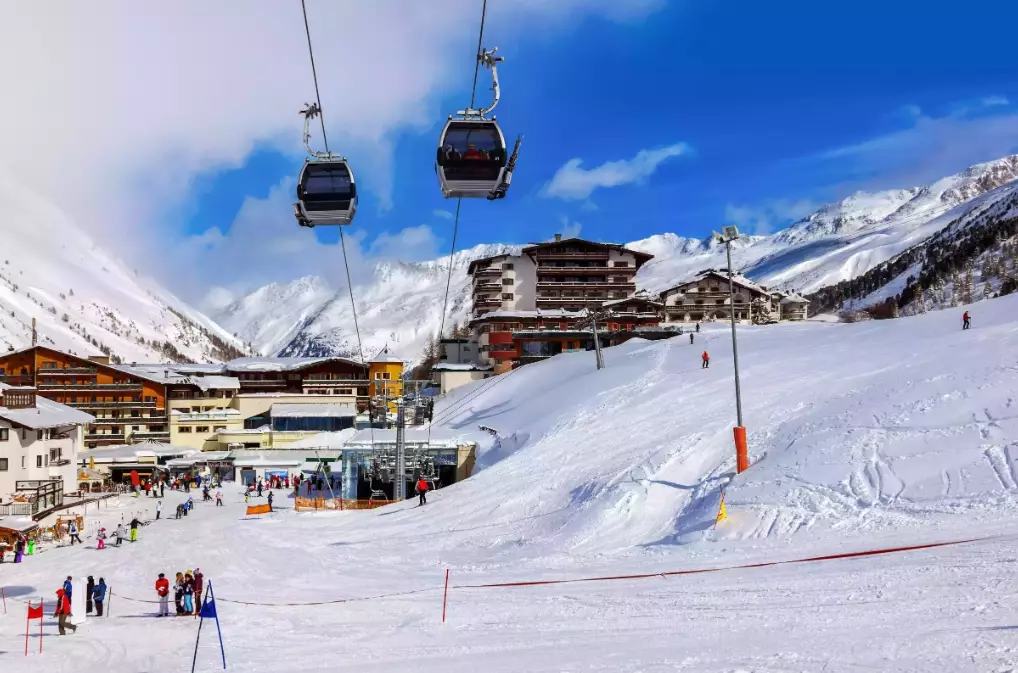
A common mistake I see: People pick a famous, large resort assuming it will have great beginner options. Often, the beginner zones are an afterthought, stuck at the bottom far from the good scenery, while the epic terrain is up top. You end up paying a premium for terrain you can't use.
Top European Resorts for Beginners: Where Confidence Grows
Based on the criteria above—not just marketing brochures—here are the resorts that consistently deliver a fantastic first experience. I've included the practical details you need to plan.
| Resort & Country | Why It's Great for Beginners | Beginner Slope Stats & Key Areas | Ski School & Notes |
|---|---|---|---|
| 1. Soldeu, Andorra (Grandvalira) | Purpose-built for progression. The entire Soldeu sector feels designed for learners, with wide, impeccably groomed blues that seem to go on forever. The village is compact and ski-in/ski-out. | Over 60% of Grandvalira is blue/red. The Soldeu sector has vast, interconnected beginner zones. The main nursery slope is free and huge. | Top-tier English-speaking schools like El Tarter Snow Academy. Affordable packages. Andorra is tax-free, so overall costs (food, drink) are lower than the Alps. |
| 2. Les Deux Alpes, France | Unique glacier skiing for beginners. You can learn on the gentle, snow-sure slopes of Europe's largest skiable glacier at 3600m, guaranteeing good snow even late season. | The Jandri Express gondola takes you directly to the vast, sunny beginner area on the glacier. Plenty of long, easy blues to progress to. | Excellent glacier nursery area. Be aware the main village is at 1650m, so the run back down is a red—beginners usually download via gondola. |
| 3. Söll, Austria (SkiWelt) | The quintessential Austrian beginner experience. Gentle, rolling terrain, incredibly efficient lift system (mostly modern gondolas and chairs), and a famously fun, welcoming atmosphere. | Part of the massive SkiWelt, with over 280km of pistes. A huge percentage are easy blues. The area around Söll and neighbouring Ellmau is perfect for building mileage. | Classic Austrian ski schools with a focus on fun. The SkiWelt lift pass is great value. The après-ski is lively but family-friendly. |
| 4. Cervinia, Italy (Matterhorn) | Stunning views of the Matterhorn and incredibly reliable snow. The Plateau Rosa area offers long, gentle motorway-wide blues that feel epic without being scary. | The Plan Maison area is a dedicated beginner paradise. The run down to Valtournenche (Blue 7) is a 7km confidence-builder. | Italian hospitality means great food on the mountain. You can also ski over to Zermatt, Switzerland (on a blue run!) once you're comfortable. |
| 5. Geilo, Norway | A different, calmer vibe. Ideal for families and those who hate crowds. The slopes are uncrowded, the teaching is superb, and the scenery is breathtaking. | Two main areas connected by shuttle. Both have superb, segregated beginner sections. Slopes are well-groomed and quiet. | Norwegian ski schools are methodical and patient. It's pricier than continental Europe, but the quality and lack of queues are worth it for a stress-free first trip. |
I have a soft spot for Söll. I took my sister there for her first trip. On day three, she was cruising blues from one picturesque mountain hut to another, beaming with a sense of achievement that a more intimidating resort might have crushed. That's the goal.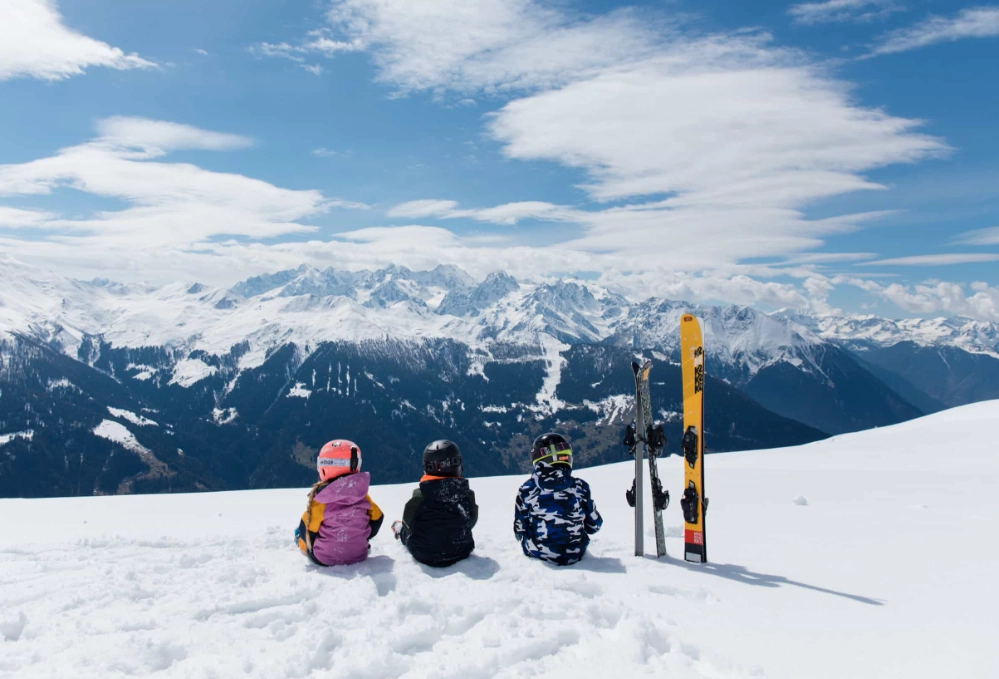
How to Choose the Right Beginner Ski Resort in Europe
Look beyond the resort name. Dig into the trail map.
Analyze the Trail Map Like a Pro
Find the main village. Now trace a line: where is the main nursery slope? Is it right there, or do you need a bus? Then, look for the first lift out of that nursery area. Does it lead to a network of easy blues, or are you immediately funneled onto a red? Resorts with a "beginner plateau"—a high-altitude area served by a gondola with multiple easy runs back down—are gold dust. Les Deux Alpes and Stubai Glacier in Austria are masters of this.
The Budget Reality Check
France and Switzerland are premium. Austria offers better value, especially in smaller villages. Italy and Andorra often give you more for your money in terms of food and drink. Norway is expensive but uniquely rewarding. Don't forget the cost of ski school (€250-€400 for a week of group lessons) and equipment rental (€150-€250). A package in Soldeu can often be cheaper overall than a DIY trip to a famous French name.
Beyond the Piste: What Beginners Often Miss
You'll spend more time off the slopes than on them. A resort that fails here can ruin the week.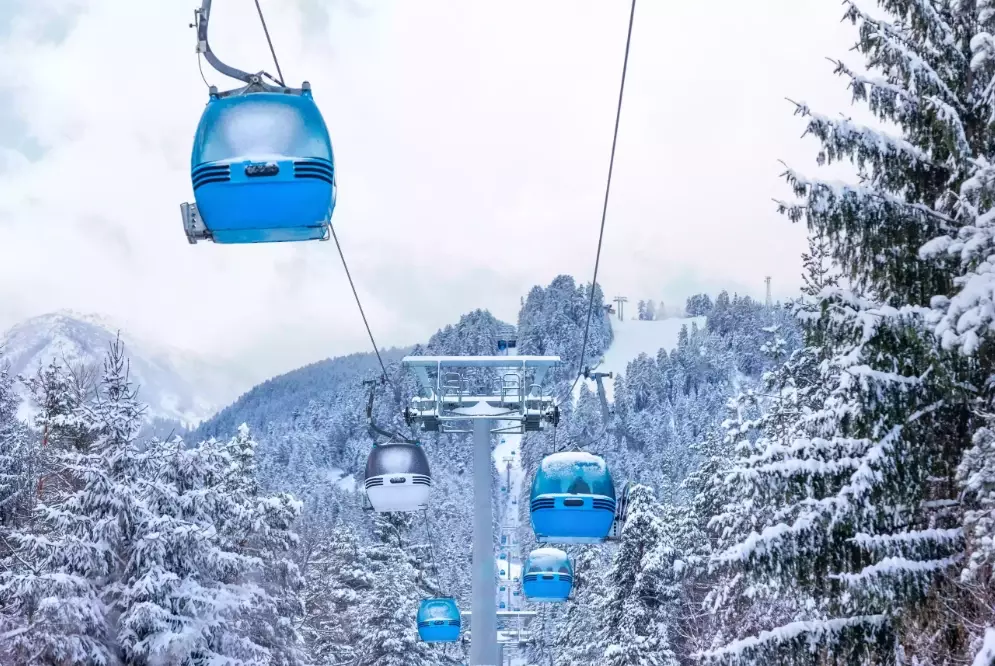
Village layout. Can you walk everywhere in normal boots? Is there a free shuttle if not? Carrying skis for 20 minutes is a daily chore you don't need.
Alternative activities. What if someone gets tired or injured? Good swimming pools, ice skating, or scenic walking paths are a lifesaver. Austrian resorts are champions at this.
The "feel". Some resorts have a hardcore, expert-only atmosphere. Others are more inclusive. Read reviews from other families and beginners, not just expert skiers.
I once made the mistake of booking a cheap chalet in a satellite village. The savings were wiped out by the 25-minute twice-daily schlep in ski boots. Never again.
Your Beginner Ski Trip Questions Answered
 When is the best time for a beginner to go skiing in Europe?
Related Articles

Comments
Join the discussion