Let's cut through the noise. You've heard that carving is about getting your skis on edge and leaning in. That's the kindergarten version. Real, high-performance carving—the kind that leaves a single, razor-thin line in the snow and feels like you're riding a rail—is a precise dance between subtle edge control and a constantly adapting body position. Most skiers think they're carving when they're just skidding a bit less. I spent years in that camp, fighting my skis, until I broke down the mechanics. This isn't about brute force; it's about finesse, timing, and understanding a few non-negotiable principles.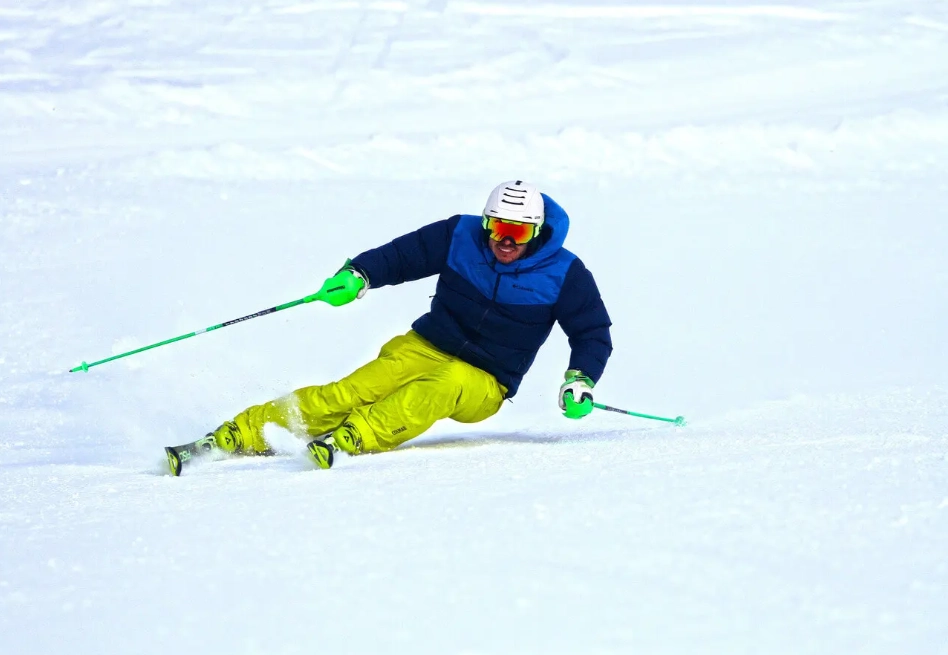
What You'll Learn in This Guide
- The Physics Behind the Perfect Edge
- Advanced Edge Control: Beyond Leaning
- Your Dynamic Body Position Blueprint
- The 5 Most Common Carving Mistakes (And How to Fix Them)
- Drills That Actually Work
- Do Your Skis Help or Hinder?
- Putting It All Together: Linking High-Speed Carves
- Your Carving Questions, Answered
It's Not a Lean, It's a Commitment
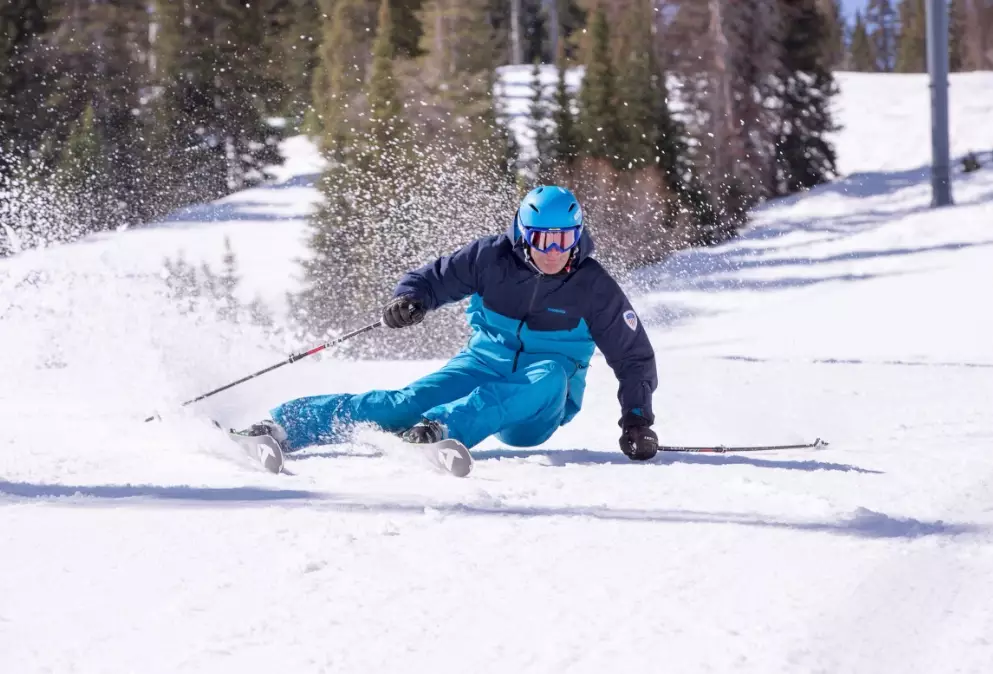
First, forget "leaning into the hill." That mental image often leads to collapsing your inside hip and getting stuck. Think of it as committing your center of mass to the inside of the turn. The ski's sidecut wants to turn when you put it on edge. Your job is to provide a stable, balanced platform for it to do its work. The force generated—the centrifugal push back against you—is what holds you up. If you're not feeling that strong, clean pressure underfoot, you're not really carving.
How to Initiate a Carving Turn with Precision
This is where most people mess up. They shove their skis sideways or twist their shoulders.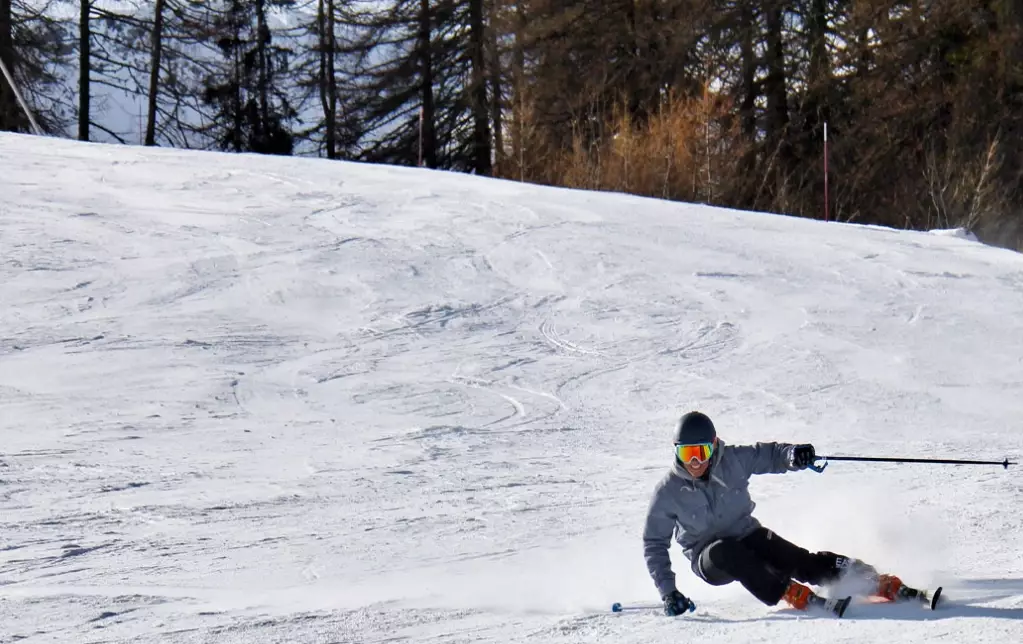
The Ankle Roll: Your Secret Weapon
Edge engagement starts at the feet. Imagine rolling your ankles laterally, from the balls of your feet, toward the little toe for the left edge and big toe for the right. This subtle movement, combined with a slight knee drive into the hill, sets the edge with minimal upper body movement. Your boots should transmit this movement directly to the ski. If they're too soft or loose, you lose this critical connection.
Pressure Management: The Turn's Pulse
A carve has a pressure rhythm. You don't just set and forget the edge. Initiation: Light, precise engagement. Control Phase: Progressive, increasing pressure as the ski bends and rebounds. Finish/Transition: Actively lighten the edge pressure to release and move into the next turn. Many skiers stay heavy on the old outside ski too long, making the transition clunky.
What is Angulation and Why is It Non-Negotiable?
Angulation is the creation of angles in your body to balance against the turning forces. It's not just bending at the waist. Proper angulation involves: Lateral separation: Your hips are pushed slightly inside the turn relative to your shoulders. Knee and ankle tilt: Your lower joints are angled more aggressively into the hill than your upper body. This creates a stable, stacked posture where your weight is centered over the outside ski's sweet spot. A common failure point is "hip dumping"—dropping the inside hip instead of tilting the knees and ankles. It feels low and aggressive but puts you in the backseat and kills edge pressure.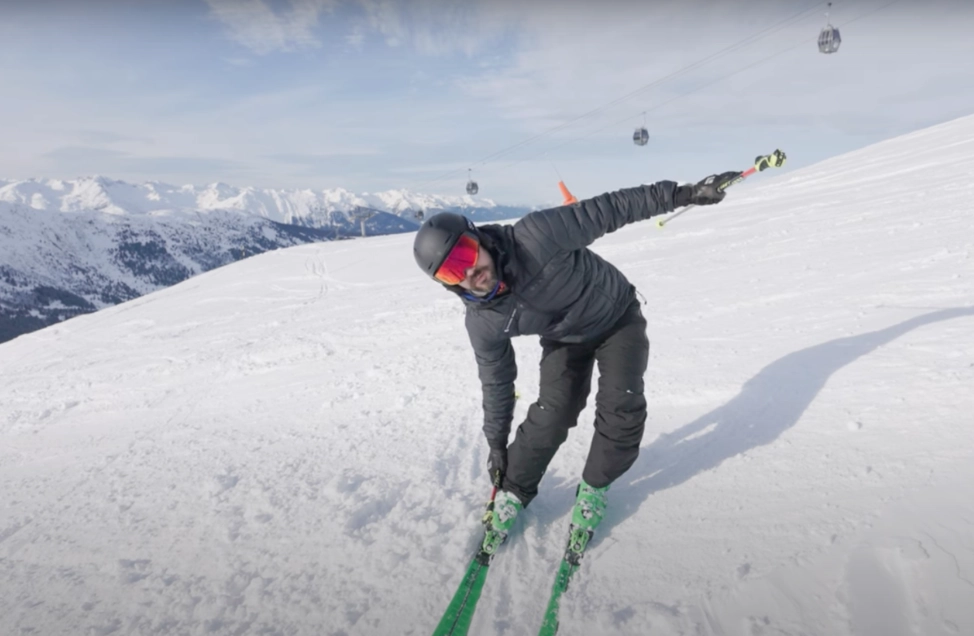
The 5 Most Common Carving Mistakes (And How to Fix Them)
I see these every single day on the mountain. Fixing them is faster than you think.
| Mistake | What It Looks/Feels Like | The Quick Fix |
|---|---|---|
| 1. The Upper Body Twist | Shoulders pointed downhill, skis fighting to follow. You feel unstable. | Keep your shoulders level and facing more across the fall line. Initiate the turn with your knees and feet, not your chest. |
| 2. Backseat Driving | Weight on your heels, tails of skis washing out. You have no steering control. | Consciously feel the front of your boot tongue. Practice on easy terrain, making shin-to-boot contact your primary focus. |
| 3. Static Stance | Legs locked, riding the ski like a passive passenger. The ride is chattery. | Adopt an athletic, "ready" stance: ankles, knees, and hips slightly flexed. Let your legs act as shock absorbers and power generators. |
| 4. Inside Hand Dropping | That low, trailing inside hand. It pulls your inside shoulder down and collapses your posture. | Hold your hands in front, as if carrying a large tray. This automatically levels your shoulders and improves balance. |
| 5. Fearful Hip Movement | Hips glued facing straight downhill, preventing proper lower-body angulation. | Allow your hips to follow your skis. They should turn with your legs, not remain locked facing the valley. |
Drills That Actually Build Muscle Memory
Reading is one thing, feeling is another. Try these on a groomed blue run.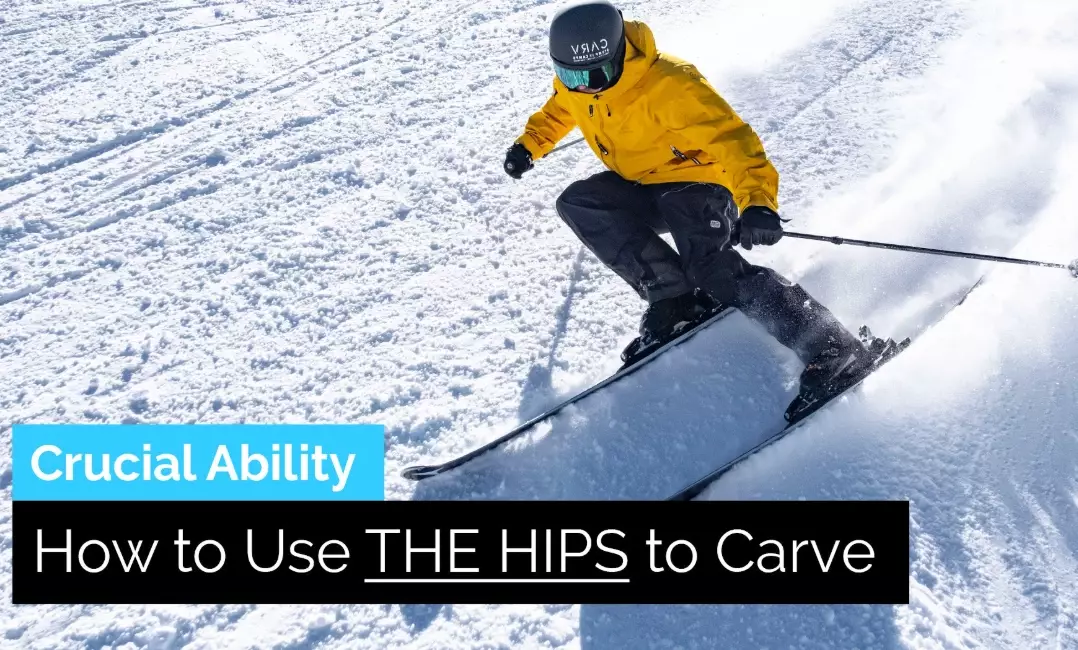
Javelin Turns: Pick up the tail of your inside ski. Balance entirely on your outside ski through the entire turn. This forces perfect alignment and pressure control. It's brutally effective.
Railroad Tracks: Focus on leaving two perfect, parallel lines. Start wide, then make the turns tighter and tighter. The goal is visual feedback from your tracks.
Quiet Upper Body: Ski with your poles tucked under your armpits. If they fall out, you're twisting your shoulders.
Do Your Skis Help or Hinder Your Carving?
You can carve on most skis, but the right tool makes it effortless. A dedicated carving ski has a pronounced sidecut (a deep hourglass shape) and is relatively stiff underfoot. Here's the thing: a ski that's too soft for your weight or aggressiveness will fold and chatter at speed, breaking your edge hold. One that's too stiff or has too little sidecut will require immense force to bend into a turn.
My personal take? Don't blame the gear too quickly. I've seen experts carve beautiful turns on rental skis. Technique dominates. But once your technique is solid, a proper carving ski (look for a waist width under 80mm for on-piste) feels like switching from a family sedan to a sports car. The response is instantaneous.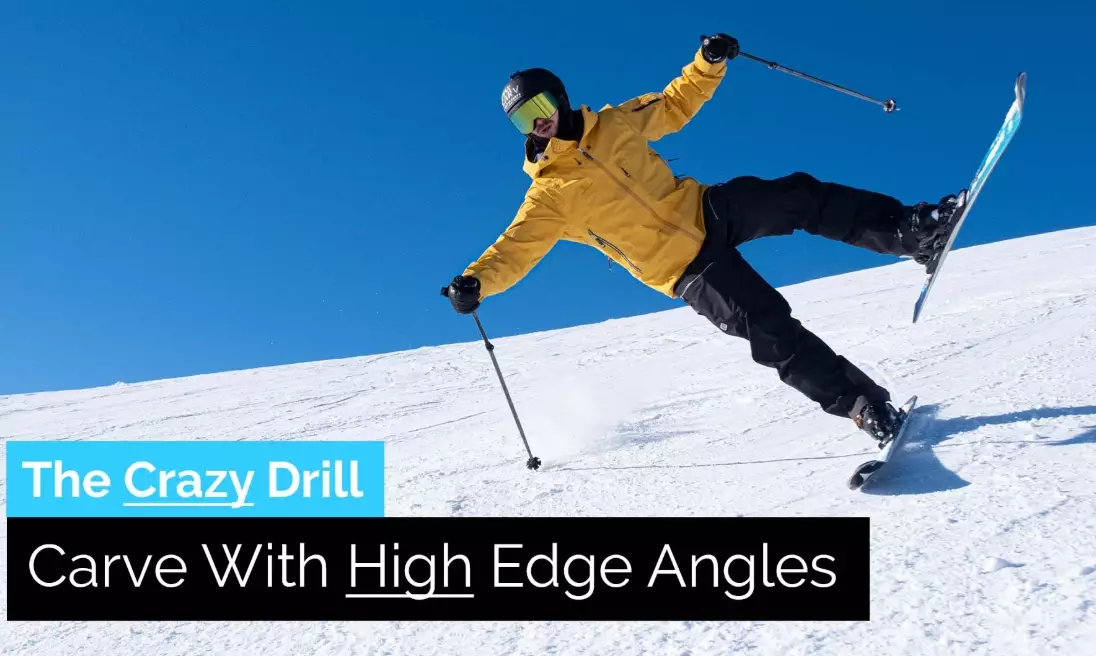
Putting It All Together: Linking High-Speed Carves
Linking carves is about rhythm and energy transfer. The rebound from the finish of one turn should help initiate the next. Don't fight the ski; guide it. As you complete a right turn, the left ski is already light and ready to roll onto its new edge. The transition is a smooth, unweighted flow, not a hop or a stem.
On variable snow, you need to be even more active. Your ankles and knees absorb bumps while your core and upper body remain quiet and stacked. It's a lower-body dance with a stable upper frame.
Your Carving Questions, Answered
 Should my weight be 50/50 on both skis during a carve?
The path to mastering carving skis is endless refinement. It's about listening to the feedback from the snow and your equipment, and making micro-adjustments. There's no final destination, just smoother, faster, and more connected turns. Stop thinking about it as a position to hold, and start feeling it as a dynamic, flowing process. Get out there, find a quiet groomer, and start listening to your edges.
Related Articles
Comments
Join the discussion