Let's be honest, planning a ski trip to Zermatt can feel overwhelming. The iconic Matterhorn, the promise of year-round skiing, the sheer size of the ski area—it's a lot. I remember my first trip, staring at the trail map, wondering where to even start. After a dozen visits, I've learned the hard way what works and what doesn't. This guide cuts through the noise. We're not just listing facts; we're giving you the actionable intel you need to book, pack, and ski Zermatt like a pro, avoiding the common pitfalls that waste time and money.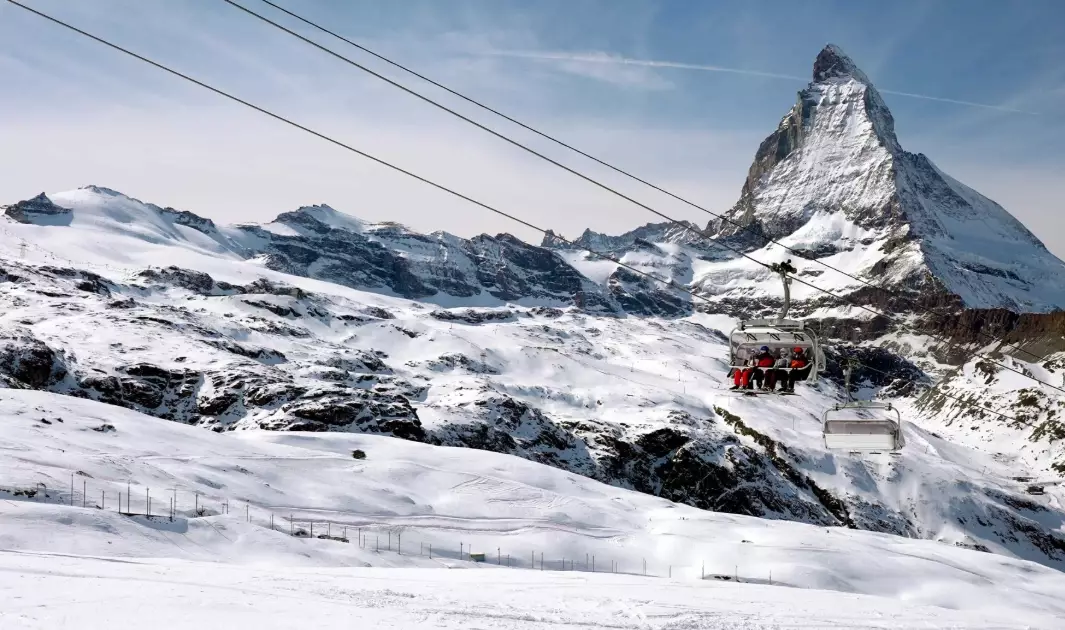
What's Inside This Guide
Why Zermatt Stands Apart (And Who It's Really For)
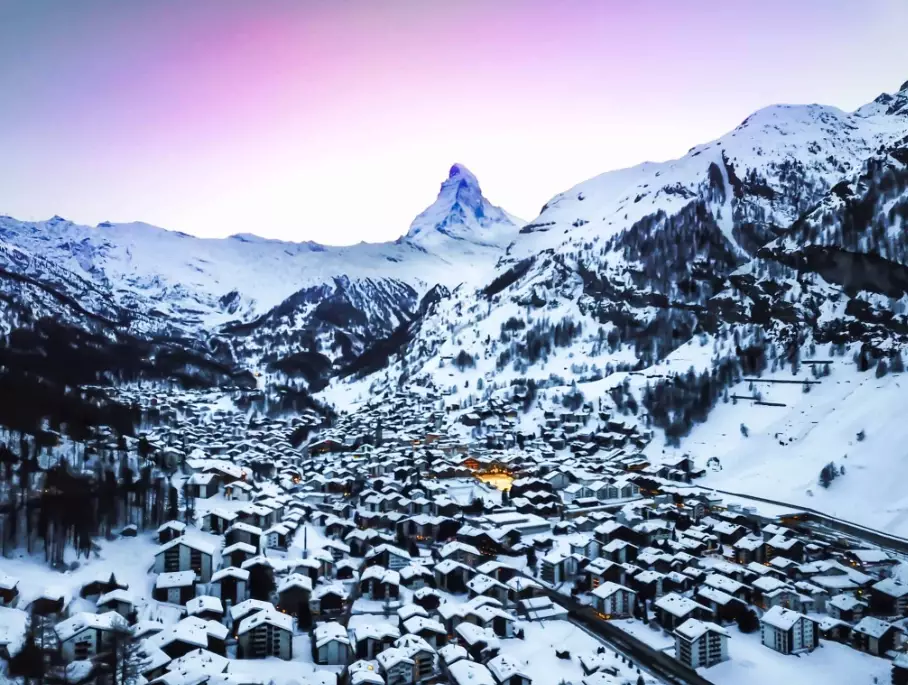
Most articles gush about the scenery. It's deserved—the Matterhorn view from Gornergrat is life-changing. But the real magic is in the details. Zermatt isn't just a pretty face; it's a ski machine. With 360 km of pistes and a top elevation of 3,883 meters, it offers something rare: reliability. When lower resorts have brown patches, Zermatt's glaciers are usually still white. That said, it's not a budget destination. A week here costs more than a week in many French mega-resorts. You're paying for the Swiss precision, the car-free village charm, and that guaranteed snow.
It's perfect for intermediates who want endless, well-groomed cruising, and experts hunting for serious off-piste. Beginners have good options, but they're more limited and expensive compared to dedicated learner hills elsewhere.
My Take: The biggest misconception is that Zermatt is only for experts. Not true. The blues from Sunnegga down to the village are some of the most enjoyable, scenic intermediate runs in the Alps. The challenge is navigating the scale, not just the difficulty.
The Ski Areas: A Detailed Breakdown of Sunnegga, Gornergrat & Matterhorn Glacier Paradise
Think of Zermatt as three connected kingdoms, each with a different personality. Getting this wrong can ruin your day.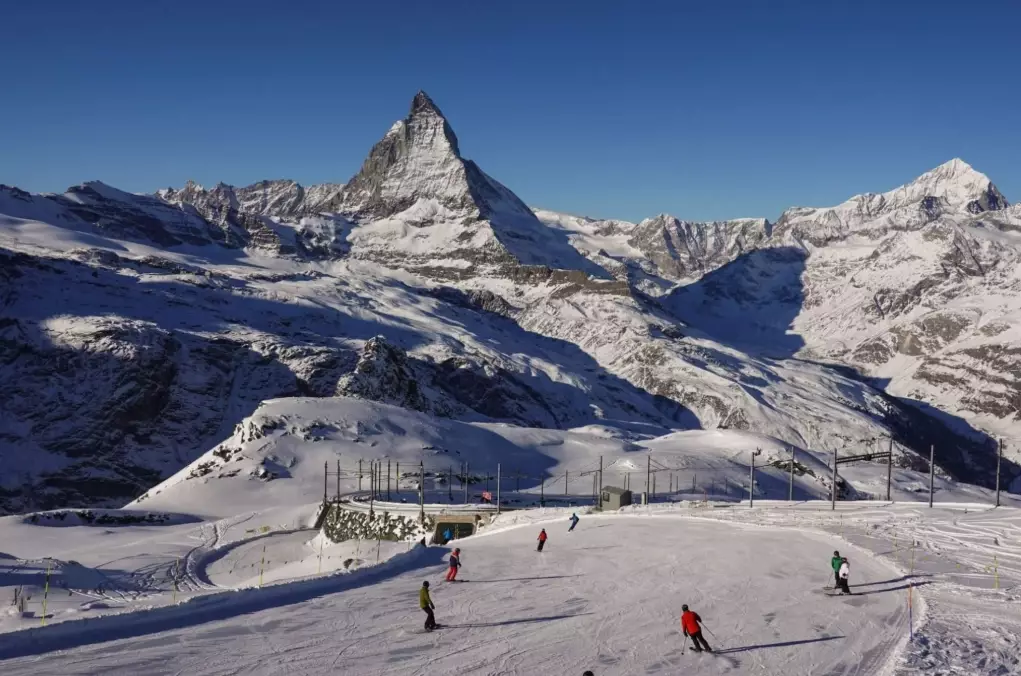
1. Sunnegga-Blauherd-Rothorn
This is your sunny, friendly playground. Accessed by a funicular from the village, it's the most accessible area. The runs back to Zermatt (like number 6, "National") are long, winding blues perfect for finding your legs. The off-piste around the Stockhorn gondola is legendary on a powder day, but it's serious business—guides are non-negotiable here. This area gets crowded first thing in the morning.
2. Gornergrat
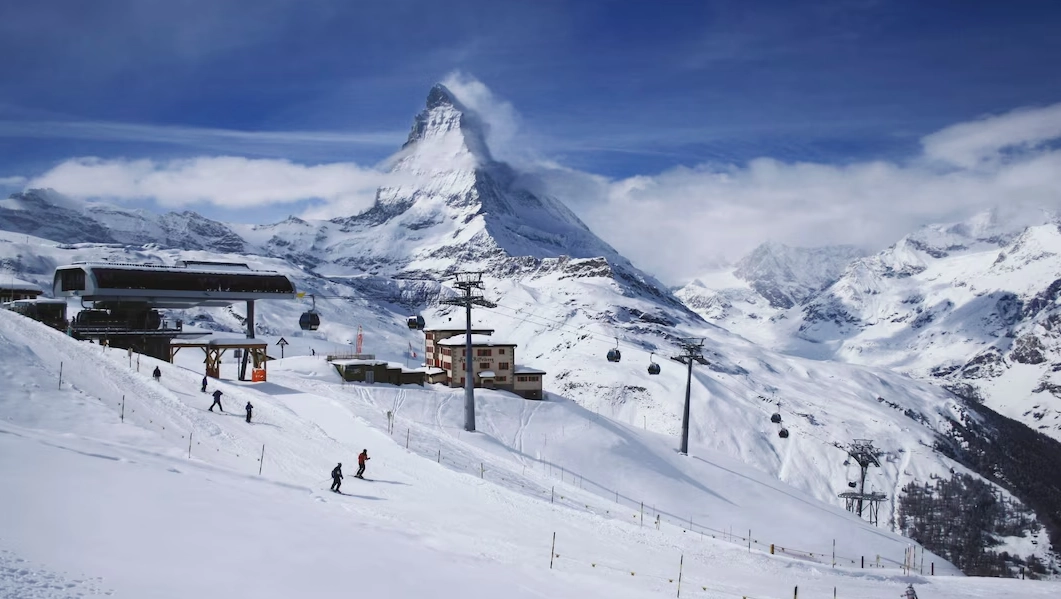
The classic. You take a cogwheel train right from the station. The panorama of 29 four-thousand-meter peaks is the postcard view. The skiing here is more varied: wide-open reds above Riffelberg, and the epic 12 km run from the top all the way down to the village (a vertical drop of over 2,000m). It's often less crowded than Sunnegga after 10:30 AM.
3. Matterhorn Glacier Paradise (Klein Matterhorn)
The high-altitude engine room. A series of cable cars takes you to the highest ski lift in Europe. This is where you come for guaranteed snow, even in May or October. The pistes here are above 3,000 meters—they're not the most exciting, but they're reliable. The real draw is the connection to Cervinia, Italy. With an international ski pass, you can ski over the border. Pro tip: the snow on the Italian side is often softer in the morning, and the lunch is cheaper and more hearty.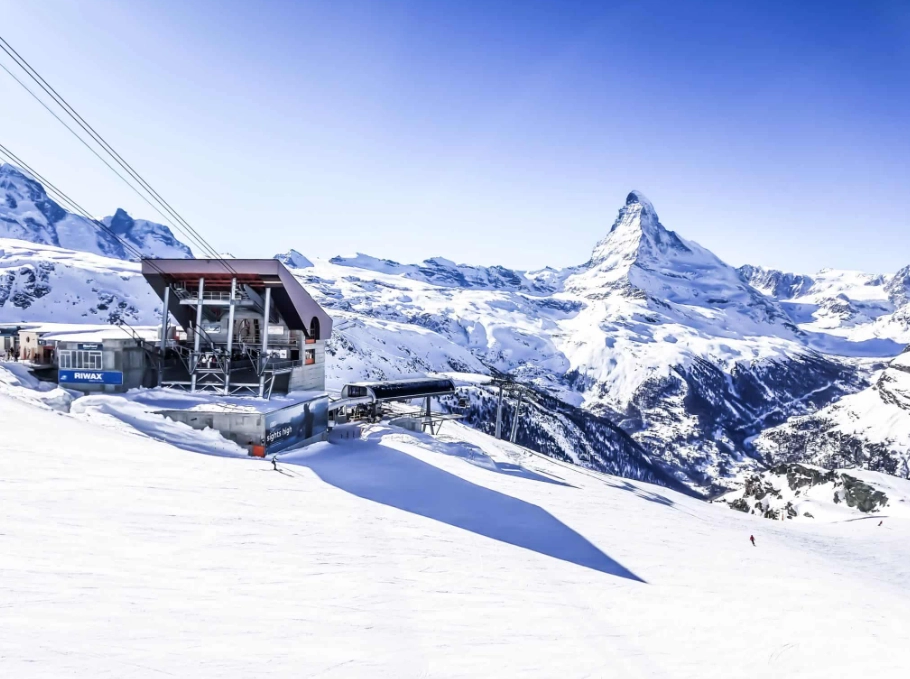
| Ski Area | Best For | Key Lift | Signature Run | Lunch Spot Vibe |
|---|---|---|---|---|
| Sunnegga | Beginners, Intermediates, Families, Sunny terraces | Sunnegga Funicular | Piste #6 "National" (long blue to village) | Busy, social, great for people-watching |
| Gornergrat | Intermediates, Scenery lovers, Long descents | Gornergrat Bahn (Train) | Gornergrat to Zermatt (12 km red/blue) | Classic mountain restaurants with epic views |
| Glacier Paradise | Experts, Off-piste, Guaranteed snow, Skiing to Italy | Matterhorn Glacier Paradise Cable Car | Theodul Glacier (high-altitude cruising) | Functional or, if in Italy, rustic and value-for-money |
Practical Info: Tickets, Getting There, and Where to Lay Your Head
This is where trips get stressful. Let's simplify.
Ski Passes & Prices: A 6-day Zermatt-only pass costs around CHF 480-520. The International Pass (Zermatt + Cervinia) is roughly CHF 550-590 for 6 days. Is it worth the extra? If you're a confident skier and the weather is good, absolutely. Doubling your terrain and getting Italian pasta for lunch is a game-changer. Buy online in advance for a small discount. The Zermatt Tourism website is the authoritative source for current rates.
Getting to Zermatt: You cannot drive into the village. You park in Täsch (25,000 parking spaces, about CHF 16 per day). From there, it's a 12-minute, frequent shuttle train to Zermatt (CHF 8.40 each way). The whole process is smooth but adds about 45 minutes to your journey from the car to your hotel. The nearest major train station is Visp, with direct connections from Geneva, Zurich, and Milan.
Where to Stay: Luxury & Postcard Views: The Mont Cervin Palace or Grand Hotel Zermatterhof. You're paying for history, service, and a prime location. Expect CHF 600-1000+ per night. Modern & Ski-In/Ski-Out: Look near the Sunnegga lift. Hotels like Alpen Resort or apartments in the "Wiesti" area. This is the most convenient for skiing but can feel a bit removed from the old village charm. CHF 300-600 per night. Value & Authentic Vibe: The areas behind the main church (Hinterdorf). Smaller hotels and B&Bs like Hotel Alpenhof. You'll get more character, a shorter walk to the train station, and rates around CHF 200-350 per night. This is where I often stay.
A 5-Day Ski Itinerary Tailored to You
Here’s a blueprint. Adjust based on your legs and the weather.
Day 1 (Acclimatize): Sunnegga. Take the funicular up, warm up on the blues around Blauherd. Have lunch at Chez Vrony (book ahead!). Focus on learning the lift system. Day 2 (Go High): Gornergrat. Train up, ski the reds around Rotenboden. The run down to Riffelberg is a classic. Lunch at Restaurant Riffelberg with that insane Matterhorn view. Day 3 (International Day): Matterhorn Glacier Paradise. Head up early, ski over to Cervinia. Explore the wide blues and reds of the Plateau Rosa. Lunch at Chalet Etoile in Cervinia. Ski back by 3 PM to avoid late-afternoon cable car lines. Day 4 (Deep Dive): Pick your favorite area from Days 1-3 and explore its nooks. Try a harder run, or book a guide for off-piste (the Gandegg couloir near Gornergrat is a rite of passage). Day 5 (Village & Explore): Morning ski on your favorite runs. Afternoon: explore the village, visit the Matterhorn Museum, or take the Gornergrat train just for the photos if the weather is clear.
Expert Tips & The Mistakes I See Every Time
- Don't Overlook the Schwarzsee Area. It's accessed from the middle station of the Matterhorn cable car. It has some of the most challenging and interesting red runs in the resort, often with fewer people.
- The "Summer Skiing" Caveat. Yes, you can ski on the glacier in July. But it's a very limited, often slushy, patch of snow for training race teams. It's not a destination summer ski holiday. Manage expectations.
- Restaurant Reservations are Not Optional. For mountain lunches at popular spots like Chez Vrony or Findlerhof, book the day before or risk disappointment. This is a Swiss ritual.
- The Wind Factor. The high alpine areas, especially Glacier Paradise, are prone to wind holds. Always have a backup plan (like staying lower in Sunnegga) if the forecast is windy.
- Your Pass Covers the Gorner Gorge. In the summer, it's a paid attraction. In winter, your ski pass gets you in for free. It's a stunning 30-minute walk on a cliff-side path behind the village—a perfect non-skiing activity.
Your Zermatt Ski Trip Questions Answered
 I'm an advanced skier. Where should I go first on a powder day?
Related Articles
Comments
Join the discussion