You know the feeling. You’ve carved perfect corduroy all morning, and now you’re sipping a glühwein on a sun-drenched terrace. But look around. That charming chalet with the intricate wood carvings, the old funicular station, the stone fountain in the square—they all have a story. Most skiers blast right past them, laser-focused on vertical feet. That’s where historical ski towns tours come in. They’re your backstage pass to the soul of the mountains, transforming a standard ski trip into a journey through time. This isn't about dusty museums; it's about walking the same streets as pioneering mountaineers, understanding why the town looks the way it does, and discovering hidden gems that give your vacation layers of meaning beyond the snow report.
Your Journey at a Glance
What Exactly is a Historical Ski Town Tour?
Forget the image of a bored guide reciting dates. A true historical ski towns tour is a curated experience that connects the dots between geography, architecture, and human ambition. It answers questions you didn't know you had: Why is this village here and not two valleys over? How did a remote farming community become a world-class resort? What’s the deal with all the specific architectural styles?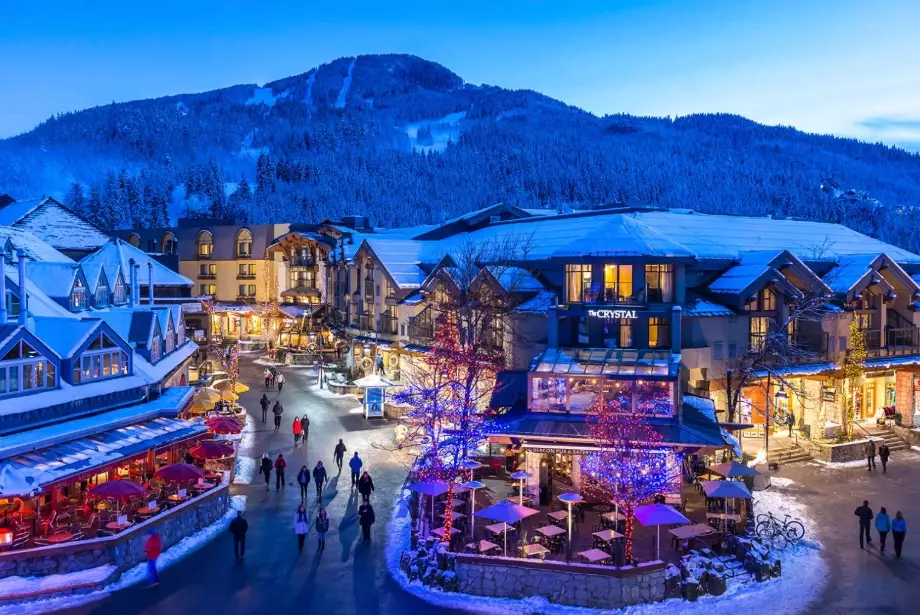
These tours come in different flavors. You can join a guided group walking tour, often run by the local tourism office or historical society. I’ve found these are best booked on arrival, as times can shift with the weather. Then there are self-guided audio tours you can download to your phone—perfect for families or those on their own schedule. For a deep dive, some operators offer private tours with experts, like archivists or retired ski patrollers, who can share anecdotes you won't find in any guidebook.
A common mistake? Assuming these tours are only for non-skiers. The best time to do one is actually on a bluebird afternoon when the slopes are getting choppy, or as a dedicated rest-day activity. It resets your perspective and makes your après-ski drink taste all the richer.
Top Historical Ski Towns to Explore (And How to Do It Right)
Not all old ski towns are created equal. Some have preserved their core beautifully; others have been engulfed by concrete. Here are three standouts where the history is tangible and the tours are exceptional.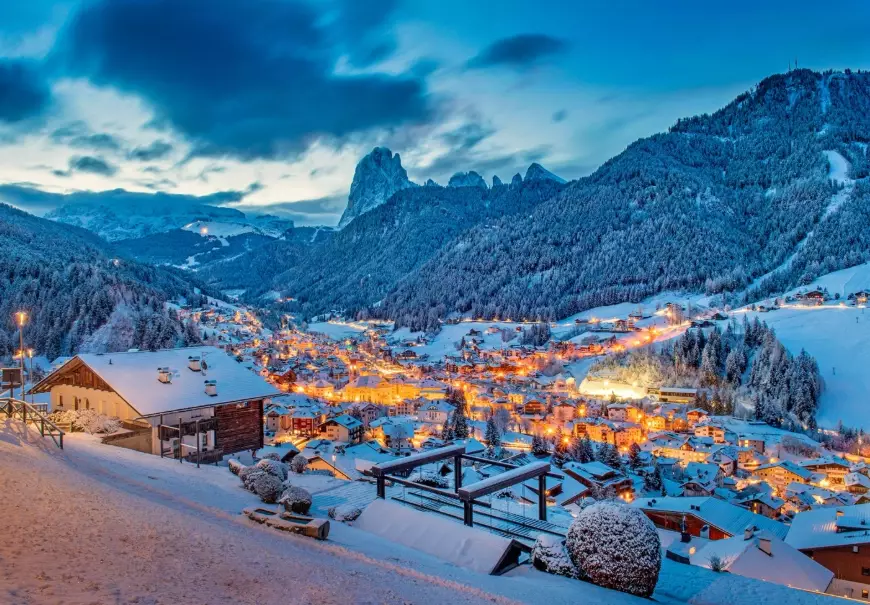
St. Anton am Arlberg, Austria: The Cradle of Alpine Skiing
This isn't just history; it's skiing's birthplace. The Arlberg region, led by St. Anton, literally invented modern alpine skiing technique. The town feels dense and authentic, a classic Tirolean village that just happens to have a massive ski area attached.
How to Get There: 1.5-hour drive from Innsbruck Airport (INN) or a scenic 2.5-hour train ride from Zurich (ZRH). The train is part of the experience.
Don't Miss: The St. Anton Museum (free with guest card) in the old train station. It's small but packs a punch, detailing the development of ski bindings and the dramatic early days of Alpine rescue. The real tour, though, is just walking the Dorfstrasse. Look for plaques on buildings like the Hotel Post, a hub for early ski pioneers.
Where to Stay for History: Hotel Schwarzer Adler (Dorfstrasse 35). It's been in operation for over 400 years. You're not just getting a room; you're sleeping in a landmark. Expect creaky floors and immense character. Rates start around €250/night in season.
The Tour: The local tourism office runs a "Historical Village Walk" (€15) twice a week. It’s 90 minutes and ends, brilliantly, with a schnapps tasting. Book at the main info center by the train station.
Park City, Utah, USA: From Silver Boom to Ski Boom
Park City’s Main Street is a living timeline. The whole town is a National Historic District. You’re skiing on mountains that were once honeycombed with silver mines, and the evidence is everywhere.
How to Get There: A 40-minute drive from Salt Lake City International Airport (SLC). Easy.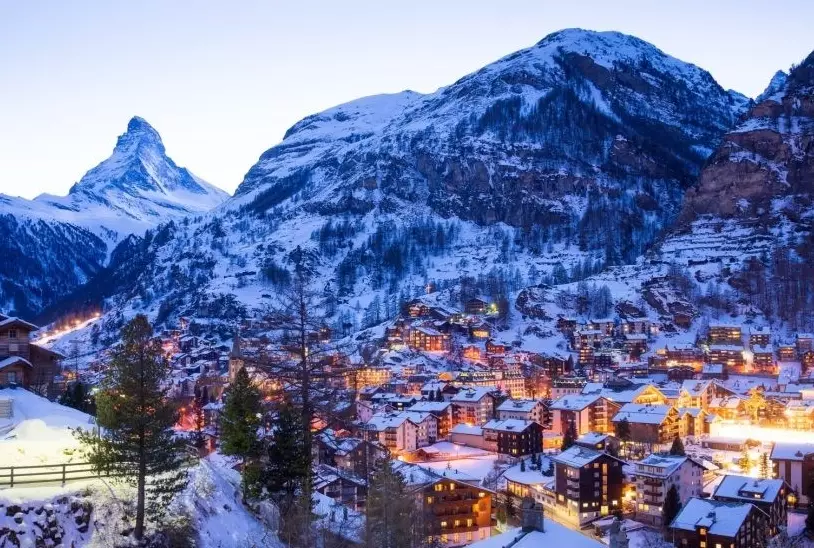
Don't Miss: The Park City Museum (528 Main Street, $15 adult entry) is a must-do. It’s interactive, with a restored mine shaft you can walk through and the original town jail. But the best history is free: just wander Main Street and read the building placards.
Where to Stay for History: The Washington School House Hotel (543 Park Ave). It’s a meticulously restored 1889 schoolhouse. Luxurious, but the history is in the details—original chalkboards, brick walls. It’s pricey ($600+/night) but unique. For more affordable historic charm, look at B&Bs in the Old Town area.
The Tour: The Park City Historic Walking Tour (offered by the museum, $25). It’s led by passionate locals and goes into the alleyways and stories behind the famous facades. They also offer a “Ski History Tour” that focuses on the early days of the resort.
Chamonix-Mont-Blanc, France: Mountaineering's Grand Stage
Chamonix is less about a cute village (though it has one) and more about the global history of alpinism. This is where the sport of mountain climbing was born, and the town buzzes with that expedition energy.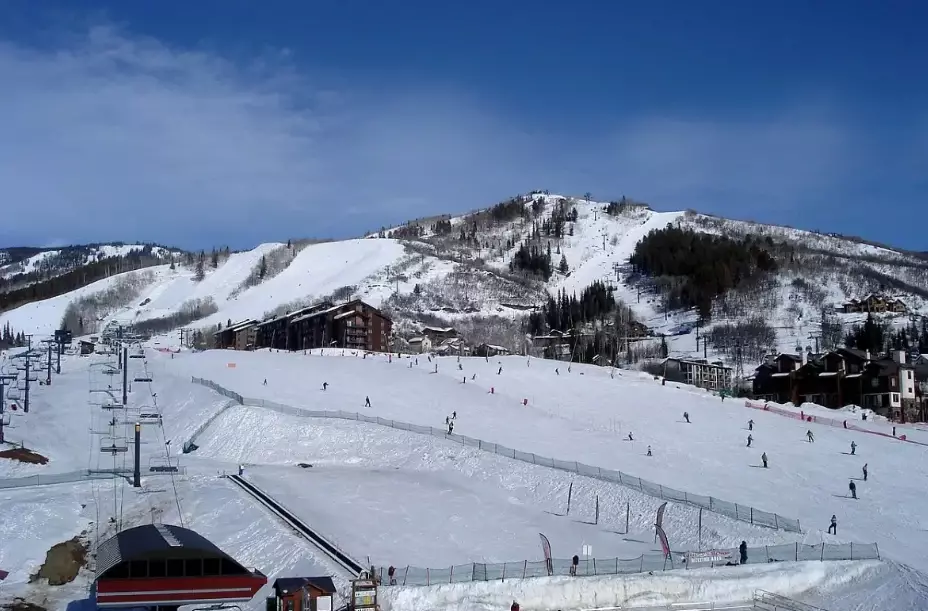
How to Get There: 1-hour drive from Geneva Airport (GVA). Frequent shuttle buses run.
Don't Miss: The Musée Alpin (89 Avenue Michel Croz, €10). It’s a gorgeous old casino-turned-museum filled with vintage gear and paintings. For a tangible piece of history, ride the Montenvers Railway (a historic cogwheel train from 1908) up to the Mer de Glace glacier.
Where to Stay for History: Hotel Mont-Blanc (62 Allée du Majestic). Opened in 1849, it has hosted royalty and climbers for centuries. Ask for a room with a view of the Mont Blanc massif. Rates from €300/night.
The Tour: Chamonix’s tourist office runs thematic guided walks. The "Chamonix Pioneers" walk (€12) is the one you want. It traces the steps of early British mountaineers and the guides who made the first ascents.
| Town & Country | Historical Core | Best Guided Tour (Approx. Price) | Key Tip for Visitors |
|---|---|---|---|
| St. Anton, Austria | Skiing Technique & Tirolean Village Life | Historical Village Walk (€15) | Do the tour mid-week for smaller groups. |
| Park City, USA | Silver Mining & Victorian Architecture | Park City Historic Walking Tour ($25) | Book in advance online, especially during Sundance Festival. |
| Chamonix, France | Golden Age of Alpinism | Chamonix Pioneers Walk (€12) | Pair it with a visit to the Alpine Museum. |
How to Plan Your Own Historical Ski Town Tour
You don't always need an official guide. With a little homework, you can craft a deeply rewarding DIY historical ski towns tour.
Step 1: Research Before You Go. Don’t just look at trail maps. Visit the official tourism website (like Chamonix.com or ParkCity.org) and find their history or heritage section. Look for PDFs of self-guided walking trails. The U.S. National Park Service, for instance, has great resources on Western mining towns.
Step 2: Pinpoint the Physical History. On Google Maps, mark these spots: the oldest hotel, the original gondola base, the town church, the local museum, and the historic main street. This creates your tour route.
Step 3: Talk to Locals. This is the golden rule. Bartenders at older pubs, shop owners in family-run businesses, even senior lift operators. Ask, “What’s the one thing most visitors miss about this town’s history?” I once learned about a secret prohibition-era bar in an old Vermont ski town from a bartender in his 70s. Those stories are gold.
Step 4: Schedule It Realistically. Block out 2-3 hours on a specific afternoon. Don't try to cram it in between ski sessions. Give it the space it deserves. Bring comfortable boots—you’ll be on cobblestones.
The Real Value: What You Get Beyond the Slopes
So why go through the trouble? The benefits are tangible, especially for the modern traveler.
You Become a More Sustainable Tourist. Engaging with a town’s history fosters respect. You’re more likely to support the local family restaurant than the international chain, and you understand the importance of preserving that old building. It’s tourism that gives back to the community’s identity. Reports from organizations like UNESCO emphasize that valuing cultural heritage is a key pillar of sustainable tourism.
You Escape the Crowds. While everyone is queuing for the main gondola, you’ll be discovering a quiet courtyard or a tiny chapel with stunning frescoes. Historical exploration naturally leads you away from the peak-season bottlenecks.
You Add Depth to Every Moment. That après-ski beer tastes different when you know the building you’re in was a stagecoach inn in the 1880s. Your ski run down a named trail becomes more meaningful when you know it’s named after a local mining claim. It transforms a vacation from a series of activities into a coherent story.
I’ll be honest, not every “historic” town has preserved its soul. Some are just a facade with a Starbucks behind it. That’s why picking the right destination, like the ones above, is crucial.
Your Questions, Answered
Related Articles


Comments
Join the discussion