Let's cut to the chase. Skiing in New Zealand isn't just about finding snow when it's summer up north. It's about long, uncrowded runs with ocean views, terrain parks that host world-class events, and an après-ski scene fueled by local Pinot Noir and craft beer. The season here runs from roughly June to October, flipping the calendar for Northern Hemisphere skiers and offering a unique blend of alpine adventure and Kiwi hospitality. Having skied here for over a decade, I've seen people make the same planning mistakes—mainly underestimating the logistics and overestimating the snow reliability in some areas. This guide is here to fix that.
What's Inside This Guide
Why Choose New Zealand for Your Ski Trip?
Forget the cliché of just "reversing the seasons." The real draw is the variety. In one day at a place like Treble Cone, you can carve down a steep, powder-filled basin in the morning and be wine tasting in the afternoon. The mountains here feel different—more rugged, less groomed to perfection, which I personally prefer. It forces you to be a better skier. The infrastructure is modern (think high-speed chairs at Cardrona), but the vibe is refreshingly laid-back. No one cares about your latest gear; they care about whether you had a good run.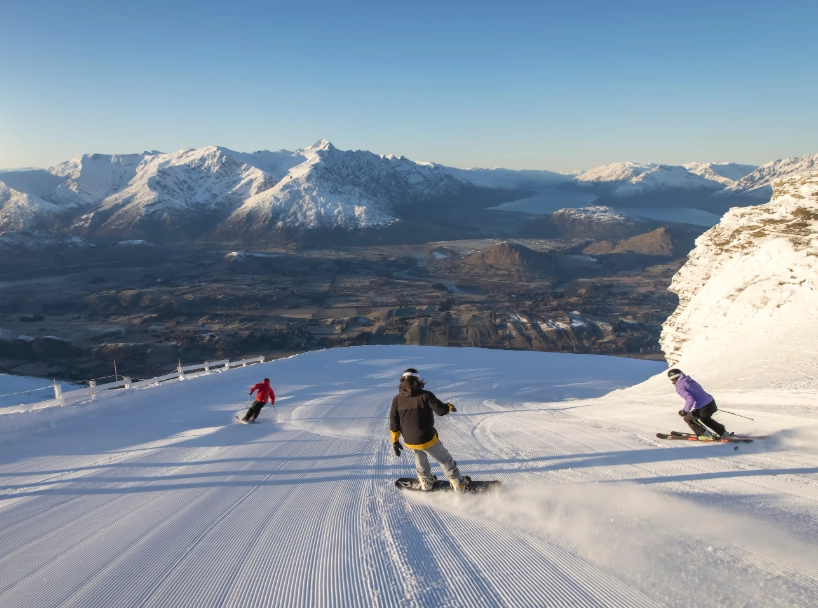
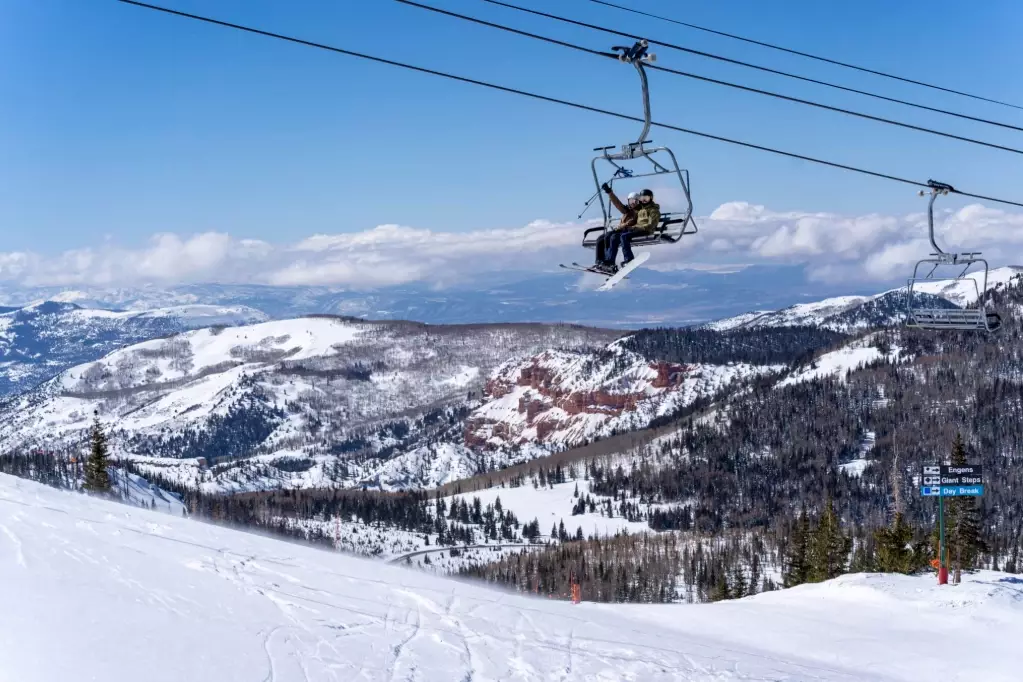
A common misconception is that all New Zealand ski fields are tiny. While they're not the sprawling mega-resorts of the Alps or Rockies, their vertical is impressive, and the lack of crowds means you get more runs in. The snow quality is maritime—it can be heavier than continental powder, but when it's good, it's incredible. The views across Lake Wakatipu or the Tasman Sea are unbeatable. You're skiing with a panorama most resorts can only dream of.
The Top Ski Resorts: South Island vs. North Island
95% of the action is on the South Island, centered around Queenstown and Wanaka. The North Island has Mt. Ruapehu, which is a whole different beast—a volcanic giant. Here’s the breakdown you need to make a choice.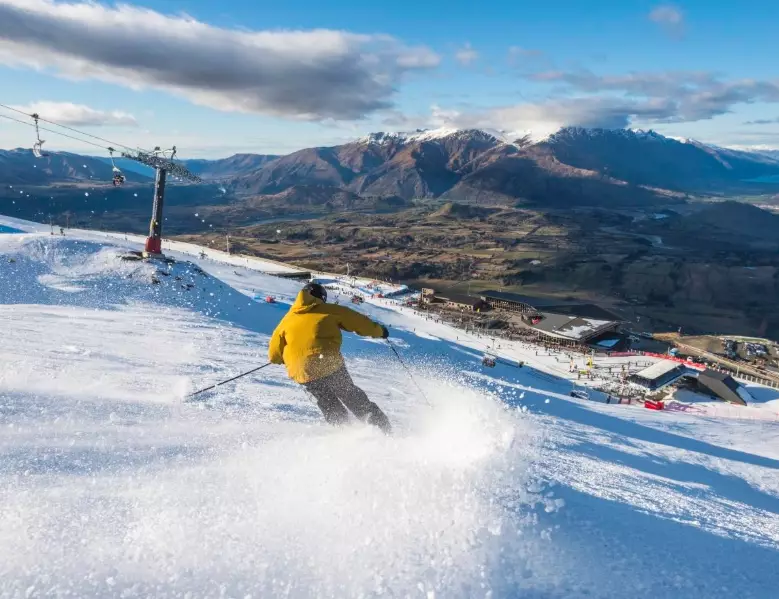
The Queenstown & Wanaka Powerhouses
This is the heart of New Zealand skiing. Four major commercial fields within a 90-minute drive. You can stay in town and have a different mountain experience every day.
| Resort | Best For | Key Info (Address, Hours, Lift Pass) | Getting There from Queenstown |
|---|---|---|---|
| Cardrona Alpine Resort | Families, intermediates, terrain park riders. Home to world-class slopestyle and halfpipe facilities. | Address: Cardrona Valley Rd, 50 mins from Wanaka. Season: Early June to late October. Hours: 9:00 AM - 4:00 PM. 1-Day Adult Pass: NZD $159-$179 (varies by date). Parking: Free but can fill by 10 AM. |
1 hour 15 min drive (via Crown Range). Shuttle buses available from Queenstown and Wanaka (approx. NZD $50 return). The road is steep and winding—4WD/chains advised in snow. |
| Treble Cone | Advanced/Expert skiers, powder hounds, breathtaking views over Lake Wanaka. | Address: Mt Aspiring Rd, Wanaka. Season: Late June to early October. Hours: 9:00 AM - 4:00 PM. 1-Day Adult Pass: NZD $165-$185. Note: Less beginner terrain, more natural, challenging runs. |
1 hour drive from Wanaka (35km). Shuttles from Wanaka only. The access road is narrow and requires chains frequently. Not for the faint-hearted driver. |
| The Remarkables | Mixed ability groups, great learner areas, sunny north-facing slopes, and hike-to terrain for experts. | Address: Remarkables Ski Area Access Rd, 45 mins from Queenstown. Season: June to October. Hours: 9:00 AM - 4:00 PM. 1-Day Adult Pass: NZD $159-$179. Bonus: Stunning alpine lake views right from the base building. |
45-minute drive from central Queenstown. A well-maintained gravel road for the last 15km. Regular shuttles from Queenstown (NZD $40 return). |
| Coronet Peak | Convenience, night skiing (selected nights), reliable snowmaking, and Queenstown's first ski field. | Address: Coronet Peak Rd, 25 mins from Queenstown. Season: June to September. Hours: 9:00 AM - 4:00 PM, night skiing 4 PM - 9 PM on Fridays. 1-Day Adult Pass: NZD $159-$179. Drawback: Can get icy and wind-affected due to its exposed peak. |
The closest and easiest drive—just 25 minutes on a sealed road. Shuttles are plentiful and cheap (NZD $25 return). |
My take? Cardrona is the all-rounder champion. Its terrain park is Olympic-grade, but it also has beautifully groomed cruisers and a fantastic learning area. Treble Cone is where you go to test your mettle—the Saddle Basin holds powder for days after a storm. The Remarkables has the most surprising variety, and Coronet Peak is your reliable, easy-access option, perfect for a first day or night skiing.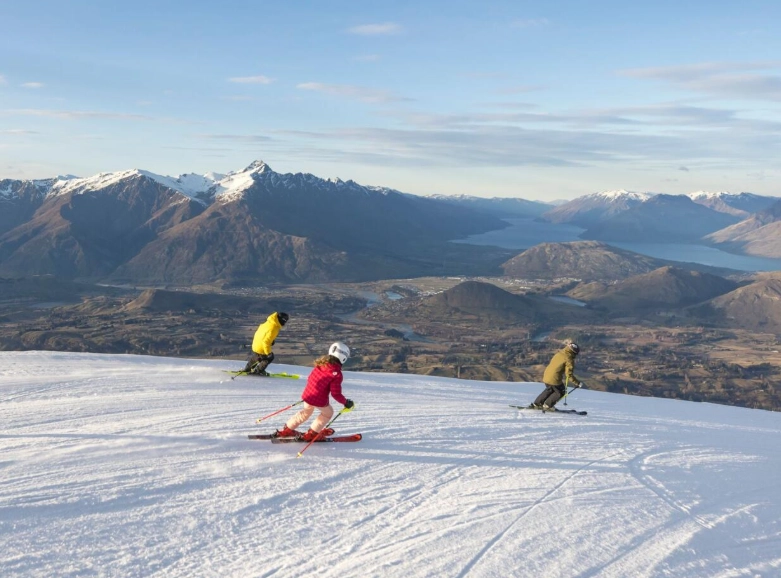
Mt. Hutt & The Canterbury Region
Three hours from Christchurch, Mt. Hutt is known for its reliable snow cover and long season, often stretching into November. It gets more consistent snowfall than the Queenstown fields due to its easterly position. It's a day-trip area, with most people staying in Methven (a 30-minute drive) or Christchurch. The road to the base is notoriously steep and often requires 4WD and chains—the resort frequently operates convoy systems. If you hate driving in snow, take the shuttle from Methven.
Mt. Ruapehu (North Island)
This is a volcanic plateau with two ski areas: Whakapapa and Turoa. It's the largest ski area in New Zealand by total size. The vibe is less glamorous, more local. The terrain is vast and varied, but the snow can be rain-affected more often than in the South. It's a fantastic option if you're touring the North Island and want to ski, but I wouldn't fly to New Zealand solely for Ruapehu over the Southern Alps. Check the Mt. Ruapehu website for volcanic activity alerts—it's a real, active volcano.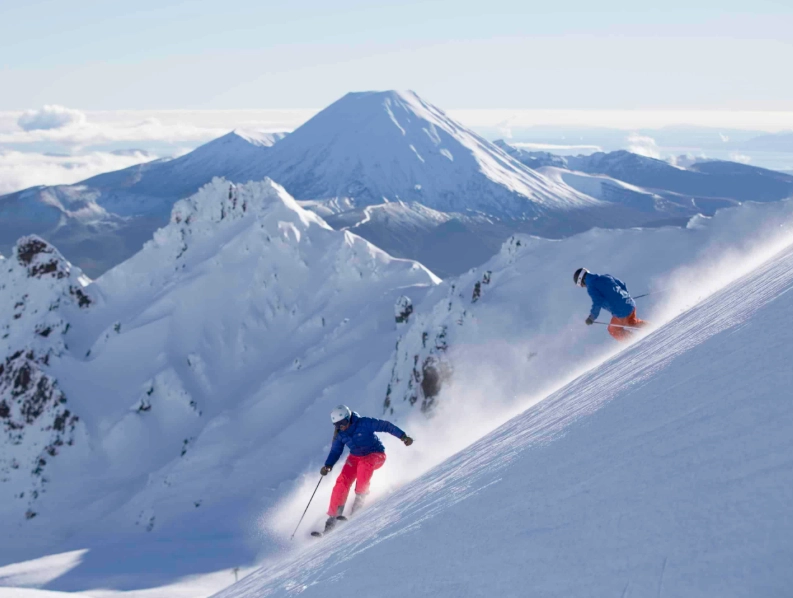
When is the Best Time to Ski in New Zealand?
This isn't a simple answer. It depends on what you want.
For guaranteed snow cover and the best chance of powder: Aim for mid-July to late August. This is peak season. The days are still shortish, but the base is deep, and all terrain is likely open. It's also the most crowded (by NZ standards) and most expensive.
For better weather, fewer people, and lower prices: Try September. You trade some snow quality for longer, sunnier days and quieter slopes. Spring skiing here can be sublime—corn snow in the morning, soft slush in the afternoon. By late September, you might be skiing in a t-shirt.
June and early July: A gamble. The resorts open, but natural snow cover can be thin, relying heavily on snowmaking. You might score an epic early storm, or you might be skiing on a white ribbon. I'd only book this early if I had other travel plans in NZ and skiing was a bonus.
October: The spring tail-end. Mt. Hutt often stays open. It's for the die-hards and those chasing the last turns of the season.
Always, always check the snow reports and webcams in the week leading up to your trip. Metservice and Snow-Forecast.com are your best friends.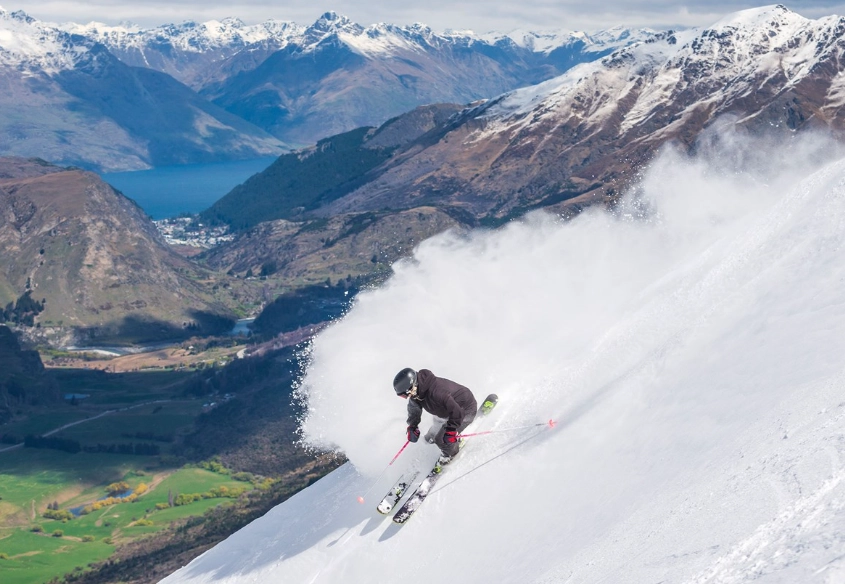
Realistic Cost Breakdown for a NZ Ski Trip
New Zealand isn't a budget ski destination. Let's be honest about a 7-day trip for one person, excluding international flights.
- Lift Passes: NZD $1,100 - $1,300 for 6 days. Consider multi-mountain passes like the NZ Ski Pass (Covers Coronet Peak, The Remarkables, Mt. Hutt) or the Cardrona-Treble Cone pass if you're committing to one region.
- Accommodation (Queenstown, mid-range): NZD $200 - $350 per night. Book early.
- Car Rental + Fuel: NZD $100 - $150 per day for a 4WD/SUV (non-negotiable in winter). Fuel is expensive. Add NZD $50 for chain hire.
- Shuttles (if not driving): NZD $40 - $60 return per day per person.
- Food & Drink: NZD $80 - $150 per day. Eating out in Queenstown is pricey. Cook some meals if you can.
- Equipment Rental (if needed): NZD $50 - $70 per day for premium skis/boots. Cheaper for basic packages.
Total ballpark: NZD $4,500 - $6,500+ per person. Ouch. You can cut costs by staying in Wanaka (slightly cheaper), booking a hostel or Airbnb with a kitchen, and using shuttle buses instead of renting a car (though this limits flexibility).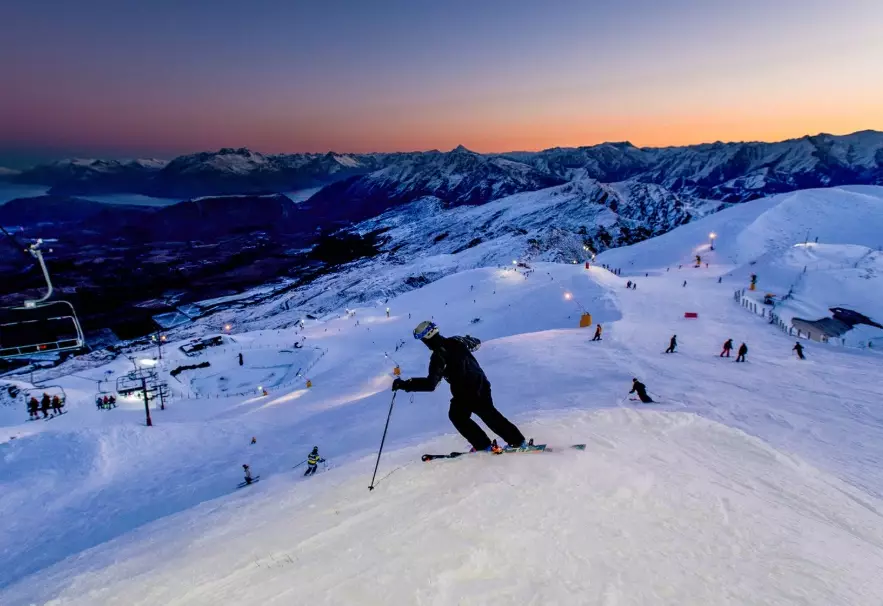
Essential Planning Tips from a Local Skier
These are the things I wish someone had told me before my first trip.
Driving is an adventure. Mountain roads are steep, narrow, and often require chains. Rental companies often prohibit driving on certain roads (like the Treble Cone access) in their contracts. If you're not a confident winter driver, use the shuttles. Seriously.
Layer like a pro. The weather changes in minutes. A waterproof shell, a mid-layer fleece, and a merino wool base layer are essential. Don't forget gloves, a neck gaiter, and high-quality goggles with low-light lenses—flat light is common.
Book everything early. Flights, accommodation, rental cars, and even restaurant reservations for popular spots in Queenstown. The peak season sells out.
Respect the mountain code. Avalanche risk is real in off-piste areas. If you're venturing out of bounds, you need a beacon, probe, shovel, and the knowledge to use them. Consider a guide.
Embrace the après differently. It's less about pounding beers and more about a well-earned craft beer at a brewery like Altitude in Queenstown or a glass of Central Otago Pinot Noir. The pace is more relaxed.
Your Burning Questions Answered (FAQ)
Is August or September better for a family ski trip to New Zealand?
How does the snow quality in New Zealand compare to Japan or the Alps?
I'm an intermediate skier. Which resort won't overwhelm me?
What's the one big mistake first-timers make when planning a NZ ski trip?
Can I realistically combine a ski trip with other sightseeing in New Zealand?
Related Articles
Comments
Join the discussion